 Travel in China
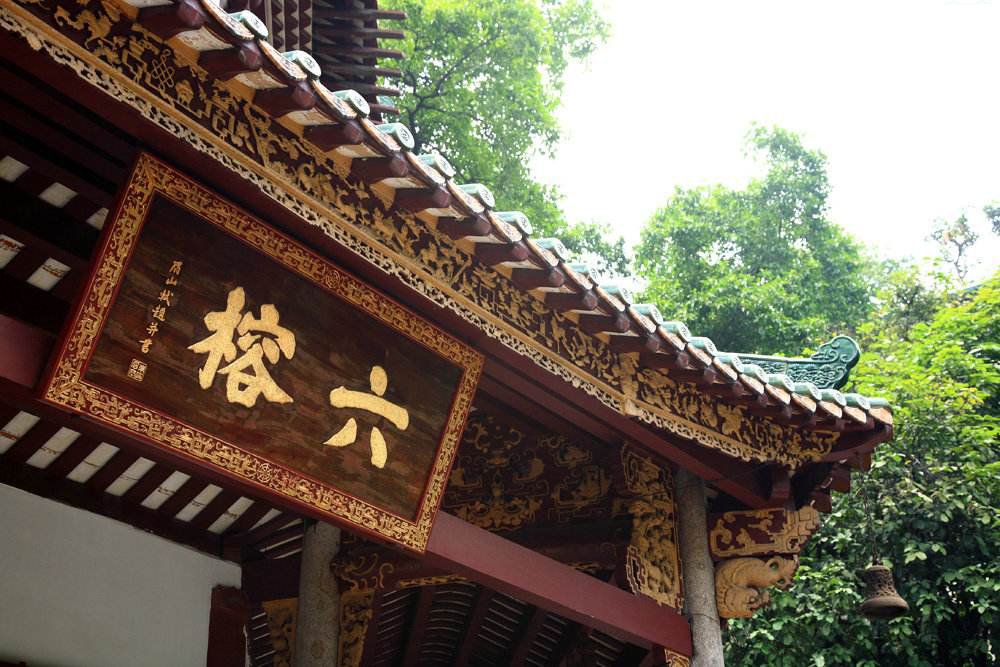
Enter from Liurong Road under Su Shi's gate plaque, circle the Flower Pagoda, take the halls in order and finish in the stele corridor — then walk twelve minutes west to Guangxiao Temple to make a classic pair of it.
Suggested Itinerary
- Half-Day: A Relaxed Circuit of Highlights
Arrive before 15:45, then admire Su Shi's 'Six Banyans' plaque, the Flower Pagoda's lotus-petal eaves, and the Bronze Sixth Patriarch. Finish among the banyan-shaded courts, then walk twelve minutes west to Guangxiao Temple to complete a classic two-temple morning. - Full-Day: A Deep, Slow Exploration
Take your time inside the working monastery: study the Ming-Qing stele corridor's carved patronage, ask at the gate whether pagoda climbing is open, and climb all seventeen inner levels of the 57.6 m Song pagoda if permitted. Rest beneath the old banyans, observing daily monastic life quietly.
What to See
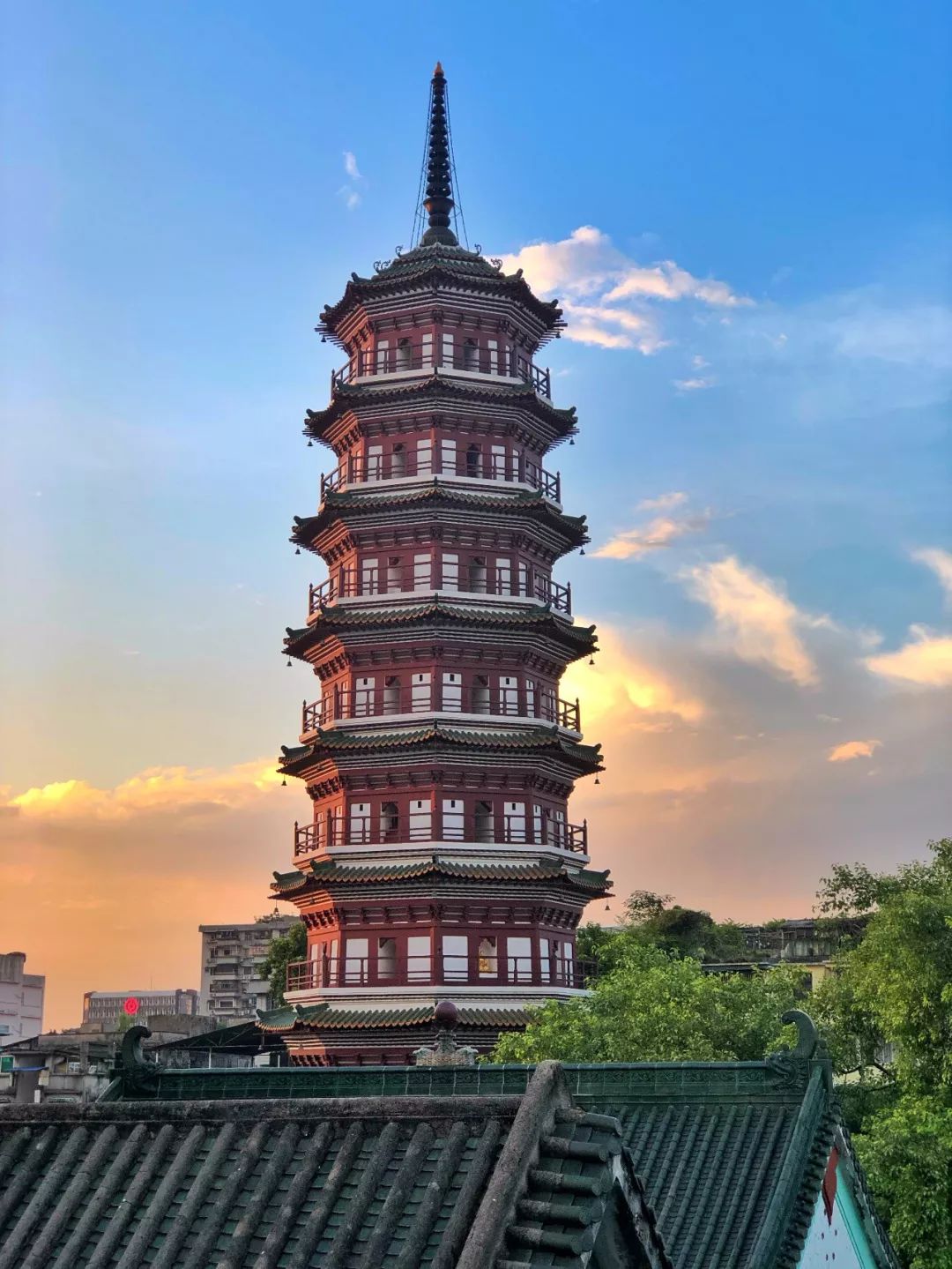
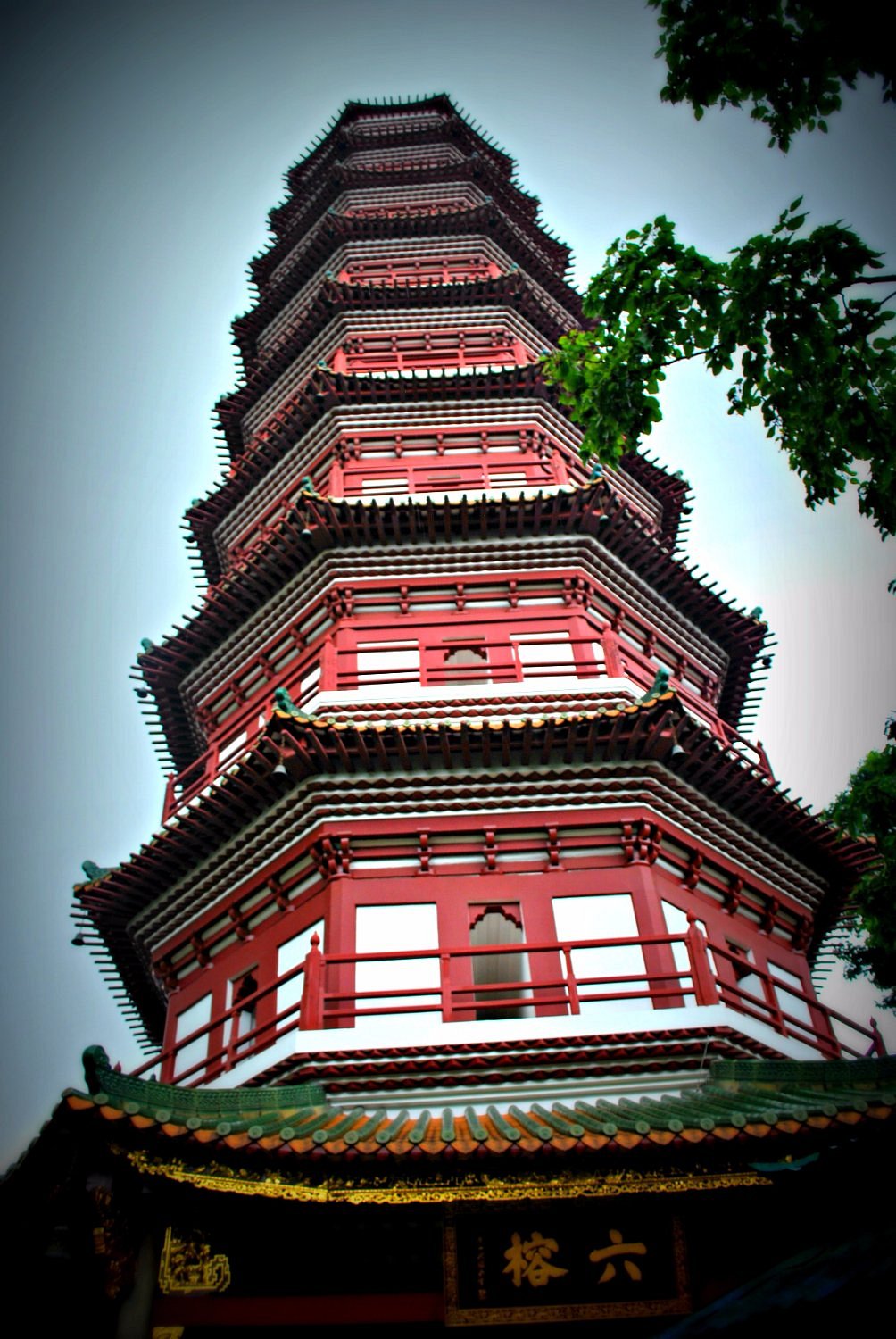
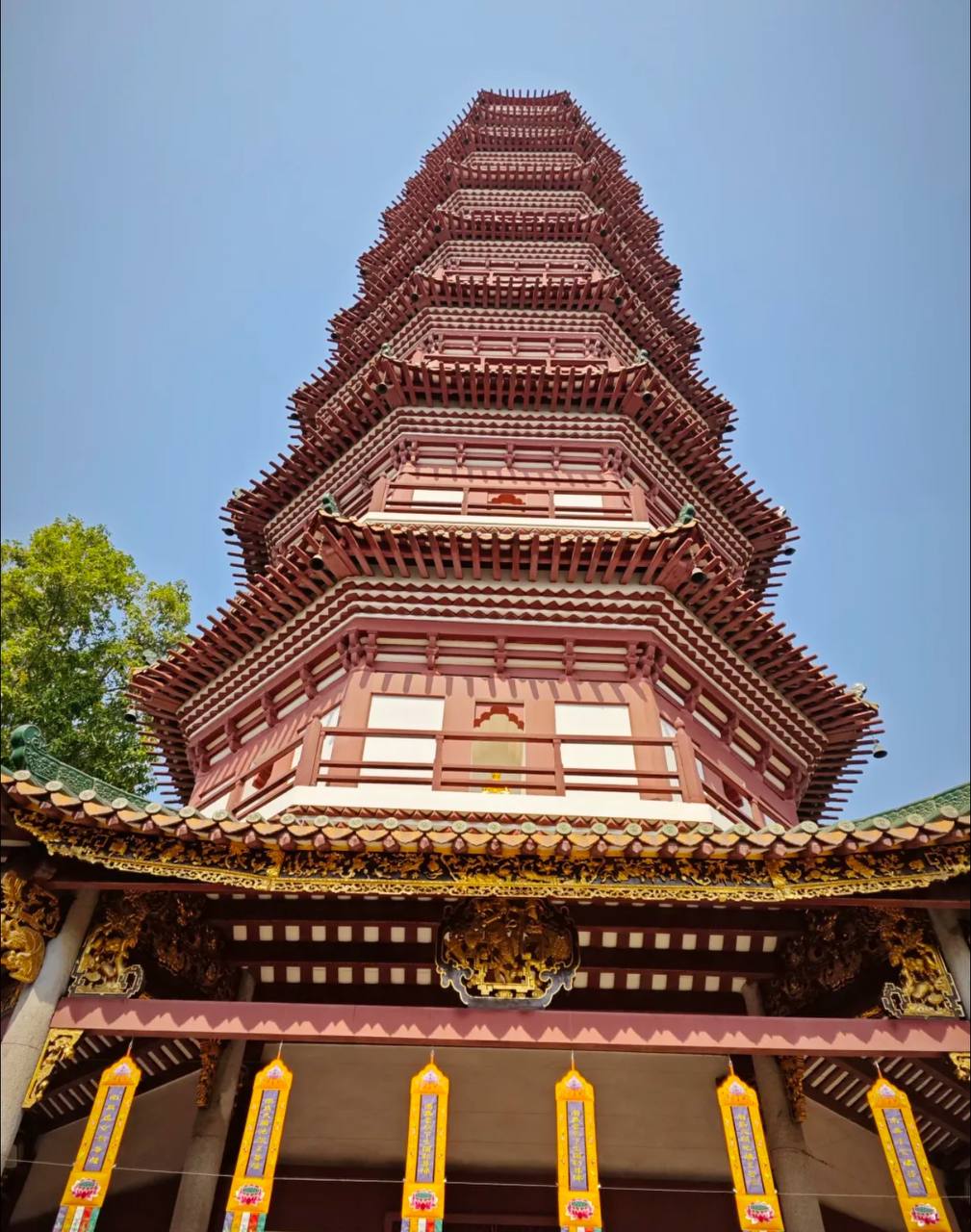
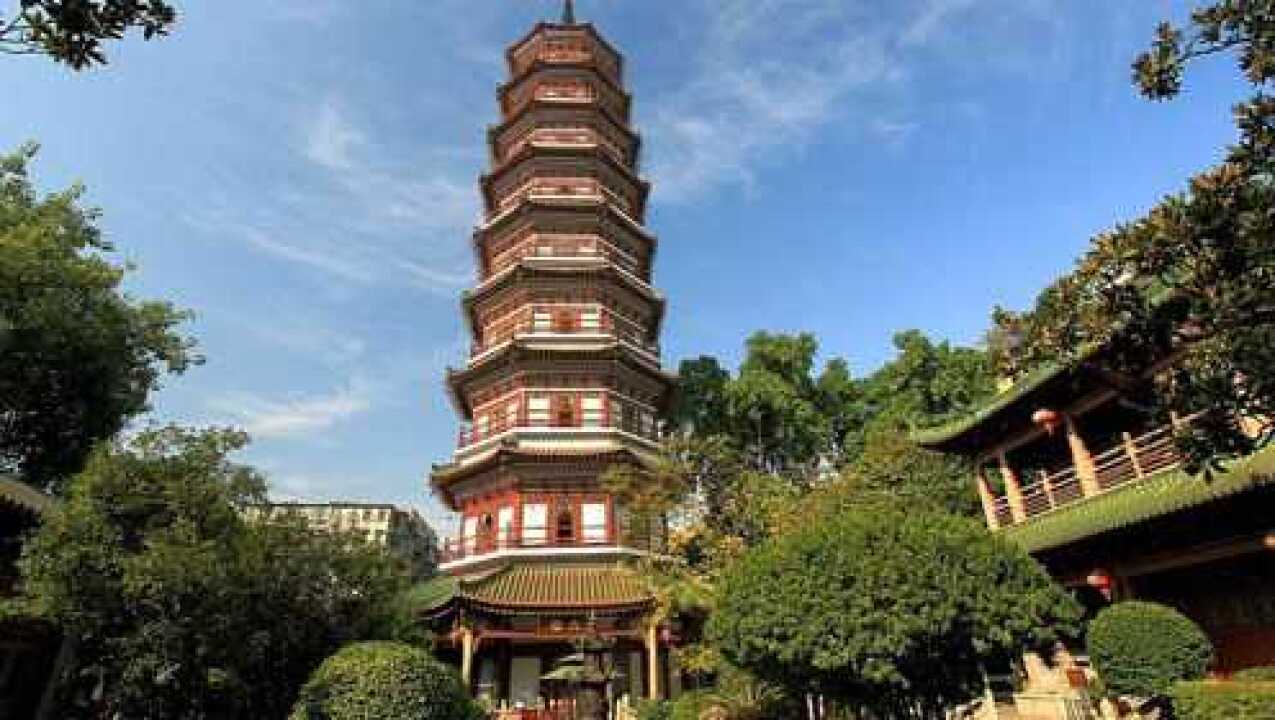
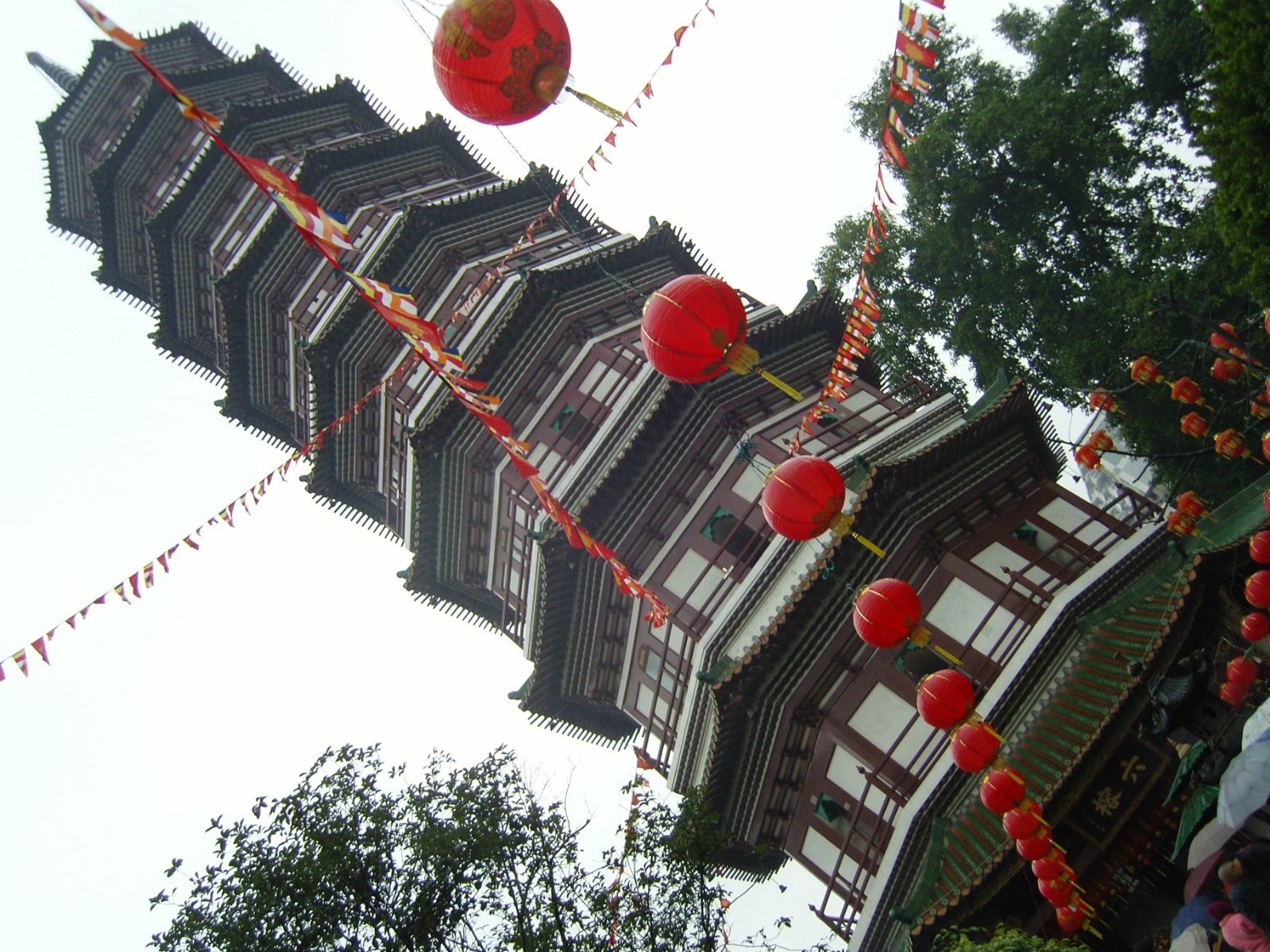
The Flower Pagoda
Nine storeys outside, seventeen levels within — 57.6 m, the tallest surviving Song pagoda in the region.
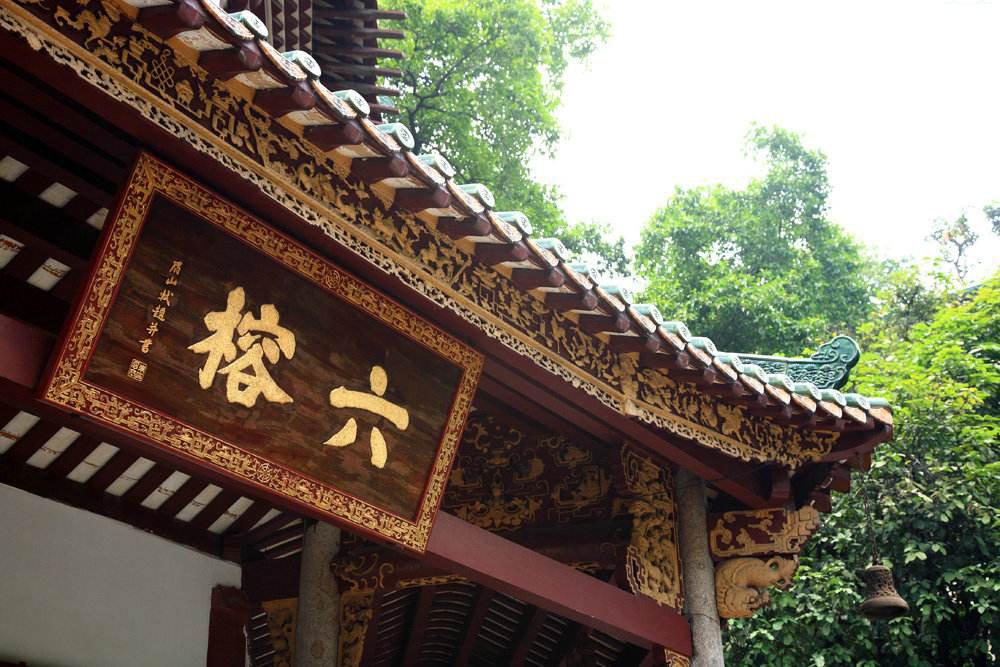
Su Shi's 'Six Banyans' plaque
The poet's 1100 inscription that gave the temple its name.
Bronze Sixth Patriarch
A Northern Song bronze of Huineng, Chan Buddhism's sixth patriarch.
Lotus-petal eaves
Stacked petal rooflines that give the pagoda its 'flower' name.
Ming-Qing stele corridor
Centuries of patronage carved in stone along the wall.
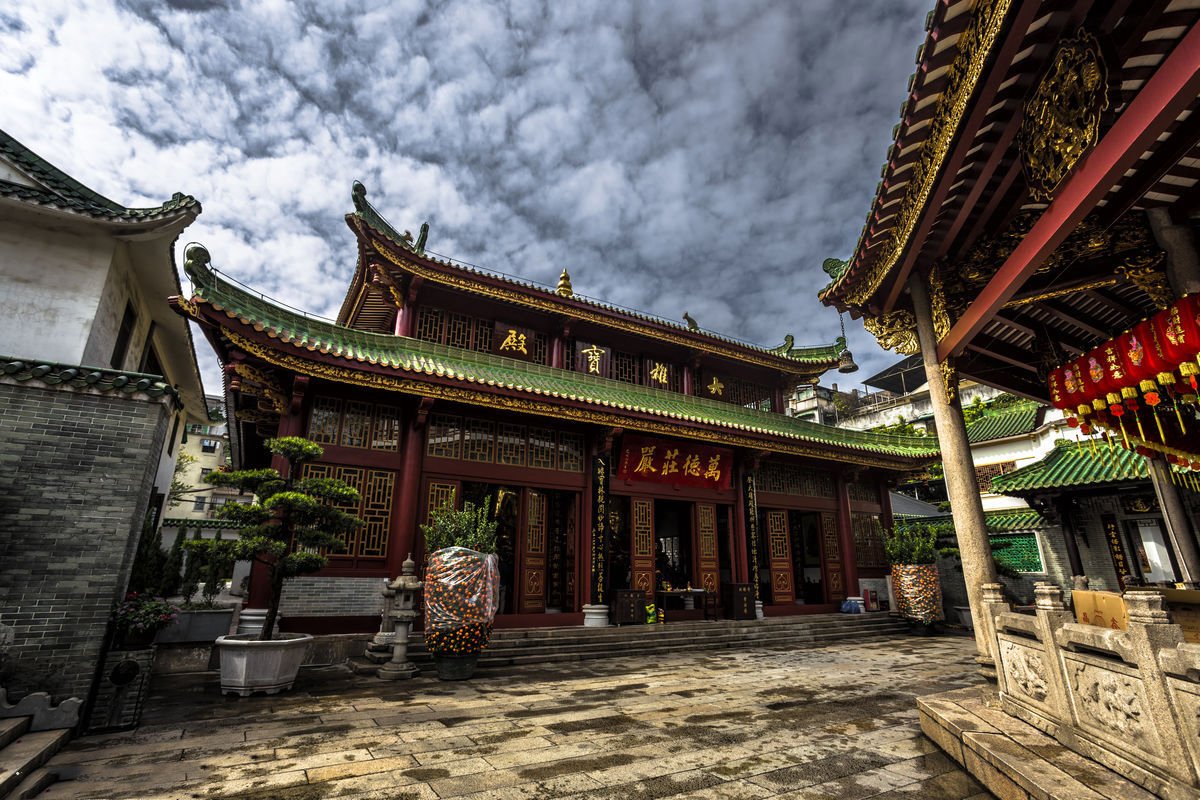
The banyan-shaded courts
A working monastery's daily life under old trees.
Photo Gallery
Tips from Real Travelers
Food & Drink
Foyou Yuan Vegetarian
Temple-adjacent vegetarian cooking.
Jiayuan Vegetarian
A nearby veggie house popular with temple-goers.
Xihua Road snacks
One of the old town's great snack streets, five minutes north.
Taotaoju (Beijing Road)
The 1880 teahouse brand, a metro stop away.
Comments