 Travel in China
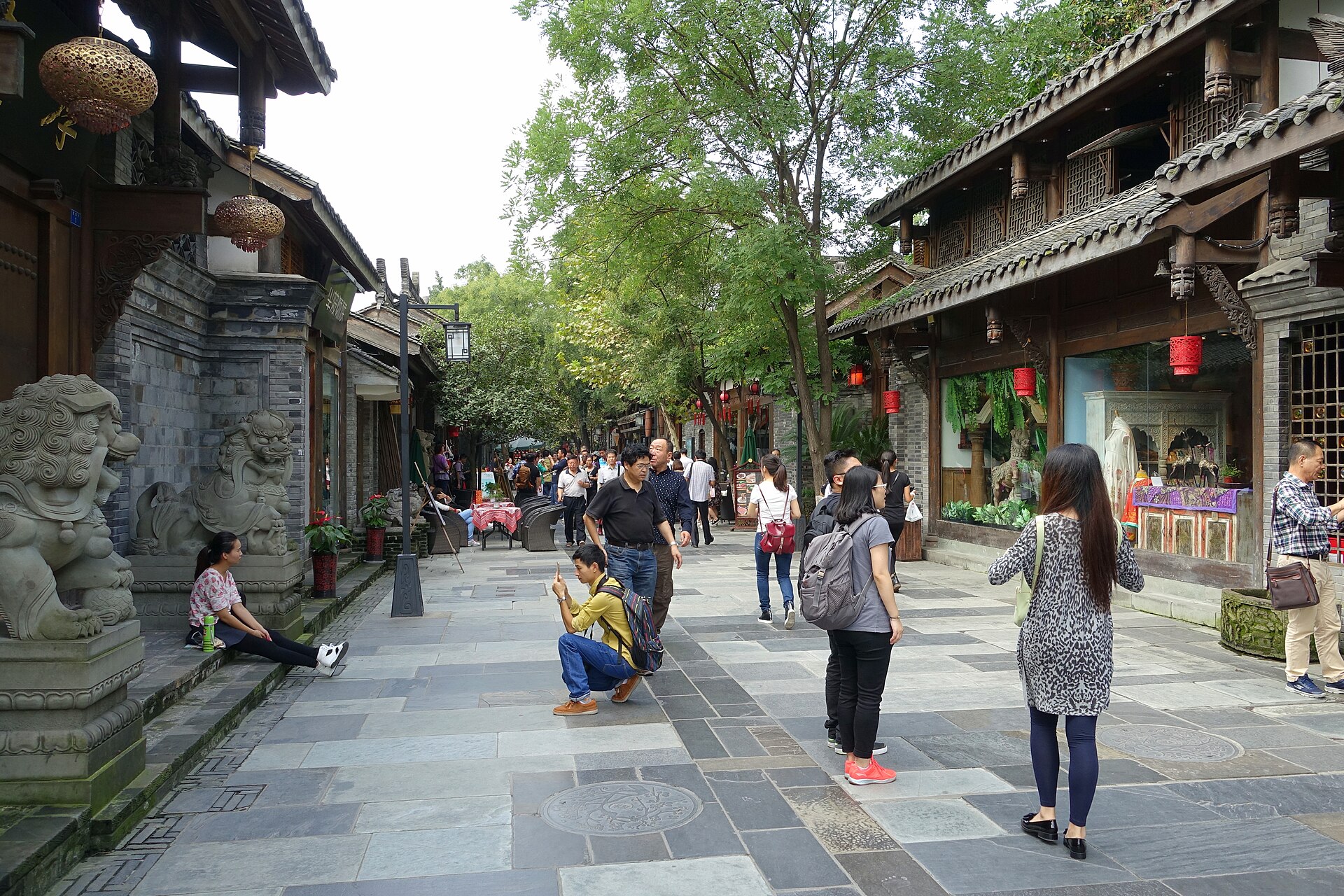
Three Qing-dynasty lanes of grey-brick courtyards where Manchu garrison families once lived - now the city's living room of teahouses and boutiques.
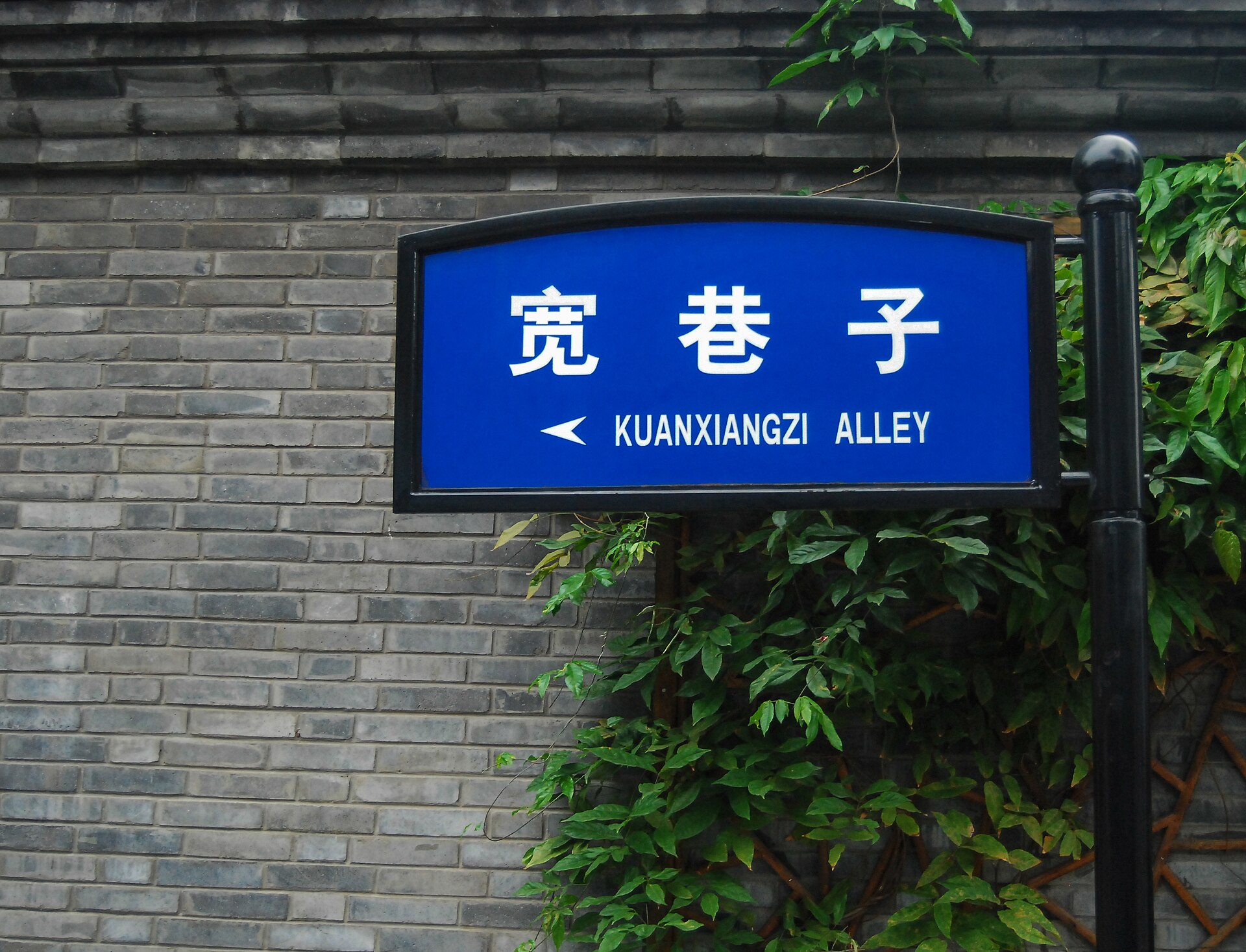
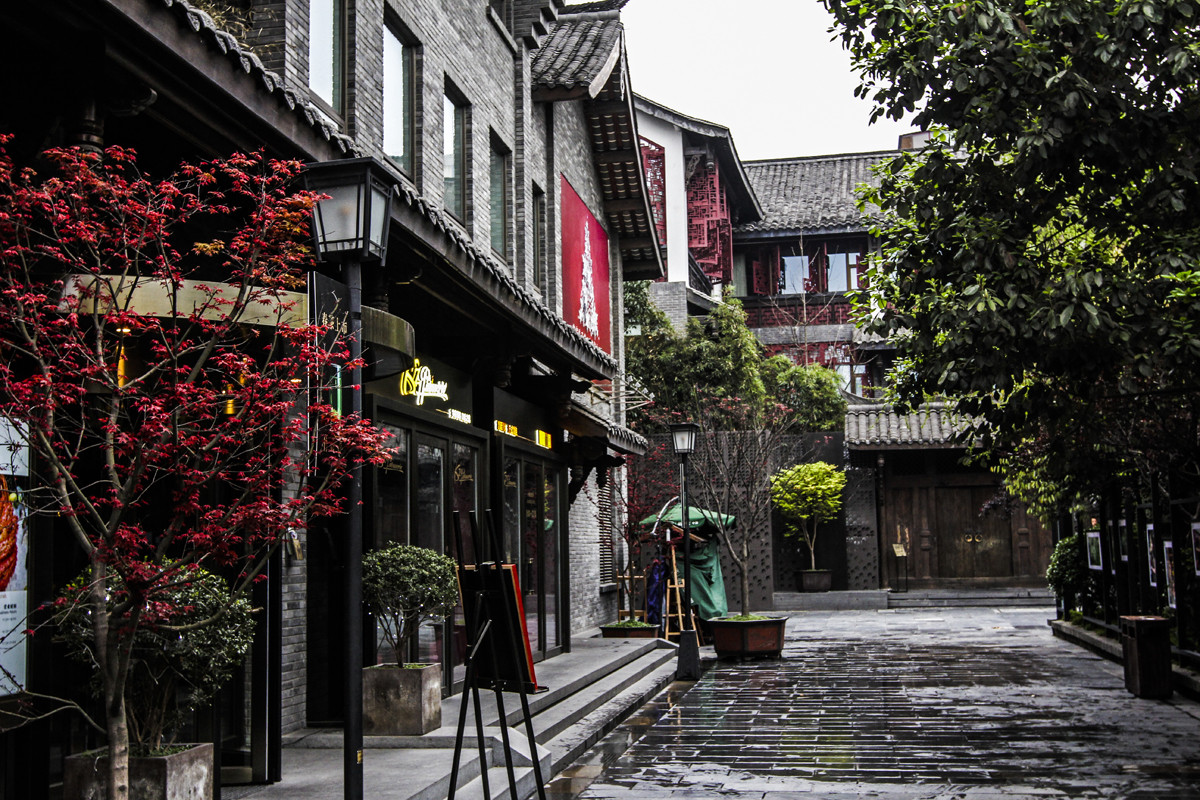
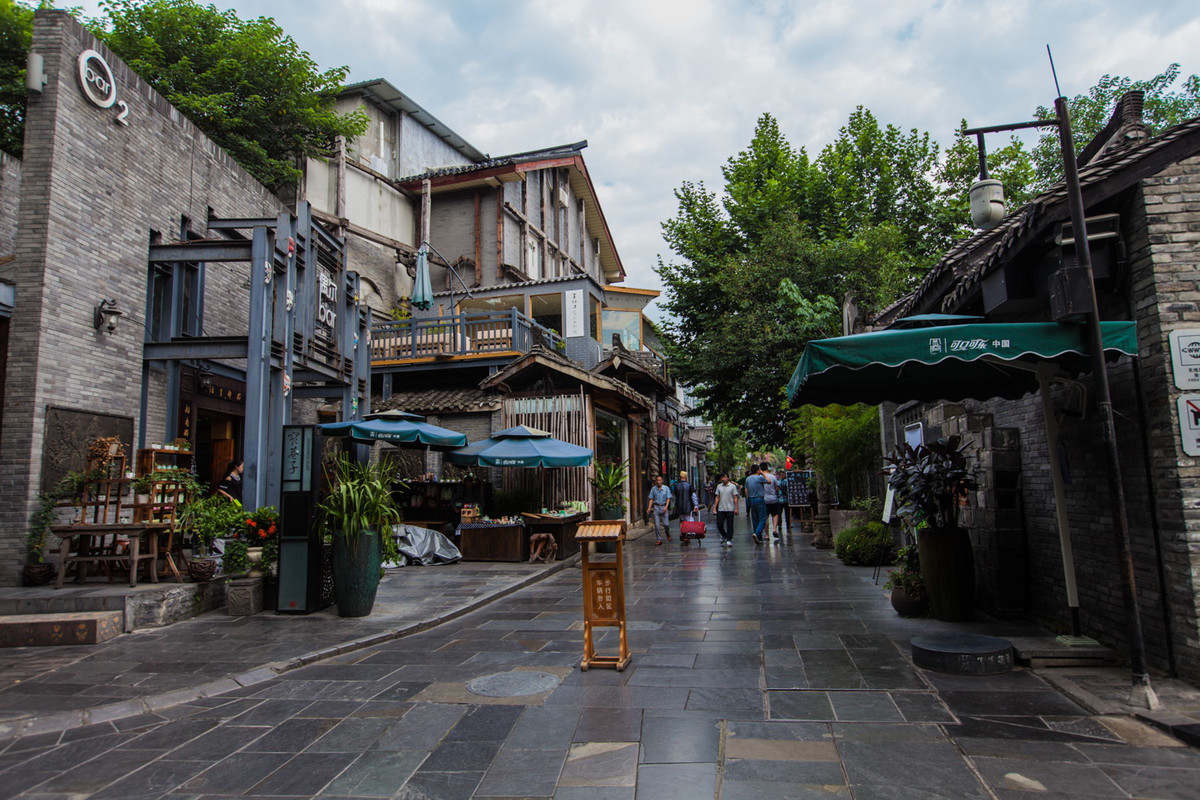
The Kuanzhai Alleys (Wide, Narrow and Well Lanes) are three parallel Qing-dynasty lanes that preserve the last remnants of Chengdu's Manchu garrison quarter, established in 1718. The courtyards and grey-brick facades of the original bannermen's residences have been restored and converted into teahouses, restaurants, craft shops and boutique hotels.
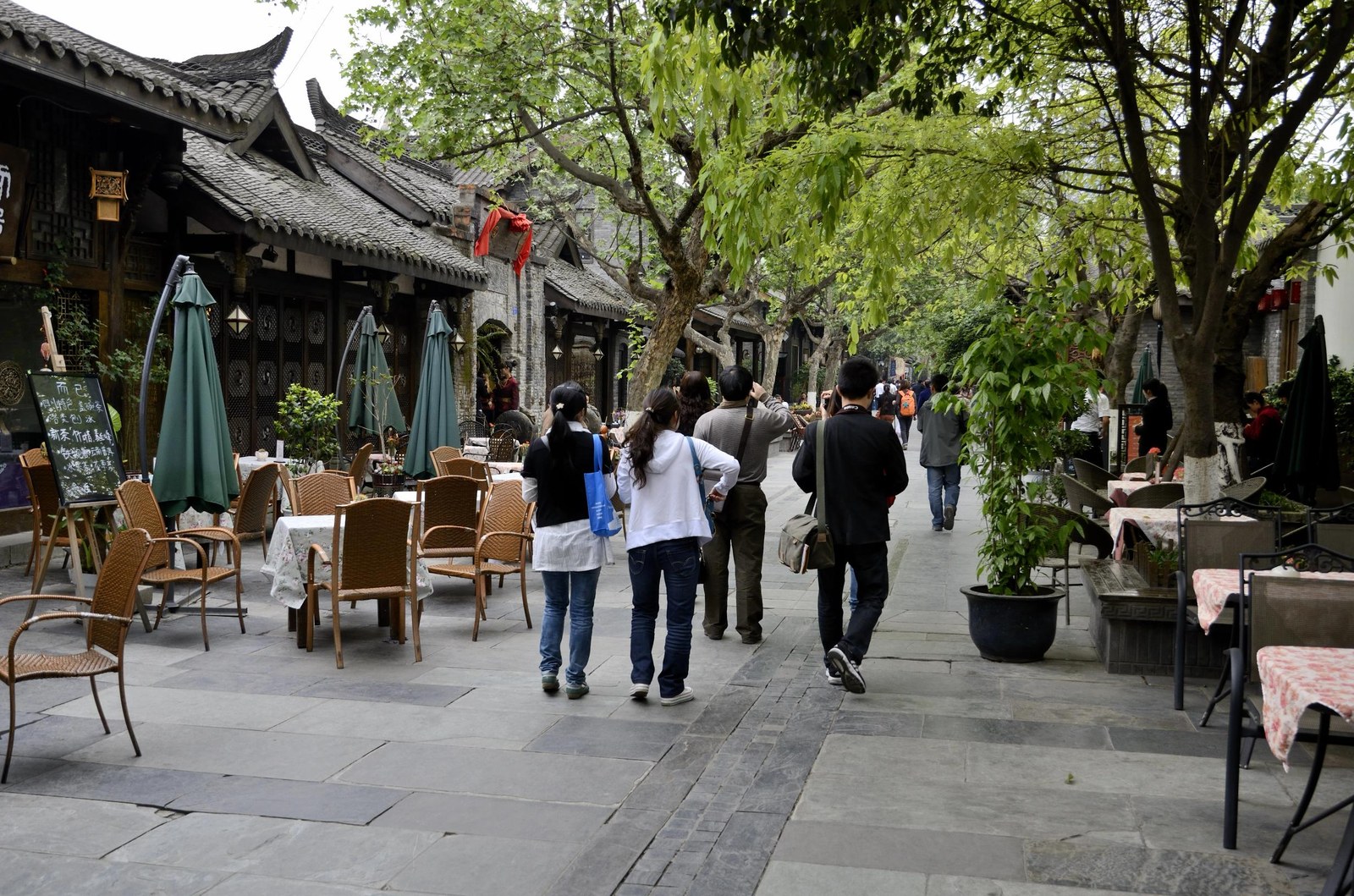
Kuan Zhai Xiangzi - as the locals call it - is where Chengdu comes to demonstrate its famous laid-back lifestyle. Bamboo chairs spill from the courtyards onto the flagstones, ear-cleaners click their tuning forks, tea masters pour from metre-long spouts, and grannies play mahjong beneath the persimmon trees.
The three lanes have distinct characters: Kuan (Wide) Alley is the most touristy with shops and cafes; Zhai (Narrow) Alley is the most atmospheric with restored courtyards and bars; Jing (Well) Alley is the most local with wall-side massage parlours and casual eating houses. The complex is free to enter and always open.
Highlights
The Bamboo-Chair Teahouses
The classic Chengdu experience - bamboo chairs, gaiwan tea and ear-cleaning masters.
The Qing-Dynasty Courtyard Facades
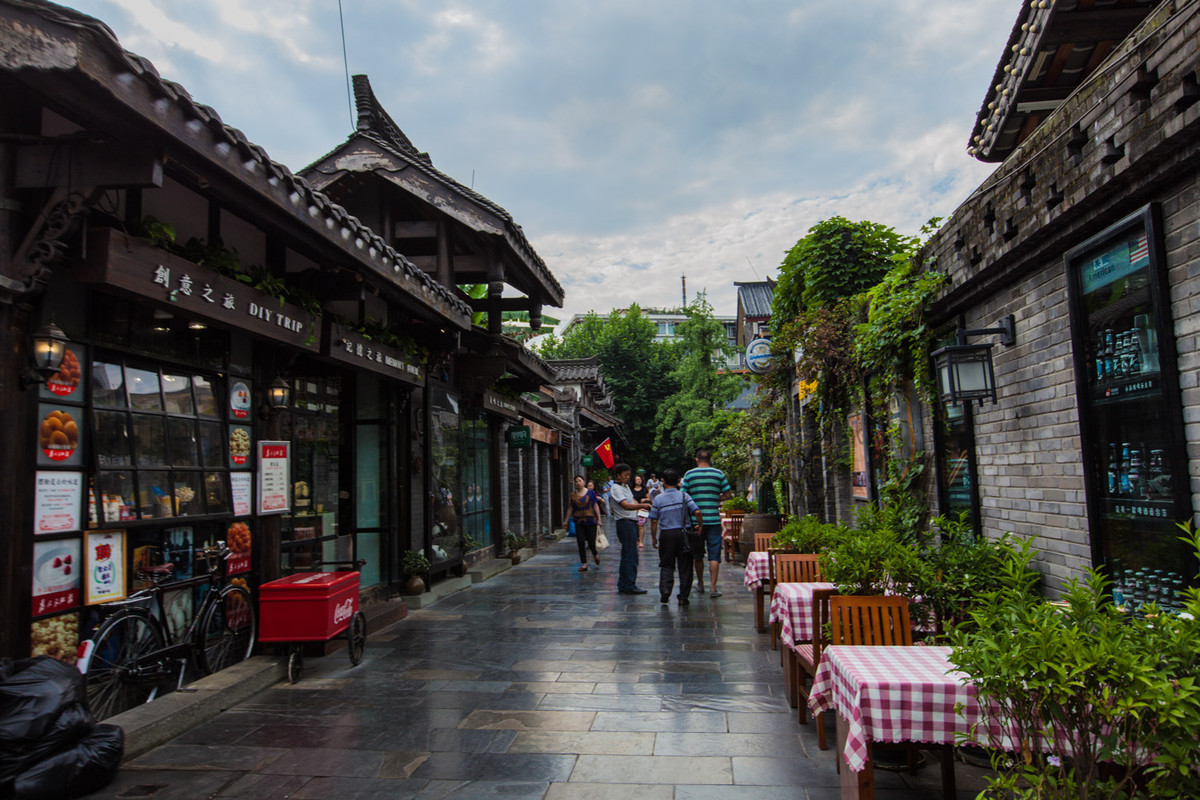
Grey brick, black-tiled roofs and wooden lattice doors of the 18th-century garrison quarter.
The Ear-Cleaning Masters
Long copper instruments and tuning forks - a uniquely Chengdu service in the teahouses.
The Brick Wall Reliefs
A wall of carved bricks along Well Alley (the southernmost lane) depicting old Chengdu street life.
The Alley 29 Courtyard Hotel
A beautifully restored courtyard boutique hotel hidden in Narrow Alley.
The Night Lighting
Red lanterns and warm light transforming the lanes after dusk.
Photo Gallery
Comments