 Travel in China
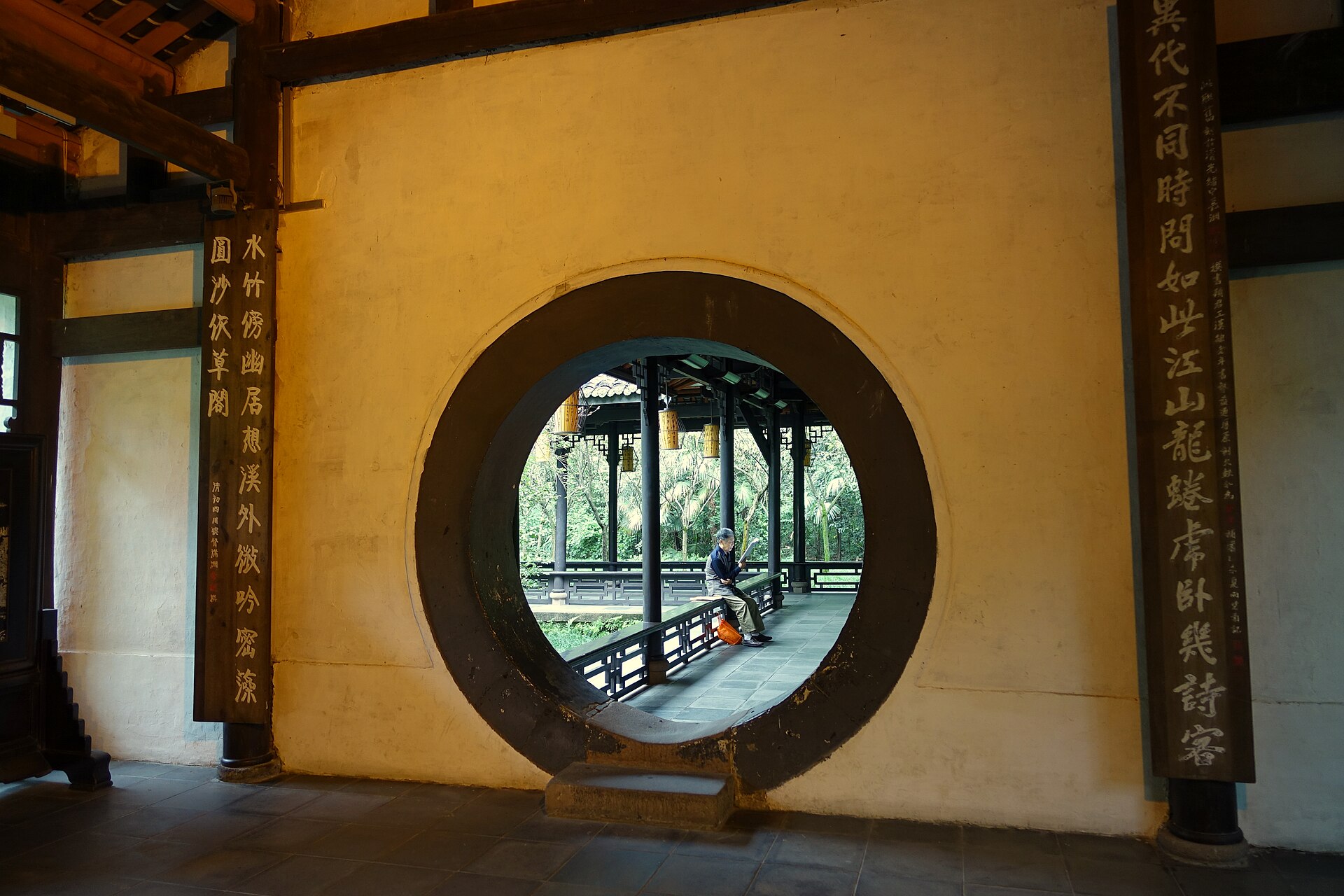
The thatched cottage where China's greatest poet wrote 240 poems during the An Lushan rebellion - now a garden museum of streams, bamboo and calligraphy.
Du Fu (712-770 AD), universally regarded as China's greatest poet, fled to Chengdu during the An Lushan Rebellion and built a thatched cottage by the Flower Washing Stream (Huanhua Xi). During his four years here (759-763), he wrote 240 poems - more than a sixth of his ~1,450 surviving works - including some of his most famous verses about war, poverty and the suffering of ordinary people.
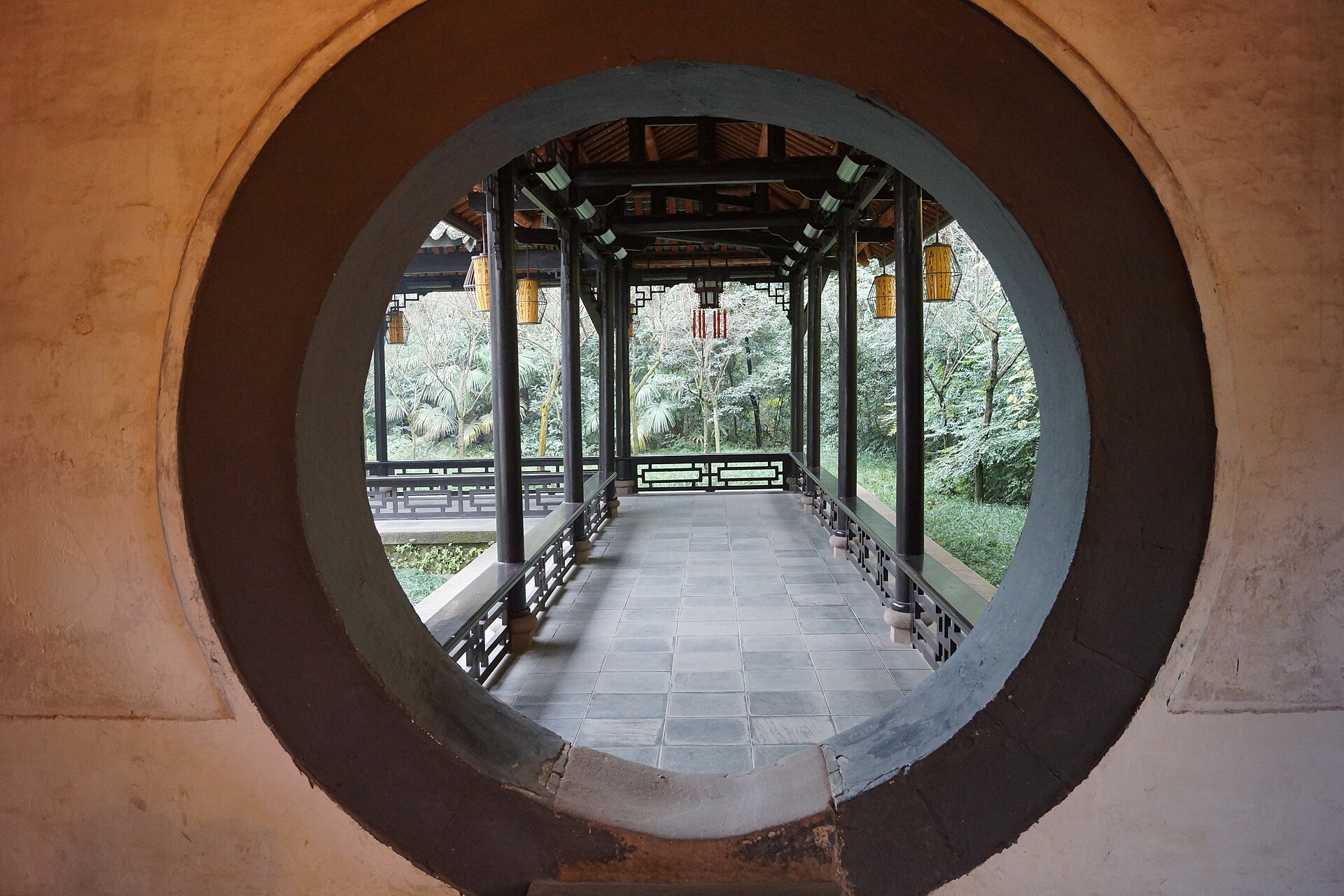
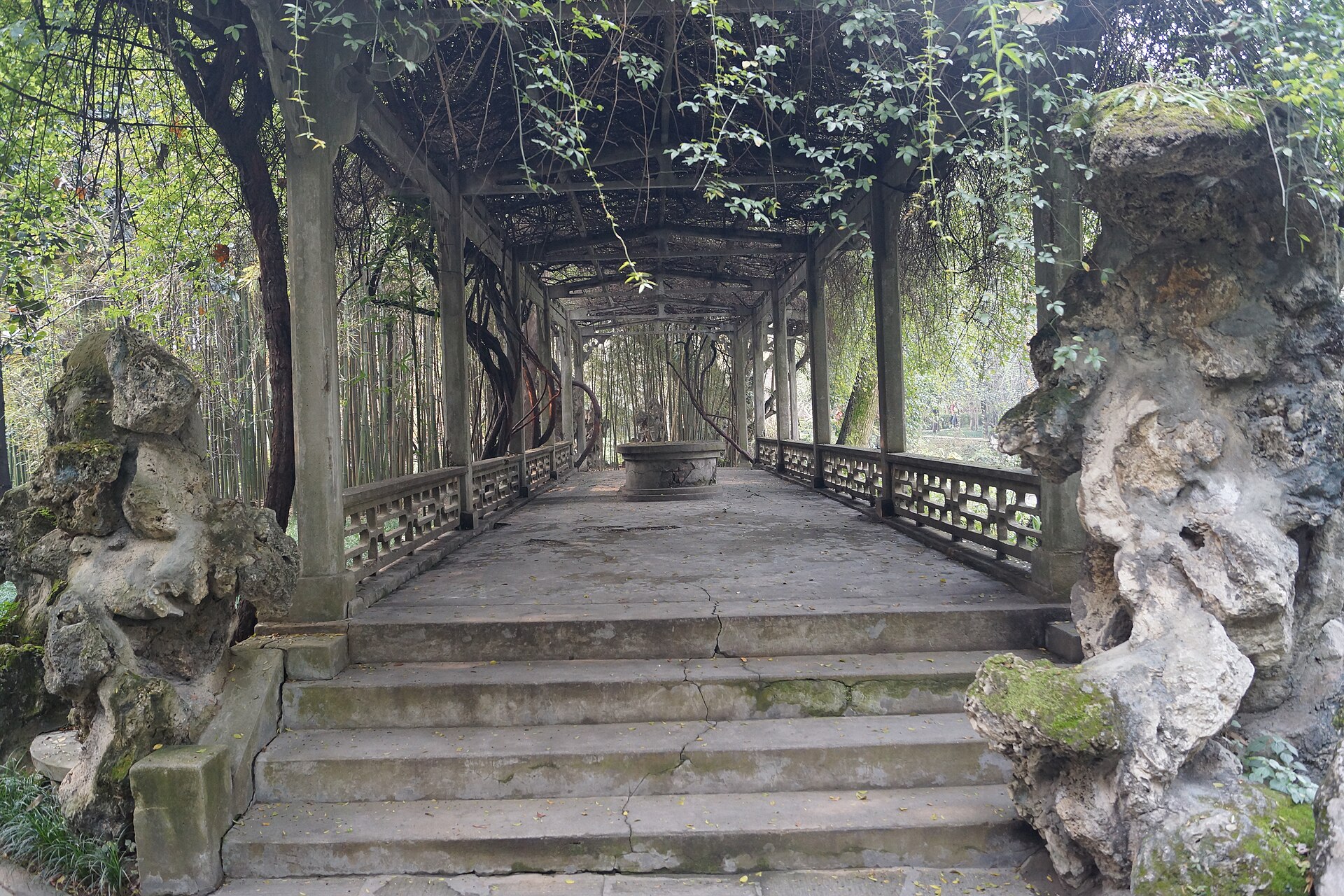
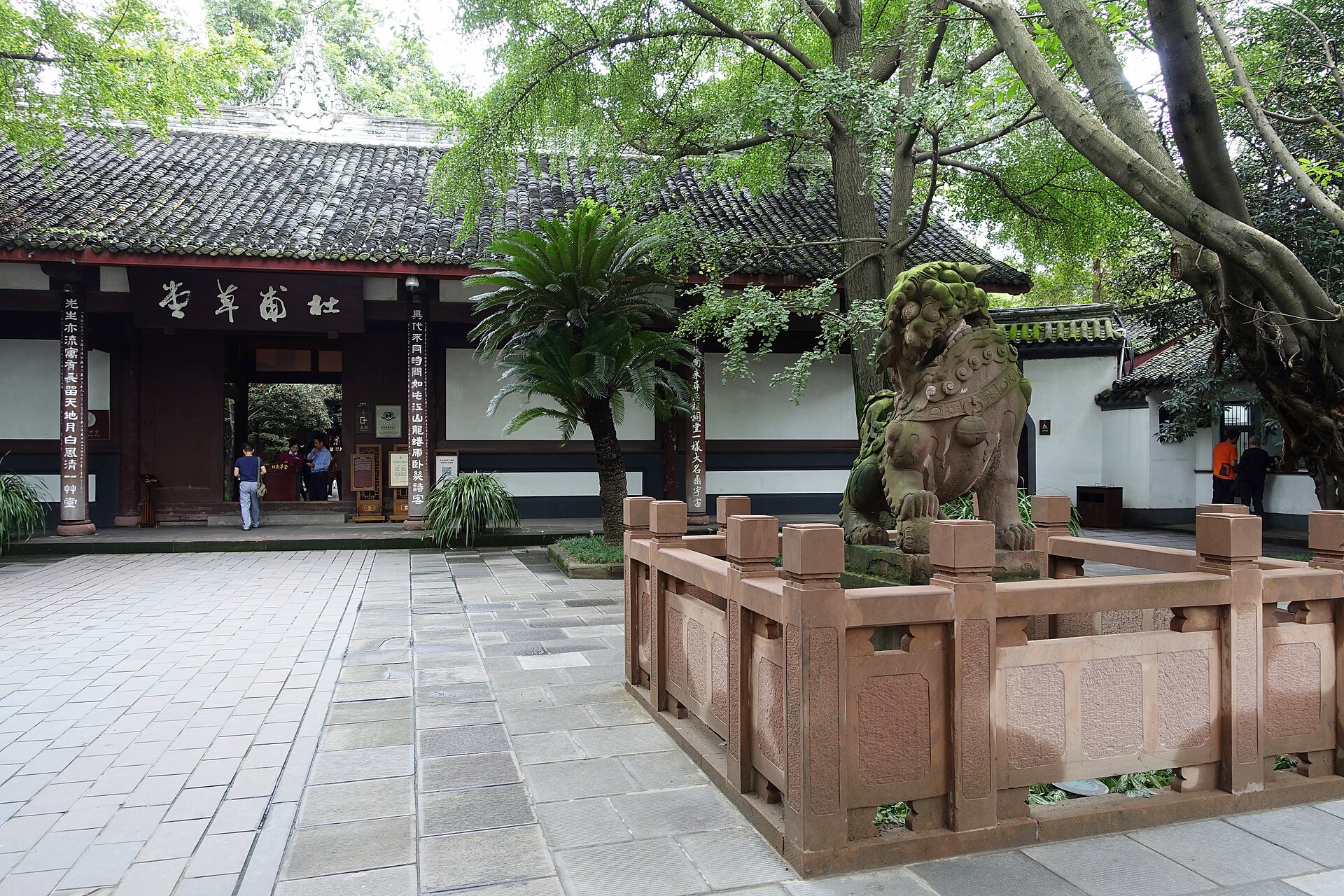
The original cottage vanished long ago, but the site has been a place of pilgrimage since the Song dynasty. The current 50-acre (300-mu) garden-museum, laid out in the Ming and Qing dynasties and extensively restored, recreates the setting of Du Fu's poems: streams, bamboo groves, lotus ponds and pavilions housing his works in calligraphy and stone inscription.
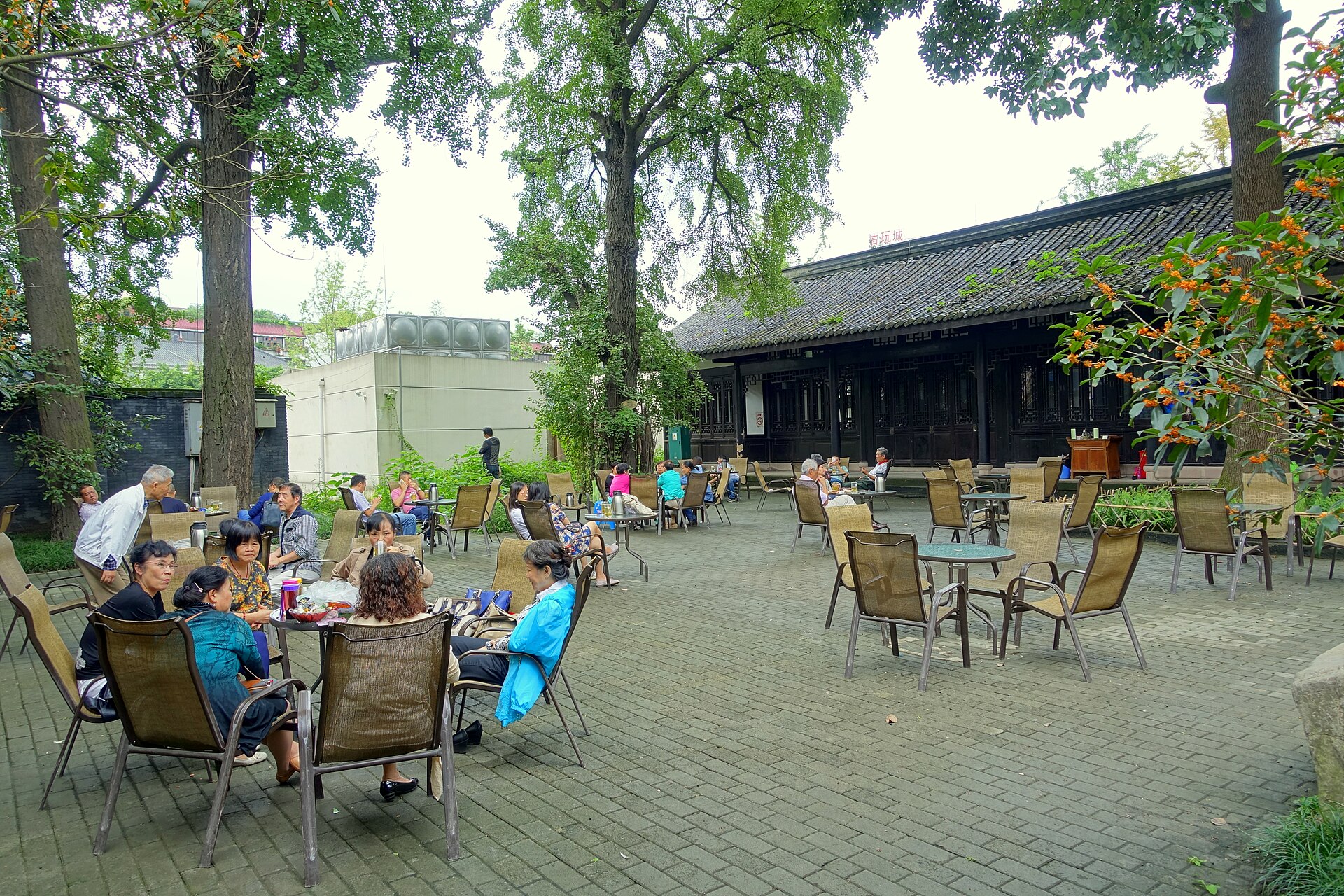
For lovers of Chinese poetry, the cottage is a shrine. For everyone else, it is one of Chengdu's most beautiful gardens - a green oasis of streams and bamboo where the city's noise fades away. The new Du Fu Museum (opened 2021) uses multimedia to bring the poet's world to life for visitors who cannot read the originals.
Highlights
The Thatched Cottage Reconstruction
A recreation of Du Fu's simple dwelling, with period furnishings and a thatched roof.
The Stream and Bamboo Gardens
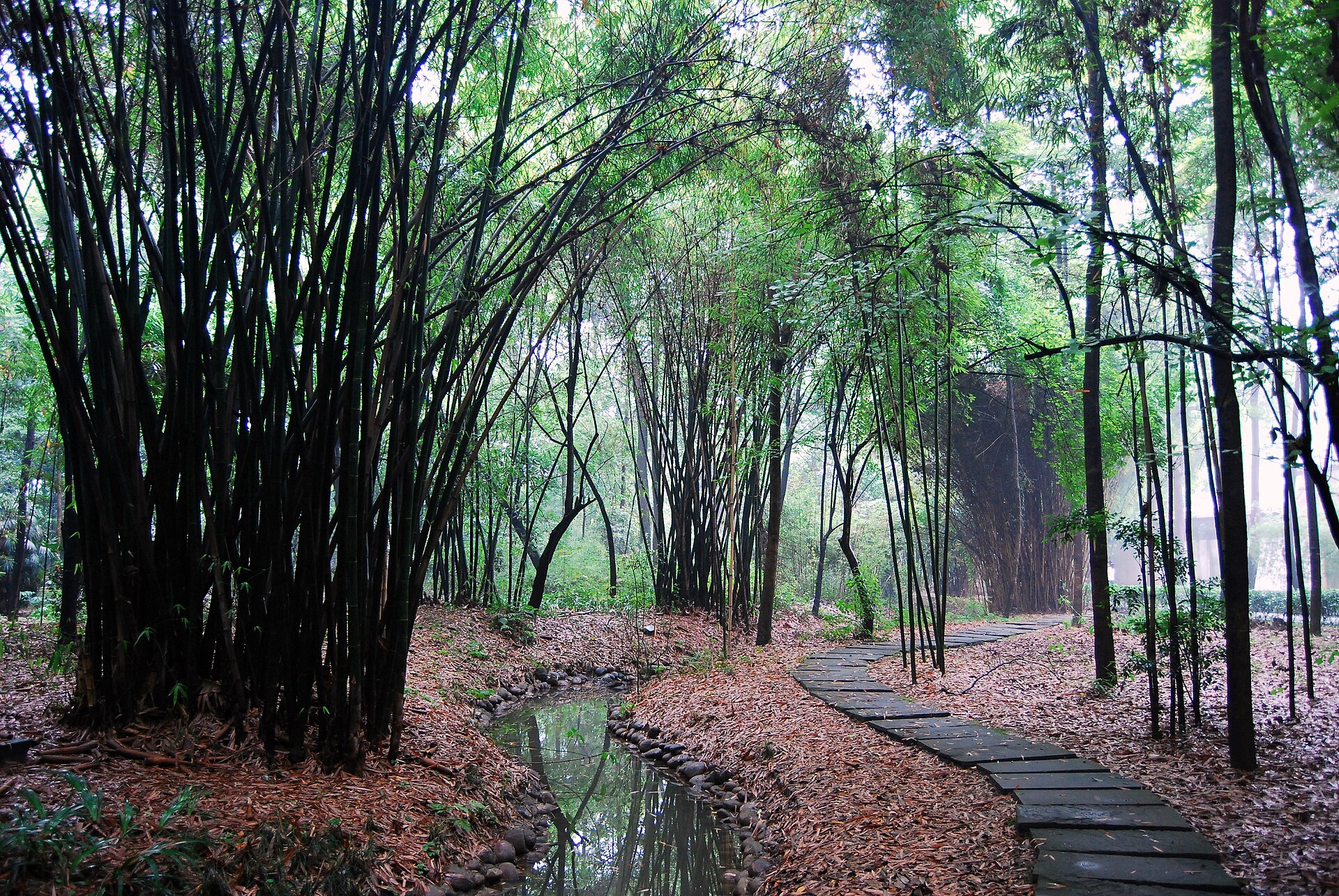
300 acres of streams, lotus ponds and bamboo groves - the poet's landscape made real.
The Poetry Corridor
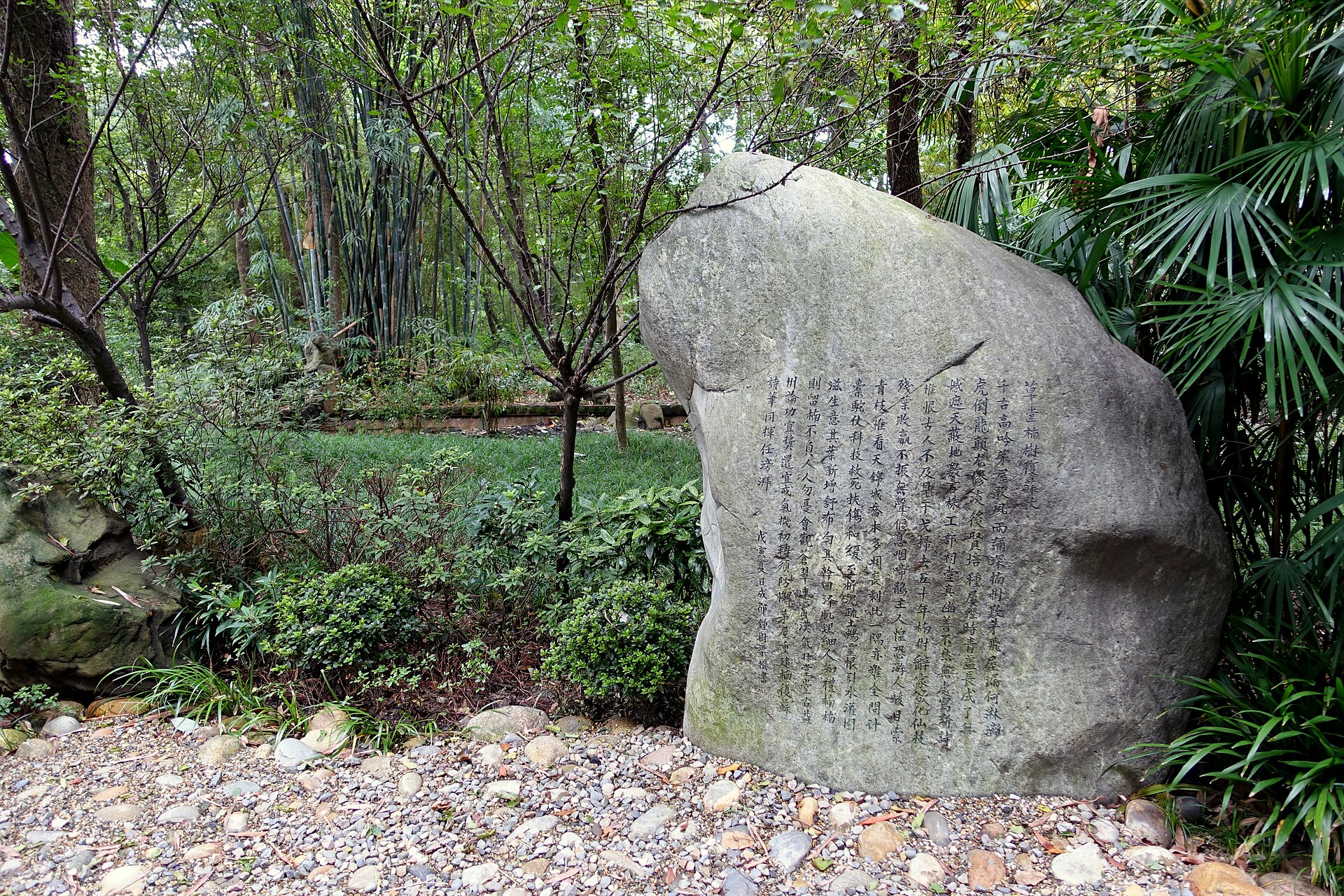
Stone steles carved with Du Fu's most famous verses in the hands of master calligraphers.
The Du Fu Museum
The new museum (2021) with multimedia presentations of the poet's life and work.
The Flower Washing Stream
The stream where the poet washed his brushes and clothes - still flowing through the garden.
The Gongbu Shrine
A Ming-dynasty shrine to the poet, holding a statue of Du Fu at his writing desk.
Photo Gallery
Comments