 Travel in China
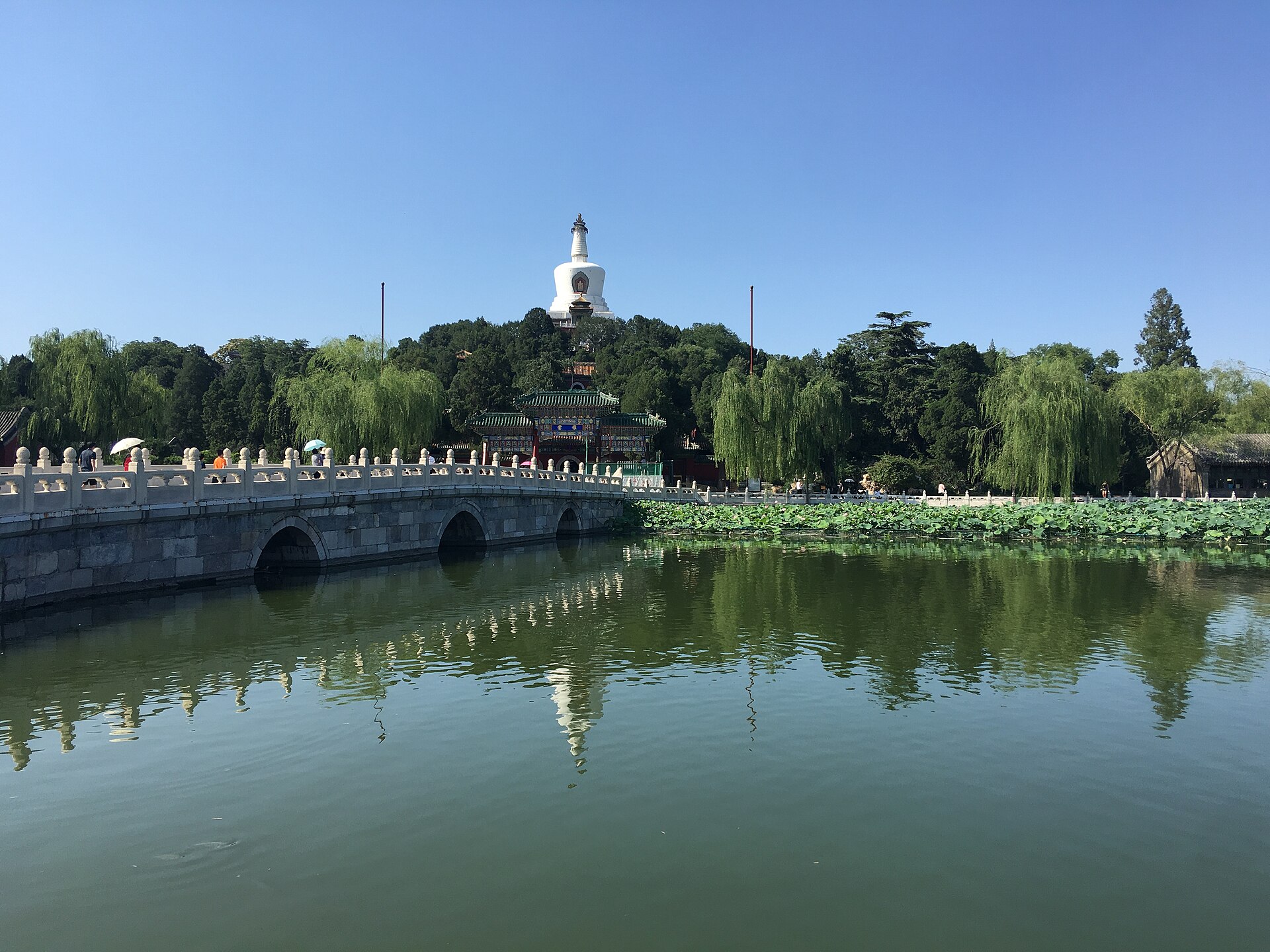
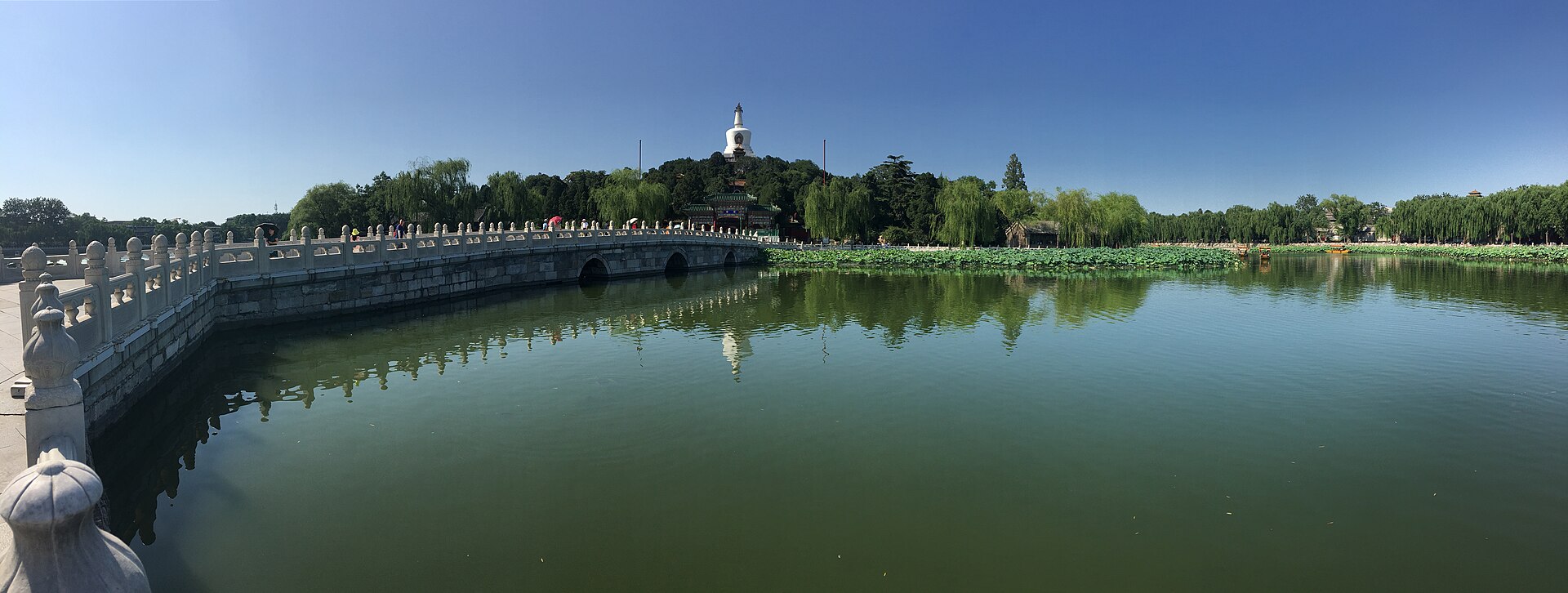
A thousand-year-old imperial garden around a lake just northwest of the Forbidden City - the white dagoba on Jade Flower Island is one of Beijing's most beloved landmarks.
Beihai (North Sea) Park is one of the oldest and best-preserved ancient imperial gardens in China, with a history spanning more than a thousand years. The lake was first developed during the Liao dynasty (10th century), expanded by the Jin who built the artificial Jade Flower Island, and reached its current form under the Qing emperor Qianlong.
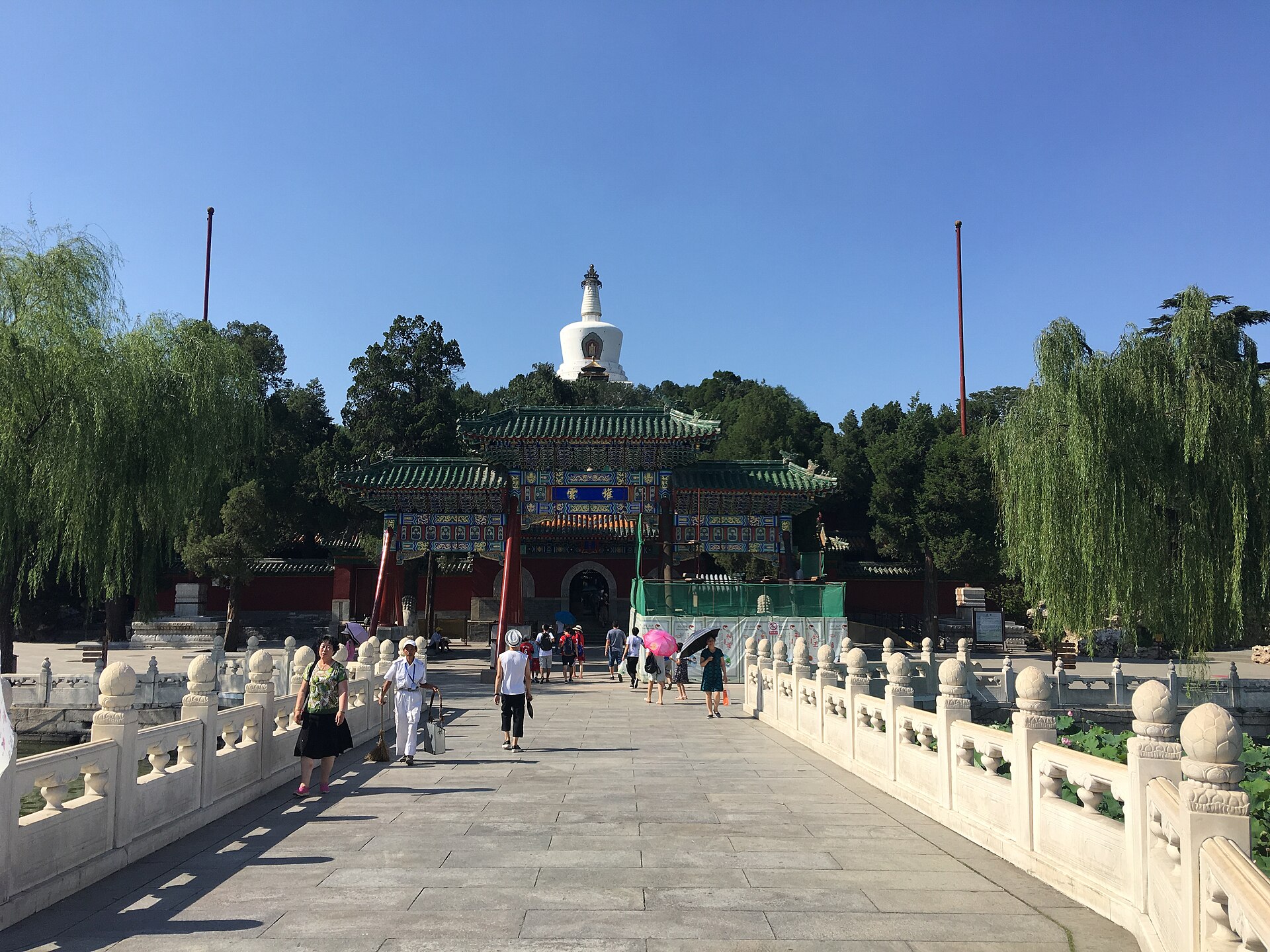
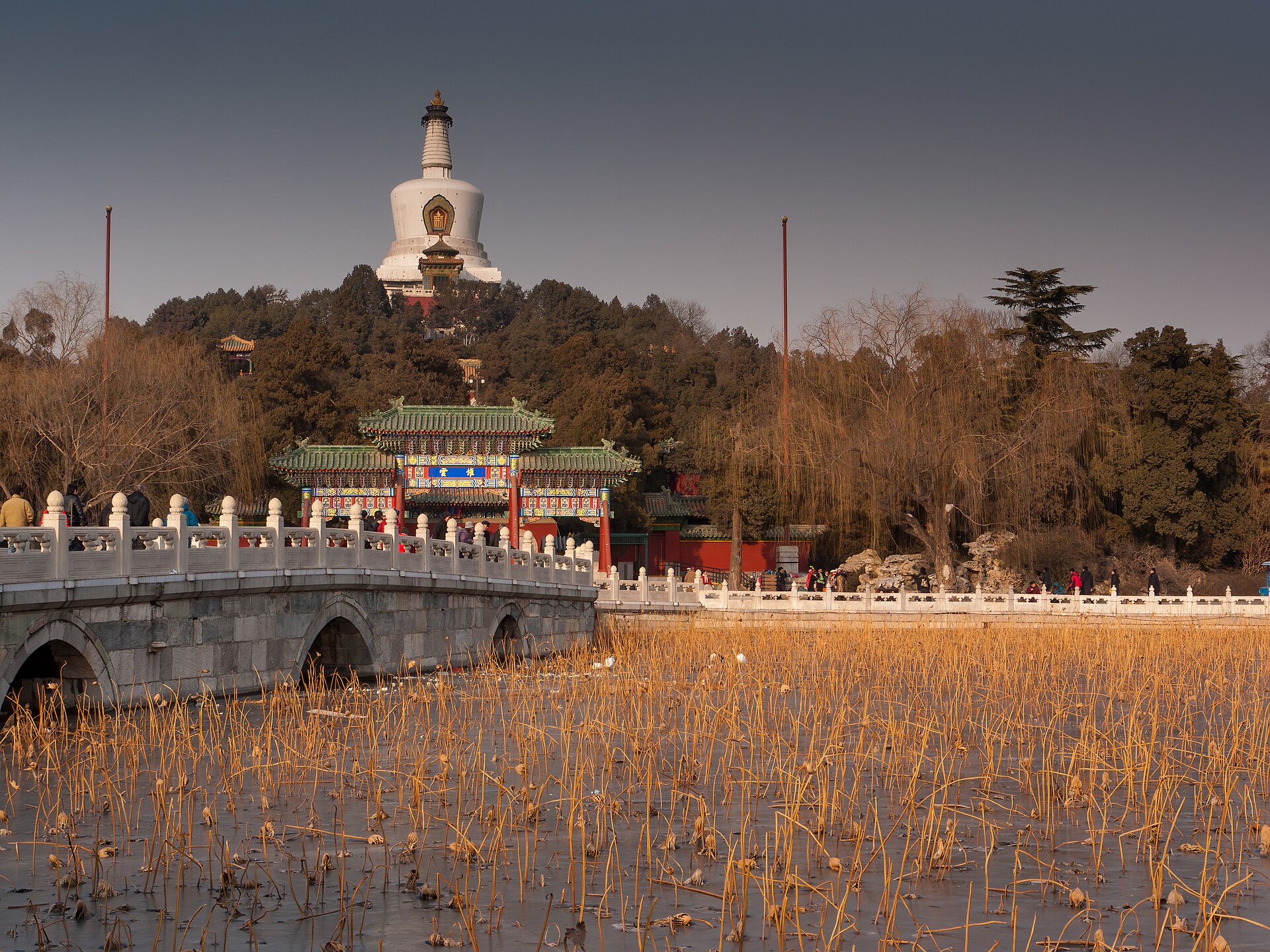
The park's emblem is the White Dagoba (Baita), a 36-metre Tibetan-style stupa built in 1651 on the summit of Jade Flower Island to honour the visit of the Fifth Dalai Lama. The island itself is a garden-within-a-garden of halls, pavilions and pierced-rock grottoes connected to the shore by the Zhishan Bridge.
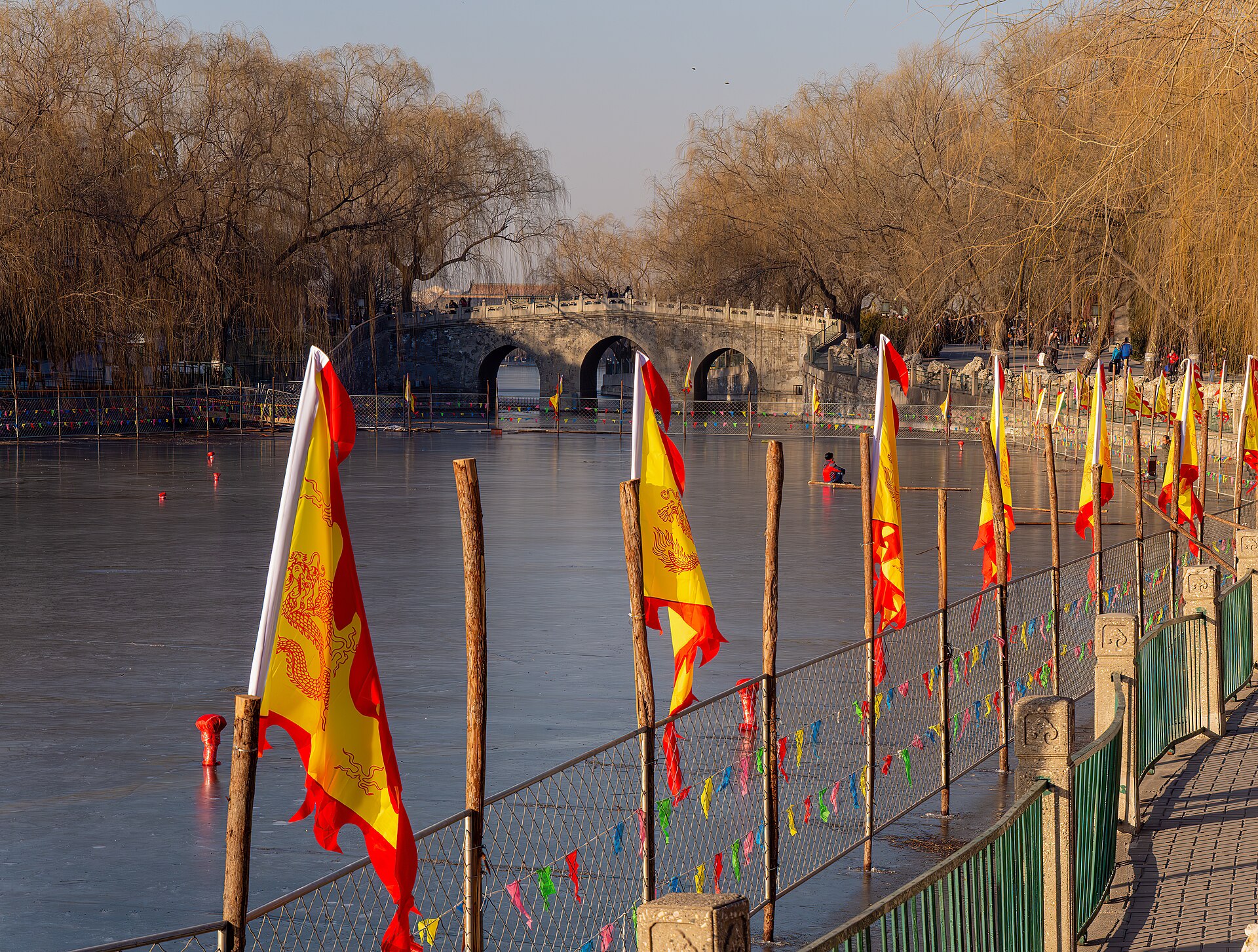
For Beijingers, Beihai is daily life: retirees singing beneath the willows, families paddling dragon boats in summer, skaters on the ice in winter. The promenade passes the Nine-Dragon Wall, the Fangshan Restaurant (former imperial kitchen), and the western shore's Xiaoxitian Temple.
Highlights
The White Dagoba
The 36-metre Tibetan stupa on Jade Flower Island - climb to its terrace for panoramic views.
Nine-Dragon Wall
A 25.5-metre glazed-tile screen with nine writhing dragons - one of only three in China.
Jade Flower Island
An artificial island of halls, grottoes and ancient cypresses at the lake's heart.
Round-the-Lake Promenade
A 3-kilometre waterfront walk beneath willows.
Fangshan Restaurant
Serving Qing-court cuisine since 1925 in a former imperial pavilion.
Xiaoxitian Temple
Qianlong's grand square hall, the largest of its kind in China.
Photo Gallery
Comments