 Travel in China
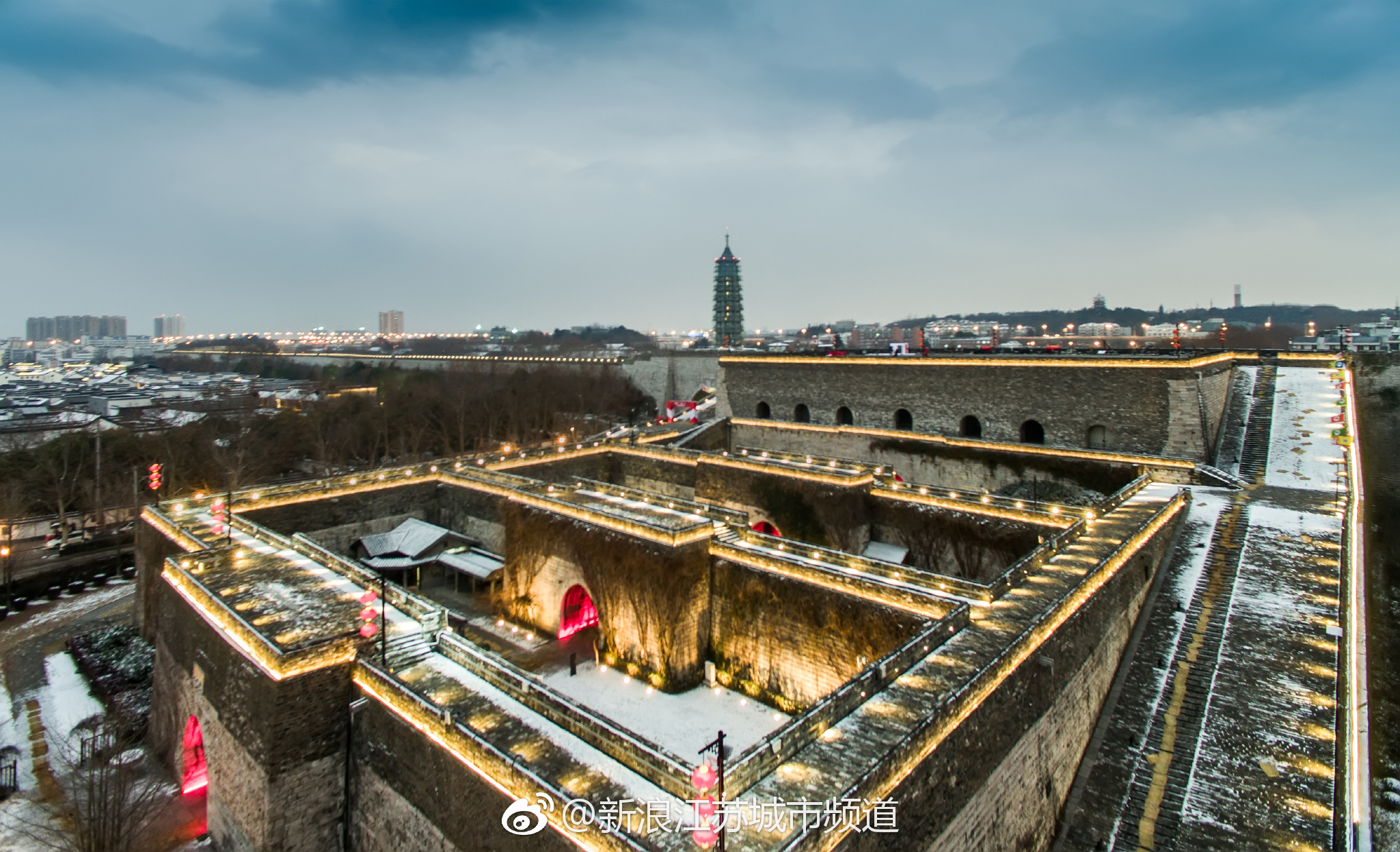
Zhonghua Gate — the largest and best-preserved castle-style barbican gate on any Chinese city wall: a 650-year-old Ming fortress of three interlocking barbicans, 27 soldier-hiding vaults and horse ramps that once trapped armies 'like turtles in a jar'.
Dive deeper: full travel guide · transport & map · where to stay & book
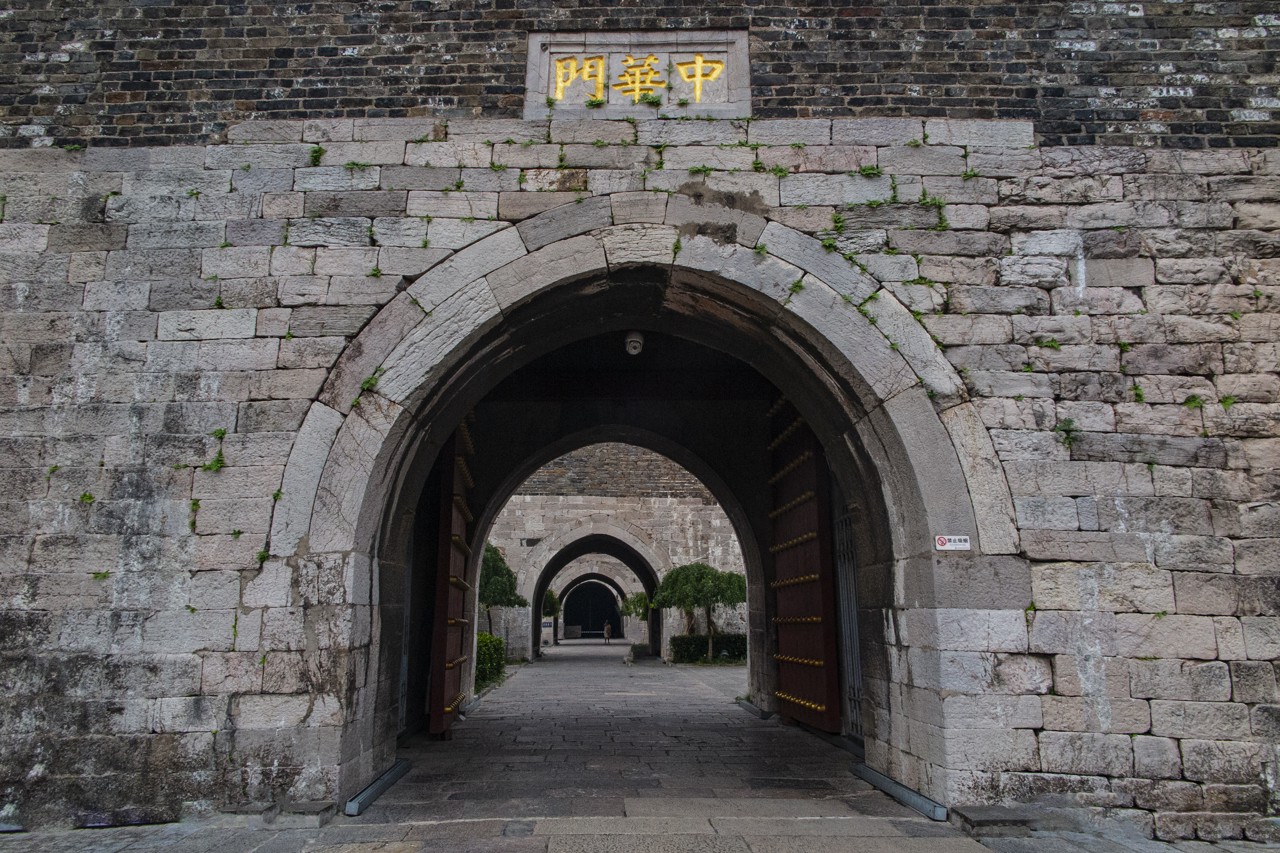
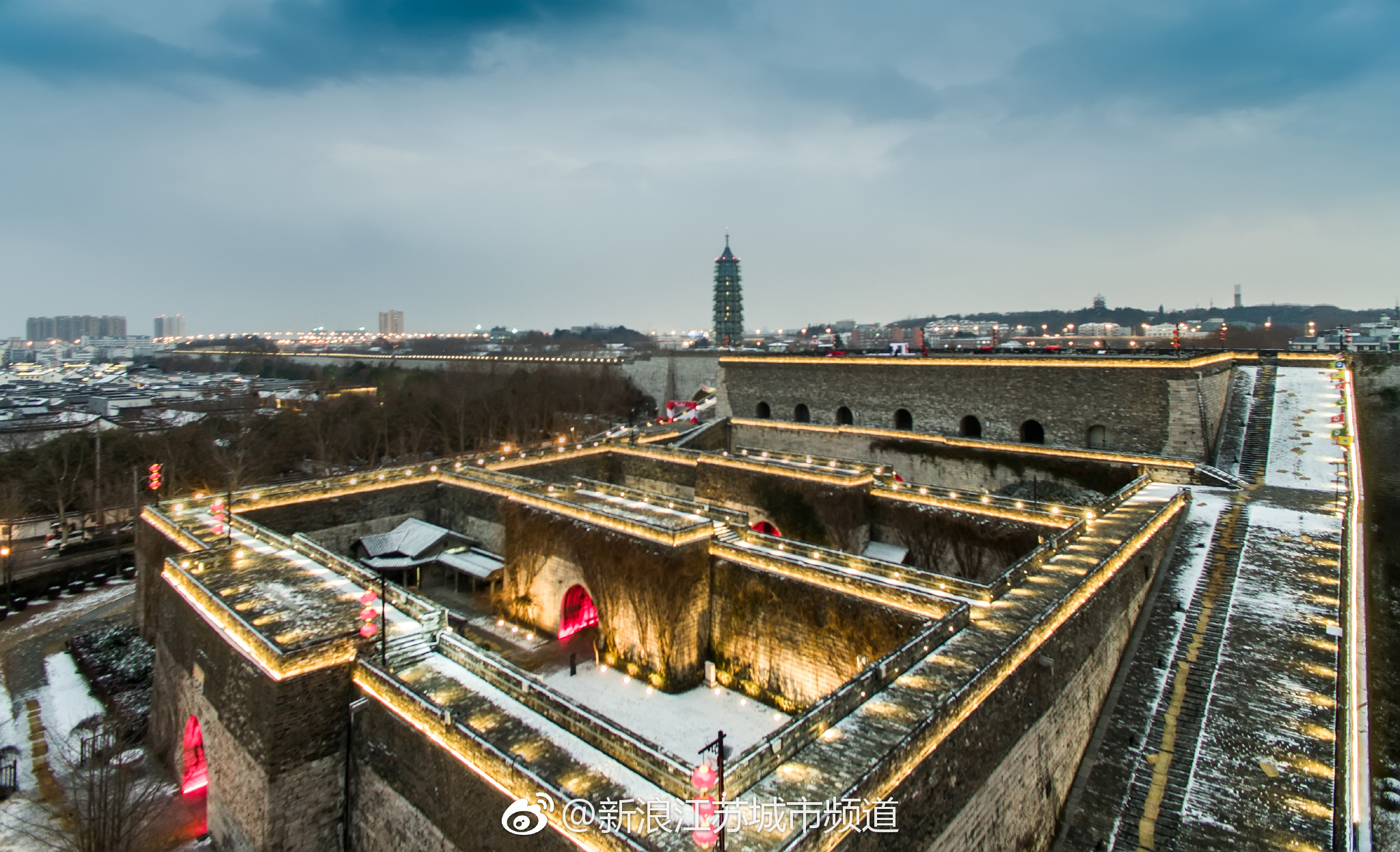
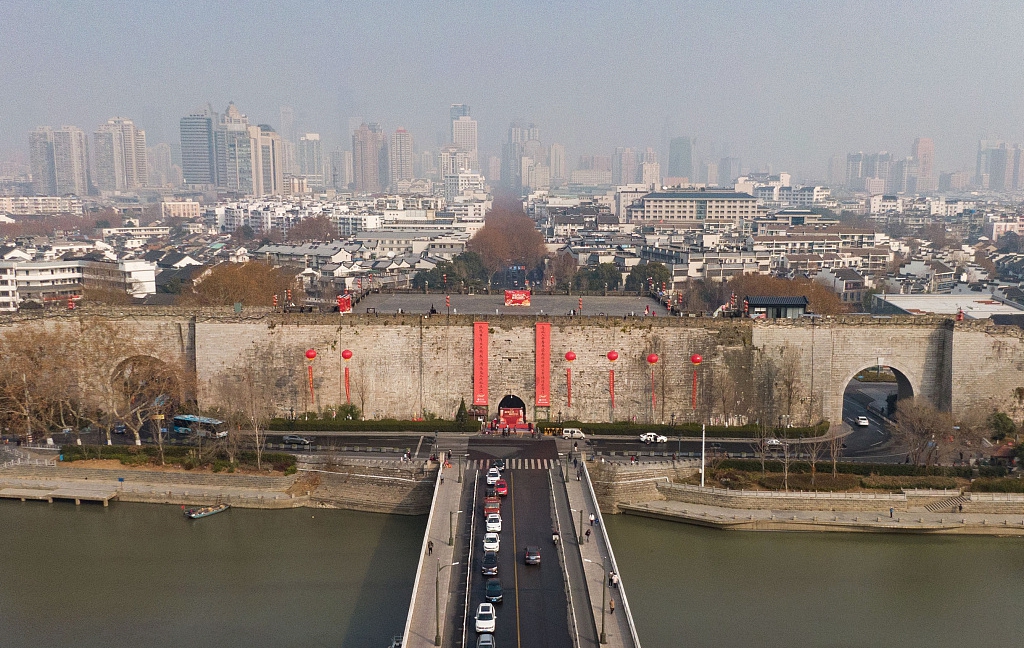
Zhonghua Gate — called Jubao (Treasure) Gate until 1931 — is the best-preserved and largest surviving castle-style barbican (wengcheng) gate of any Chinese city wall, completed in the Hongwu era (1369–1375) as the south gate of the Ming capital. Its three interlocking barbicans form a 目-shaped trap: an enemy breaching the outer gate found itself in a stone killing-box, sealed by portcullis winches — the 'thousand-jin gates' — and fired on from all sides, the literal origin of the Chinese idiom for 'catching a turtle in a jar'. The structure runs 128 metres deep and 118 metres wide, rising 21.45 metres above the moat.
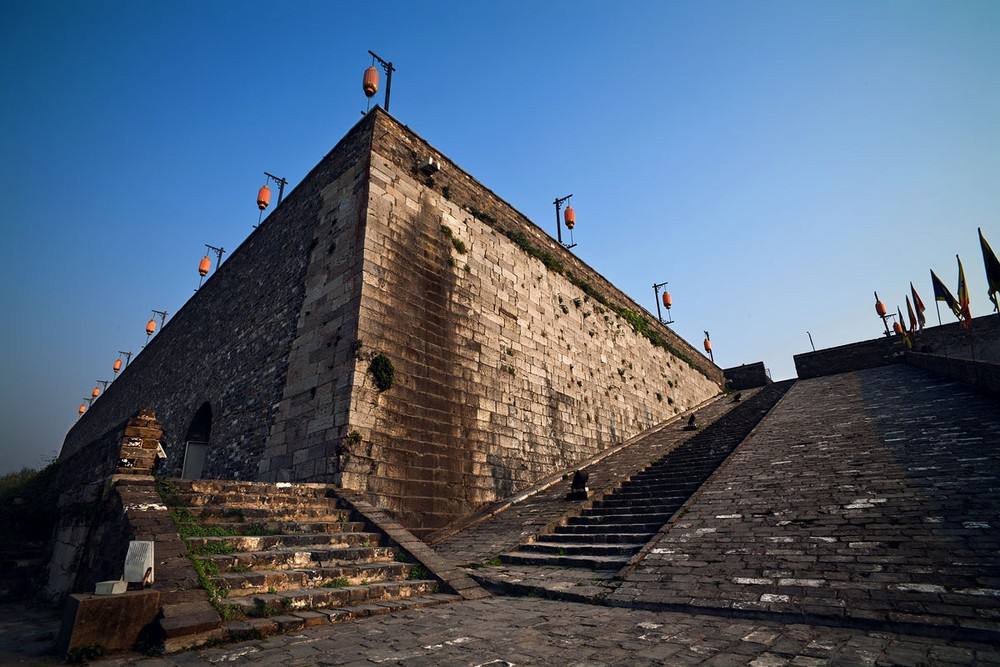
The gate is a marvel of Ming logistics and quality control. Its bricks came from 125 counties across five provinces, each stamped with the maker's name — a traceability regime that has let historians trace individual bricks to their county of origin. Twenty-seven soldier-hiding vaults (cangbingdong), some up to 40 metres deep, could shelter 3,000 men with grain and weapons; two 86-metre stone rampways (madao), eleven metres wide, let carts and cavalry gallop straight to the parapet. The gate saw fierce fighting in the 1937 Battle of Nanjing and lost its Qing-era tower to Japanese shellfire — the wall still carries the scars.
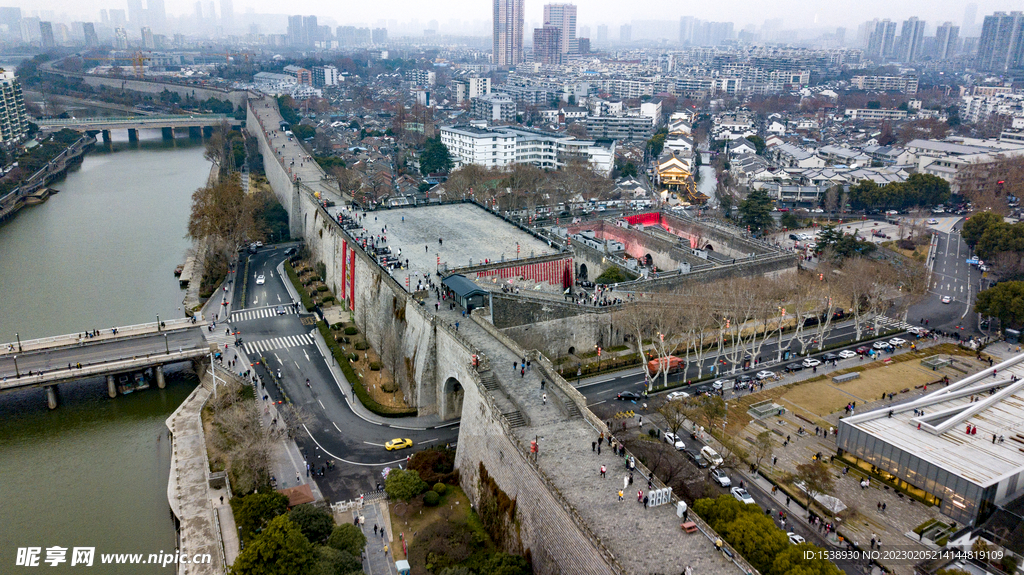
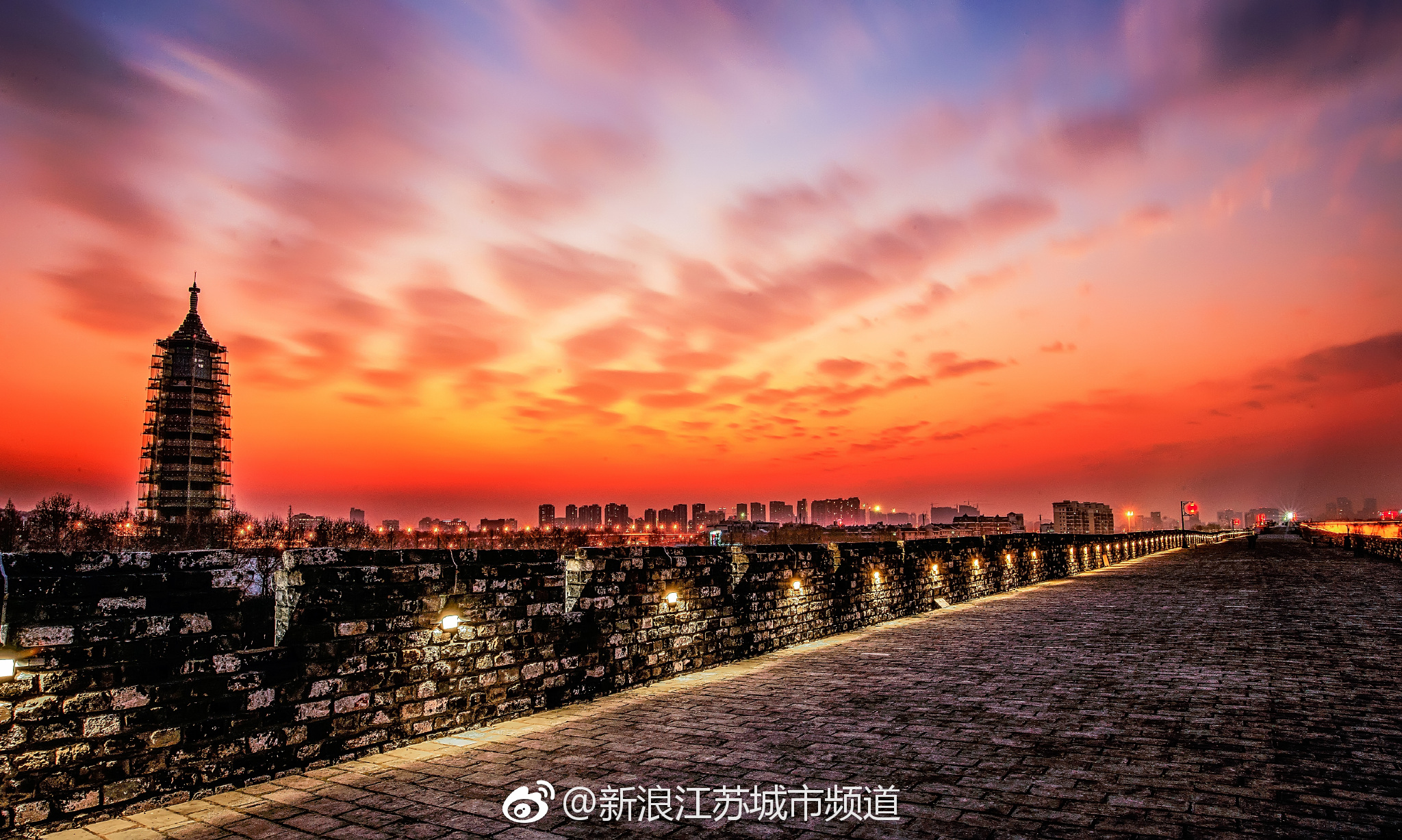
Today the parapet offers the classic view over Qinhuai old town's grey-tiled roofs and Laomendong to the north, and the Porcelain Tower site to the south, with the Ming wall stretching in both directions. Day entry costs CNY 50, and the nightly light-projection show Heartprint Zhonghua Gate maps immersive laser art onto the ancient masonry (night tickets CNY 90 with the performance, two sessions at 18:30 and 19:30). The free Nanjing City Wall Museum stands 300 metres east, and the 90-minute loop — gate, museum, Laomendong, Porcelain Tower — has become the standard old-south-city itinerary, all within a kilometre.
Highlights
Three Interlocking Barbicans
Walk all four gate passages of the 目-shaped fortress and see the portcullis slots and gate-position relics of the 'thousand-jin' counterweights that trapped attackers between kills.
27 Soldier-Hiding Vaults
The cangbingdong casemates — up to 40 metres deep — once hid 3,000 soldiers; several now host exhibits on the wall's construction and the brick-stamp accountability system.
Qing-Brick Inscriptions
Examine individual bricks stamped with the names of their makers and officials — a Ming quality-control regime that has let historians trace each brick to its county of origin.
Horse Rampways (Madao)
Two 86-metre, 11-metre-wide stone ramps on the east and west let carts and cavalry reach the parapet directly; climb one for the classic photo over the barbican roofs.
Wall-Top City Views
From the parapet, look north over Qinhuai old town's grey-tiled roofs and Laomendong, south to the Porcelain Tower and Yuhuatai — with the Ming wall stretching both directions.
Heartprint Zhonghua Gate Night Show
An immersive light-and-laser projection mapped onto the ancient masonry (two nightly shows, 18:30/19:30); night tickets CNY 90 include the performance.
Photo Gallery
Comments