 Travel in China
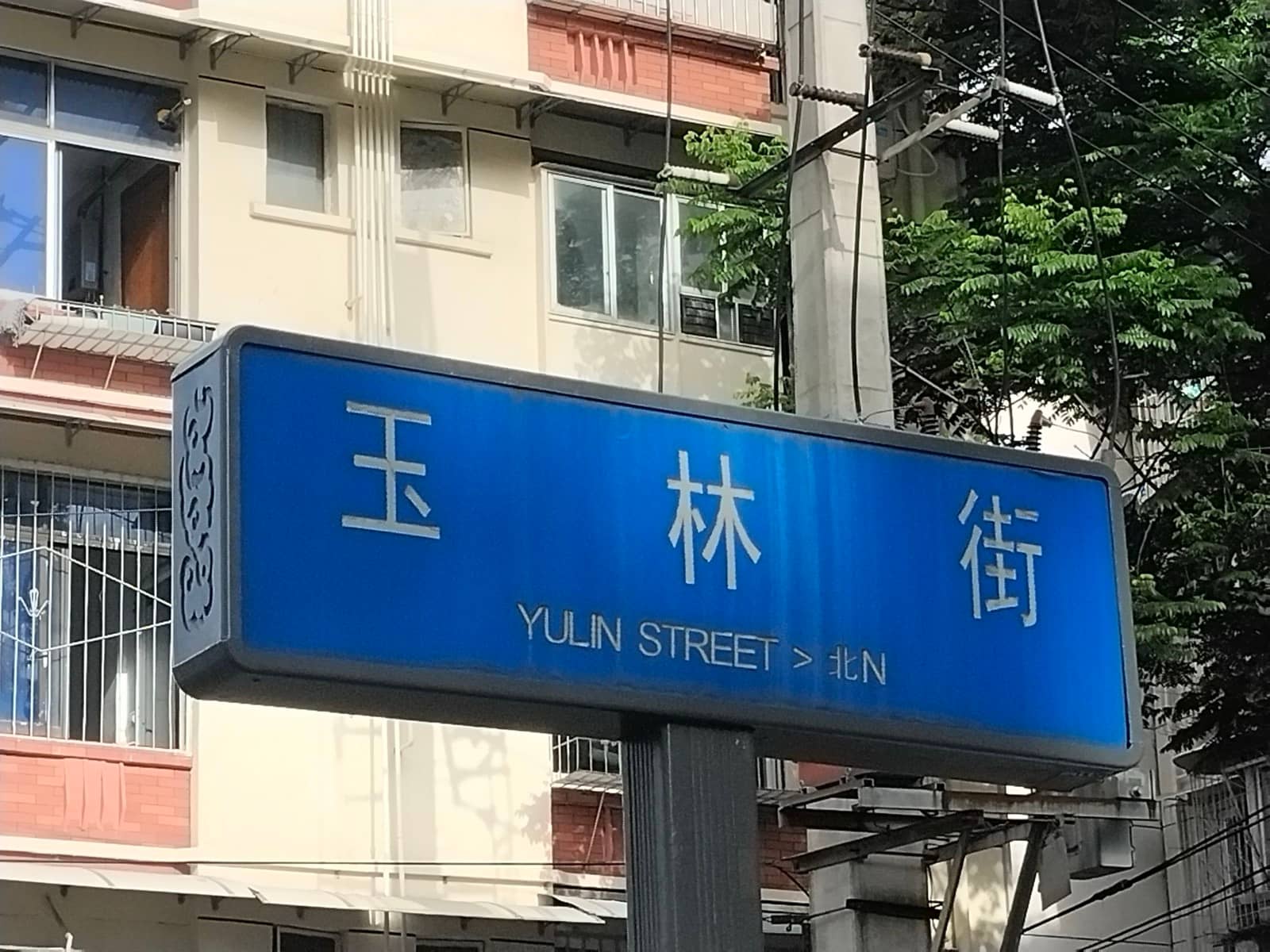
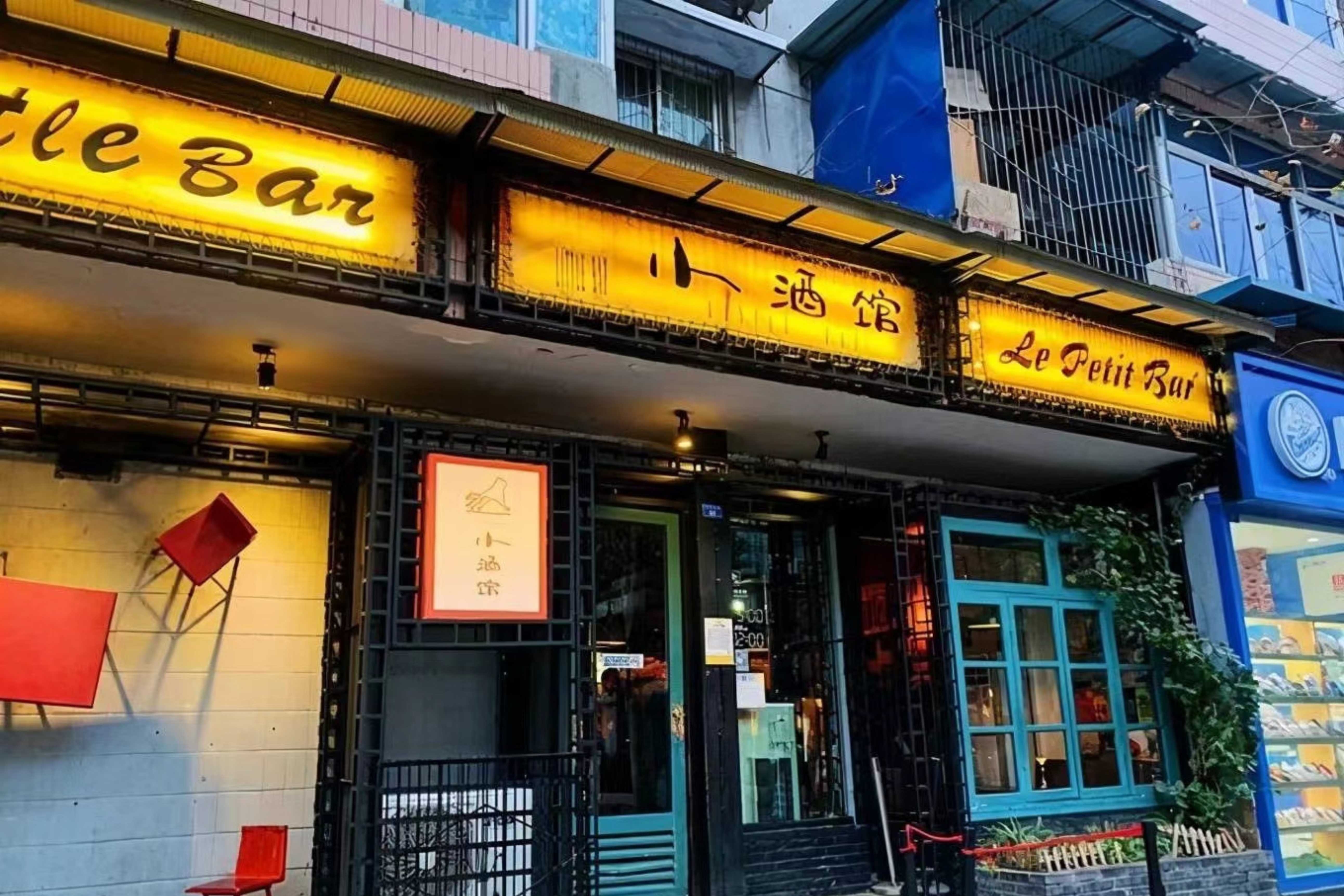
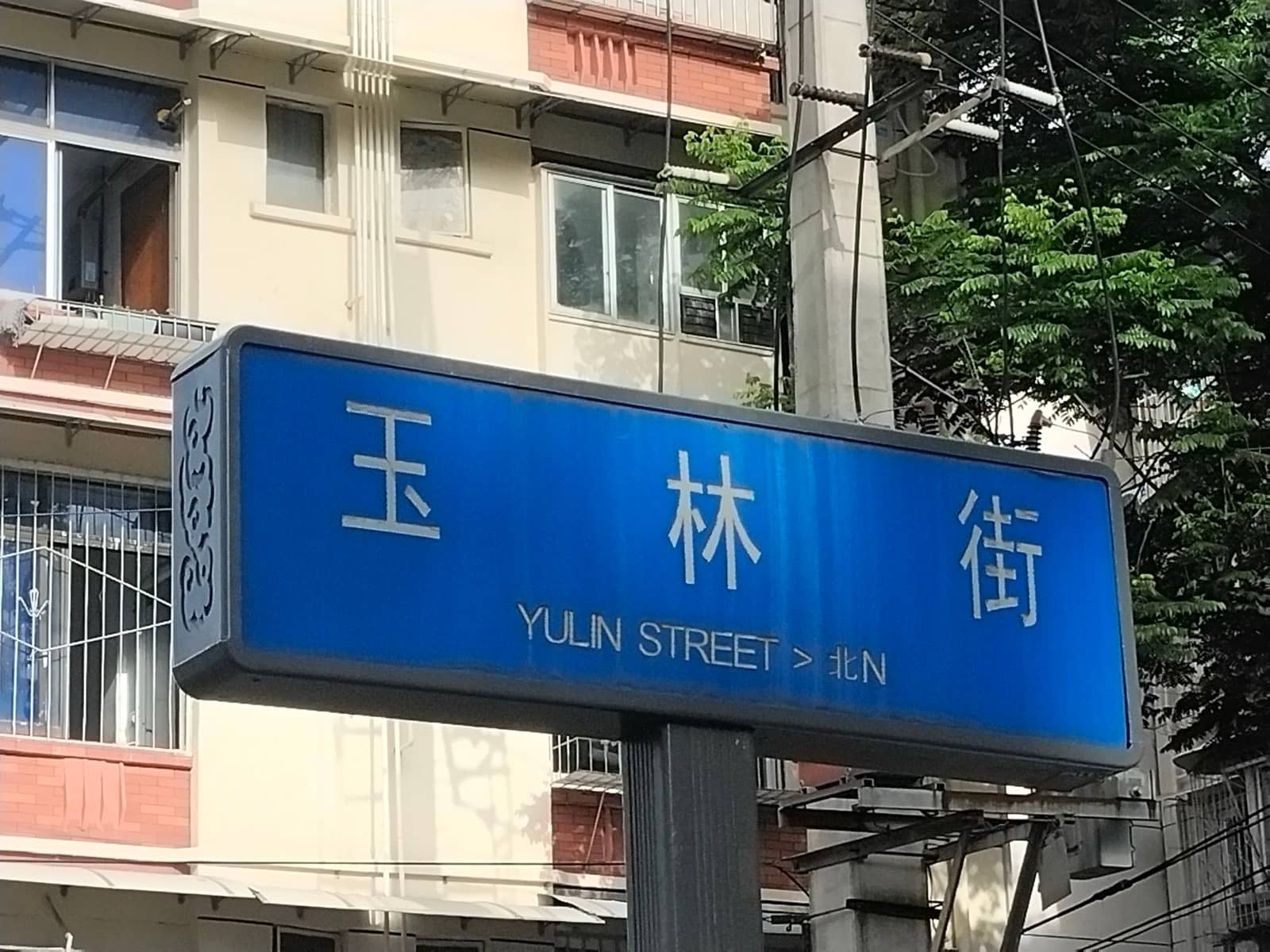
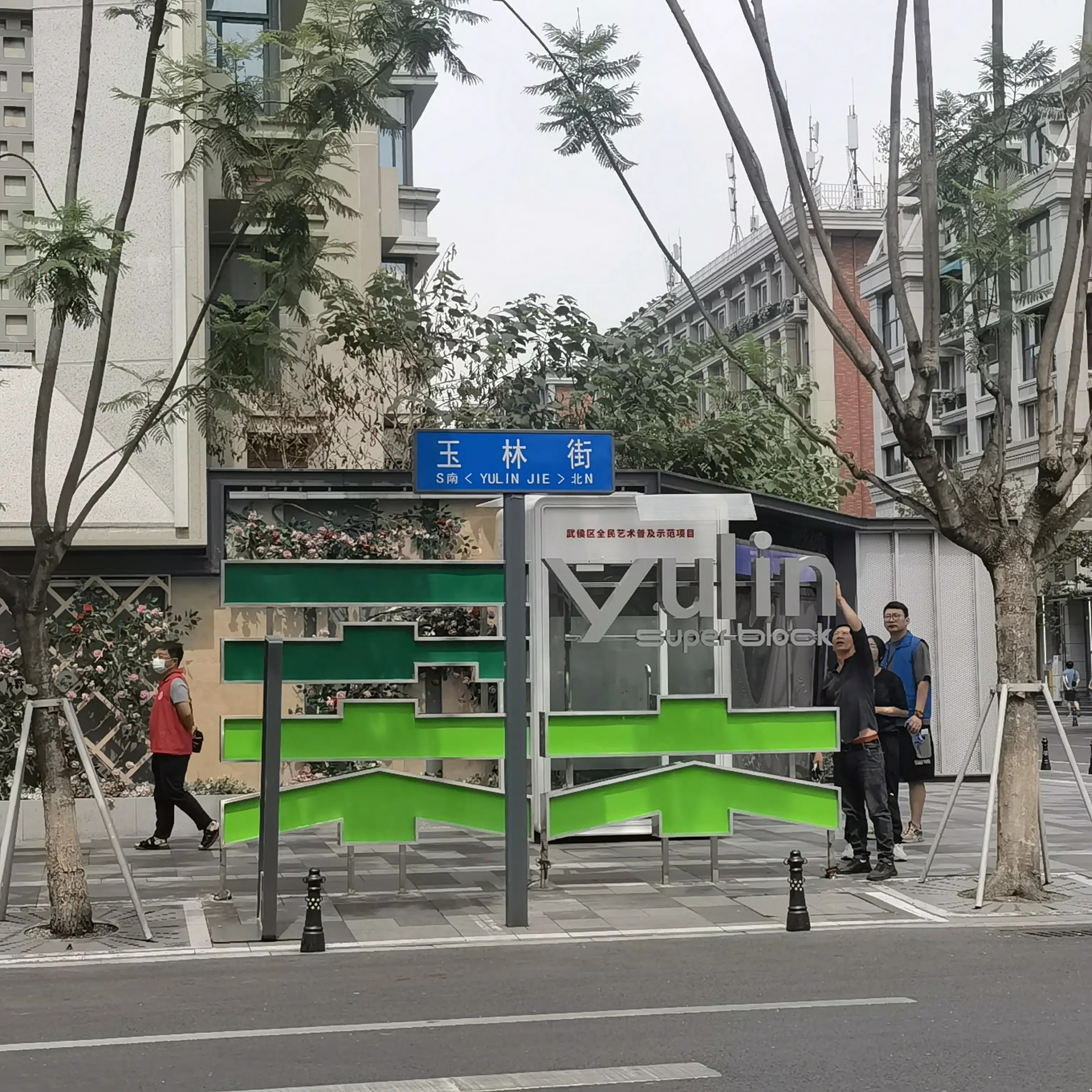
Yulin is the three-square-kilometre old neighbourhood that Zhao Lei's 2016 folk hit made famous — the Little Bar, opened in 1997, still pours at 55 Yulin West Road and anchors Chengdu's indie-music legend. Bamboo-shaded lanes mix teahouses, mahjong tables and salted-duck windows with indie bookshops, guitar cafés and the city's densest coffee strip — Chengdu's most authentic stroll, free, day or night.
Dive deeper: full travel guide · transport & map · where to stay & book
Yulin's story as a landmark begins not with an emperor or a monument, but with a song. For decades it was simply a quiet residential district of south-central Chengdu, laid out in the 1980s and 1990s as ordinary lanes and low-rise blocks, best known locally for its teahouses and late-night snack stalls. Its cultural turning point came in 1997, when the Little Bar opened at 55 Yulin West Road and became the cradle of Chengdu's indie-music scene, nurturing the musicians who would define the city's sound. Then, in 2016, folk singer Zhao Lei released his hit song naming Yulin's streets, and overnight this three-square-kilometre neighbourhood became one of the most famous corners of Chengdu — a place pilgrims now seek out by name.
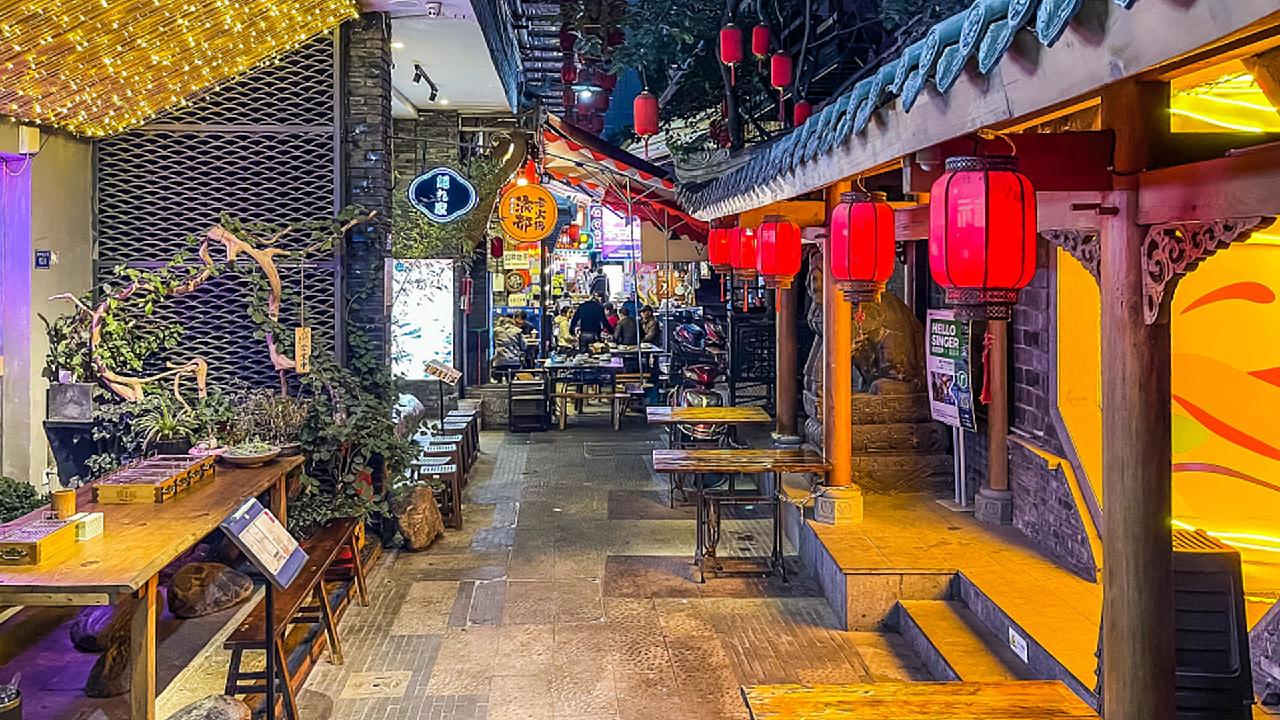
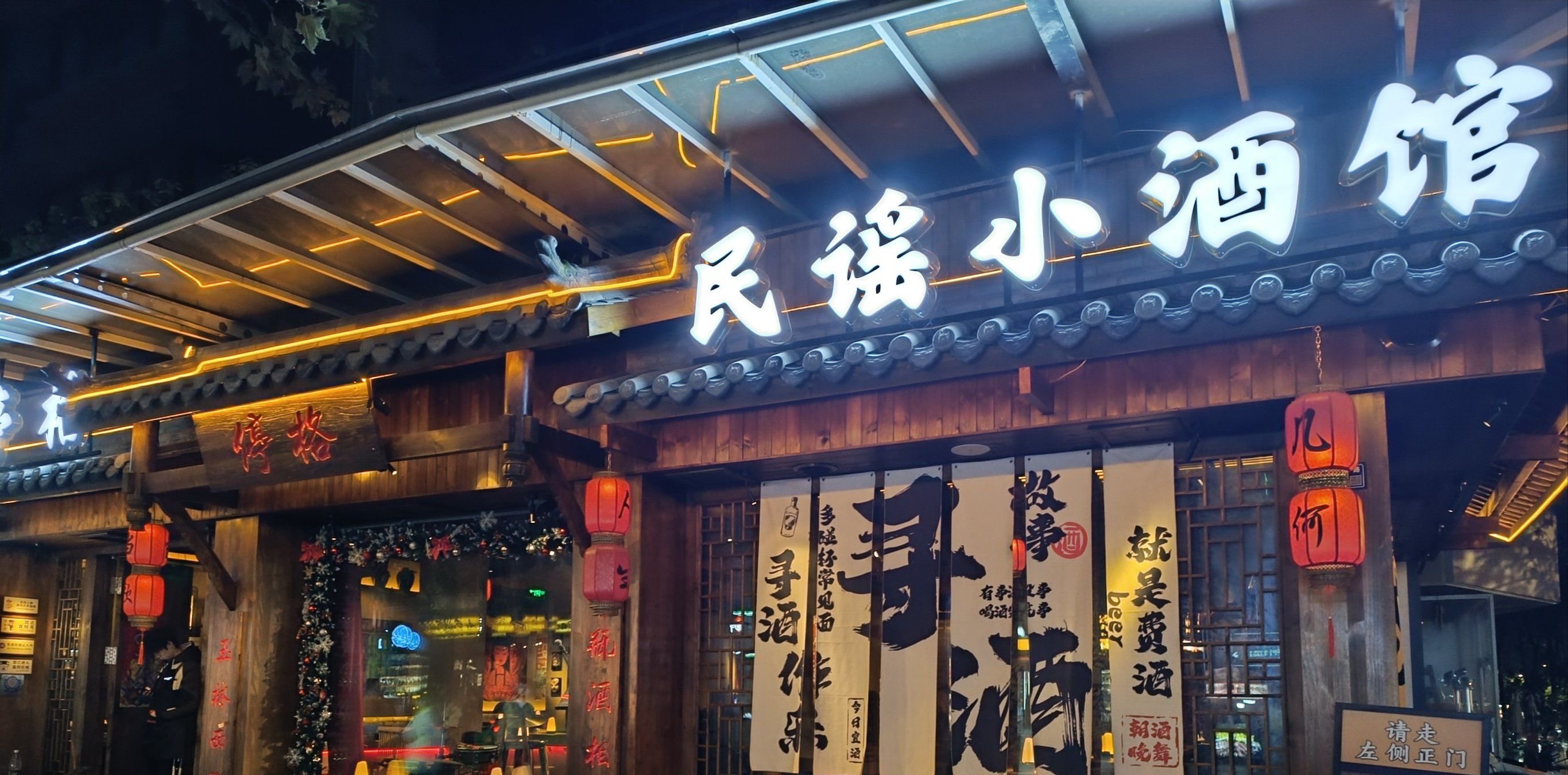
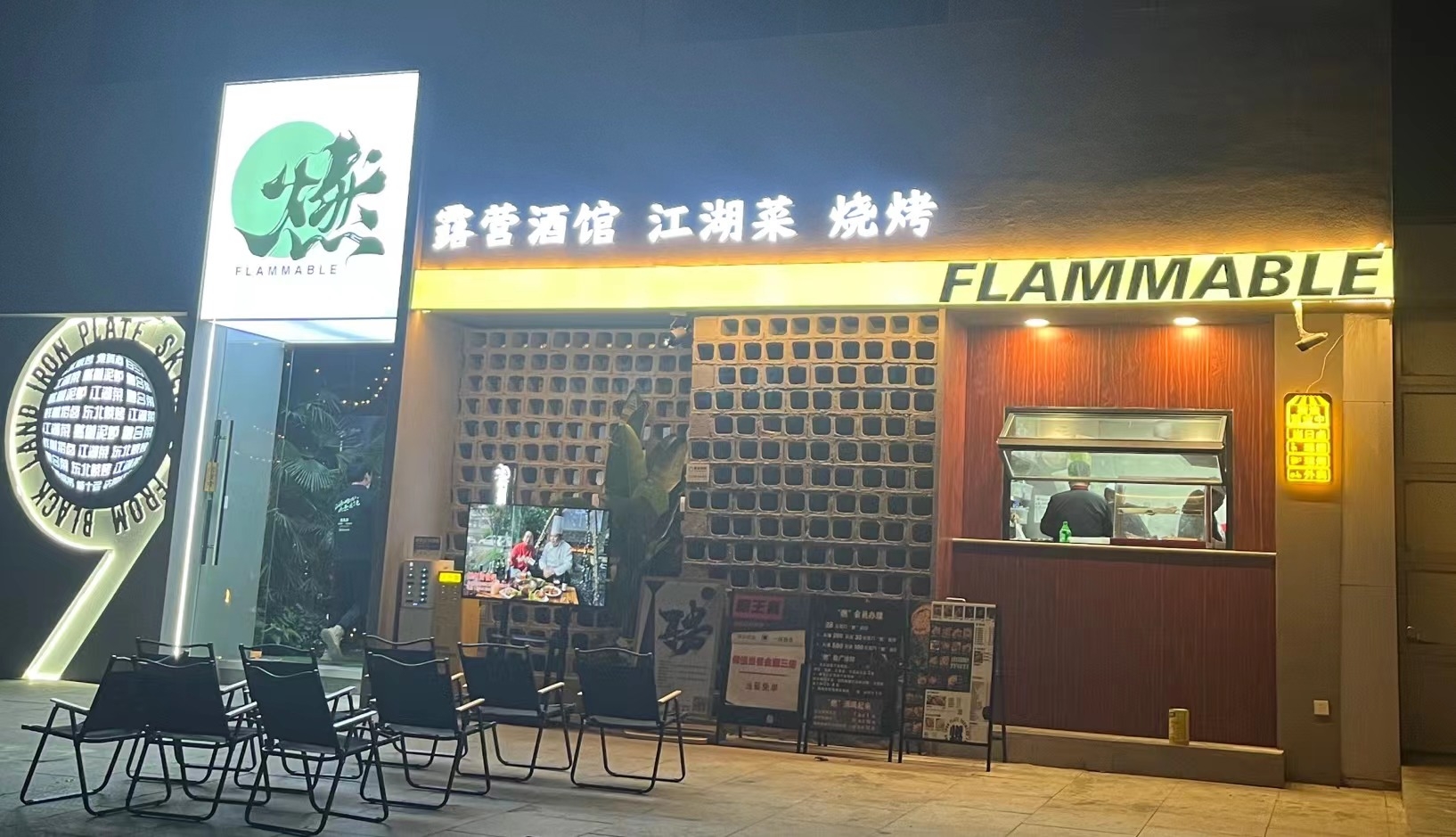
Walking Yulin today is a layered, unhurried pleasure. Bamboo-shaded lanes mix the old and new: traditional teahouses, mahjong tables and salted-duck windows stand alongside indie bookshops, guitar cafés and the city's densest coffee strip, Fanghua Street, where plane trees canopy some twenty one-off roasters in three blocks. The essential stop is the Little Bar itself, its walls covered in autographed photos and decades of fan graffiti; nearby, the junction known as the 'End of Yulin Road' draws fans photographing themselves mid-song, especially in drizzle, as the lyric suggests. By day the pace is gentle and literary; by night the noodle-and-skewer lanes fill with half the city on plastic stools, savouring sweet-water noodles and rabbit heads past midnight.
In 2026, Yulin remains free to stroll, open day or night, and arguably the most authentic walk in Chengdu — living proof that a neighbourhood, not a monument, can be the destination. Little Bar keeps its legendary hours, roughly 15:00 to 02:00, while the sister venue Fangqin Space, reborn in 2024 about a kilometre east, adds exhibitions, film nights and talk shows to the mix. Yard Culture Creative Park hosts bookshops, record stalls and weekend markets. Yulin sits comfortably within the city around it: a short hop from Chengdu's wider arts districts and metro network, it functions as both a locals' backyard and a musical shrine — the rare tourist spot that has never stopped being a genuine neighbourhood.
Highlights
Little Bar, 55 Yulin West Road
The 1997 birthplace of Chengdu indie music; autographed photos and decades of fan graffiti on the walls.
The 'End of Yulin Road' corner
The junction fans photograph singing into, especially in drizzle, as the lyric suggests.
Fangqin Space
The 2024-reborn sister venue: exhibitions, film nights and talk shows by day (1 km east).
Fanghua Street coffee strip
A canopy of plane trees over one-off indie roasters and speakeasy bars — twenty cafés in three blocks.
Yard Culture Creative Park
Community-culture courtyard with bookshops, record stalls and weekend markets.
Night noodle-and-skewer lanes
Midnight sweet-water noodles, rabbit-head windows and half-city crowds on plastic stools.
Photo Gallery
Comments