 Travel in China
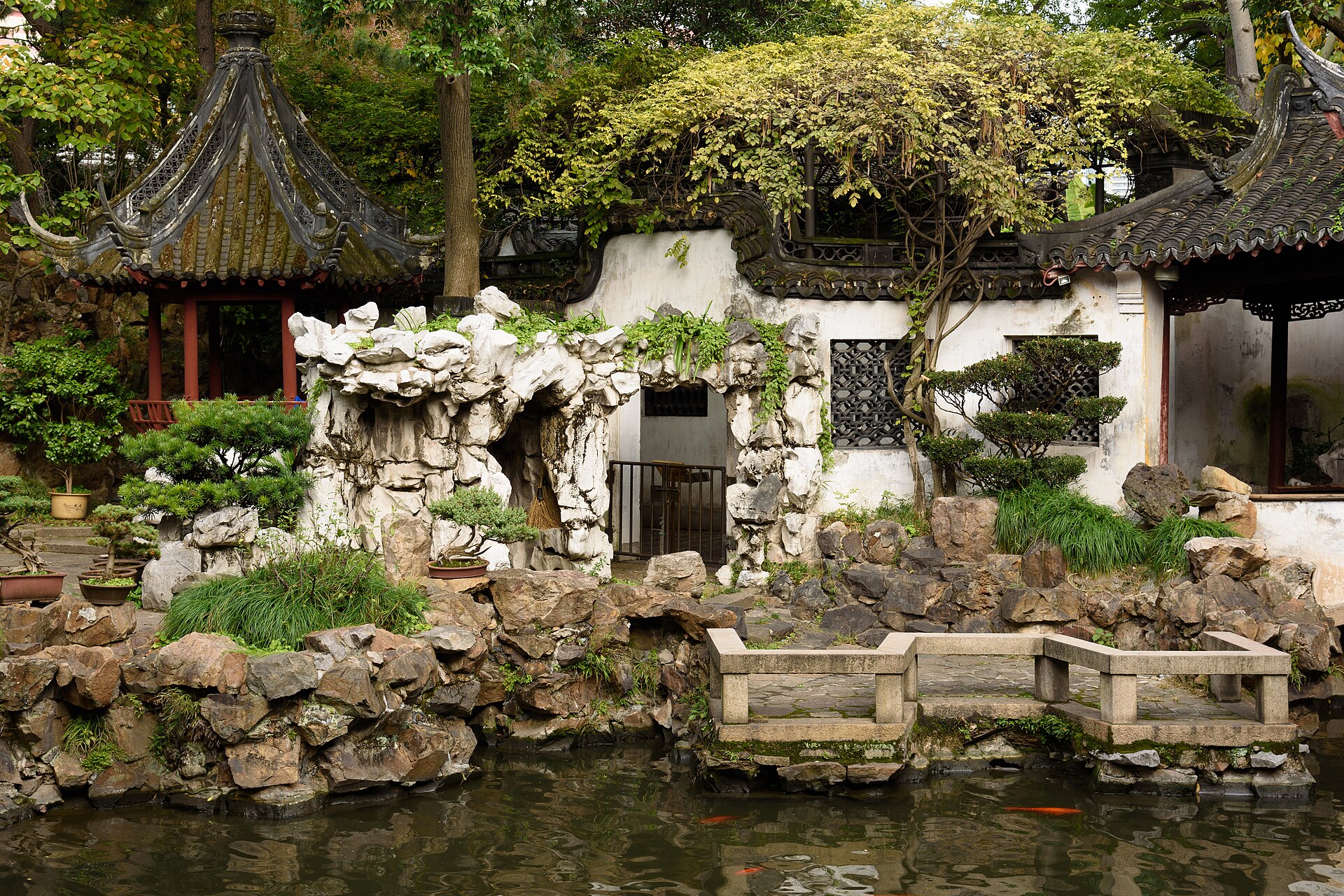
A 400-year-old Ming-dynasty garden of moon gates, dragon walls and rockeries hidden inside Shanghai's old town.
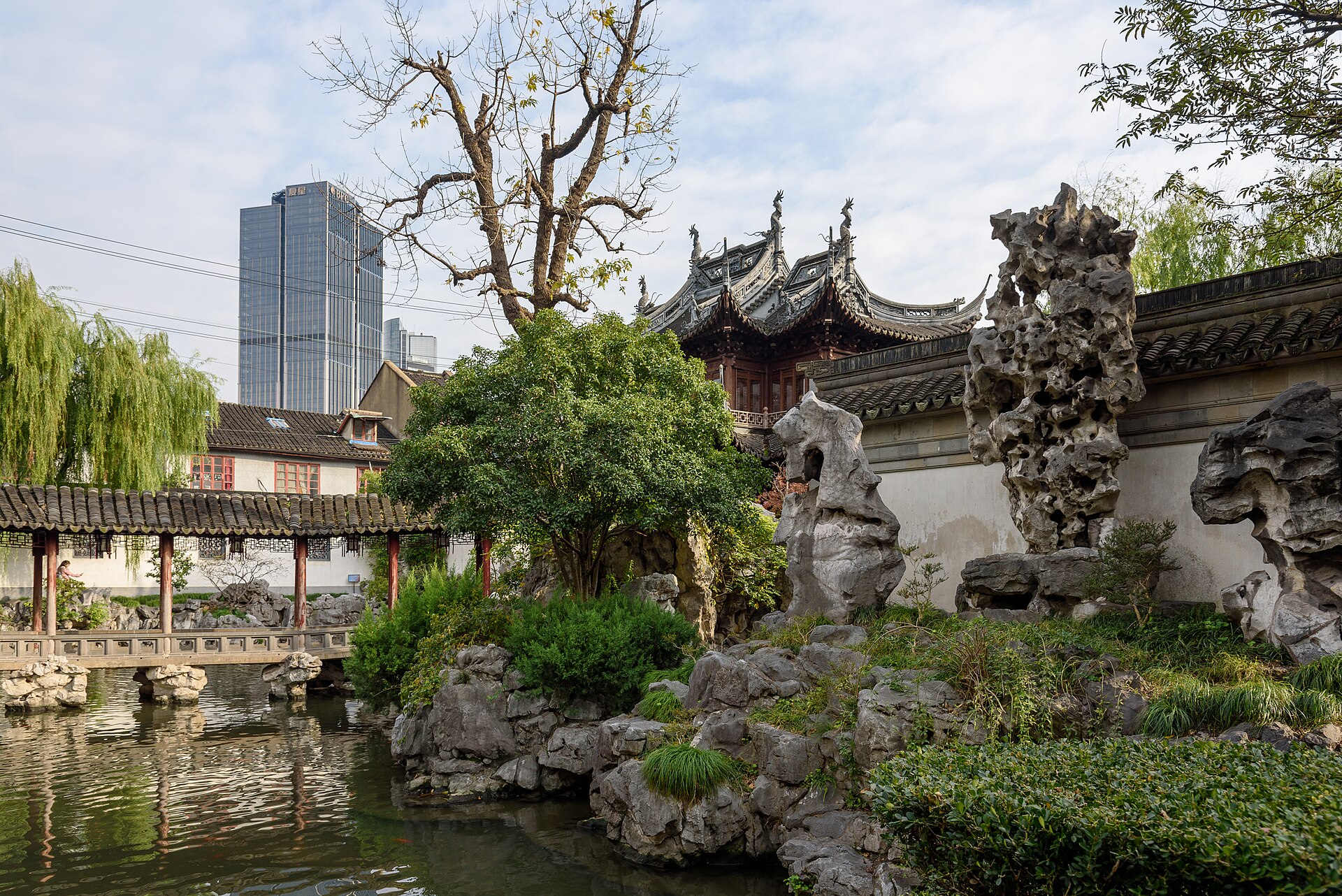
Yu Garden (Yuyuan, Garden of Happiness) was built between 1559 and 1577 by Pan Yunduan, a Ming-dynasty official, as a private retreat for his elderly father. The garden's 2 hectares pack pavilions, ponds, rockeries and corridors into a classical Suzhou-style layout - each viewpoint carefully composed like a Chinese painting.
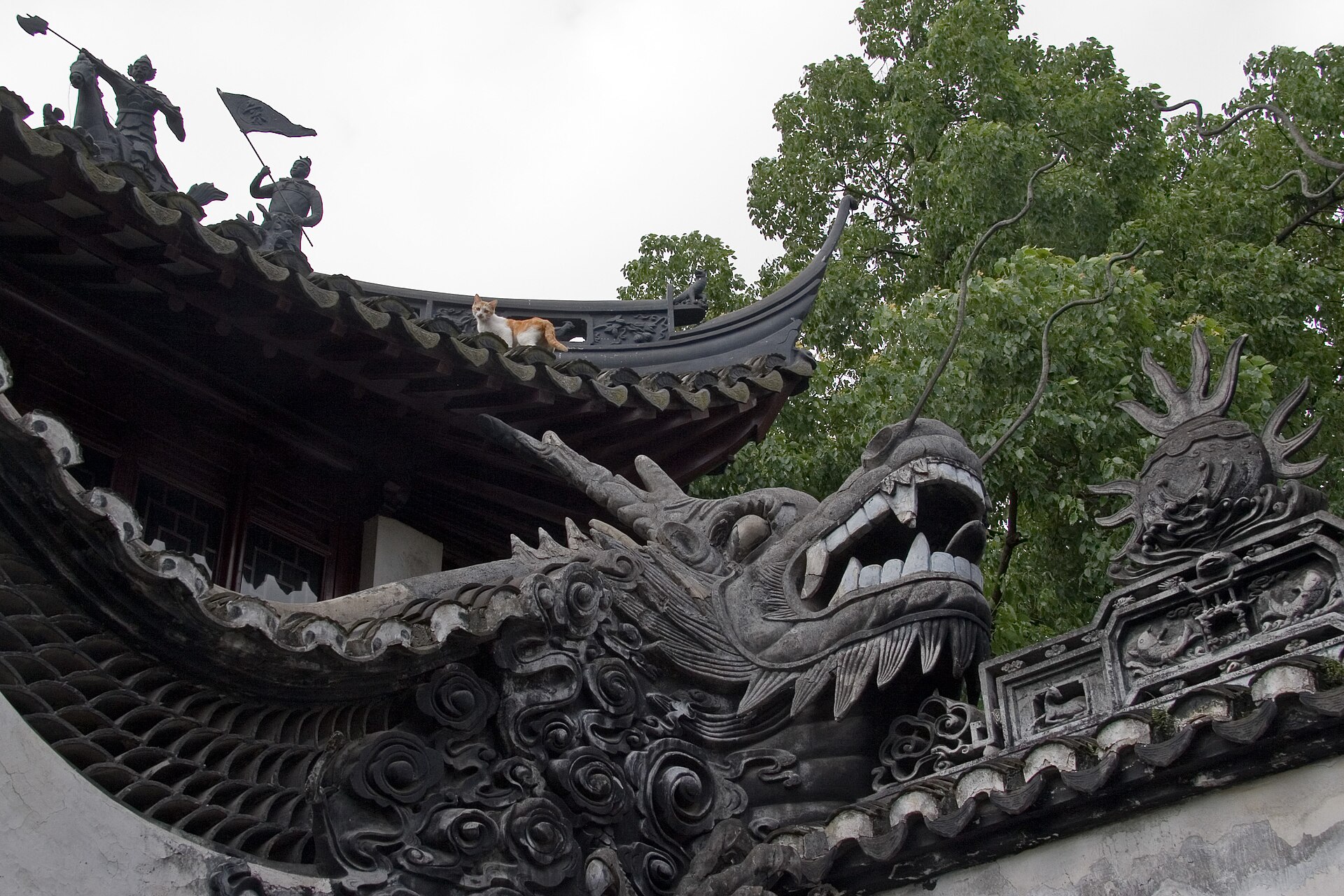
The garden's most famous feature is the Exquisite Jade Rock, a 3.5-metre porous limestone said to be a remnant of the Song emperor Huizong's rock collection. Other highlights include the Grand Rockery (a 14-metre artificial mountain), the dragon walls with their glazed-tile crests, and the Hall of Heralding Spring with its Ming furniture.
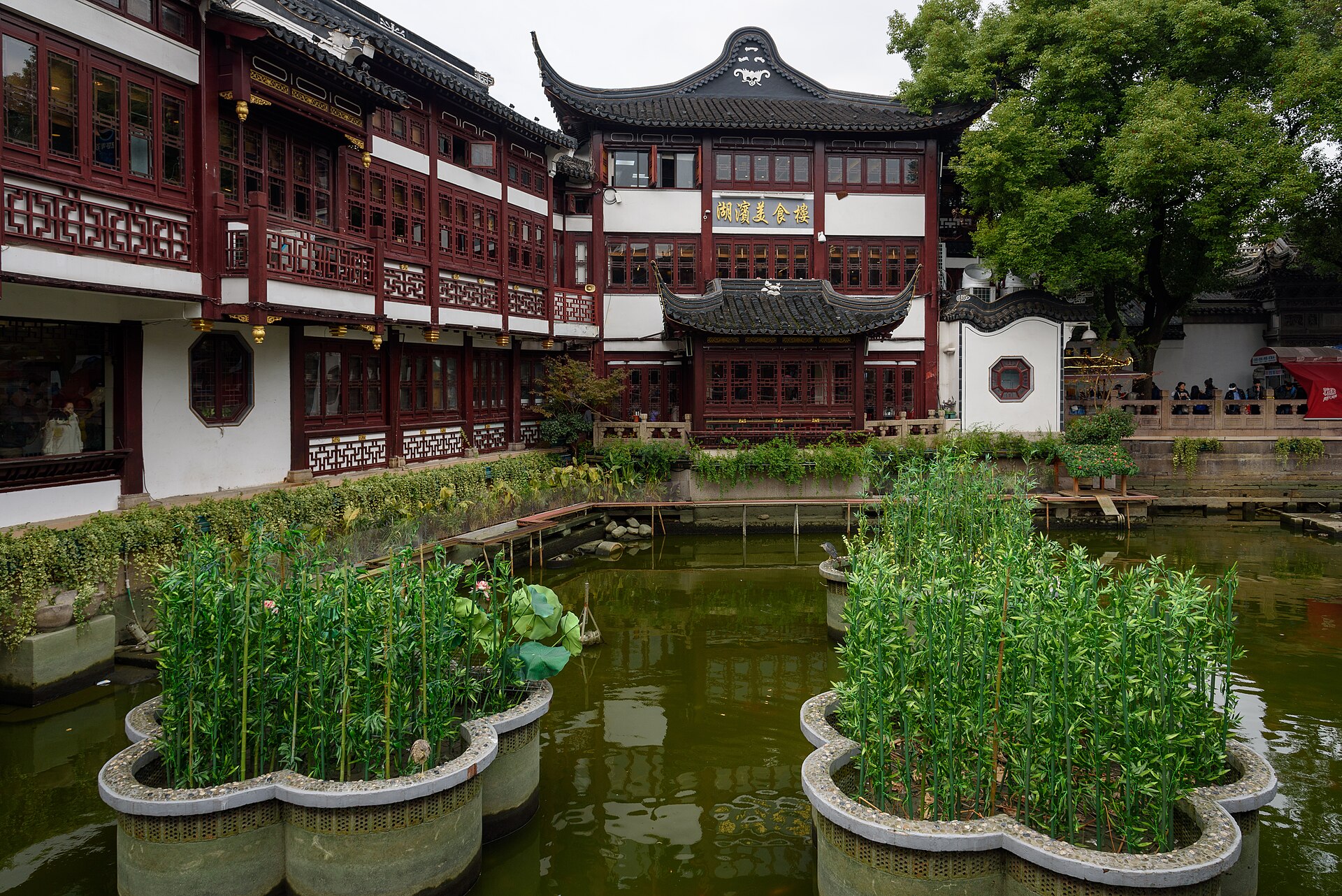
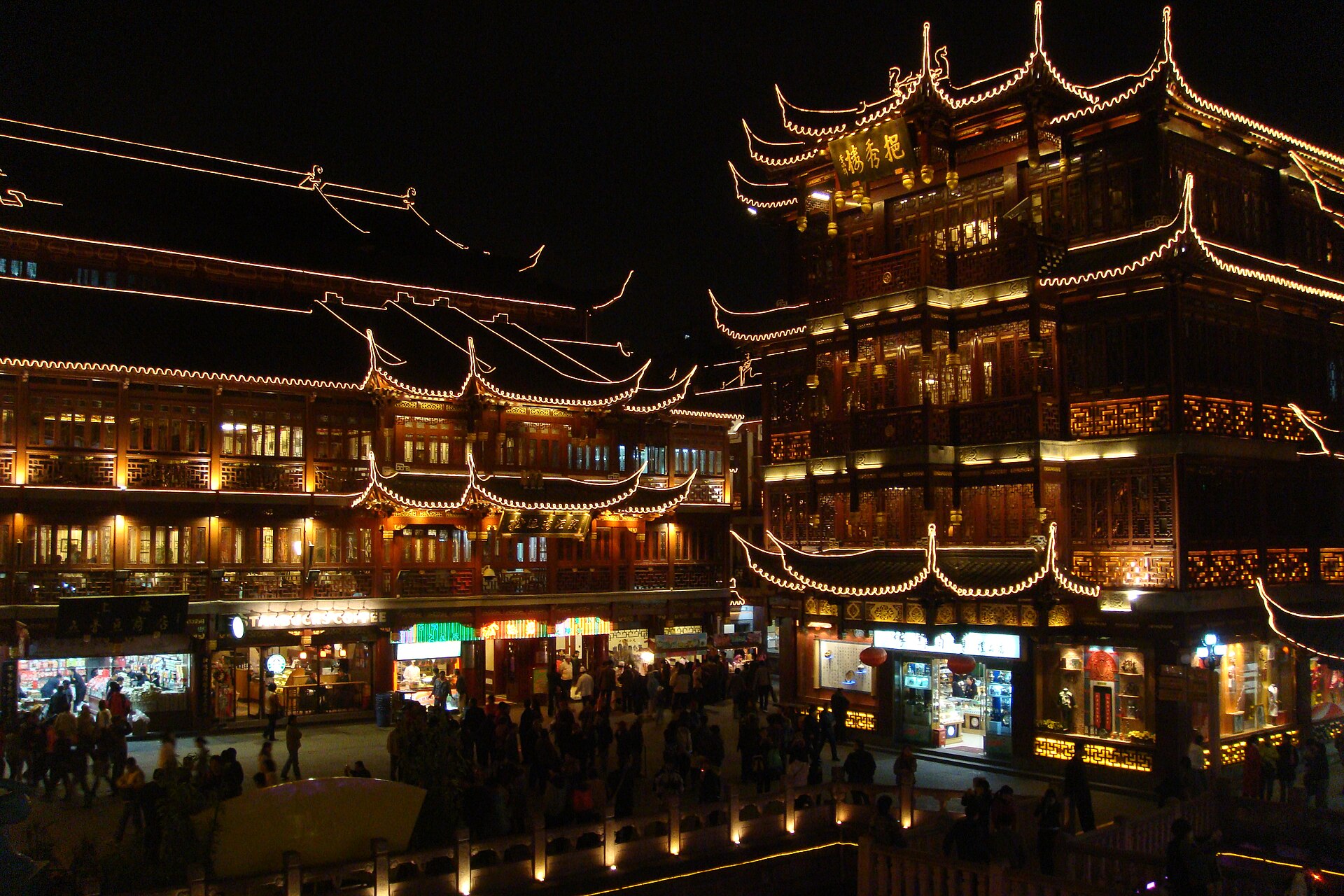
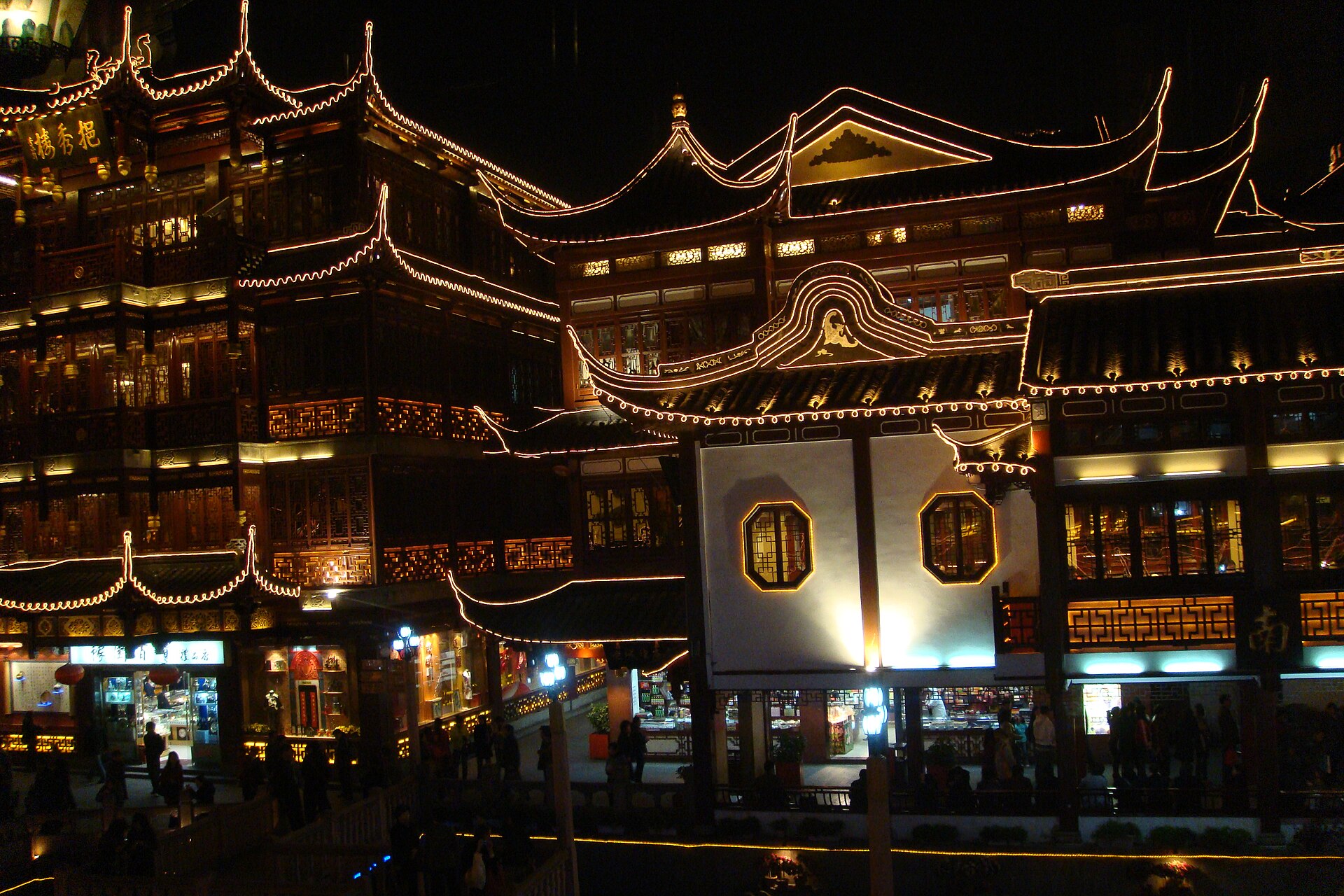
Yu Garden is surrounded by the Yuyuan Bazaar - a recreated old-town market of snack stalls, craft shops and the iconic zigzag Nine-Turn Bridge leading to the Huxinting Teahouse. The bazaar is free, always bustling, and best visited during the lantern festival (Chinese New Year) when thousands of silk lanterns transform the area.
Highlights
The Exquisite Jade Rock
A 3.5-metre porous limestone - one of the most famous garden rocks in China.
The Grand Rockery
A 14-metre artificial mountain with caves and grottoes.
Dragon Walls
Glazed-tile dragon crests winding along the garden's walls.
Nine-Turn Bridge
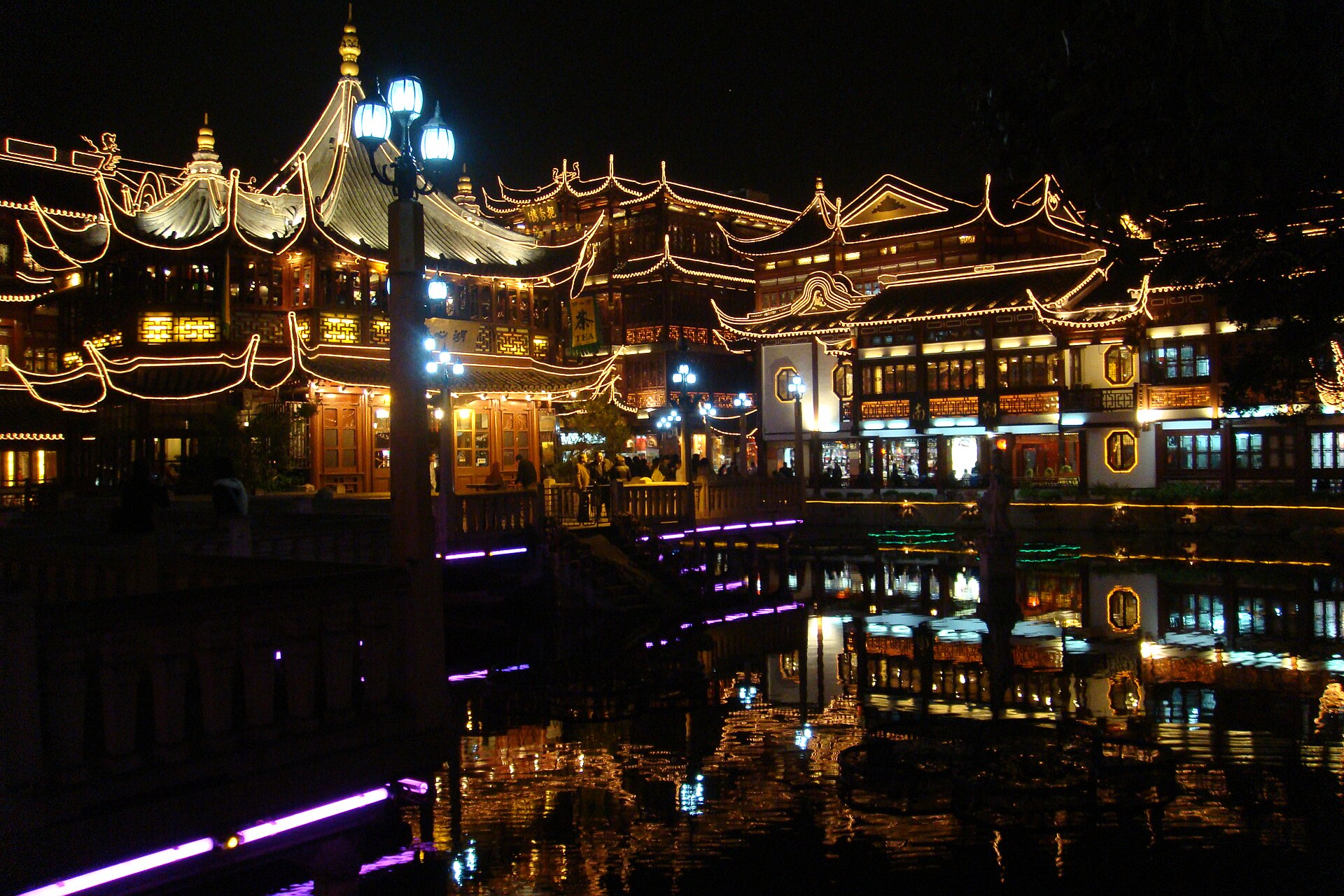
The zigzag bridge to the Huxinting Teahouse - the most photographed spot in Shanghai's old town.
Huxinting Teahouse
A mid-lake pavilion teahouse dating from 1784 - tea with a view.
Yuyuan Bazaar Lanterns
Thousands of silk lanterns during Chinese New Year transform the market.
Photo Gallery
Comments