 Travel in China
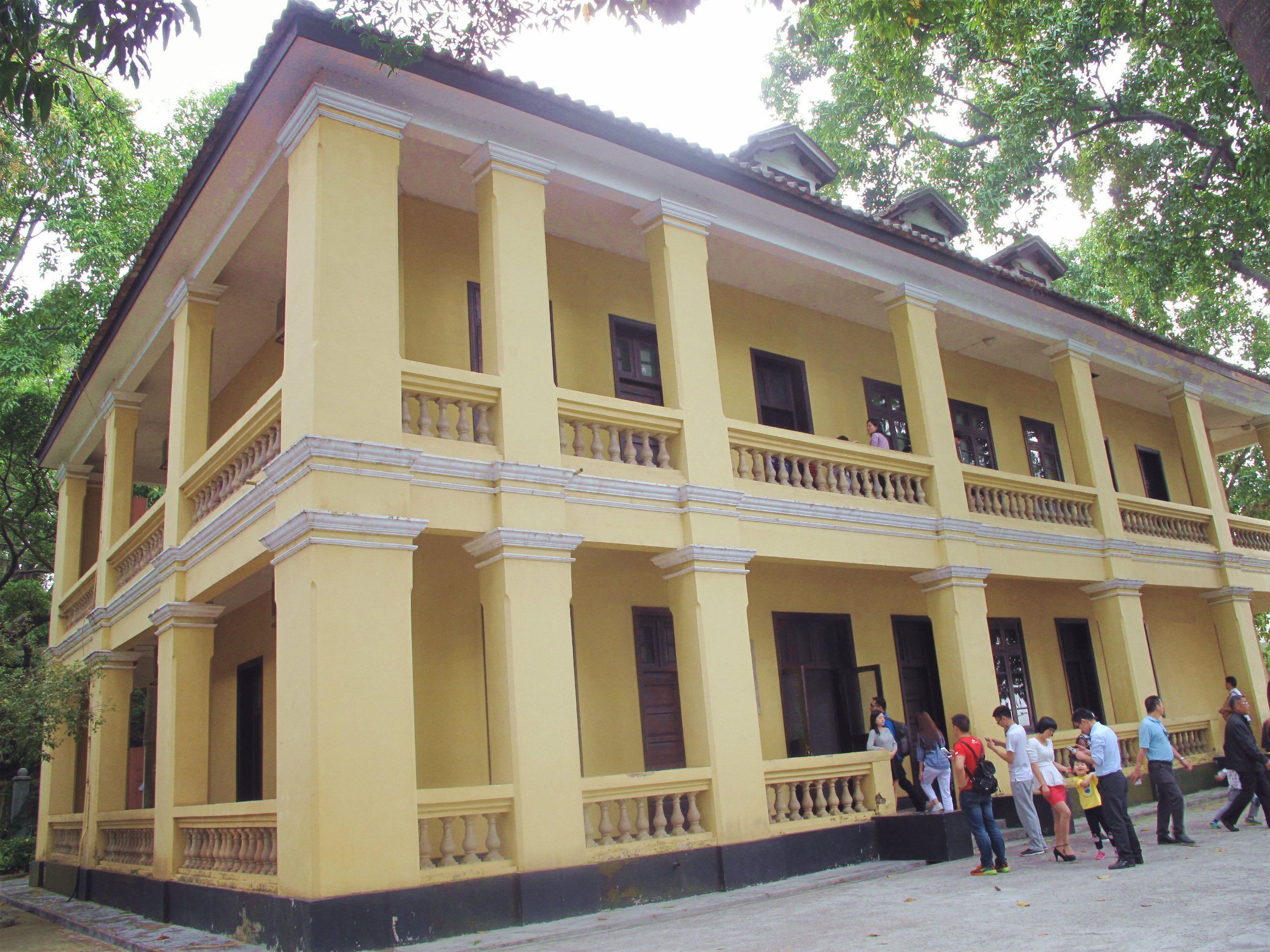
On Changzhou Island in the Pearl River, the military school Sun Yat-sen opened in June 1924 trained the officers who would fight — on both sides — the wars that made modern China. The restored 'Horse-Running Building' with its classrooms, dormitories and punishment cells, the 1926 officers' club, the Qing gun battery and the martyrs' cemetery of the Eastern Expeditions form a walking circuit of fierce history, reached by a ¥2 river ferry. Free with reservation, moving, and improbably peaceful.
Dive deeper: full travel guide · transport & map · where to stay & book
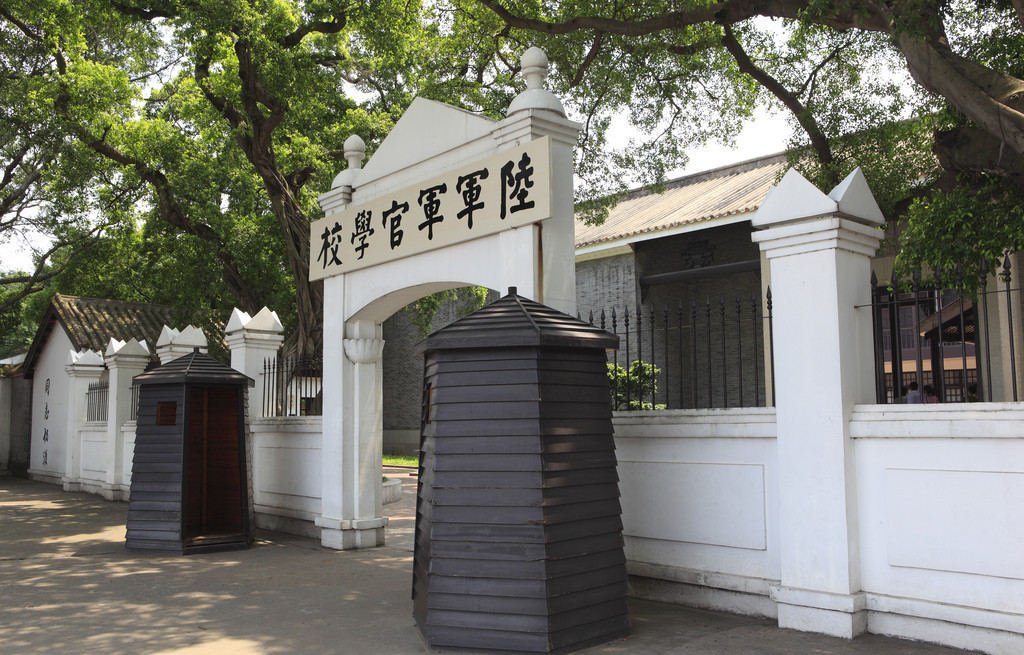
On 16 June 1924, Sun Yat-sen opened a military academy on Changzhou Island in the Pearl River southeast of Guangzhou — the Whampoa Military Academy, founded to give the young republic an army loyal to ideas rather than to warlords. Chiang Kai-shek served as commandant, Liao Zhongkai as party representative, and a young Zhou Enlai headed the political department. Classes graduated in months and marched straight into the Eastern Expeditions. The Japanese destroyed the original campus in 1938; the main 'Horse-Running Building' was rebuilt to its 1924 appearance in 1996, and the centenary in 2024 reopened the precinct fully renewed.
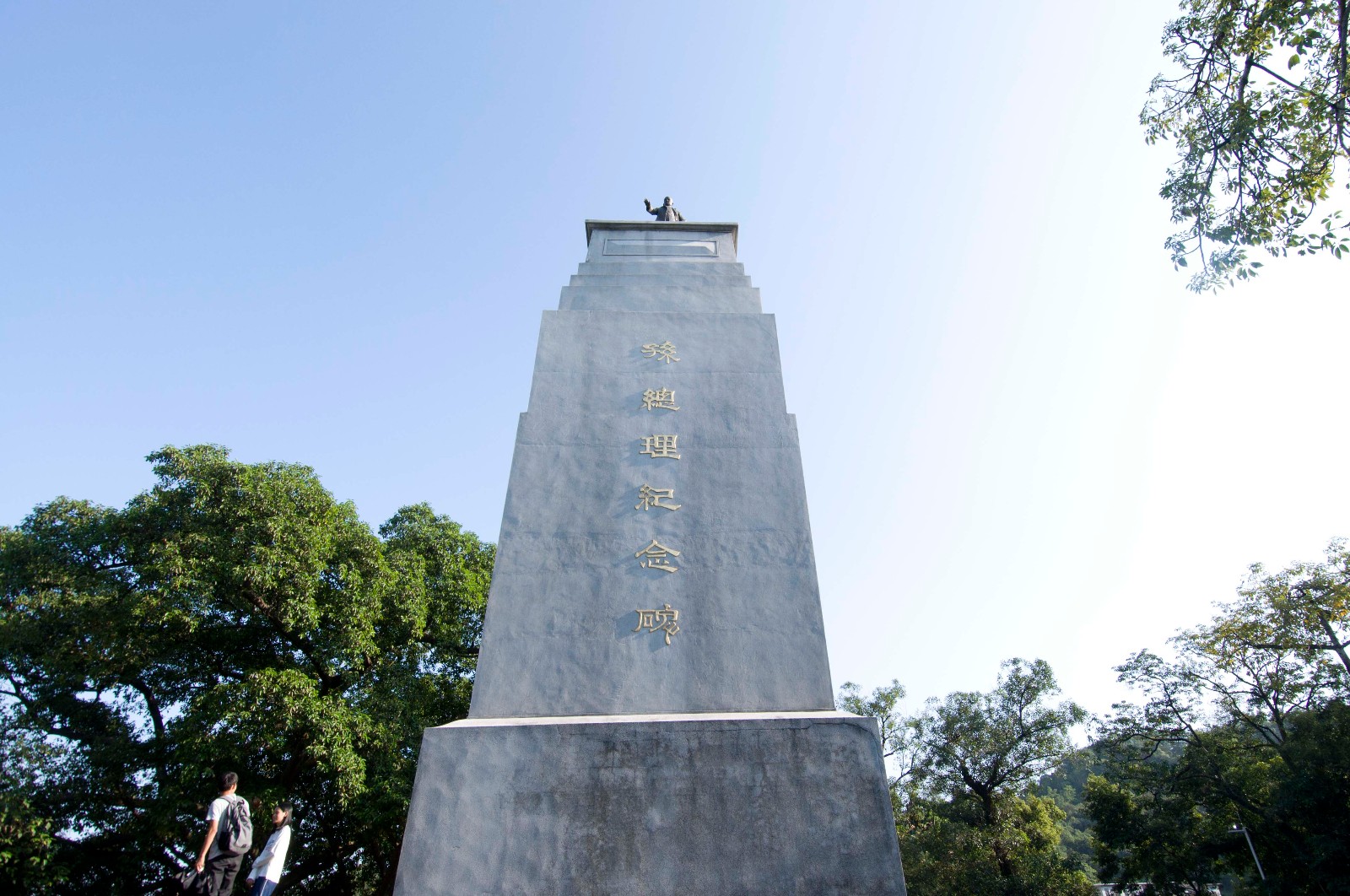
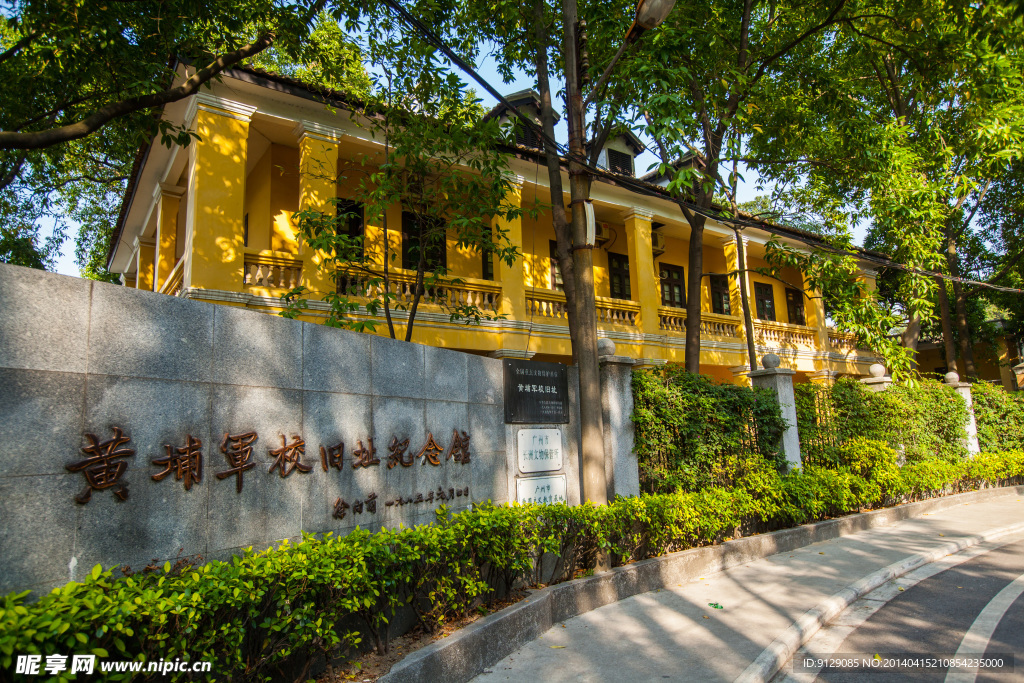
The visit centres on the two-storey Horse-Running Building, whose arcaded corridors have been refurnished as classrooms, the commandant's and party-representative offices, the political department, cadets' dormitories with canvas cots, and even the punishment cells. A centenary exhibition of some three hundred photographs and six original cadet certificates tells the story of nine turbulent months per class, and terminals search a database of 170,000 cadets and alumni — the quiet room where descendants find their grandfathers. Around the headquarters spreads the rest of the island's military landscape: the 1926 officers' club with its startling indoor pool, opened to visitors after the centenary restoration; the 1930 hilltop monument to Sun; the Qing-era Baihegang gun battery; and the terraced cemetery of the Eastern Expedition's dead.
In 2026 the academy is free but reservation-run: book up to seven days ahead on the official mini-program, with foreign visitors receiving a passport code to exchange at the reception centre; the site closes Mondays and stops admitting at 16:30. The island rewards slow exploring — most visitors log 15,000 steps between the headquarters, the fort and the martyrs' cemetery, and free tours leave the courtyard at 10:00 and 15:00. Getting there is half the pleasure: the ¥2 river ferry from Yuzhu pier crosses every fifteen minutes, and Line 7 now serves Changzhou with an island bus connection. The island's cultural district has grown cafes and guesthouses, and Shenjing village — the birthplace of Cantonese roast goose — feeds everyone at day's end.
Highlights
Horse-Running Building (HQ)
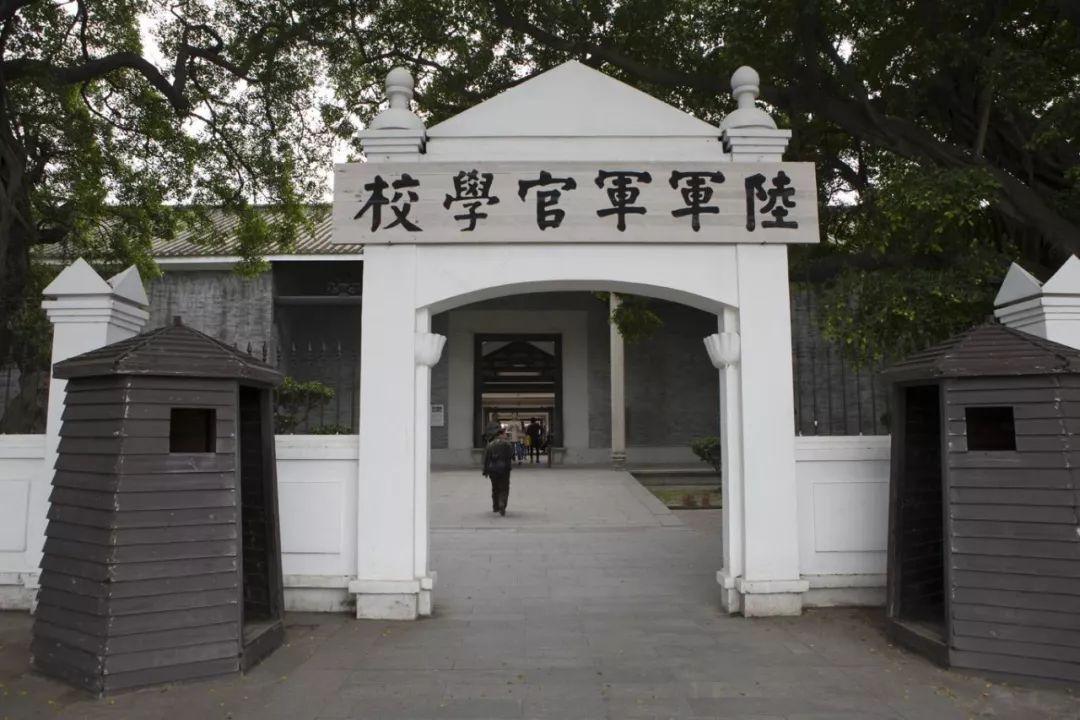
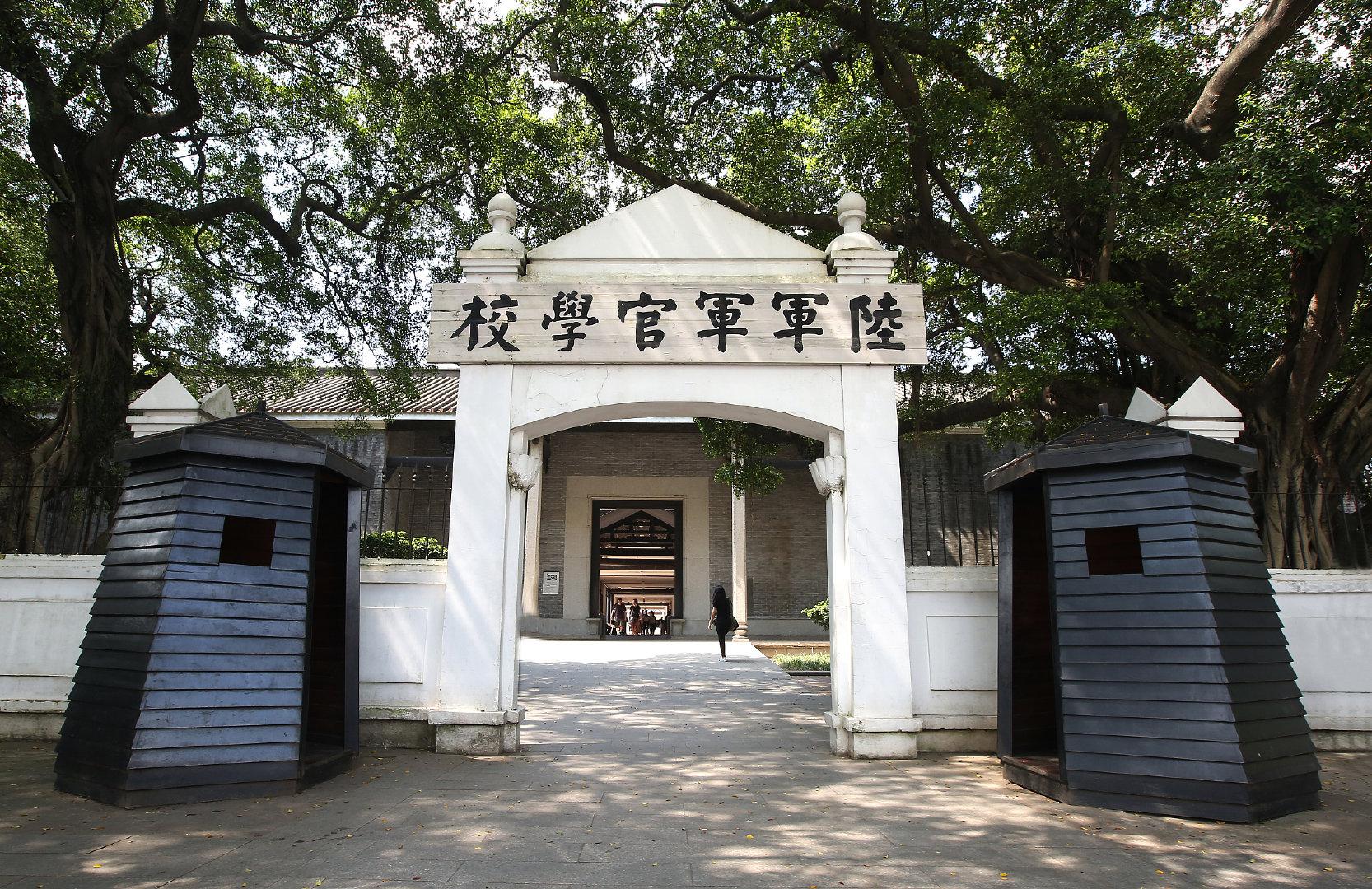
The white arcaded academy building restored in 1996: classrooms, the commandant's office, political department, dormitories and punishment cells, furnished as 1924.
Centenary History Exhibition
Some three hundred photographs and six original cadet certificates trace the academy from the 1924 intake to the Northern Expedition.
1926 Officers' Club
The Western-fronted club with its era-astonishing indoor pool, opened to the public after the centenary restoration.
Sun Yat-sen Monument (1930)
The hilltop stele to the founder, with the academy's motto cut in stone and the island's best panorama from its steps.
Qing Baihegang Battery
Vaulted magazines and gun emplacements on the island's southern knoll — the military layer that predates the academy.
170,000-Name Cadet Database
Search terminals for the full cadet roll — a surprisingly emotional room when families find their own names.
Photo Gallery
Comments