 Travel in China
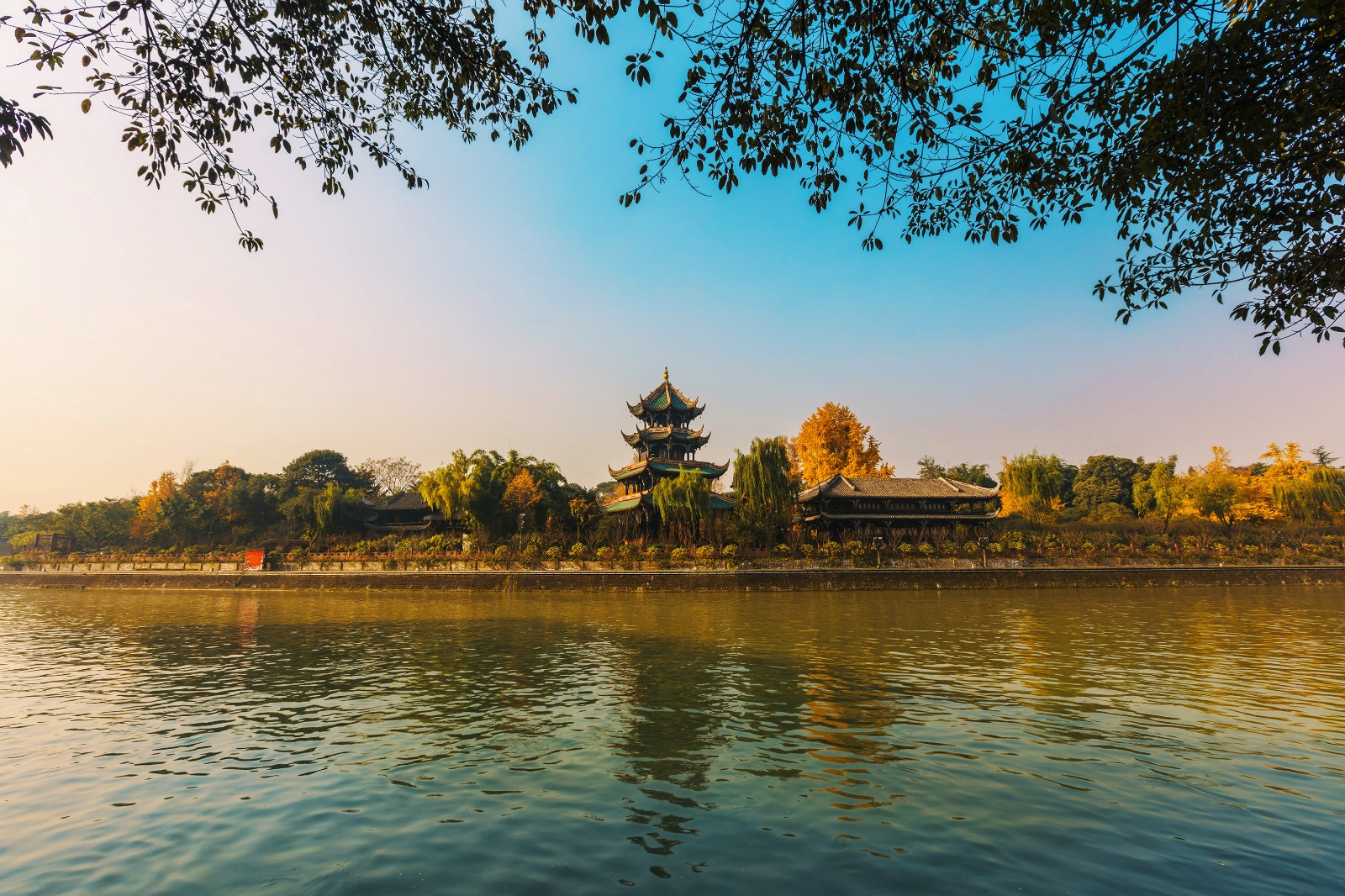
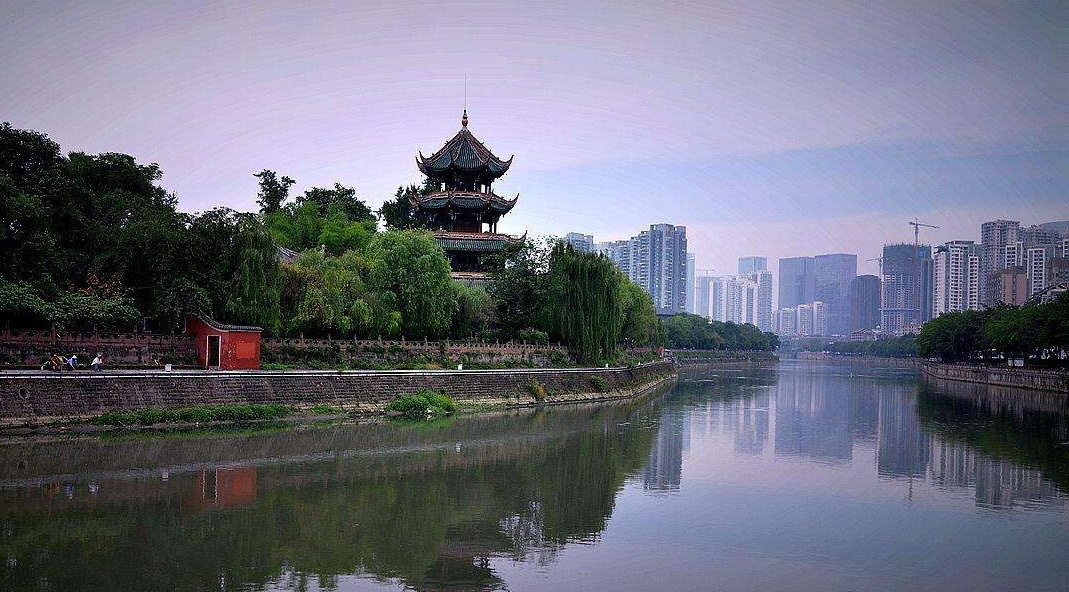
Wangjianglou Park spreads along the south bank of the Jin River in a bamboo sea — more than 500 species, the largest collection in any Chinese park — planted in memory of Tang dynasty poetess Xue Tao. The 1889 Chongli Pavilion lifts its gilded crown 27.9 metres over the water above her commemorative well, memorial hall and paper-making pavilion. The garden zone is free; the heritage zone is ¥20, and autumn adds chrysanthemum banks and a bamboo-culture festival with riverside concerts.
Dive deeper: full travel guide · transport & map · where to stay & book
Wangjianglou Park traces its origins to the Tang dynasty, when the celebrated poetess Xue Tao (768–831) lived beside the Jin River in Chengdu and crafted her famous mulberry-bark paper. Later generations planted bamboo along the riverbank in her honour, and by the Ming era her legacy was anchored by a commemorative well where scholars made "Xue Tao paper," later named on a stele from the Kangxi era. The park's defining landmark, the Chongli Pavilion, rose in 1889, its name quoting the phrase "both beautiful and tall, truly called Chengdu." Together, these layers of memory make the site both a literary shrine and a monument to Chengdu's refined garden culture.
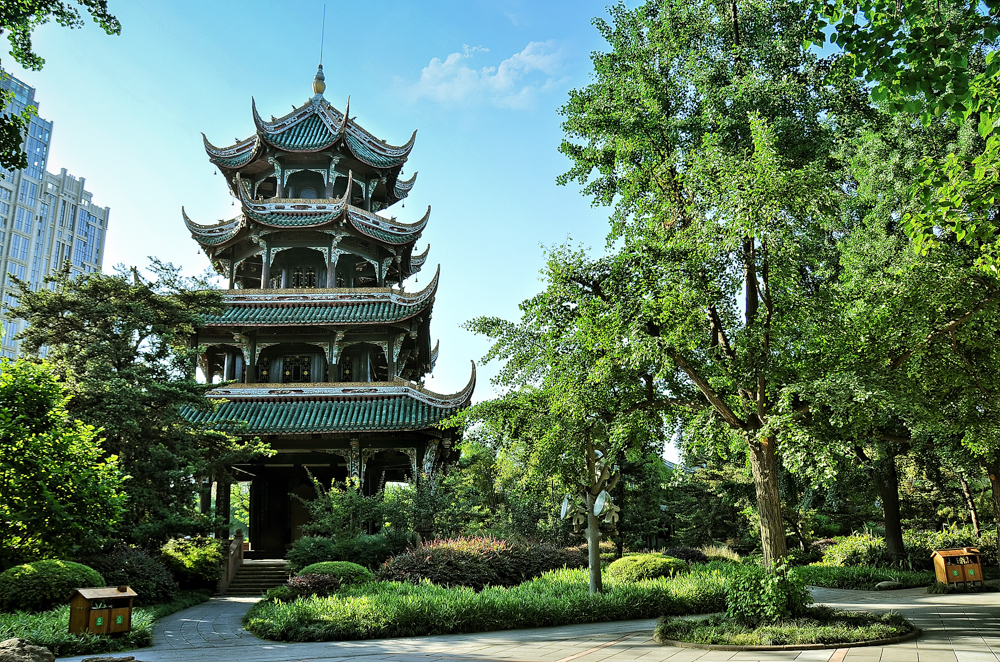
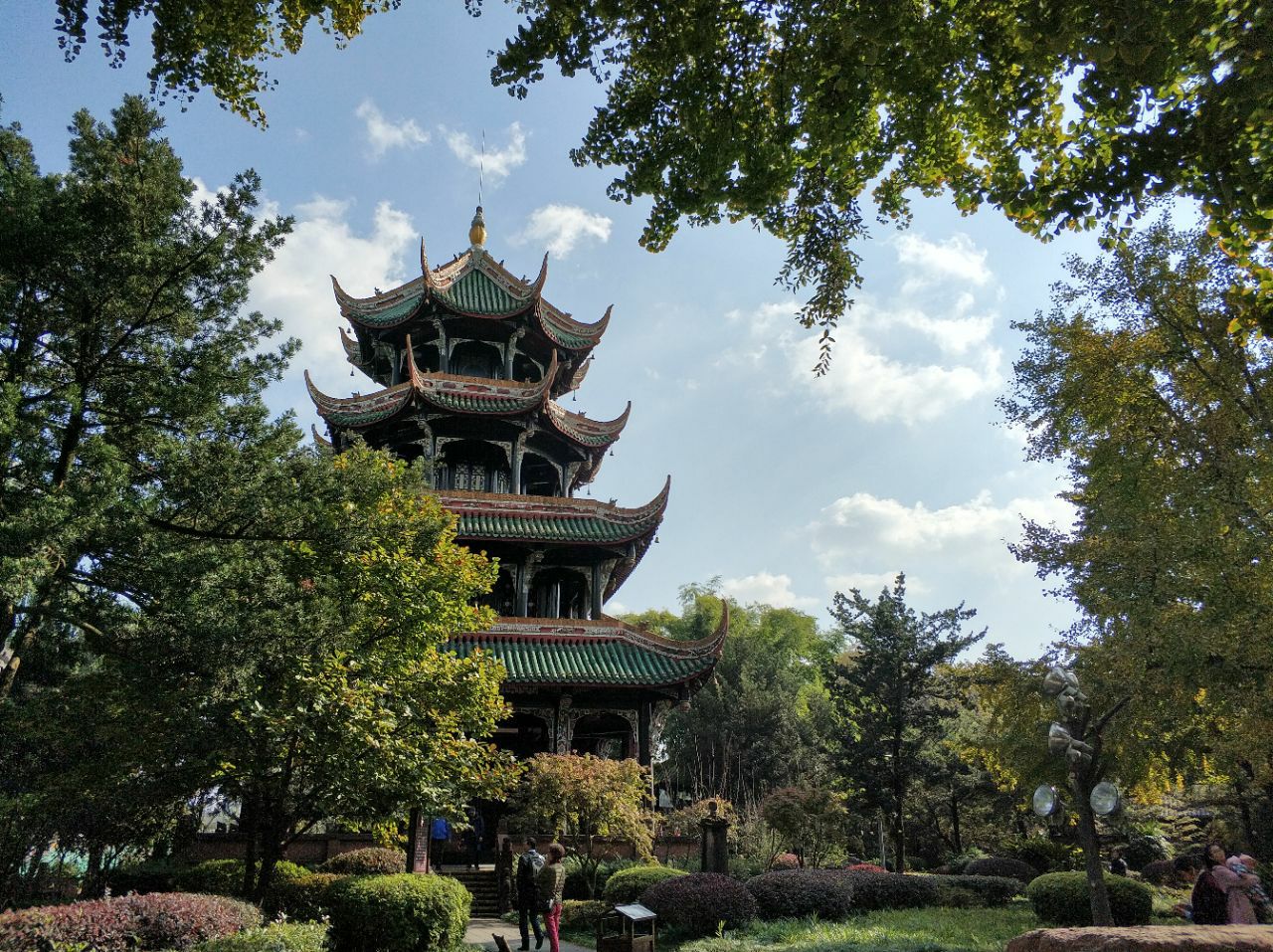
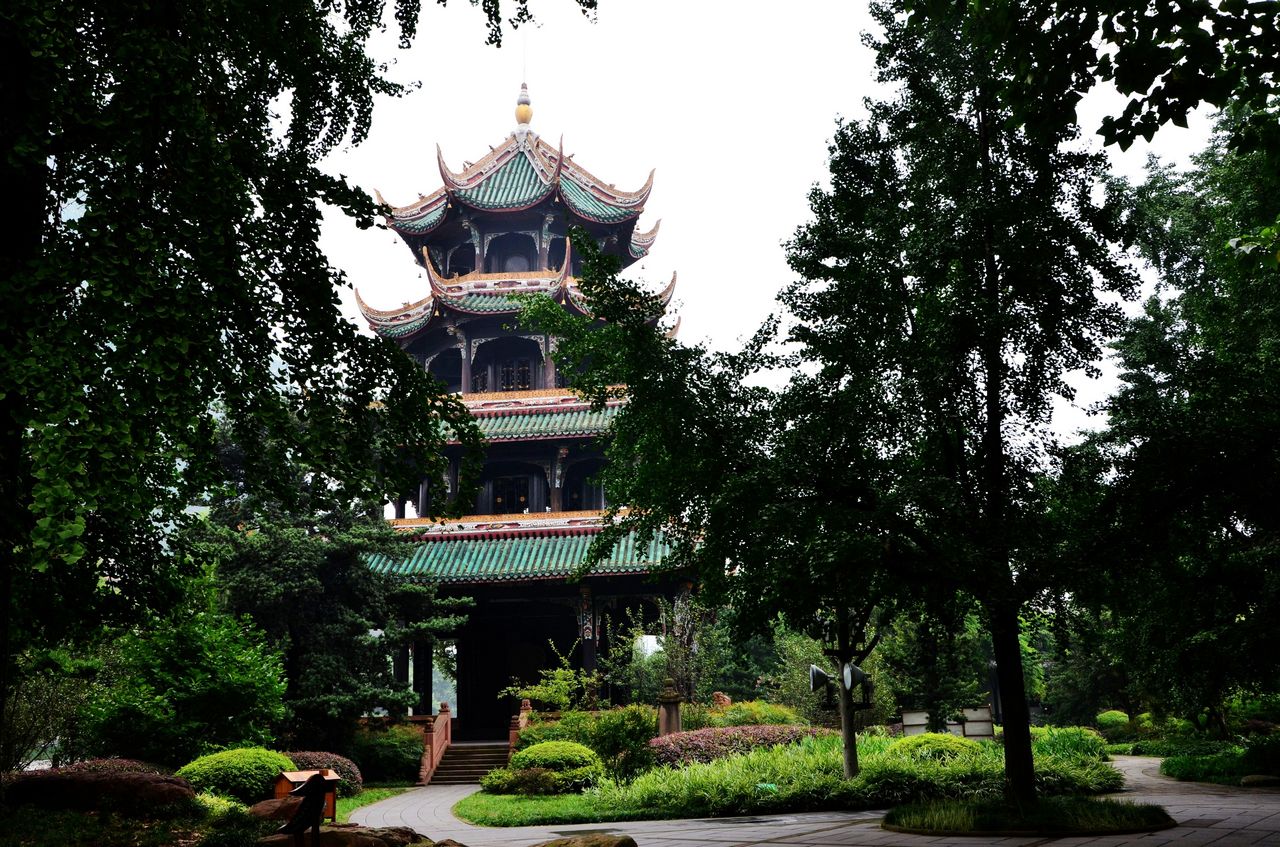
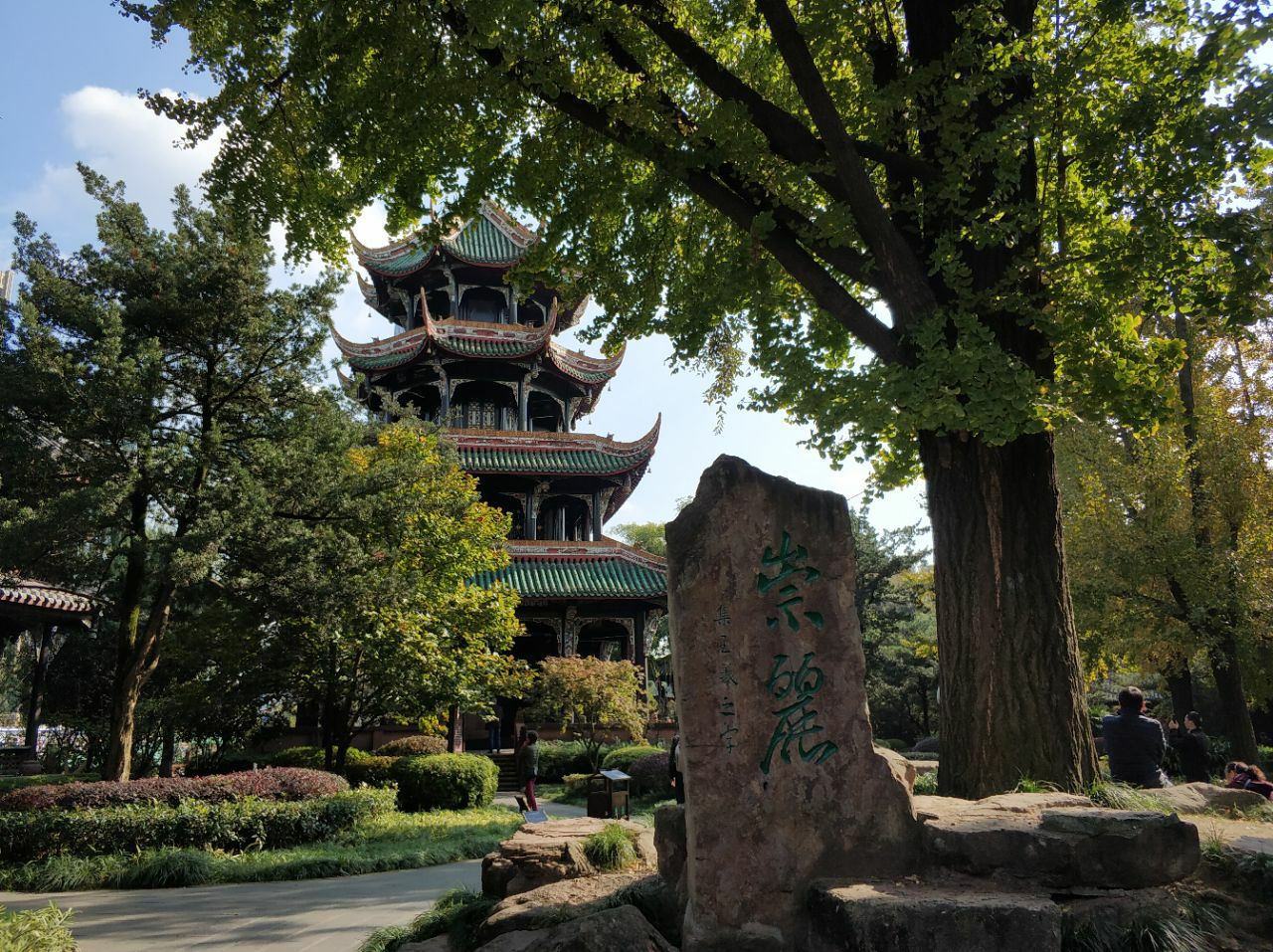
The park stretches along the southern bank of the Jin River in a veritable bamboo sea — more than 500 species across 34 genera from every continent, the largest collection in any Chinese park and effectively China's bamboo gene bank. Paths thread beneath swaying canes to the Chongli Pavilion, a four-storey all-timber tower crowned in gilt that rises 27.9 metres above the water; its upper levels command fine river views. Nearby stand the Ming-era Xue Tao Well, the memorial hall recounting the poetess's life, and a paper-making pavilion with hands-on workshops where visitors can press their own sheet. Riverside teahouses serve gaiwan tea beneath the canes, and in autumn 5,000-pot chrysanthemum banks line the flower road leading to the pavilion.
Today Wangjianglou Park remains one of Chengdu's best-loved retreats, free in its open garden zone with a modest ¥20 ticket for the heritage zone (09:00–18:00, last entry 17:00); the south and west gates stay open to 21:00, and autumn's bamboo-culture festival has run riverside concerts until 21:30. Sited near Sichuan University and the riverfront walkways of central Chengdu, it serves equally as a quiet morning stroll, a scholar's pilgrimage, and an evening gathering place where the city's teahouse culture flourishes under the canes — a living link between Tang-dynasty poetry and the modern metropolis flowing past its walls.
Highlights
Chongli Pavilion
The 1889 four-storey all-timber landmark whose name quotes 'both beautiful and tall, truly called Chengdu'; climb-level views over the river.
Xue Tao Well
The Ming-era well where princes made 'Xue Tao paper'; a Kangxi-era stele names it.
Bamboo Garden
34 genera and 500-plus species from every continent, including rare canes — China's bamboo gene bank.
Xue Tao Memorial Hall & paper-making
Life of the poetess and the mulberry-bark paper she invented, with workshops where you can press a sheet.
Chongli Pavilion flower road
Autumn's 5,000-pot chrysanthemum bank threading the bamboo to the tower.
Riverside teahouses
Gaiwan tea under the canes by the river wall, with the night-drama stage across the lawn.
Photo Gallery
Comments