 Travel in China
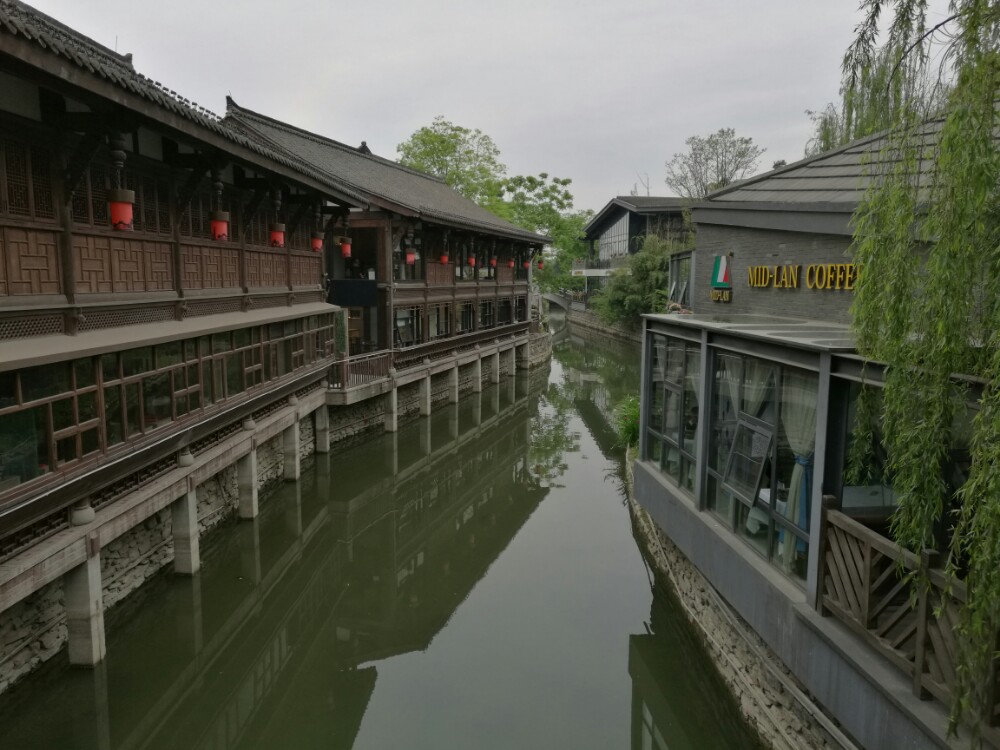
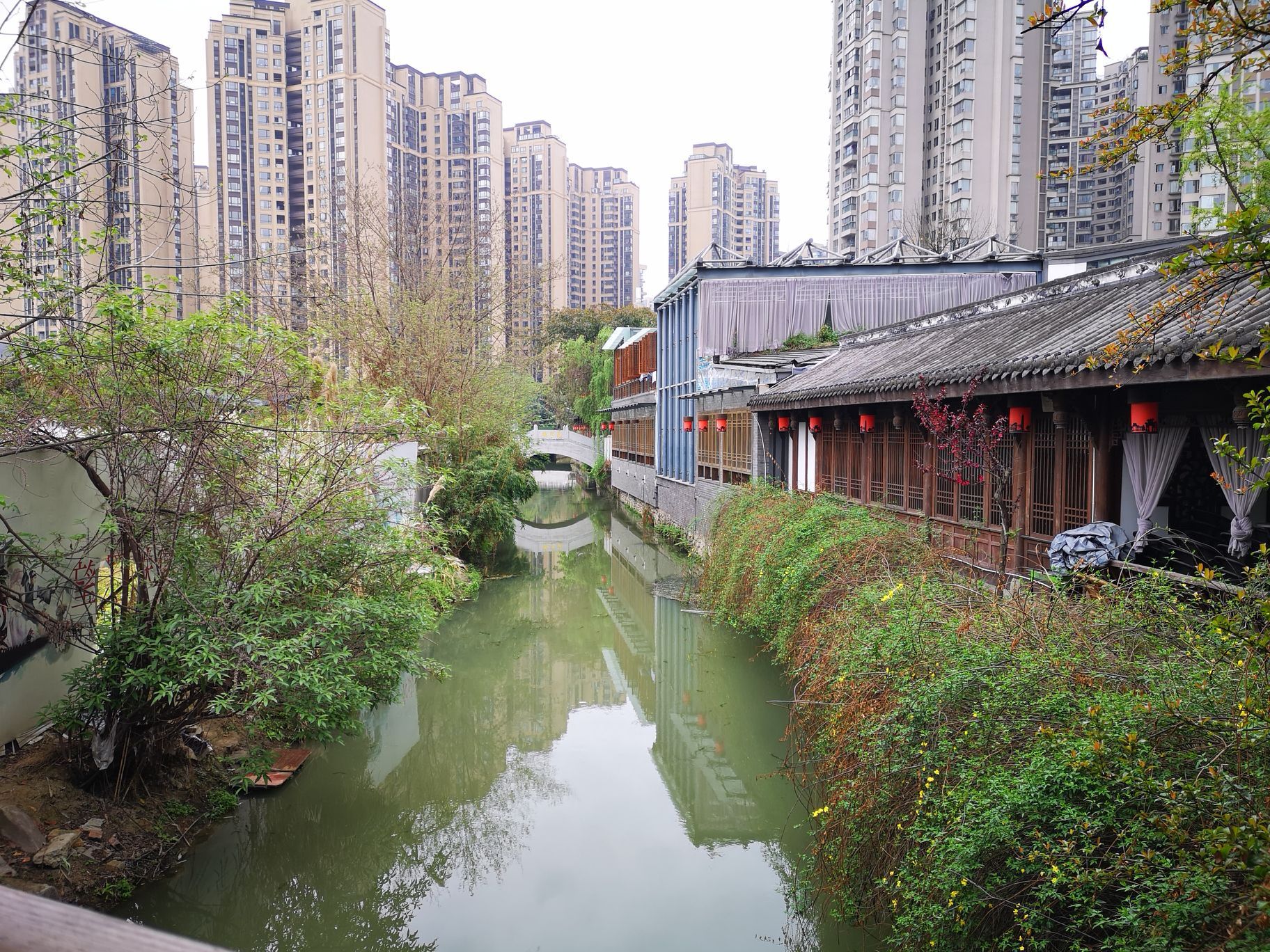
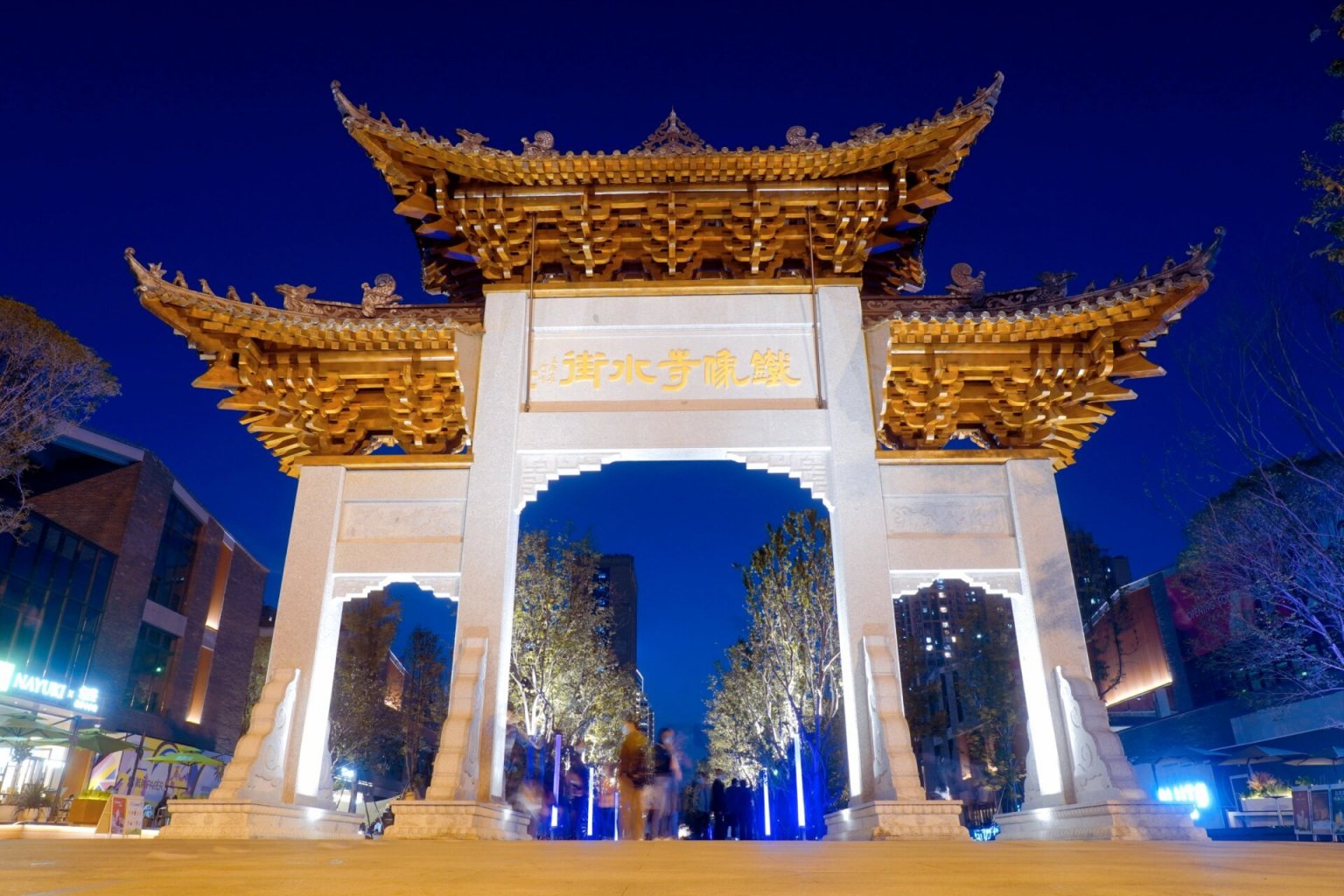
Tiexiangsi Water Street is a free, 24-hour riverside quarter of white-walled, dark-tiled courtyards strung along the Xiao Jia River beside a Ming-dynasty nunnery. Stages of Sichuan opera, long-spout tea art and lantern festivals play among its pagodas, arched bridges and stone lanes; Chen Jin's Teahouse spreads hundreds of bamboo chairs under the plane trees — locals' car-free 'little Jiangnan' in the high-tech south.
Dive deeper: full travel guide · transport & map · where to stay & book
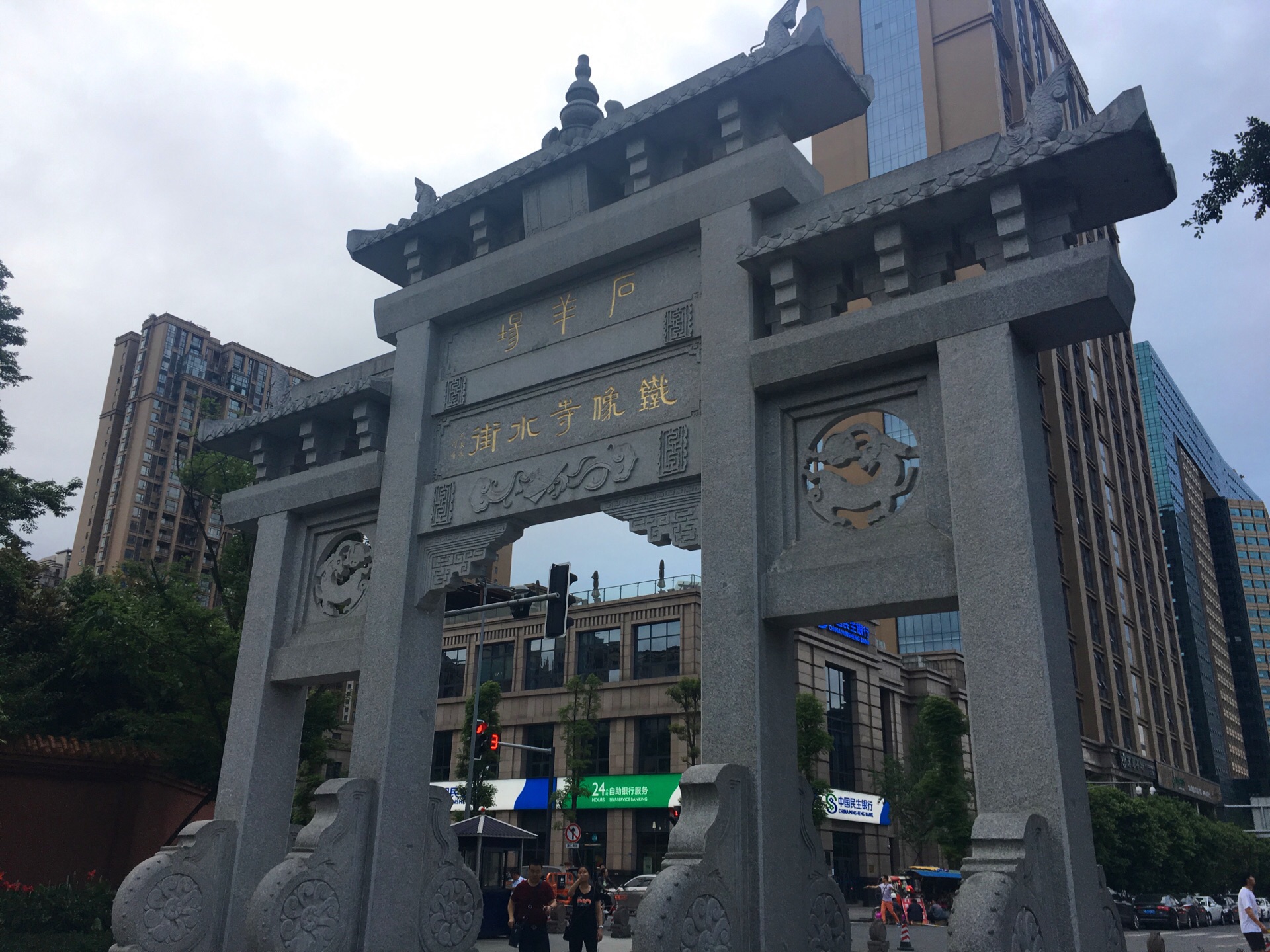
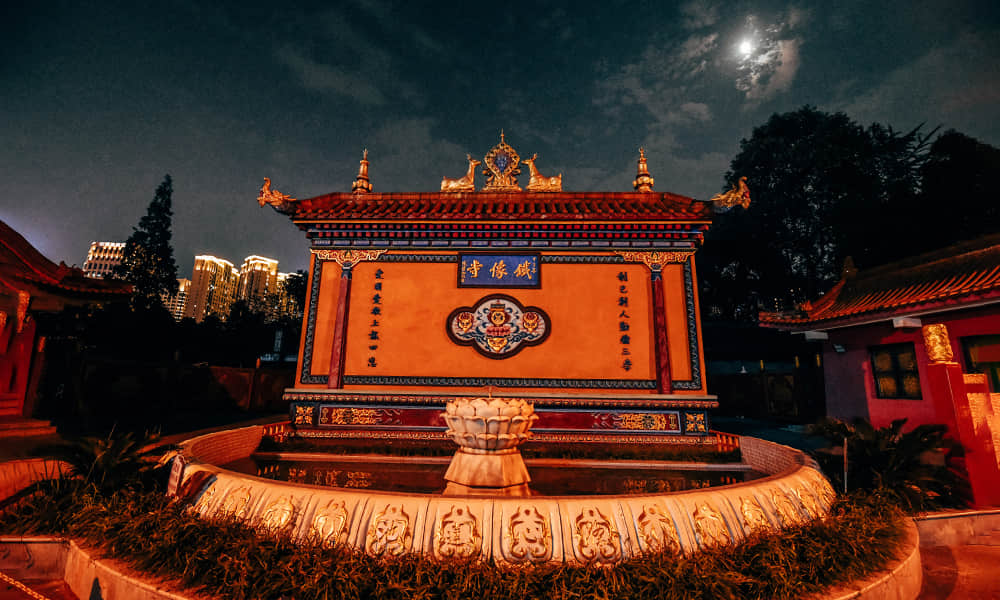
Tiexiangsi Water Street takes its name from the Ming-dynasty Tiexiang Temple, a nunnery founded in the Wanli era around 1590, whose name literally means "Iron Incense-Burner." When an iron Buddha was dug up on the site during later excavations, the discovery gave the temple—and ultimately the surrounding street—its enduring identity. While the nunnery itself preserves its red walls, incense halls and centuries of quiet devotion, the riverside quarter that has grown up beside it represents a more recent chapter of Chengdu's urban development. Today the water street functions as a thoughtfully planned cultural district along the Xiao Jia River, blending heritage architecture with contemporary commerce in the heart of the city's high-tech southern zone.
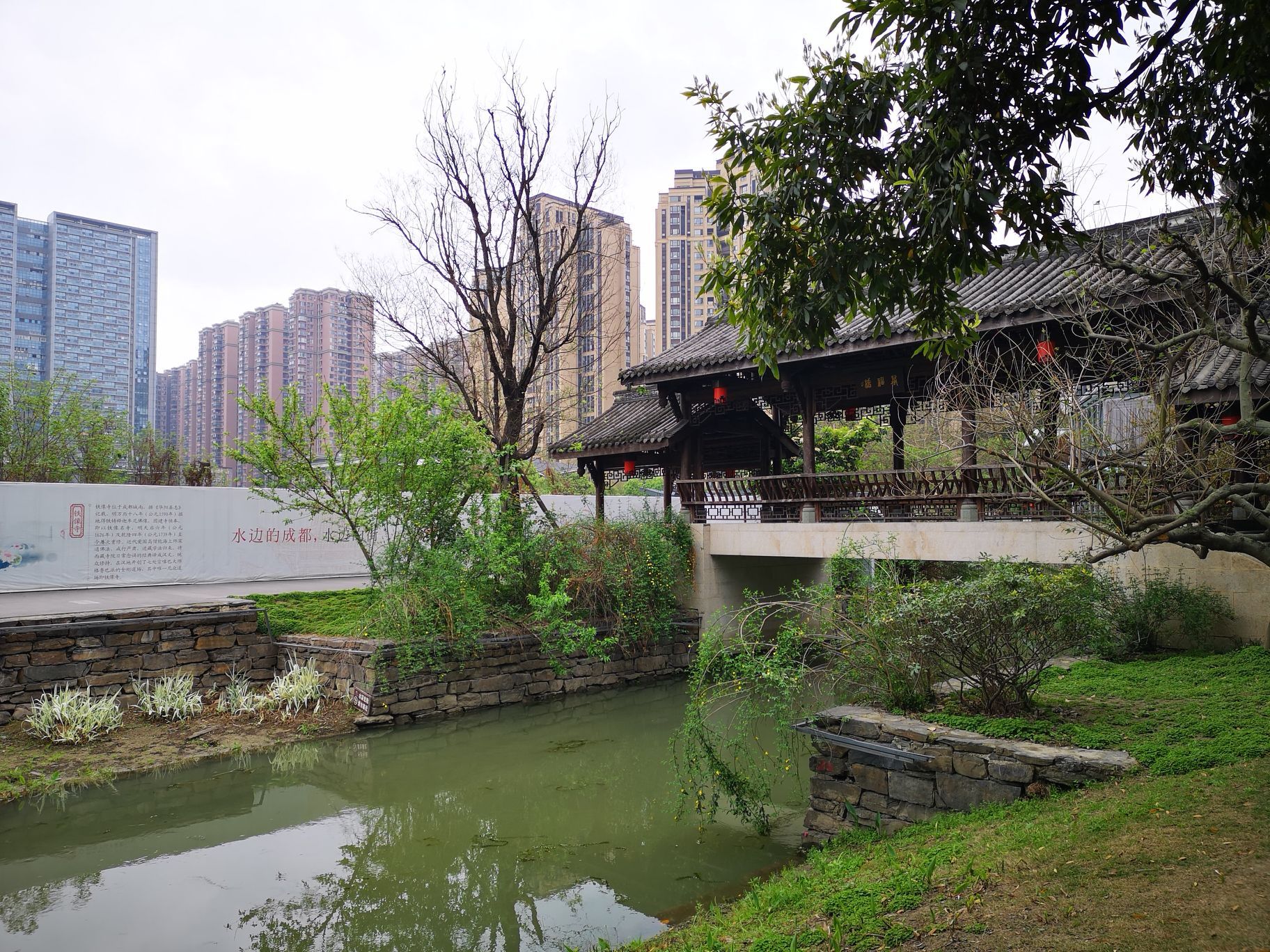
The quarter unfolds as a sequence of white-walled, dark-tiled courtyards strung along the river, connected by arched stone bridges, lantern-hung lanes and riverside walkways. At its heart lies Zhongzhou square, where fountains play and open lawns slope to the water—on weekdays, local toddlers frequently outnumber visitors. The Huilan Pagoda rises over the canal, its silhouette mirrored beautifully at blue hour. Sichuan opera performances, long-spout tea-pouring shows and seasonal festivals animate small stages throughout the district. Chen Jin's Teahouse is the signature experience: hundreds of bamboo chairs spread beneath plane trees, where gaiwan tea, ear-cleaning masters and clacking mahjong tiles carry on a genuinely local rhythm. Shopping lanes hold more than 110 stores, roughly 60% of them first-to-Chengdu brands, alongside the Sanxingdui-licensed Zhixing House cultural space.
Tiexiangsi Water Street is free to enter and open 24 hours, with illumination switching on nightly around dusk and shops generally running from 10:00 to 22:00; teahouse courtyards are liveliest between 10:00 and 17:00. Seasonal lantern corridors, floating markets and hanfu parades draw large holiday crowds, yet the district retains a neighborhood feel absent from many ticketed attractions—locals call it their car-free "little Jiangnan." Its location in Chengdu's southern high-tech district makes it an easy stop for both residents and business travelers, and the surrounding blocks of towers and research campuses give the water street a striking contrast: Ming-era temple calm and lantern-lit canals set directly against one of China's most modern urban skylines.
Highlights
Chen Jin's Teahouse
The photo-famous bamboo-chair teahouse by the water; gaiwan tea, ear-cleaning masters and mahjong under the trees.
Huilan Pagoda & reflections
The riverside pagoda and stone bridges mirrored in the canal at blue hour.
Tiexiang Temple
The Ming Wanli-era nunnery (1590) whose dug-up iron Buddha named the street; red walls and incense.
Lantern nights & festivals
Seasonal lantern corridors, floating markets and hanfu parades along the water.
First-store shopping lanes
Over 110 shops with around 60% first-to-Chengdu brands, plus the Sanxingdui-licensed Zhixing House cultural space.
Zhongzhou square & lawns
Central plaza fountains and riverside lawns where toddlers outnumber tourists.
Photo Gallery
Comments