Tiananmen Square is the political and ceremonial heart of Beijing and, at roughly 880 metres long by 500 metres wide (about 44 hectares), is commonly described
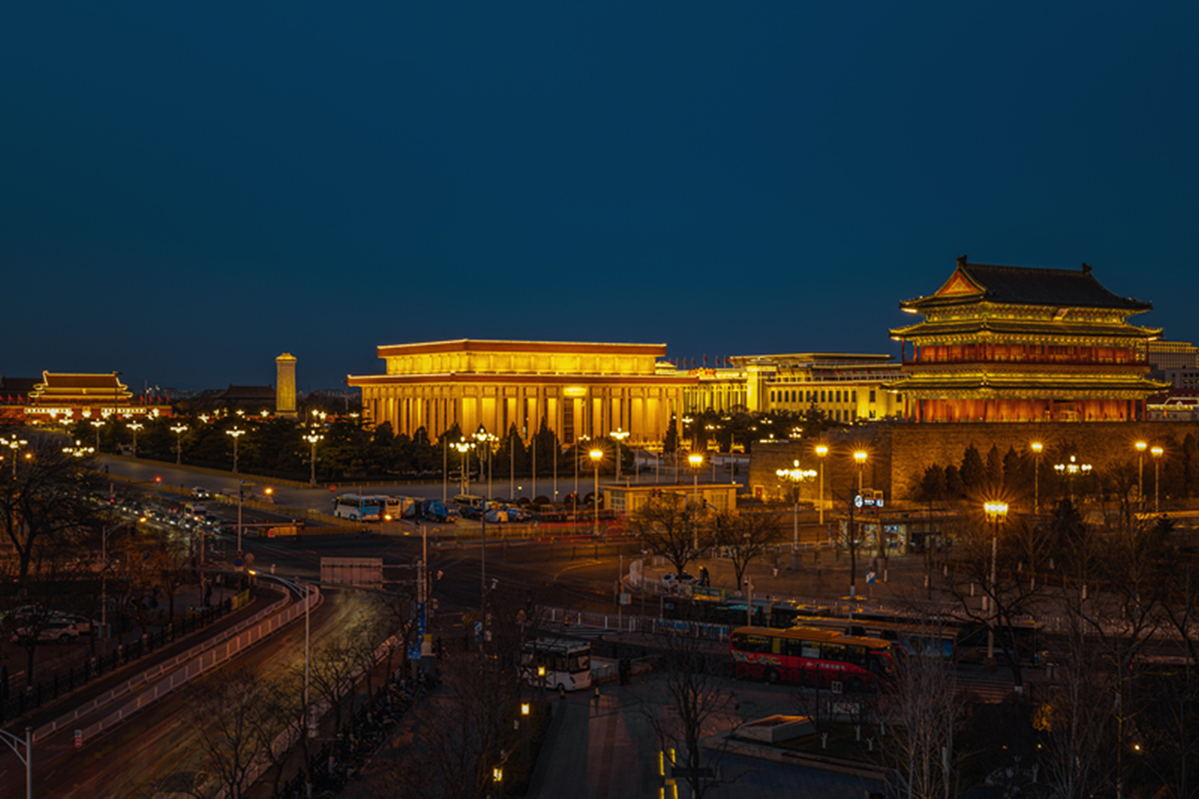
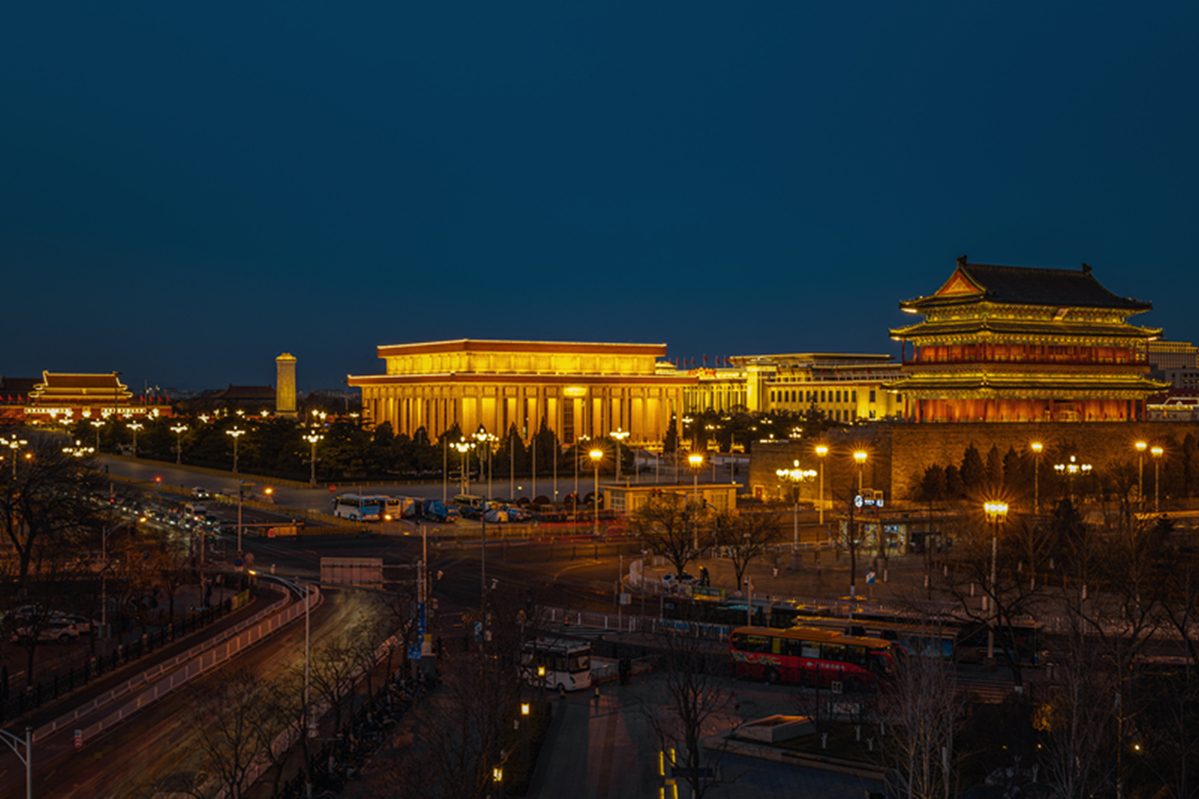
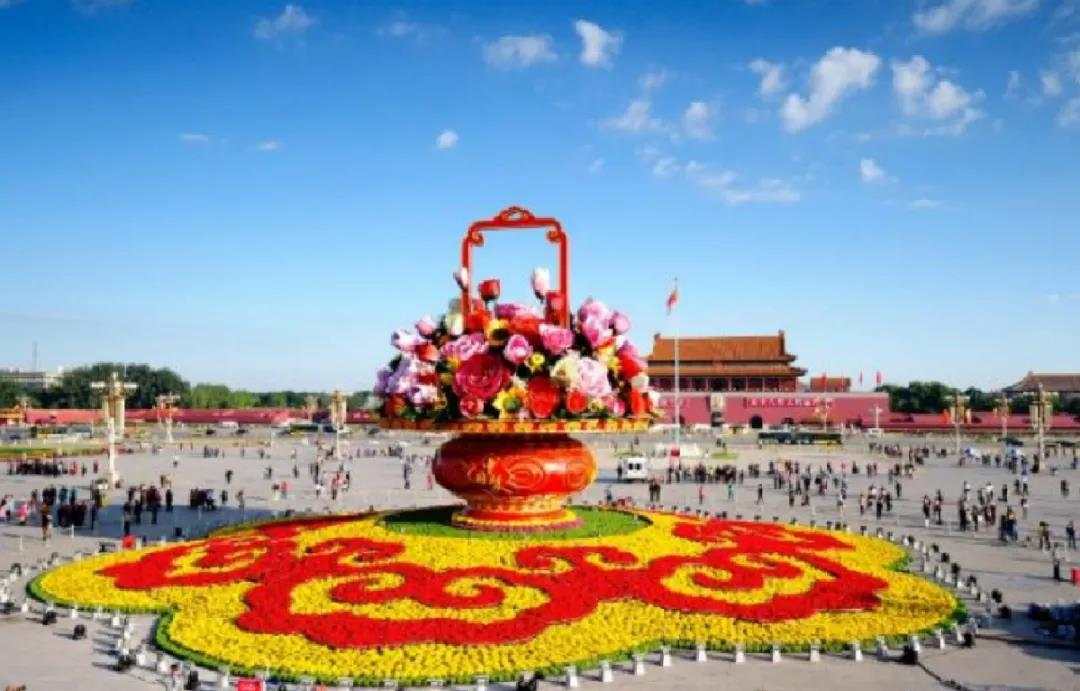
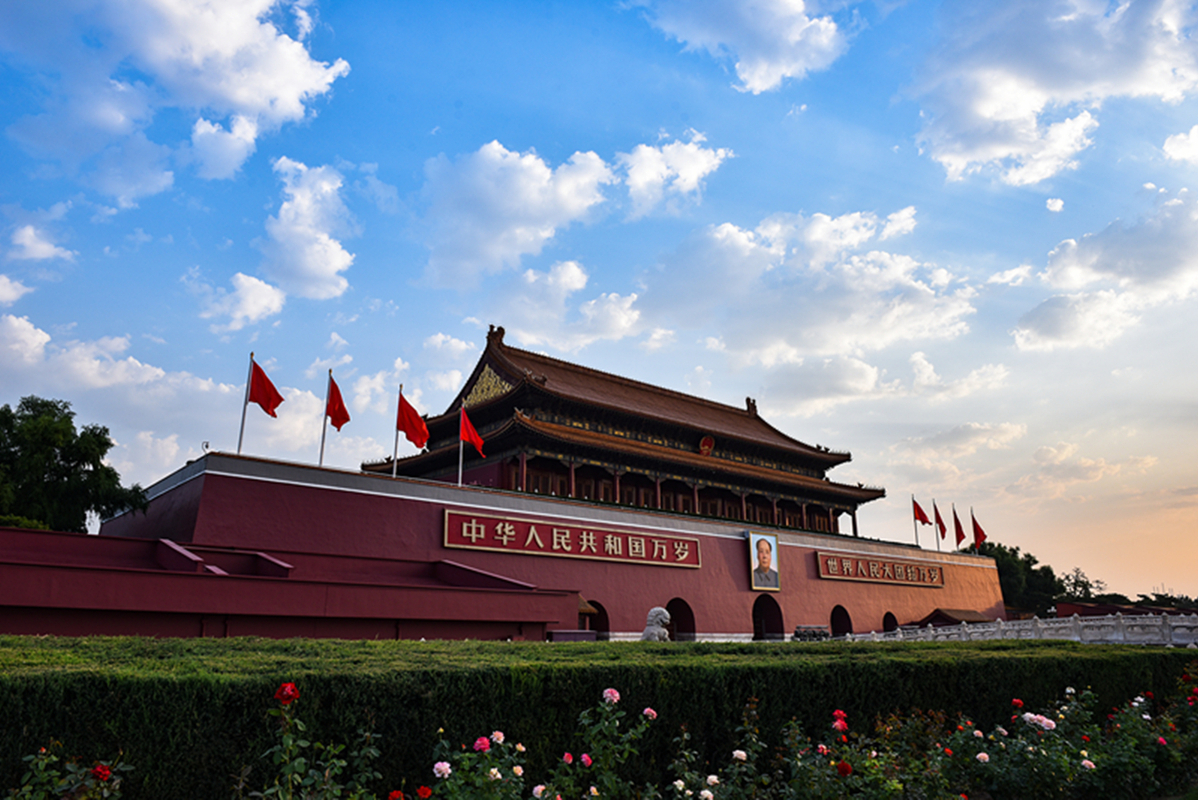
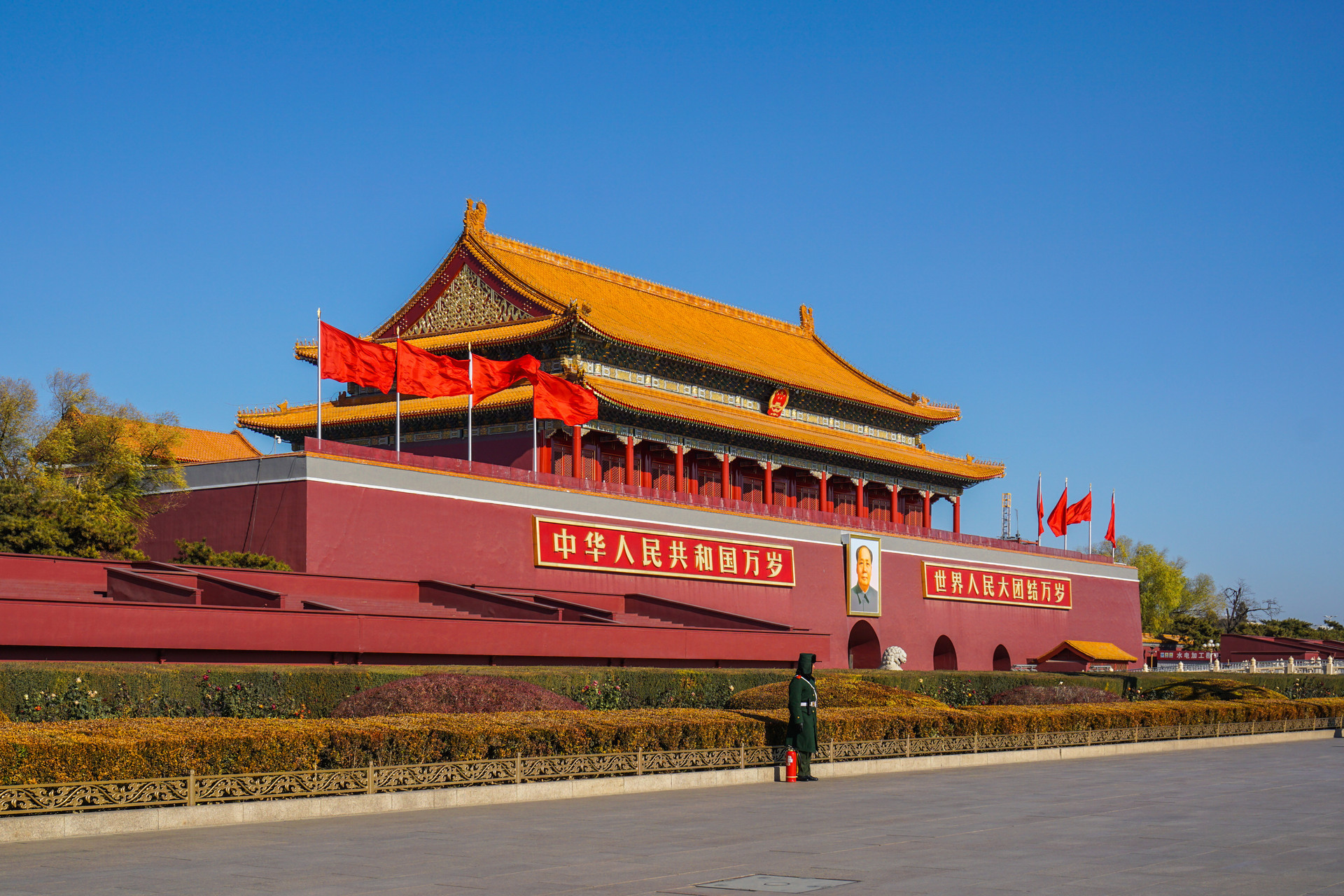
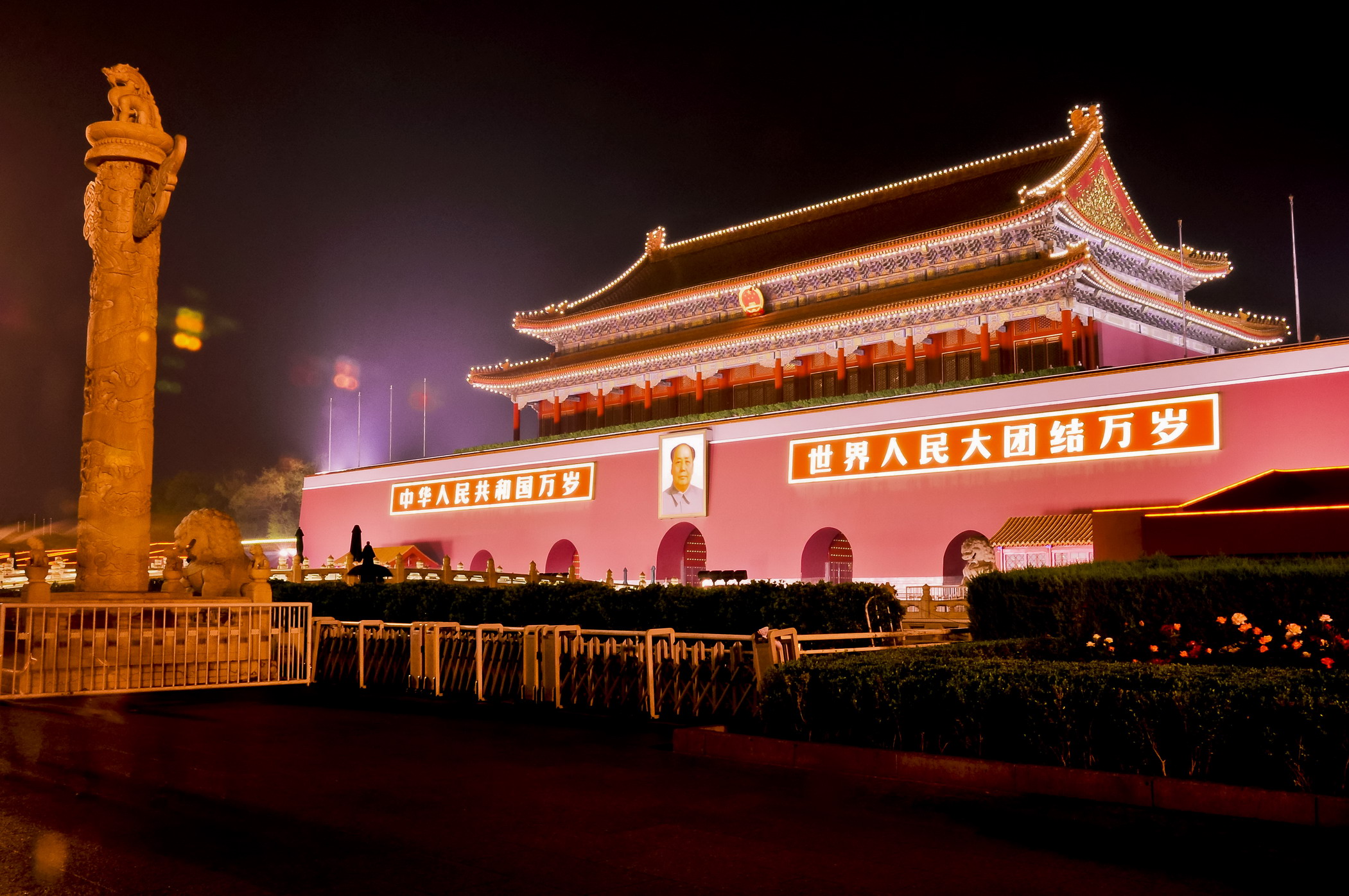
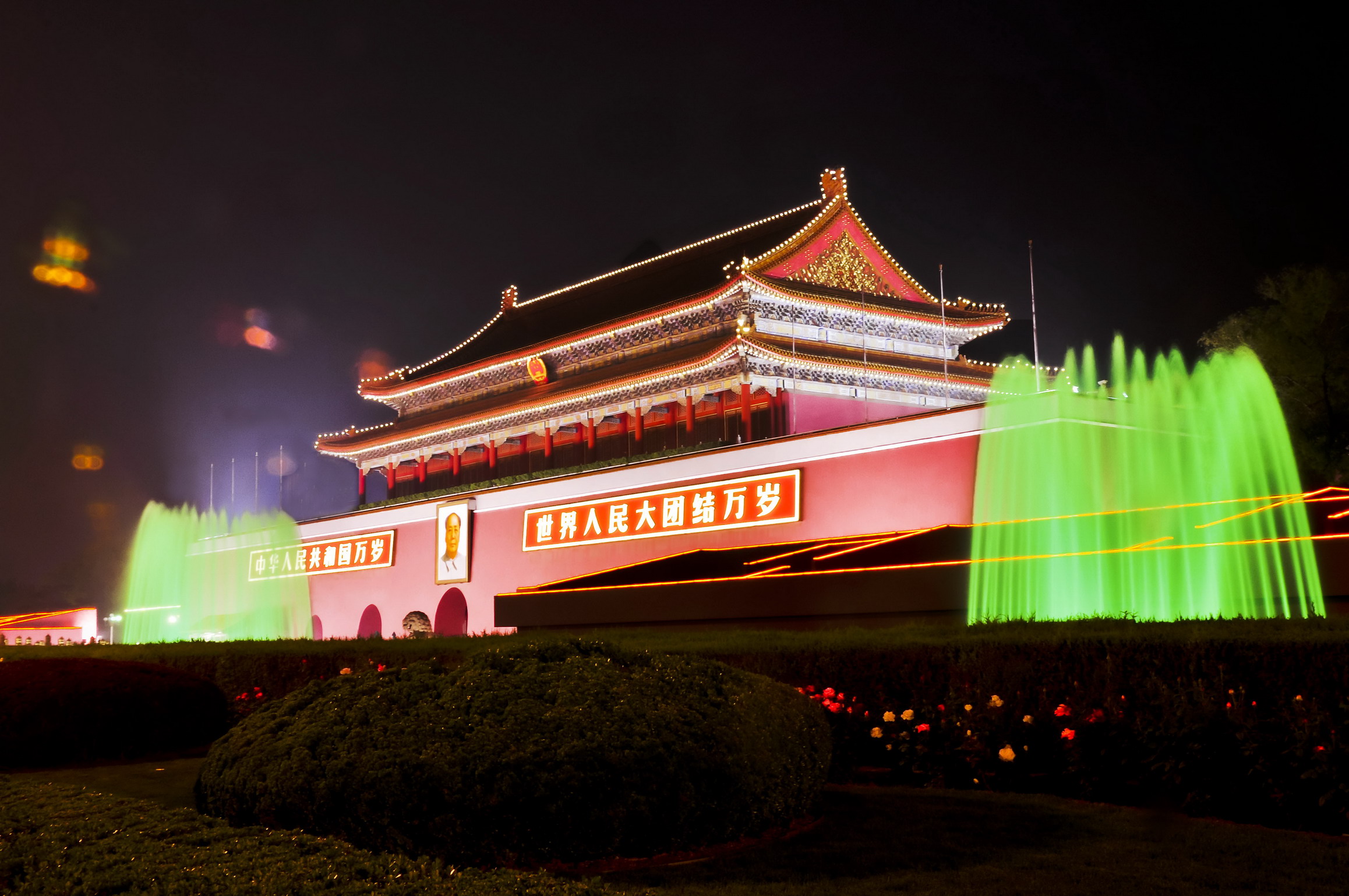
Tiananmen Square is the political and ceremonial heart of Beijing and, at roughly 880 metres long by 500 metres wide (about 44 hectares), is commonly described as the largest city square in the world. Laid out in its present form in the 1950s, it sits on the capital's north–south Central Axis and forms one component of the "Beijing Central Axis" ensemble inscribed on the UNESCO World Heritage List in July 2024. Tiananmen Gate — the "Gate of Heavenly Peace" bearing Mao Zedong's portrait — anchors the north side; the Monument to the People's Heroes stands at the centre, the Mao Zedong Memorial Hall to the south, the Great Hall of the People to the west and the National Museum of China to the east, with the Ming-era Zhengyangmen gate closing the southern end. The People's Republic was proclaimed from Tiananmen Gate on 1 October 1949. Daily flag-raising and flag-lowering ceremonies at sunrise and sunset draw large crowds, and the square is the natural gateway to the Forbidden City just north and Qianmen Street just south.
Highlights
1
Dawn flag-raising ceremony
2
Monument to the People's Heroes
3
Tiananmen Gate and Mao portrait
4
Mao Zedong Memorial Hall
5
Great Hall of the People
6
National Museum of China
Photo Gallery
Tiananmen Square is the political and ceTiananmen Square is the political and ceTiananmen Square is the political and ceTiananmen Square is the political and ceTiananmen Square is the political and ceTiananmen Square is the political and ce
 Travel in China
Comments