 Travel in China
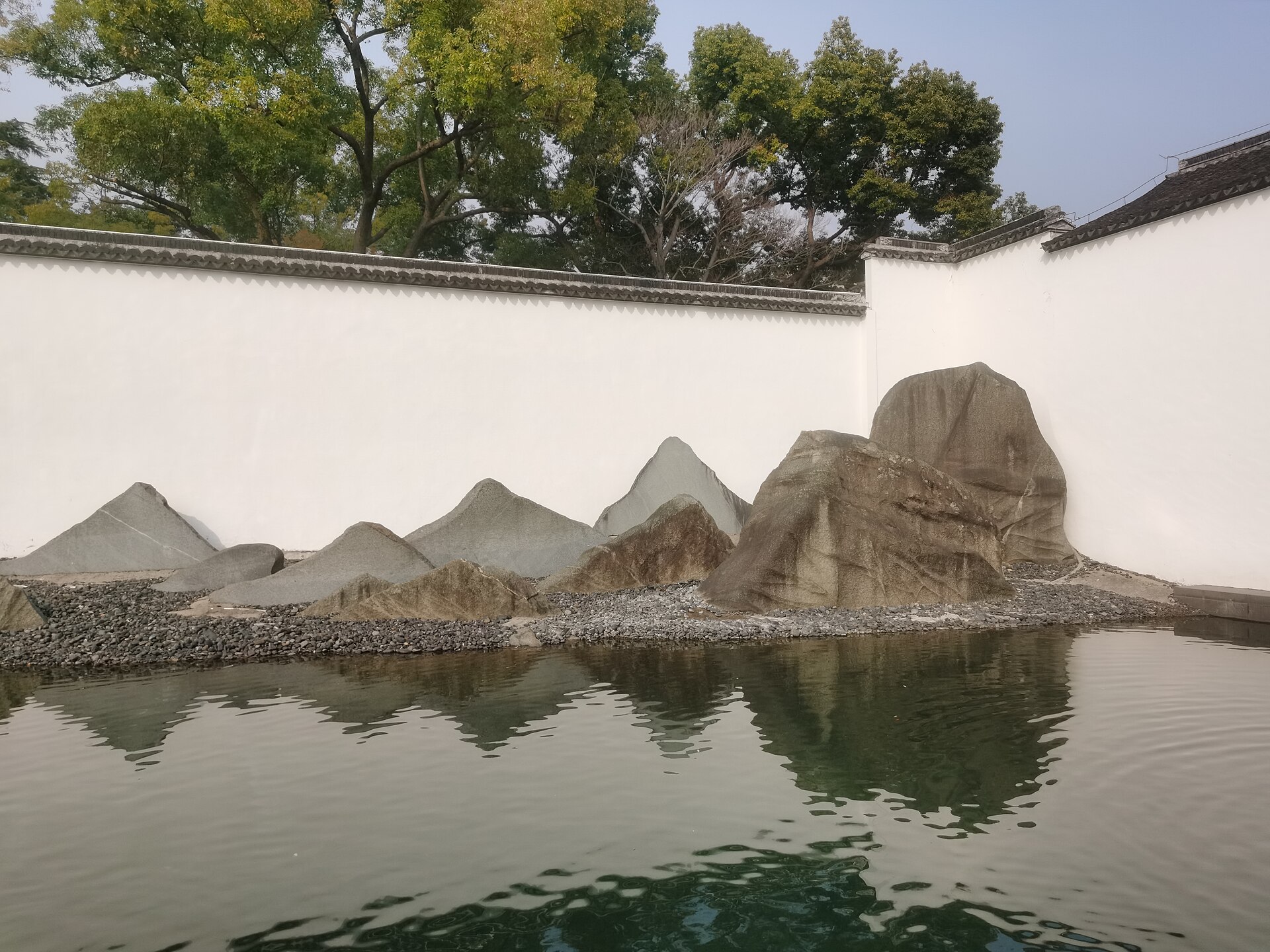
I.M. Pei's masterpiece - a modern-white interpretation of Suzhou's grey-tiled gardens beside the Humble Administrator's.
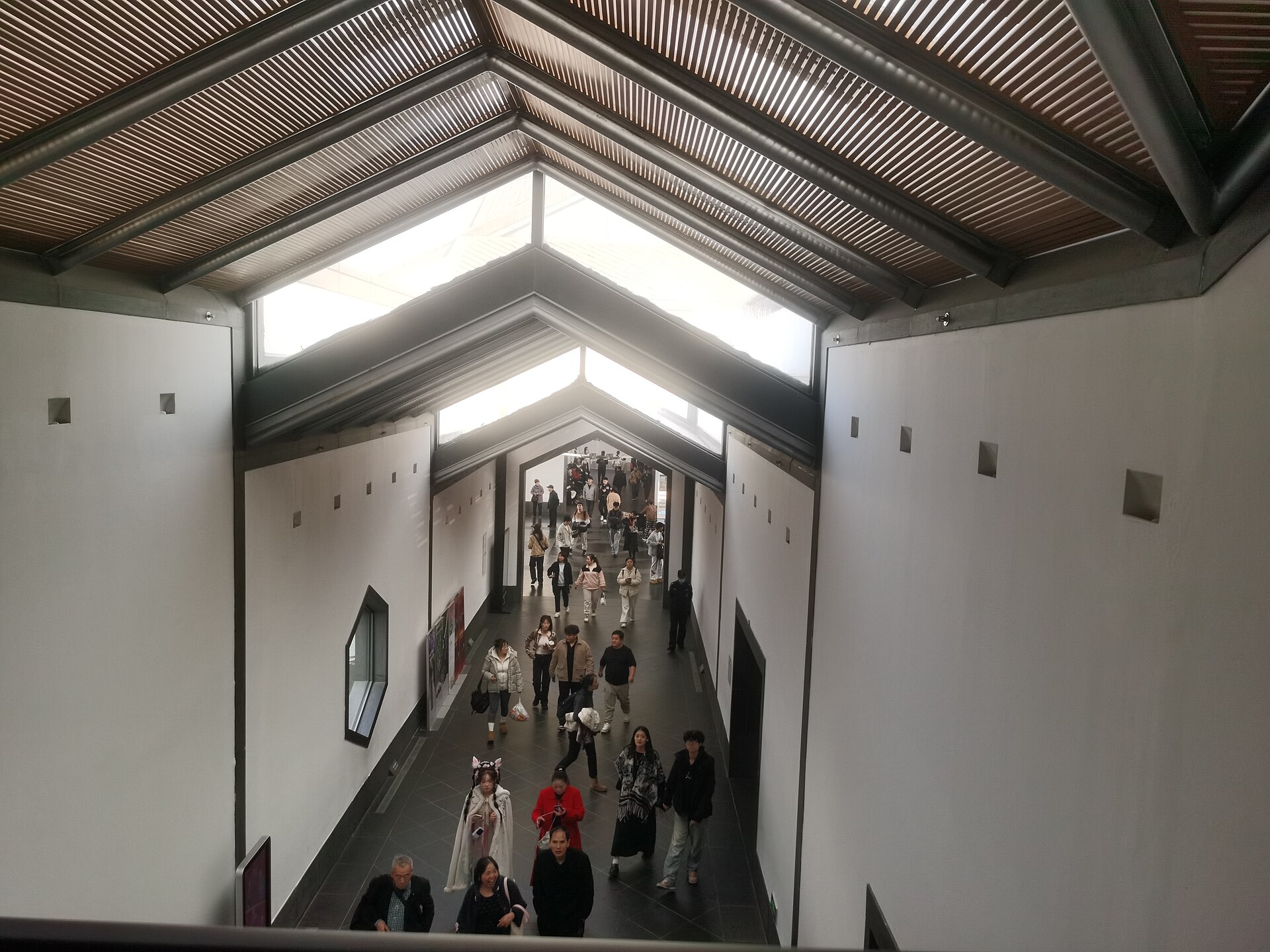
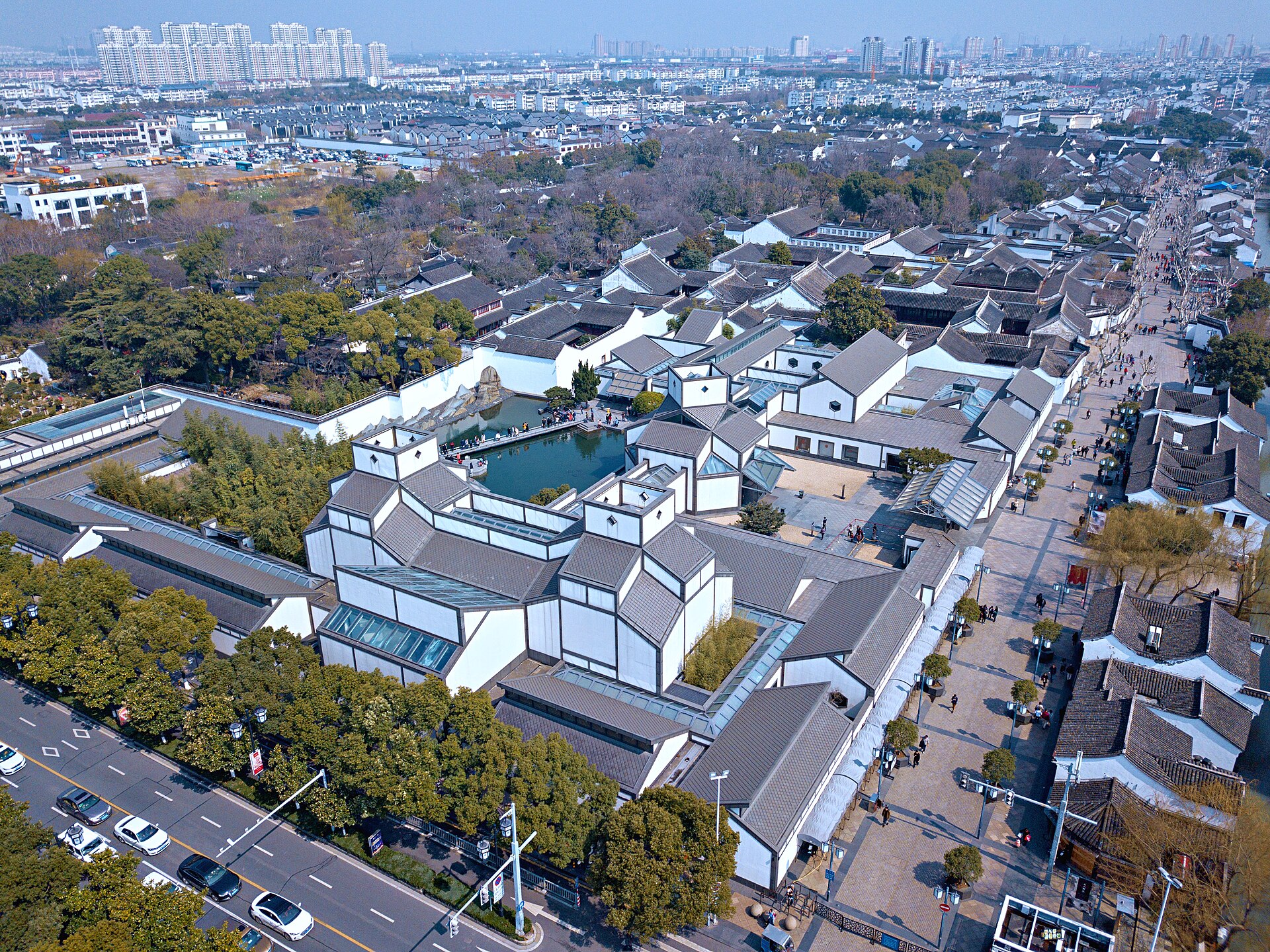
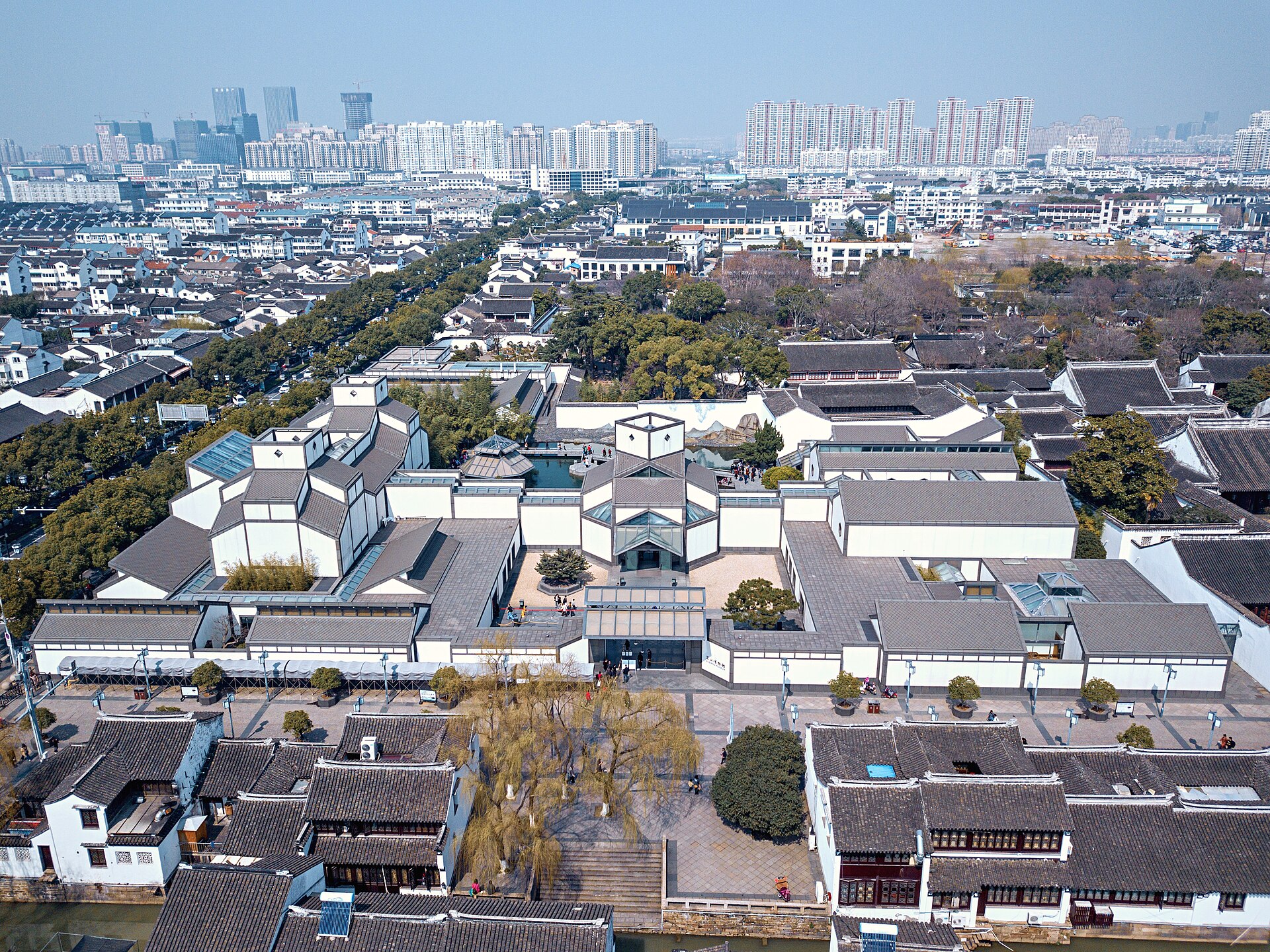
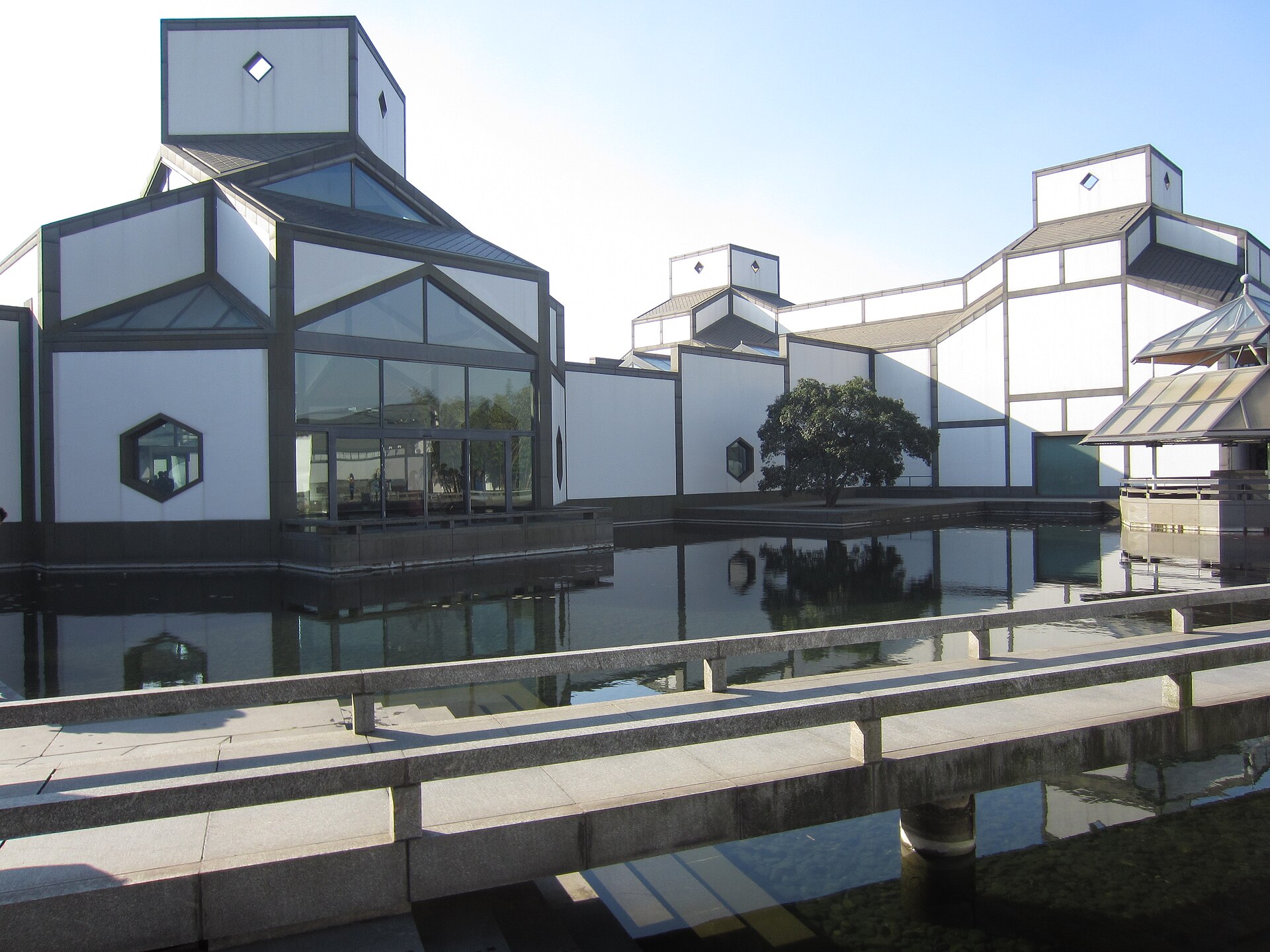
The Suzhou Museum, opened in 2006, was designed by I.M. Pei (whose ancestral home was Suzhou) as his 'beloved little daughter' - a modern building that reinterprets the classical Suzhou garden in contemporary language. White walls, grey-tiled roofs and geometric skylights create a gallery that is itself the museum's finest exhibit.
The collection focuses on Suzhou's cultural history: bronzes of the ancient Wu kingdom, Song-dynasty celadon, Ming furniture and calligraphy, and the museum's most famous piece - a Five Dynasties lotus bowl with its stand, considered the finest surviving mise celadon. The modern galleries are arranged around a central courtyard with a rockery and a lotus pond.
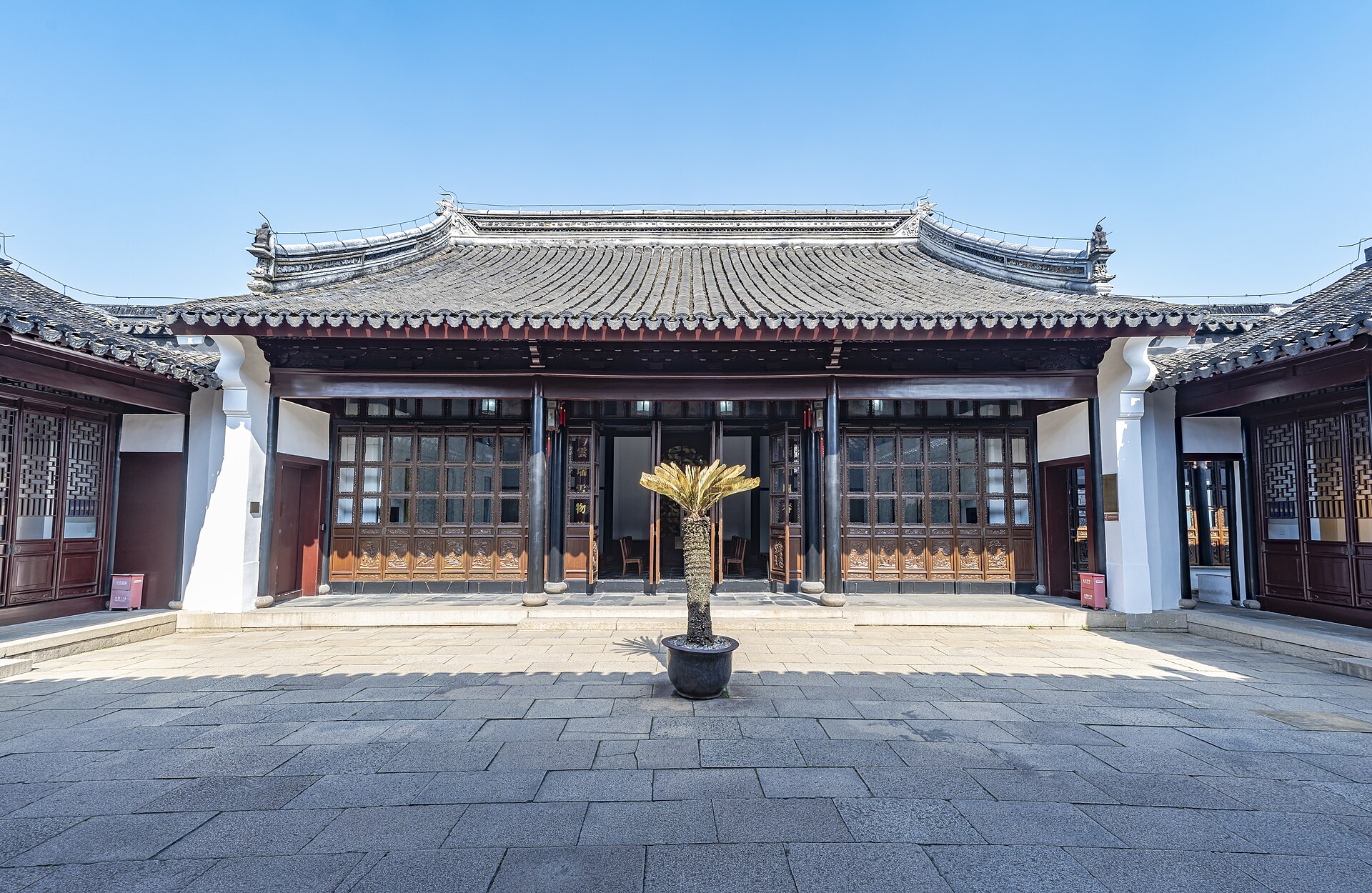
The museum's location, beside the Humble Administrator's Garden in the heart of the old city, makes it a natural pairing with the garden visit. The building itself - its geometric forms, its reflected light, its borrowed views of the surrounding white walls - rewards as much attention as the exhibits inside.
Highlights
The Pei Architecture
White walls, grey-tiled roofs and geometric skylights - the building as artwork.
The Central Courtyard
A modern rockery and lotus pond at the museum's heart.
The Five Dynasties Lotus Bowls
The museum's most famous pieces - rare celadon from the 10th century.
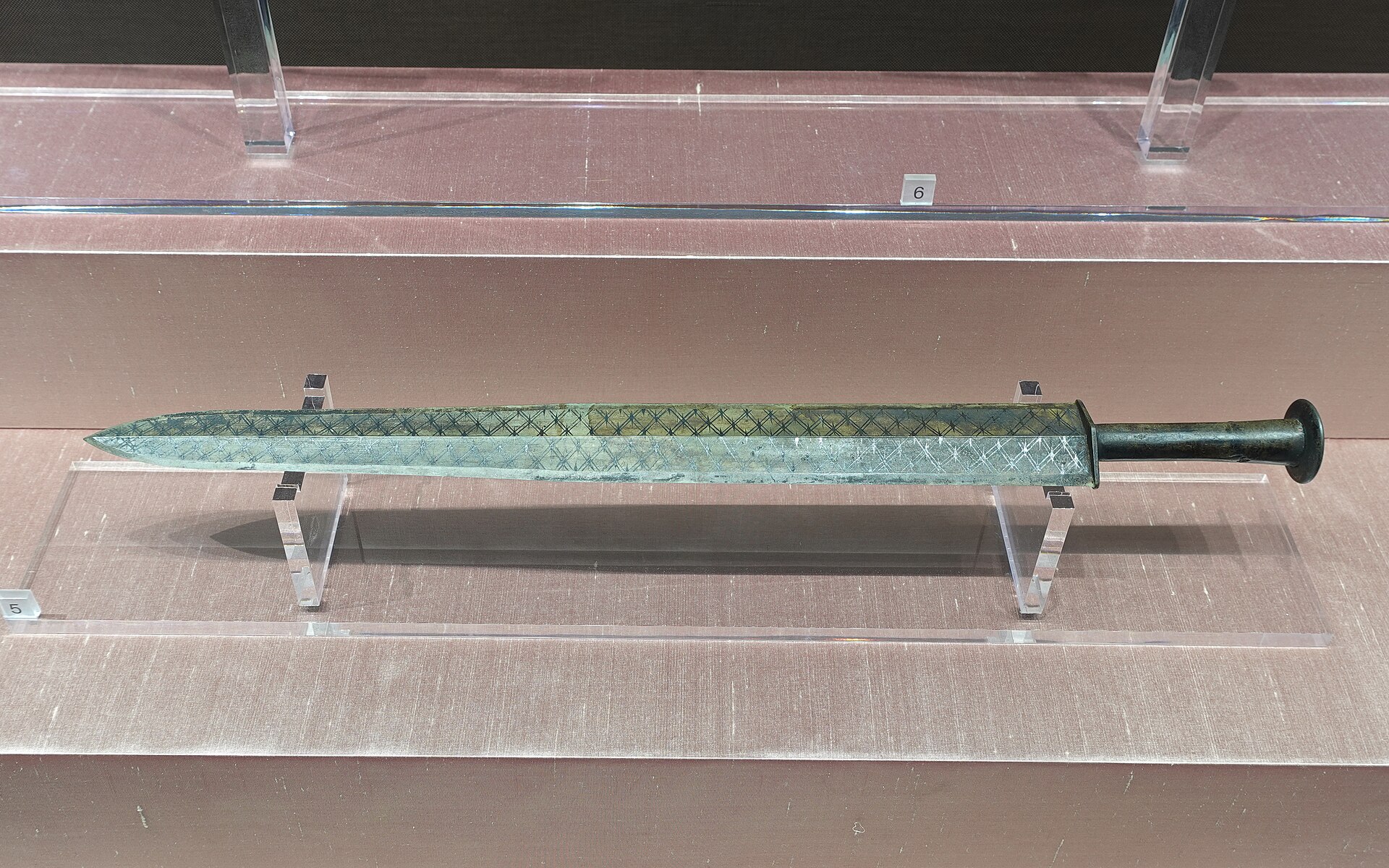
Bronzes of the Ancient Wu Kingdom
Swords and vessels from Suzhou's earliest kingdom.
The Ming Furniture Gallery
Huanghuali wood furniture arranged as period rooms.
The Borrowed Views
Pei's use of neighbouring garden walls as visual extensions.
Photo Gallery
Comments