 Travel in China
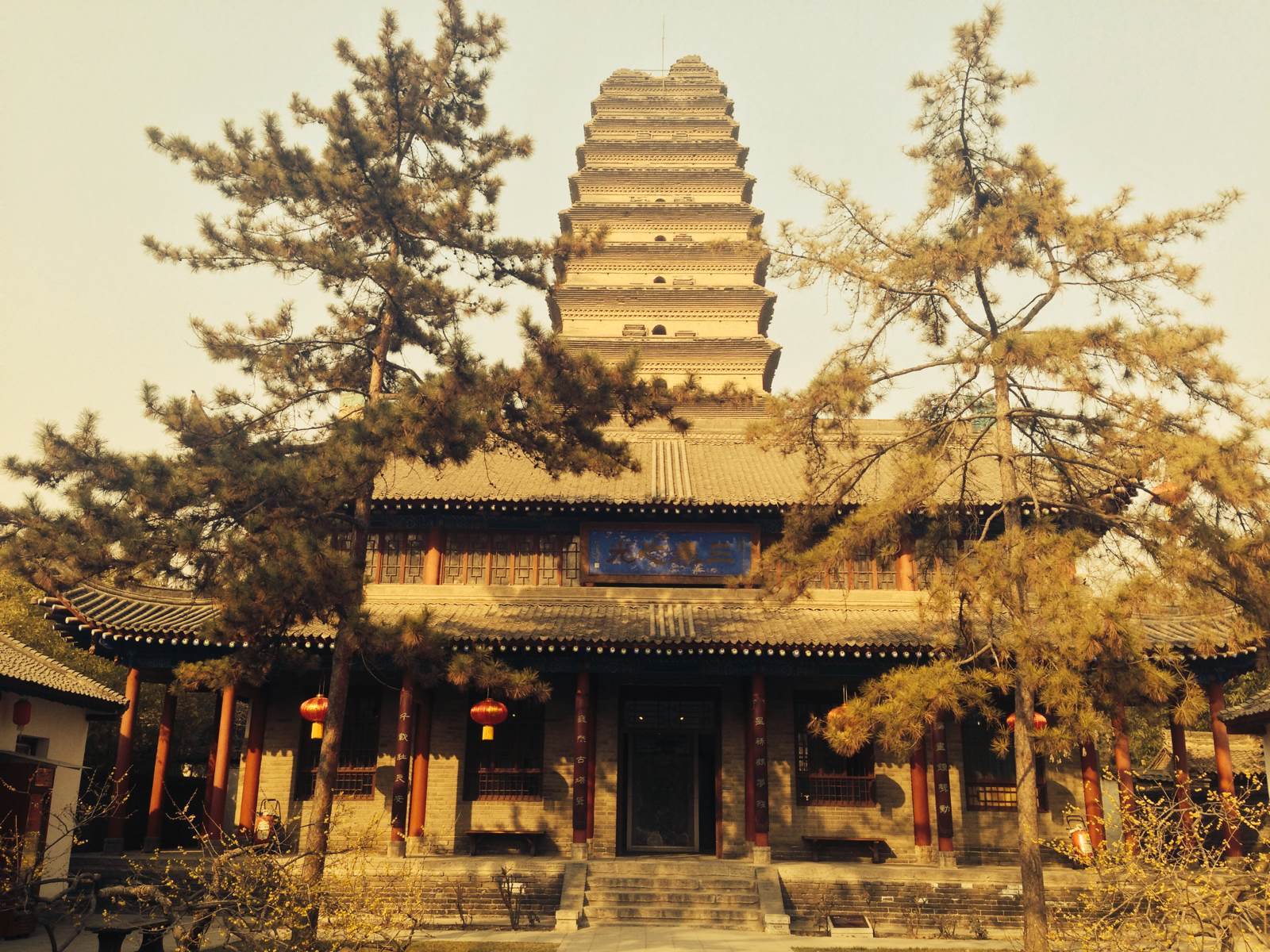
In a walled garden of ancient cypresses south of the South Gate, the Small Wild Goose Pagoda has graced the Jianfu Temple since 707 CE — a slim, 43-metre brick tower built to house the scriptures the monk Yijing carried back from India. Beside it, the Xi'an Museum displays 130,000 artefacts crowned by the Tang sancai 'Galloping Horse', while the park fills with locals practising tai chi. Quieter than the Big Wild Goose Pagoda, it is the city's most peaceful half-day of Tang history.
Dive deeper: full travel guide · transport & map · where to stay & book
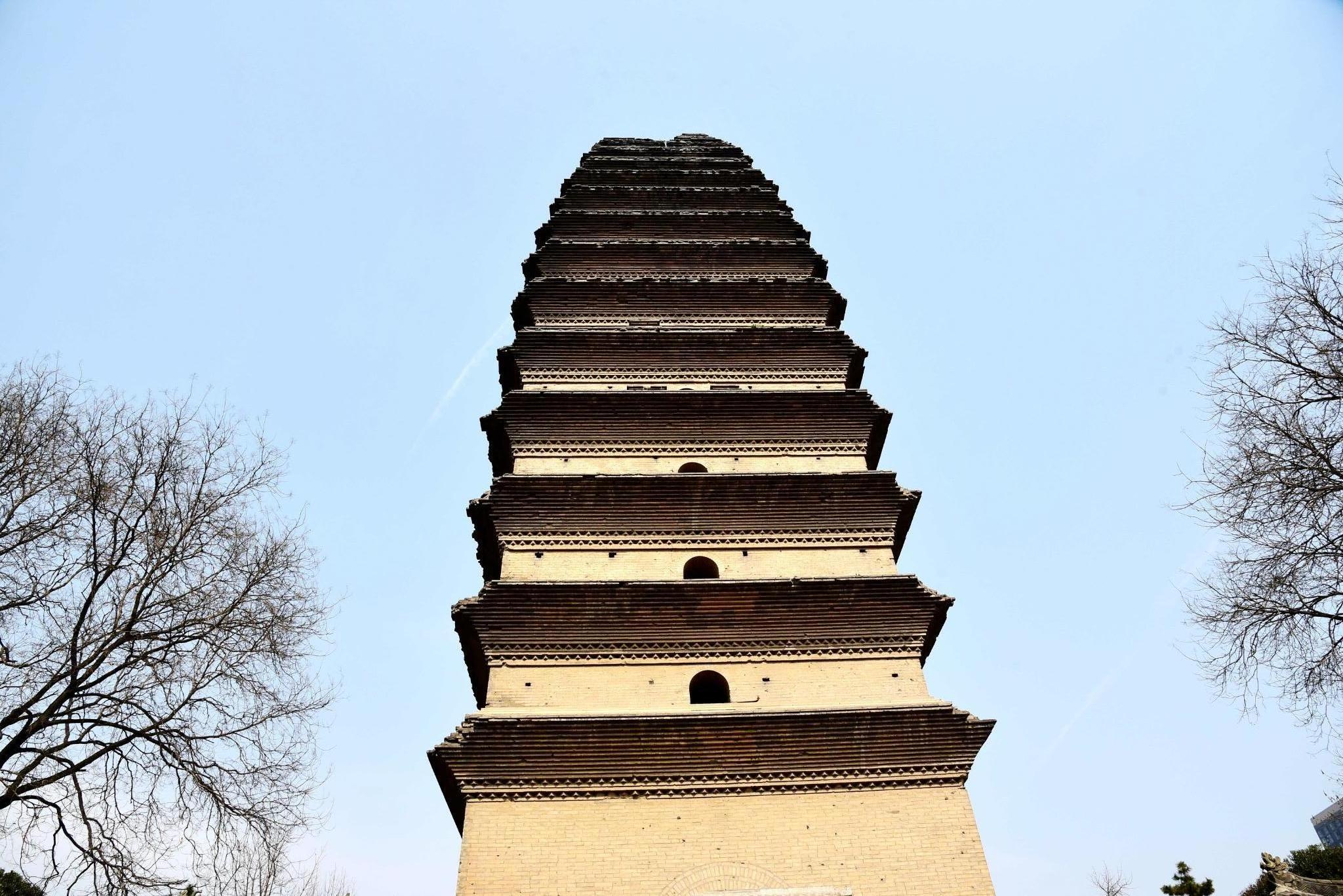
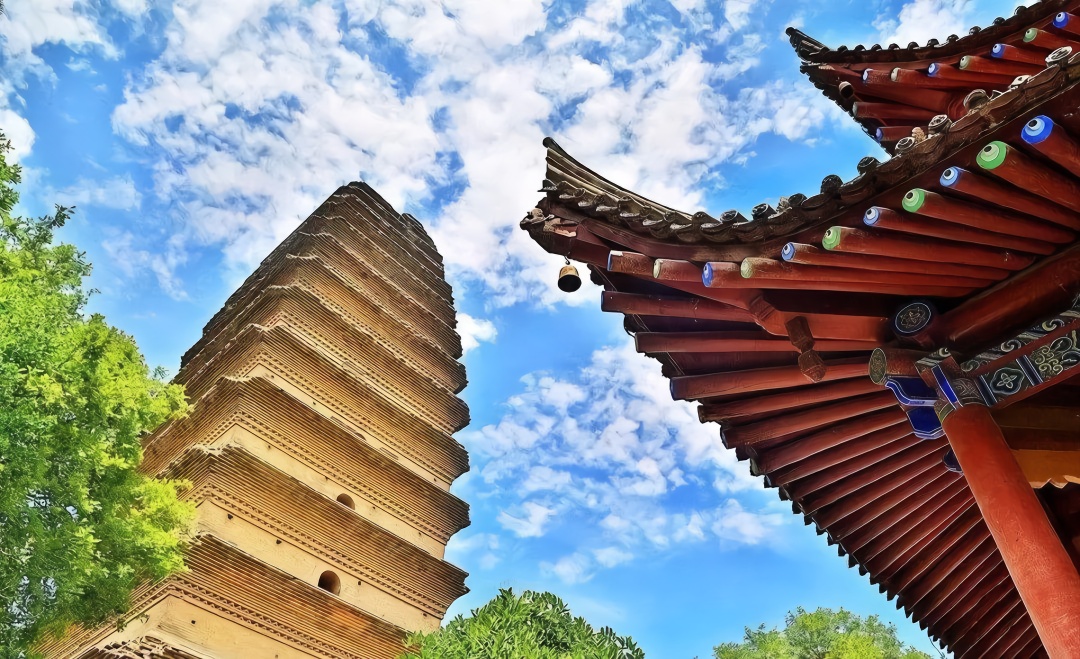
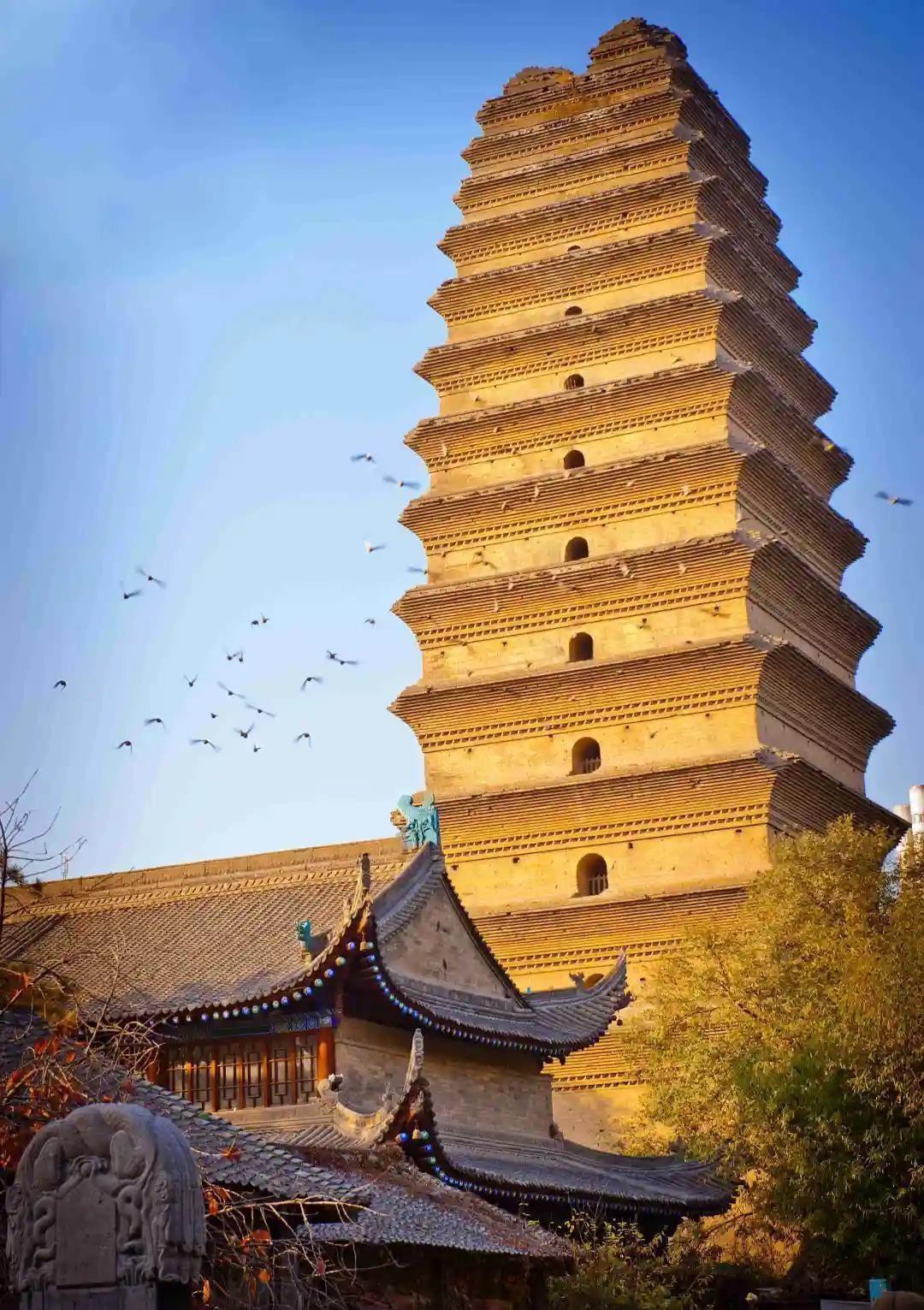
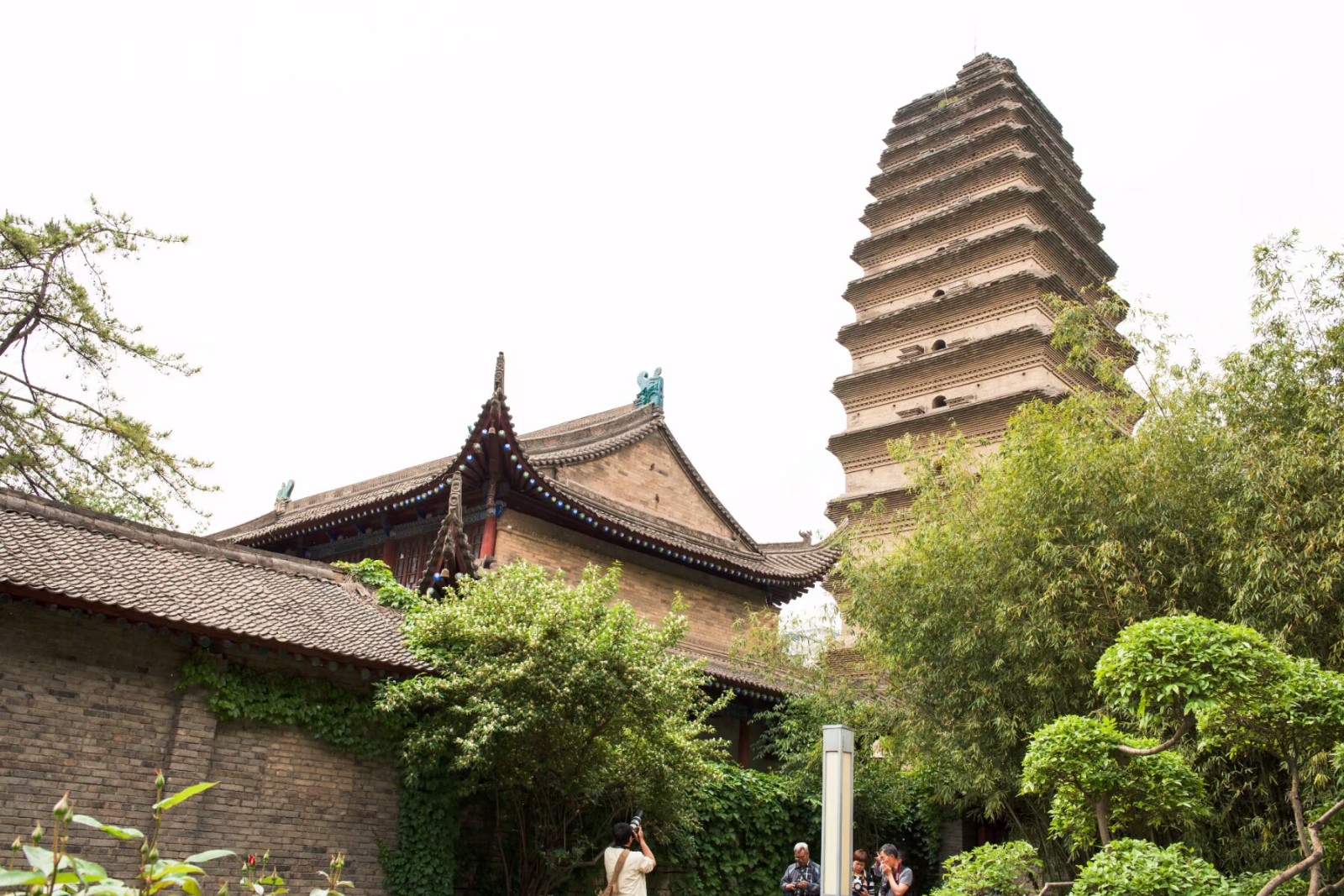
Rising from a walled garden of ancient cypresses just south of Xi'an's South Gate, the Small Wild Goose Pagoda has graced the grounds of Jianfu Temple since 707 CE, during the golden age of the Tang dynasty. This slim, elegant brick tower — originally built with fifteen stories and now standing at thirteen, the top levels lost to centuries of earthquakes — was raised to house the Buddhist scriptures that the monk Yijing carried back from his long pilgrimage to India. Standing 43 metres tall, it is widely regarded as the finest surviving example of a Tang multi-eaved brick pagoda, a masterpiece of medieval engineering whose survival, in a city repeatedly shaken by seismic activity, borders on the miraculous.
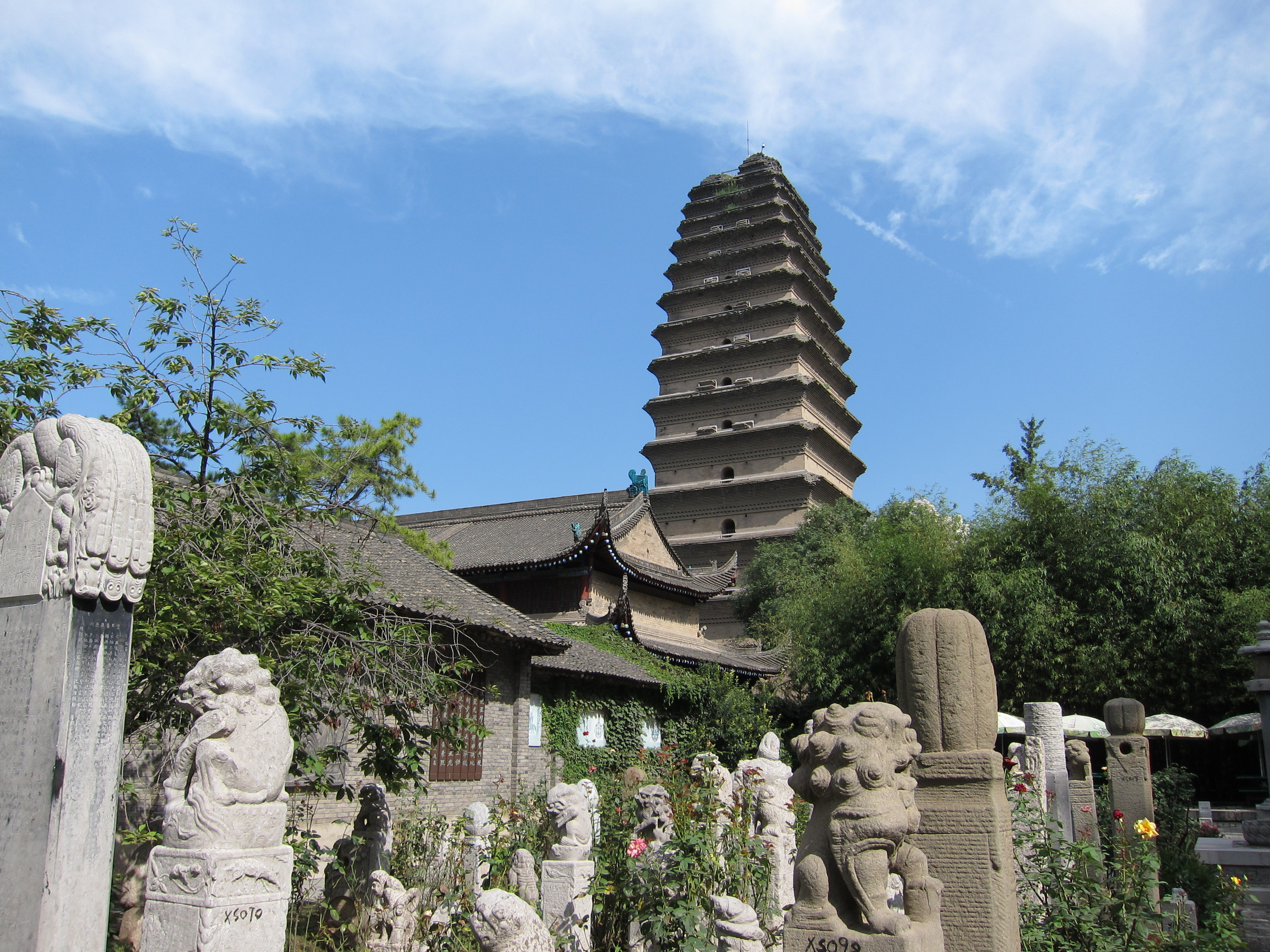
Visitors today enter a serene complex of Qing-dynasty halls, gnarled pagoda-trees, and weathered stone steles, where locals practise tai chi in the dappled morning light. The pagoda itself dominates the garden, its silhouette softened by the legend of "three cracks and three heals" — said to have split and re-fused in repeated earthquakes, a mythic testament to Tang craftsmanship. Each morning at nine, the temple's bell tower rings the ancient Jin-dynasty bell in the "Wild Goose Morning Bell," one of the classic Eight Views of Guanzhong. Beside the pagoda, the Xi'an Museum displays more than 130,000 artefacts of Tang-era Xi'an, crowned by the dazzling sancai "Galloping Horse" of a Tang prince. Since 2026, an XR digital experience also allows visitors to virtually climb the pagoda's interior and underground palace in perfect 1:1 scale.
The site remains free to enter and gloriously uncrowded — far quieter than its famous sibling, the Big Wild Goose Pagoda — making it Xi'an's most peaceful half-day immersion in Tang history. Standard hours run 8:30–18:00 (last entry 17:00), with an off-season schedule from mid-November to mid-March and closure on Tuesdays except national holidays. Set within easy reach of the South Gate and the Ming-era city walls, the complex anchors a leafy museum quarter where the rhythms of old Chang'an — bells, cypresses, and slow-moving rituals — still feel astonishingly intact at the heart of the modern metropolis.
Highlights
The Pagoda Itself
A 15-story original reduced by earthquakes to 13 graceful stories — the finest surviving Tang multi-eaved brick tower.
'Wild Goose Morning Bell'
The Jianfu Temple bell tower rings the old Jin-dynasty bell, one of the classic Eight Views of Guanzhong, at 9 a.m. daily.
Xi'an Museum Galleries
A purpose-built museum of Tang-dynasty Xi'an with 130,000+ items; the must-see is the sancai Galloping Horse of a Tang Prince.
Jianfu Temple Grounds
Qing-era halls, ancient pagoda-trees and stone steles where locals practise morning tai chi.
'Three Cracks, Three Heals' Legend
The pagoda is said to have split and re-fused in repeated earthquakes — a mythic testament to Tang engineering.
XR Digital Tower Climb
Since 2026, a virtual-reality experience lets you climb the pagoda's interior and underground palace 1:1.
Photo Gallery
Comments