 Travel in China
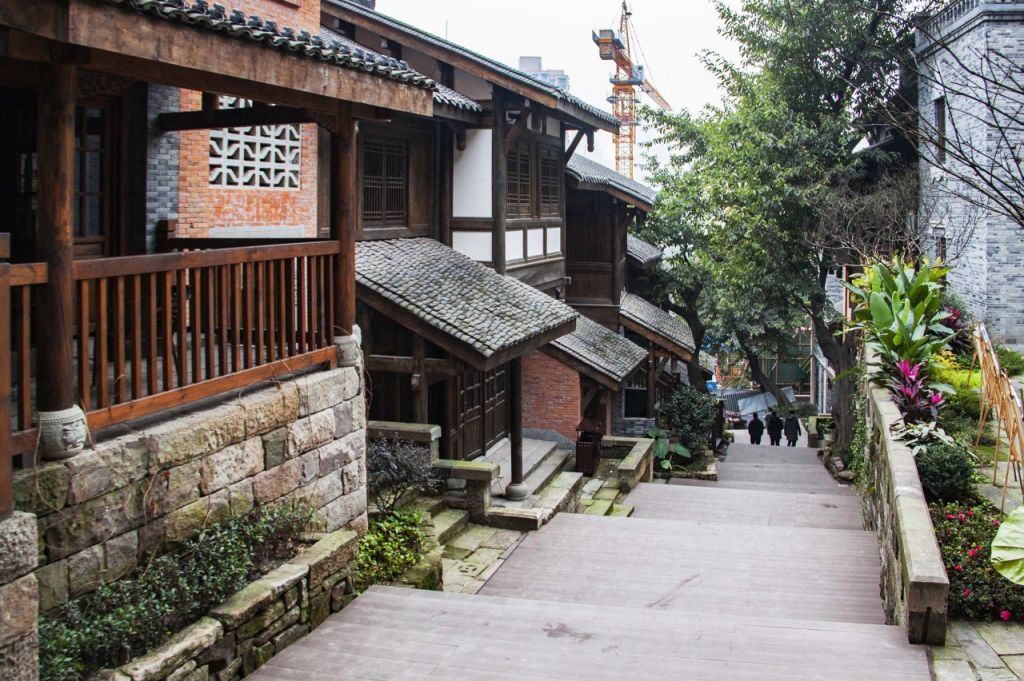
Shibati, the 'Eighteen Steps' — a free 5.9-hectare heritage district of stone stairs linking old upper and lower Chongqing, with WWII tunnel relics, Bayu stilted houses and a lantern-lit night scene.
Dive deeper: full travel guide · transport & map · where to stay & book
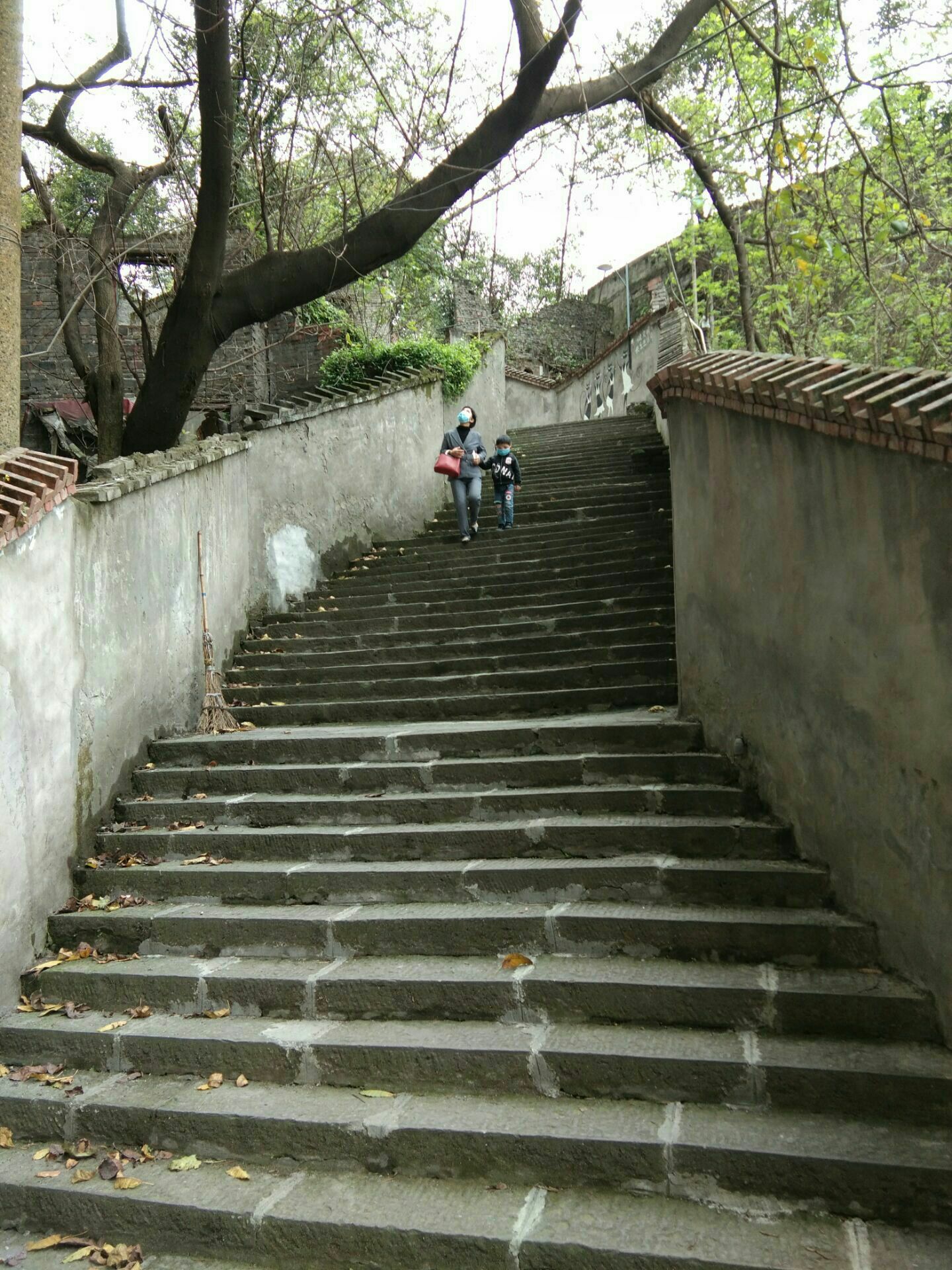
Shibati — the 'Eighteen Steps' — is the historic stone stairway that linked Chongqing's upper city, today's Jiefangbei CBD, with the lower river docks for over six centuries. Rebuilt and reopened on 30 September 2021 as an 88-mu (about 5.9-hectare) heritage district, it retains the original seven-step-and-eighteen-stair layout while adding rebuilt Bayu-style stilted houses, lantern-lit alleys and a mix of old teahouses, snack stalls and design shops. The name comes from a Ming-dynasty well whose water required exactly eighteen stone steps to reach — a name that stuck to the slope itself. Today the free district sits directly on the Jiaochangkou metro interchange, making it the most rail-accessible heritage street on the peninsula.
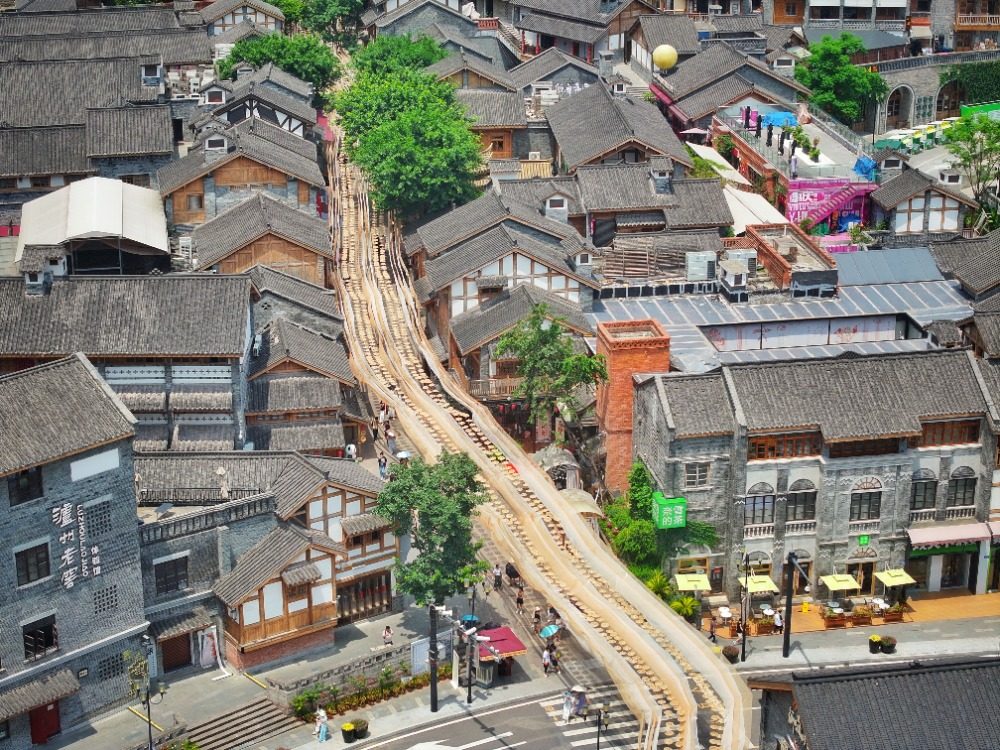
Beneath the nostalgia lies serious history. The Great Tunnel Relics Memorial preserves a WWII air-raid shelter — site of the tragic 1941 suffocation during the Chongqing bombing, remembered in a free, sobering hall that many tourists walk past without noticing. The Mountain City Memory Hall narrates old lane life, trades and photographs in about 20–40 minutes, while the rebuilt stilted wooden houses with bamboo-hooped walls and hanging eaves showcase traditional Chongqing construction along the slope. The signature view is the stepped main street itself: tiered grey-tile roofs, red lanterns and the upper-city towers of Jiefangbei rising behind, one of the most cinematic frames in the city.
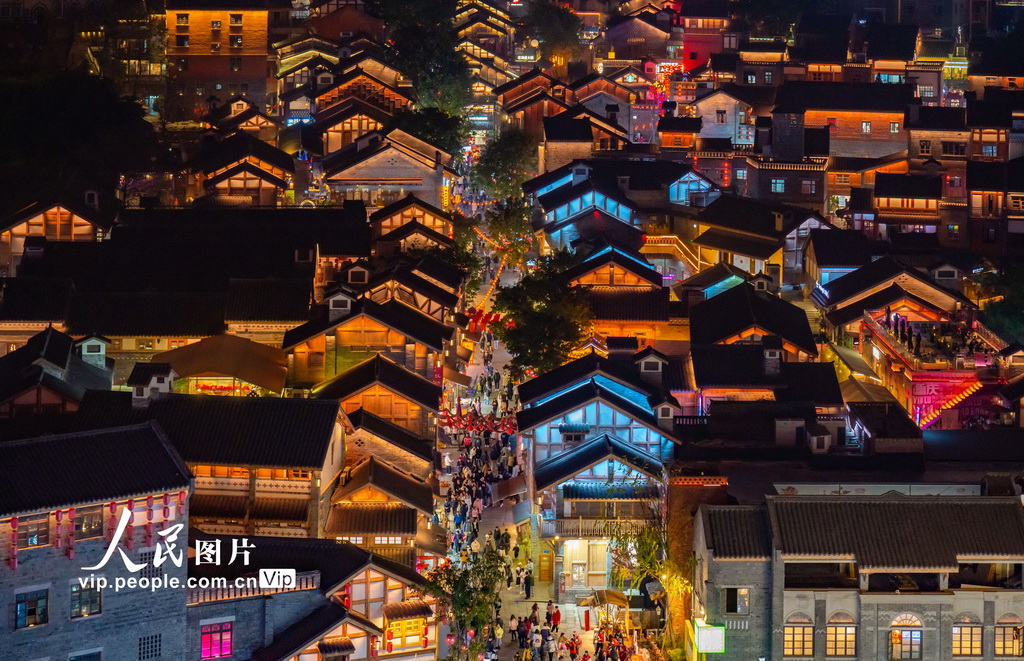
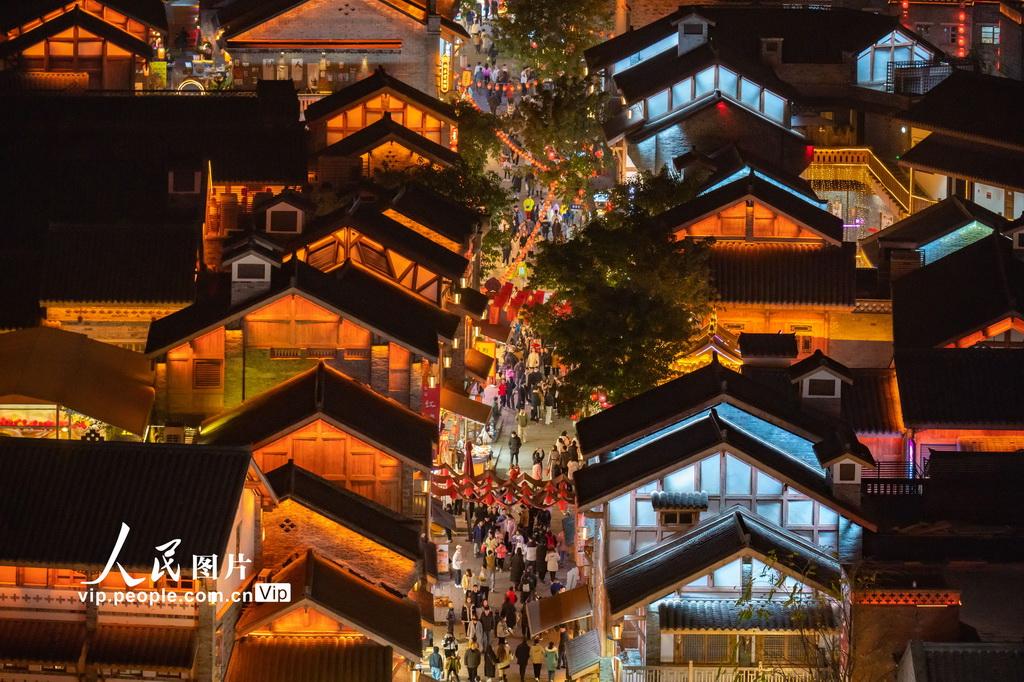
From about 18:00 the whole stepped street lights up with red lanterns — the postcard Chongqing night view without Hongya Cave's crush, mercifully less crowded and with far more breathing room. Six entrances including direct metro links make it effortless to reach: Line 1 Exit 3 and Line 2 Exit 11 of Jiaochangkou Station open directly into the district, a rare 'no climbing needed' entrance in this vertical city. Pair it with Shancheng Lane and Baixiangju for a one-day Yuzhong walk that uses the descents, saving the uphill climbs for escalators and elevators — the smart way to tour a city built straight up a hillside.
Highlights
The Great Tunnel Relics
A WWII air-raid tunnel turned memorial hall displaying artefacts from the 1941 Chongqing bombing — free, sobering, and often missed by tourists.
Main Staircase Skyline
The signature view down the stone steps: tiered grey-tile roofs, red lanterns and the upper-city towers of Jiefangbei rising behind.
Mountain City Memory Hall
Small free museum narrating Shibati's street life, trades and old photographs; about 20–40 minutes.
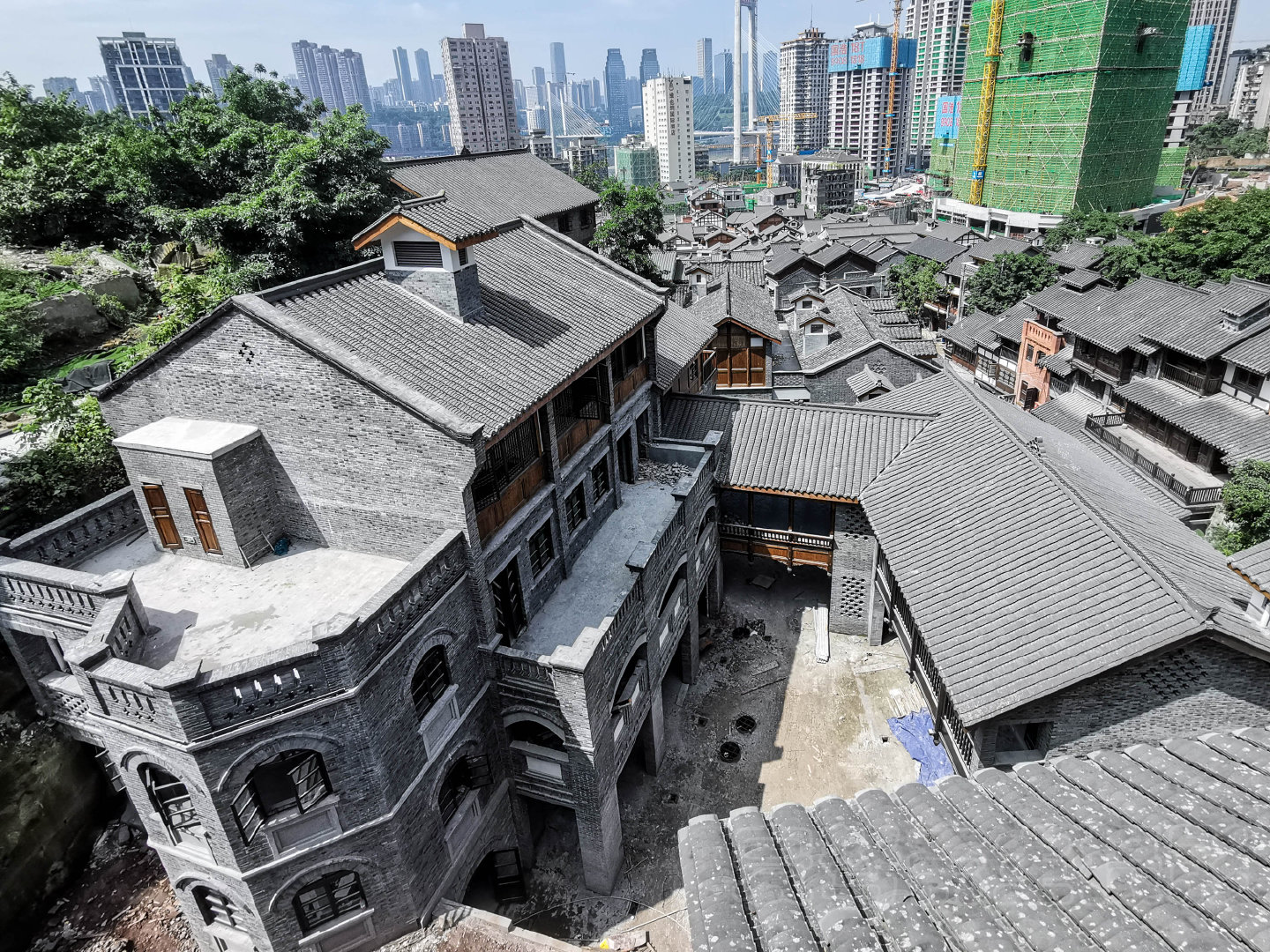
Bayu-Style Architecture
Rebuilt stilted wooden houses, bamboo-hooped walls and hanging eaves showcase traditional Chongqing construction along the slope.
Lantern Night Scene
From about 18:00 the whole stepped street lights up with red lanterns — the postcard Chongqing night view without Hongya Cave's crush.
Direct Metro Connection
Line 1 Exit 3 and Line 2 Exit 11 of Jiaochangkou Station open directly into the district, a rare 'no climbing needed' entrance in this vertical city.
Photo Gallery
Comments