 Travel in China
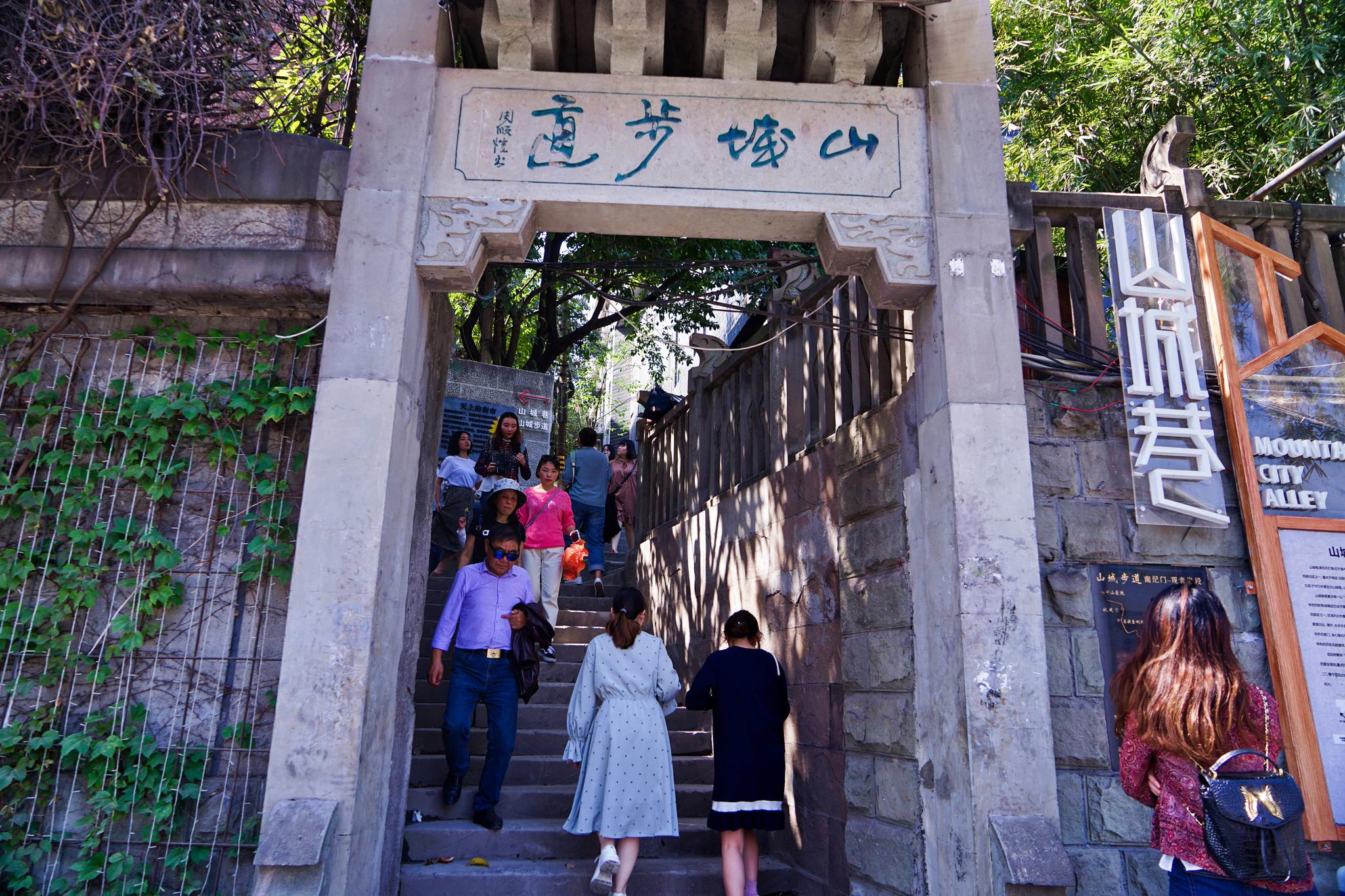
Shancheng Lane — the only street in Chongqing named after its 'Mountain City' nickname: a free 1.7 km cliff-hugging heritage lane of plank walkways, French hospital ruins and living teahouse alleys above the Yangtze.
Dive deeper: full travel guide · transport & map · where to stay & book
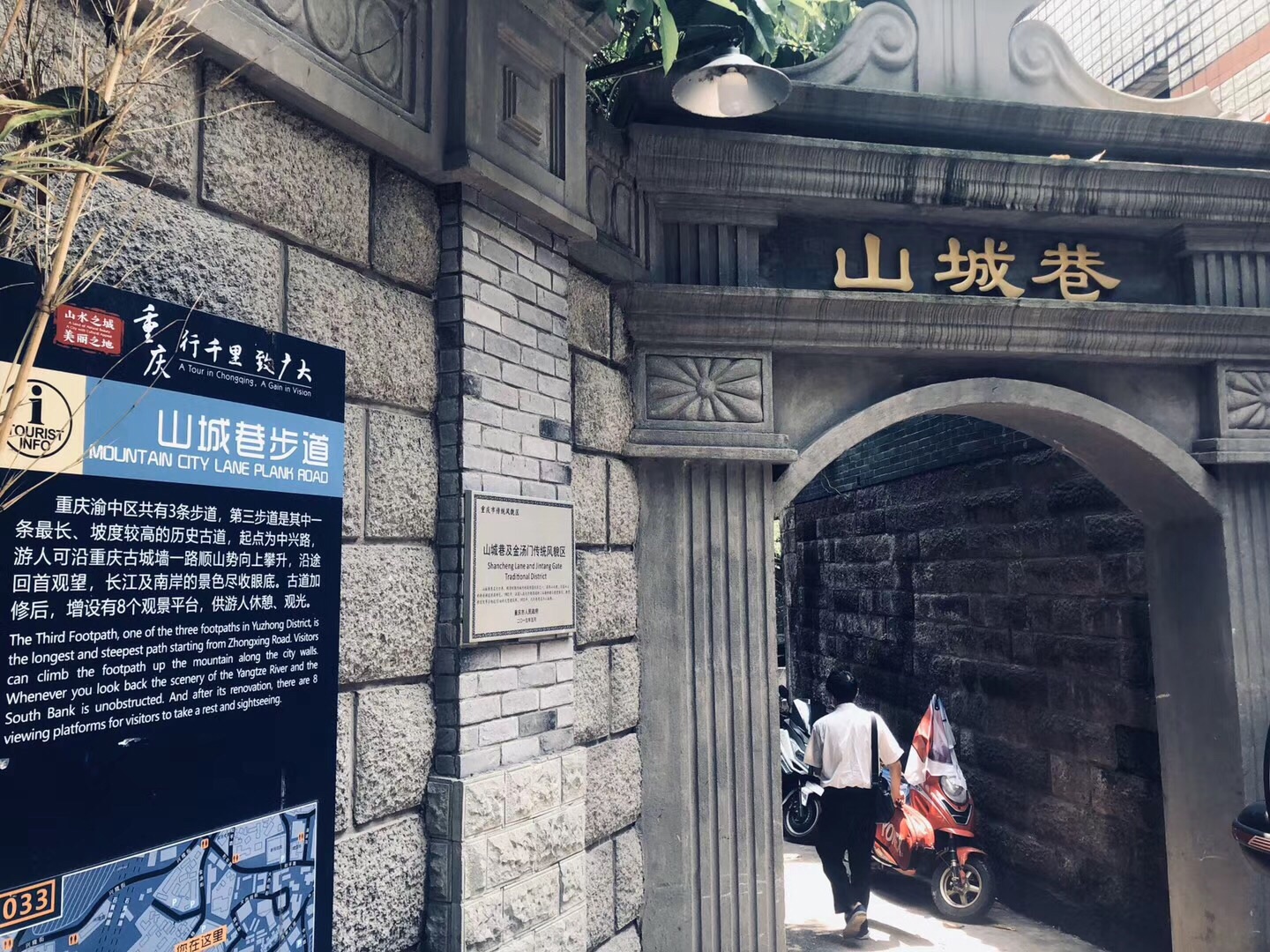
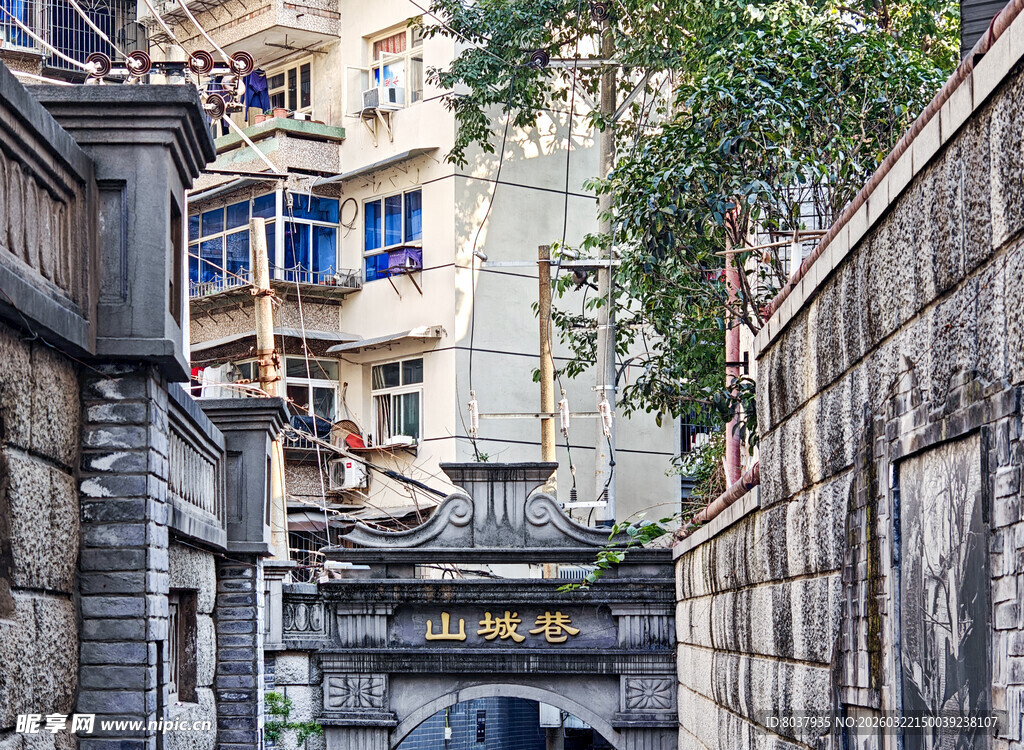
Shancheng Lane — Shancheng Xiang, the only street in Chongqing officially named after the city's 'Mountain City' moniker — is a 1.7-kilometre heritage lane clinging to the cliff face on the southern slope of the Yuzhong Peninsula. Once known as the city's Third Trail, it strings together Republican-era mansions, the haunting ruins of the Ren'ai Hospital founded by French missionaries in 1900–1902, and an overhanging plank walkway bolted directly onto bare rock, all above the Yangtze. From the top entrance near Consular Lane the whole route runs downhill, delivering layered views over the river, the Shibati rooftops and the Yangtze cable car gliding between the towers. It is the most authentic crash course in how ordinary Chongqing people have lived vertically for a century.
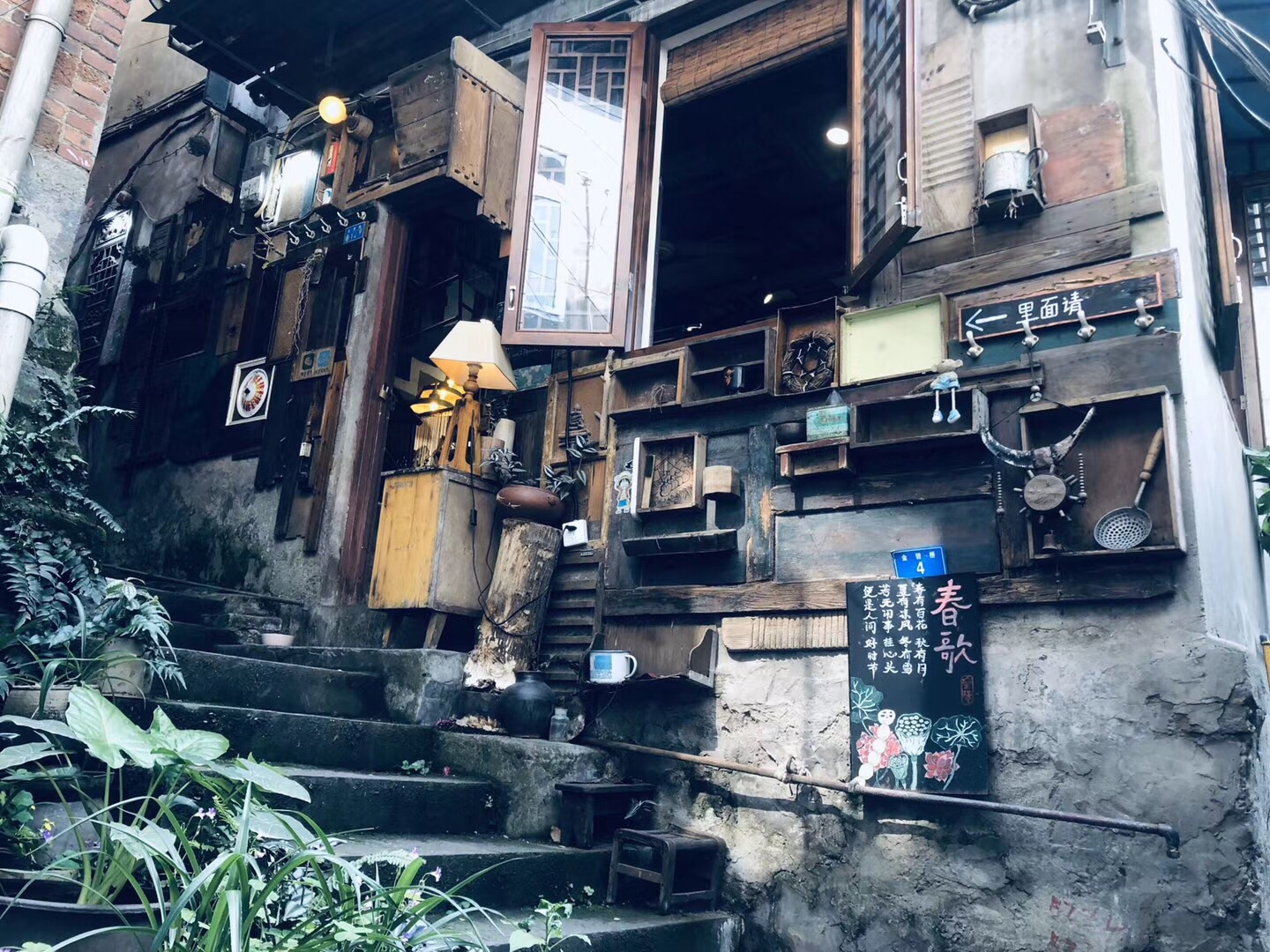
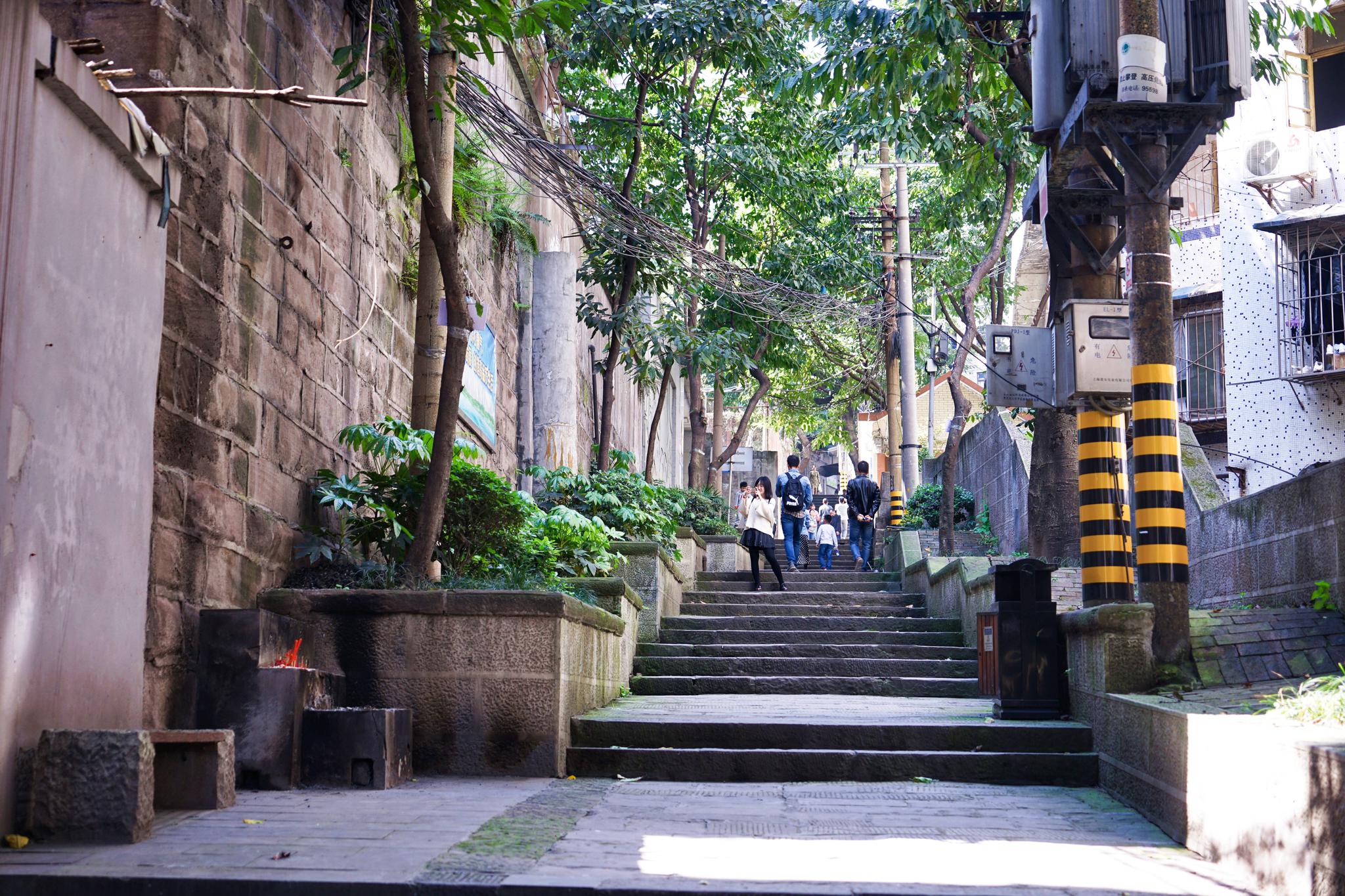
The walk reads like a vertical cross-section of the city. Enter at the top from Qixinggang beside Lingyuan and Consular Lane, pass the restored Republican mansions — among them Hou Lu, the 'Thick Cottage', with its signature bay windows — and the arched Gothic colonnade of the Ren'ai Hospital ruins, now the lane's most photographed skeleton. Then comes the suspended boardwalk, bolted onto the cliff face with open views over the Yangtze, the Baixiangju rooftops and the cable car crossing between towers. The lane continues past teahouses where grandmas sun themselves at doorways and laundry still hangs overhead, before ending at Zhongxing Road near the district court, a dozen storeys of stone steps below where you began. Gaiwan covered-bowl tea runs ¥20–40 a seat.
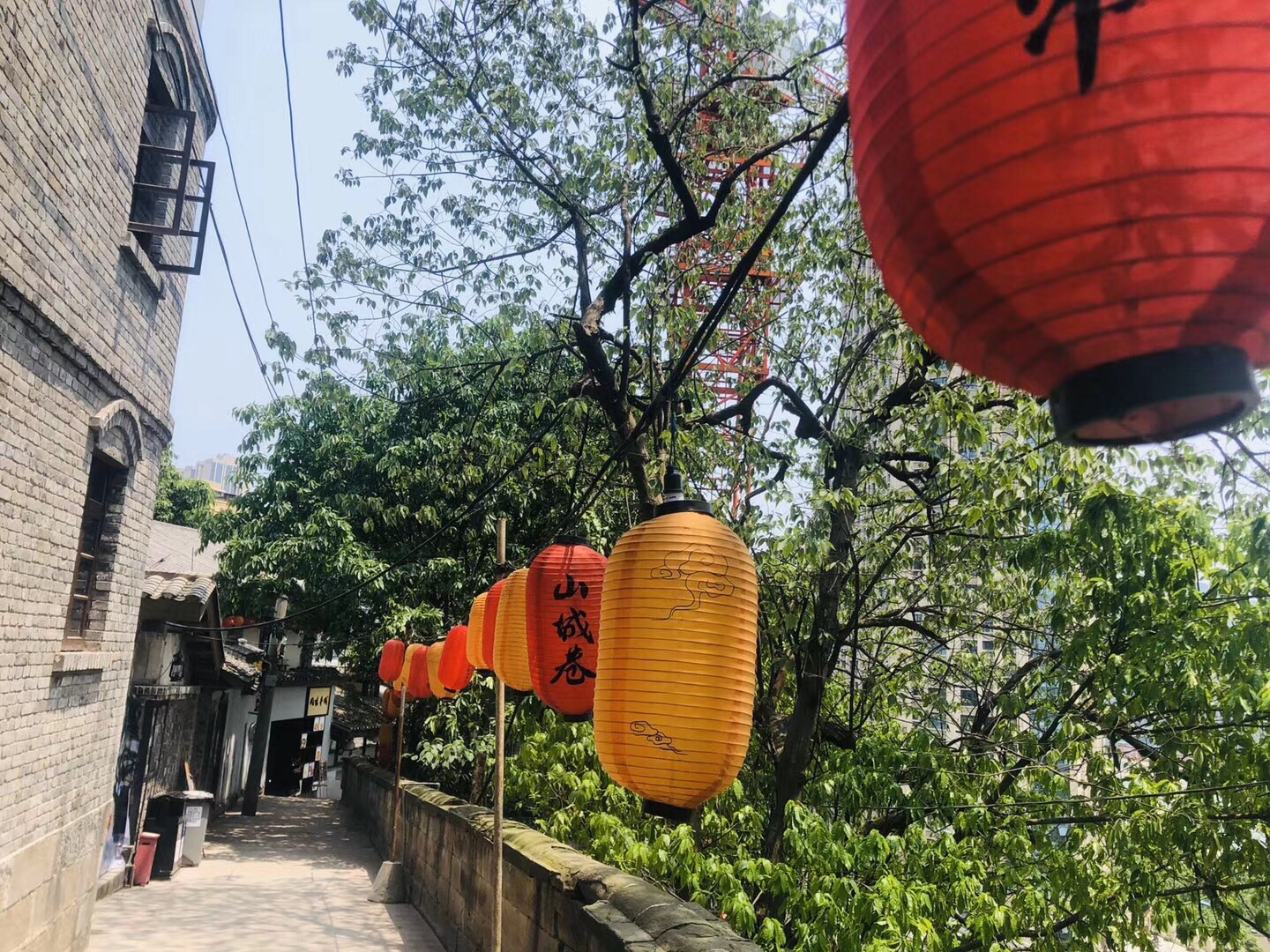
Unlike purpose-built tourist streets, Shancheng Lane is still inhabited: residents hang laundry, play mahjong and water pot plants as visitors browse craft shops and snack stalls, and the community asks only that you keep voices down and stay behind the railings at rooftop photo spots. After dusk the walkway lamps light the cliff while the cable car, Dongshuimen Bridge and the Yuzhong skyline glitter across the water — arrive in the golden hour before sunset and stay for the switch to neon. The lane anchors a walkable heritage cluster: Shibati's Jiaochangkou entrances lie ten minutes east, Baixiangju and the cableway's north station twenty, making this the natural spine of a full day on the peninsula's southern slope.
Highlights
Cliff-Side Plank Walkway
A suspended boardwalk bolted onto the cliff face with open views over the Yangtze River, the Baixiangju rooftops and the cable car crossing between towers.
Ren'ai Hospital Ruins
The haunting skeleton of a French missionary hospital founded in 1900–1902, its arched colonnade now a photographic landmark of the lane.
Consular Lane Summit Entrance
Entering from the top near Lingyuan/Consular Lane means the entire 1.7 km walk is downhill — the smartest way to experience a city built on a 40-metre slope.
Living Old Alley Atmosphere
Unlike rebuilt tourist streets, Shancheng Lane still has residents: laundry lines, mahjong sounds and ¥20–40 gaiwan tea in courtyard teahouses.
Hou Lu (Thick Cottage)
A restored Republican-era residence with distinctive bay windows and period architecture, one of the best-preserved houses on the lane.
Night View of the Yangtze
After dusk the walkway lamps light the cliff while the cable car, Dongshuimen Bridge and Yuzhong skyline glitter across the water.
Photo Gallery
Comments