 Travel in China
A river island of 150 colonial-era buildings - French and British banks under 300-year-old camphors.
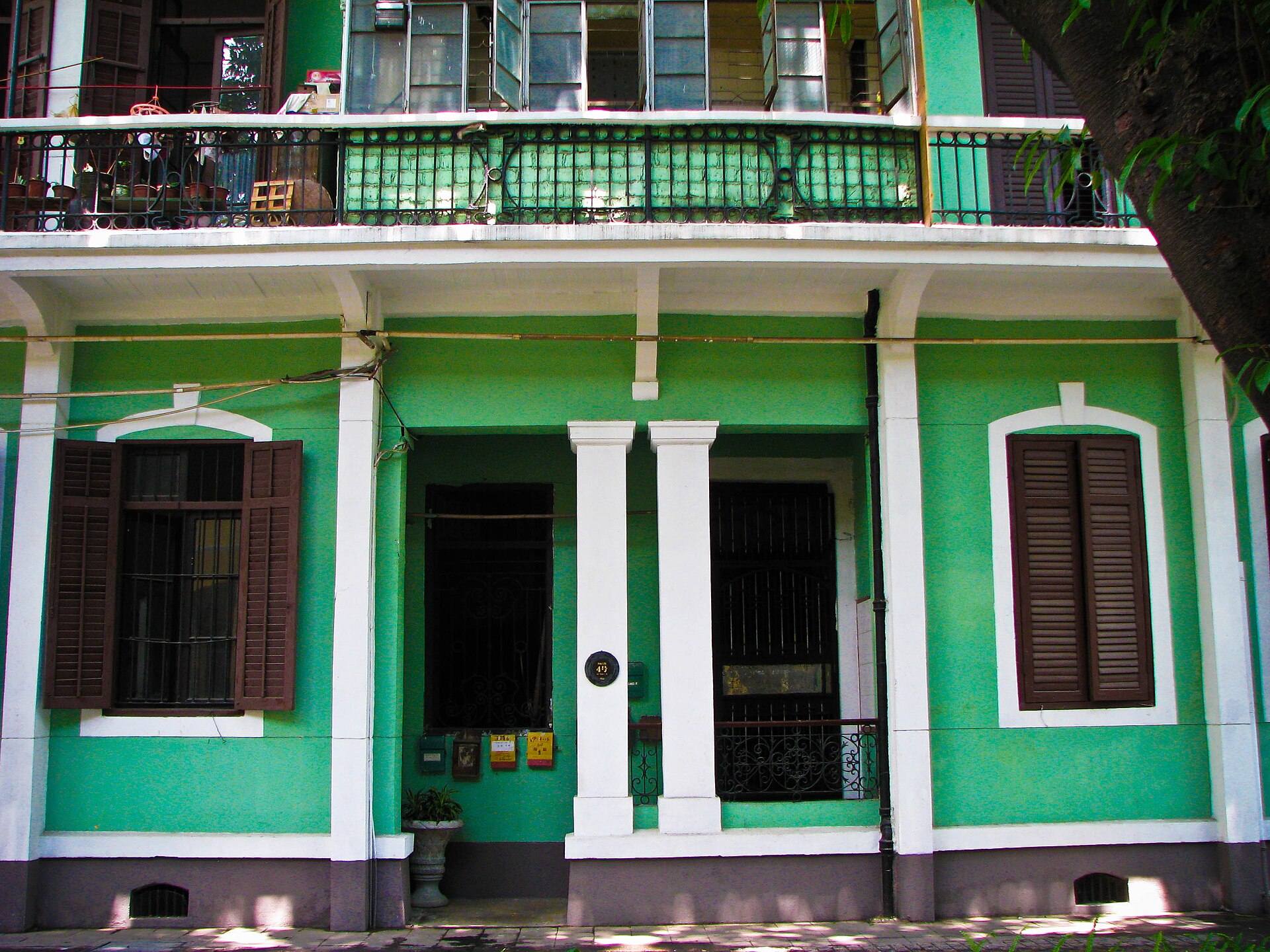
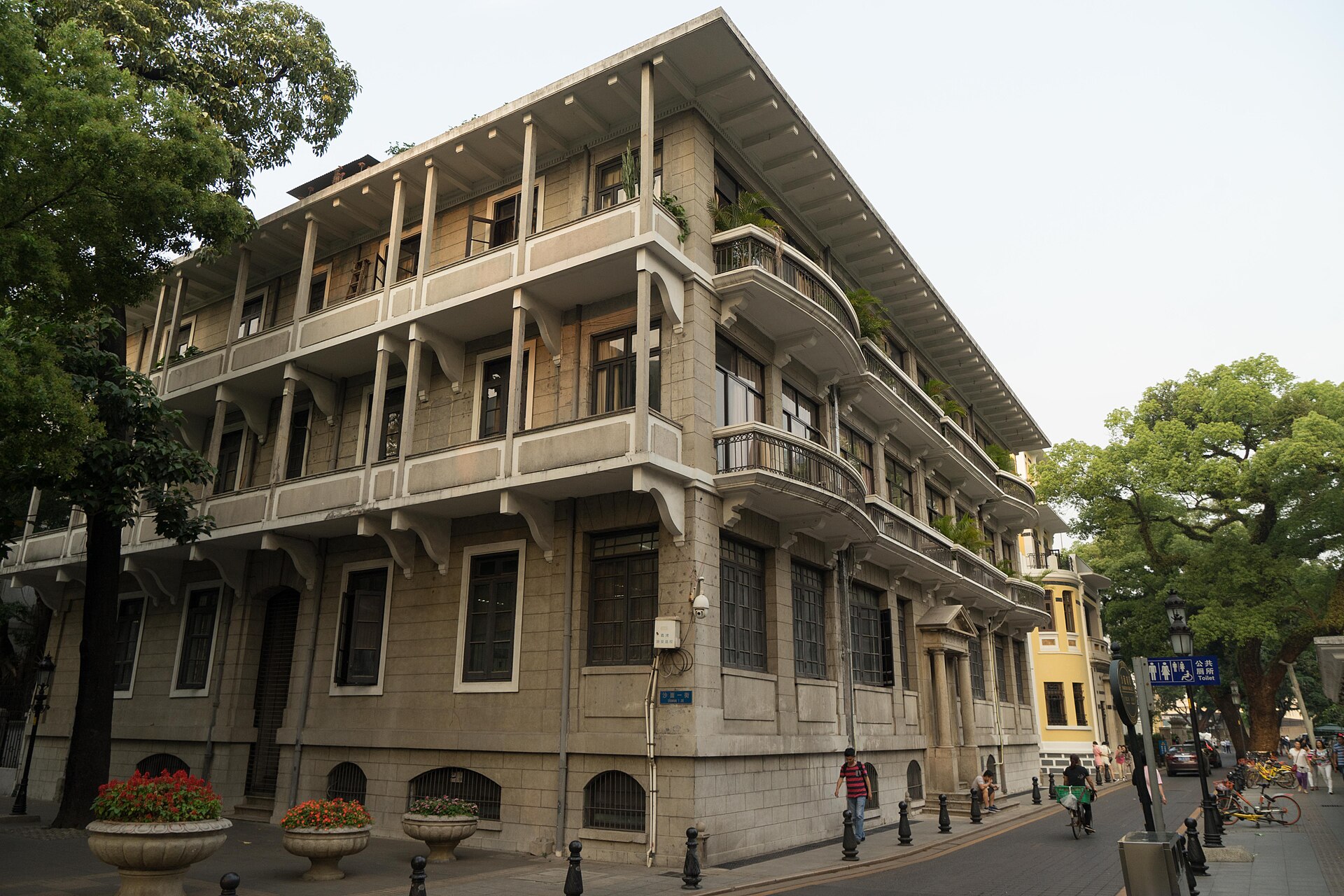
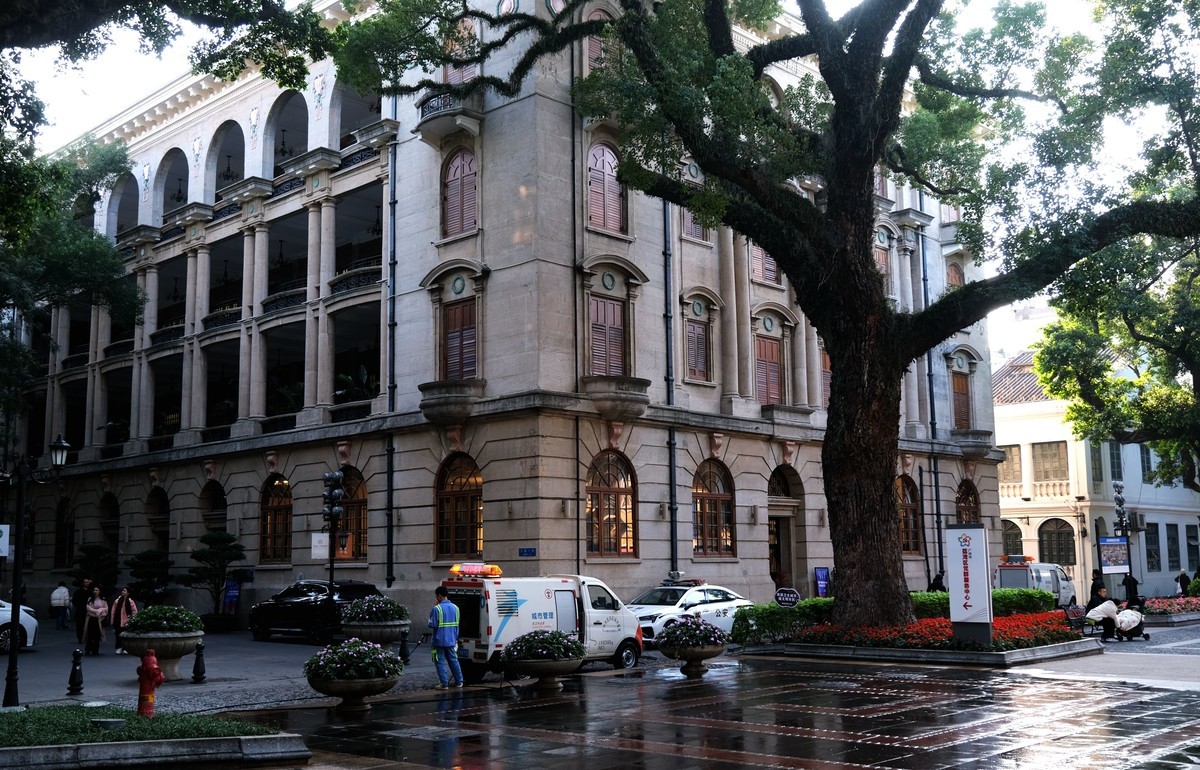
Shamian Island is a 0.3-square-kilometre sandbank in the Pearl River that served as the British and French concession from 1859 to 1943. During that period, the foreign trading companies built their banks, consulates and residences along the island's tree-lined avenues - creating what is today the finest collection of colonial architecture in southern China.
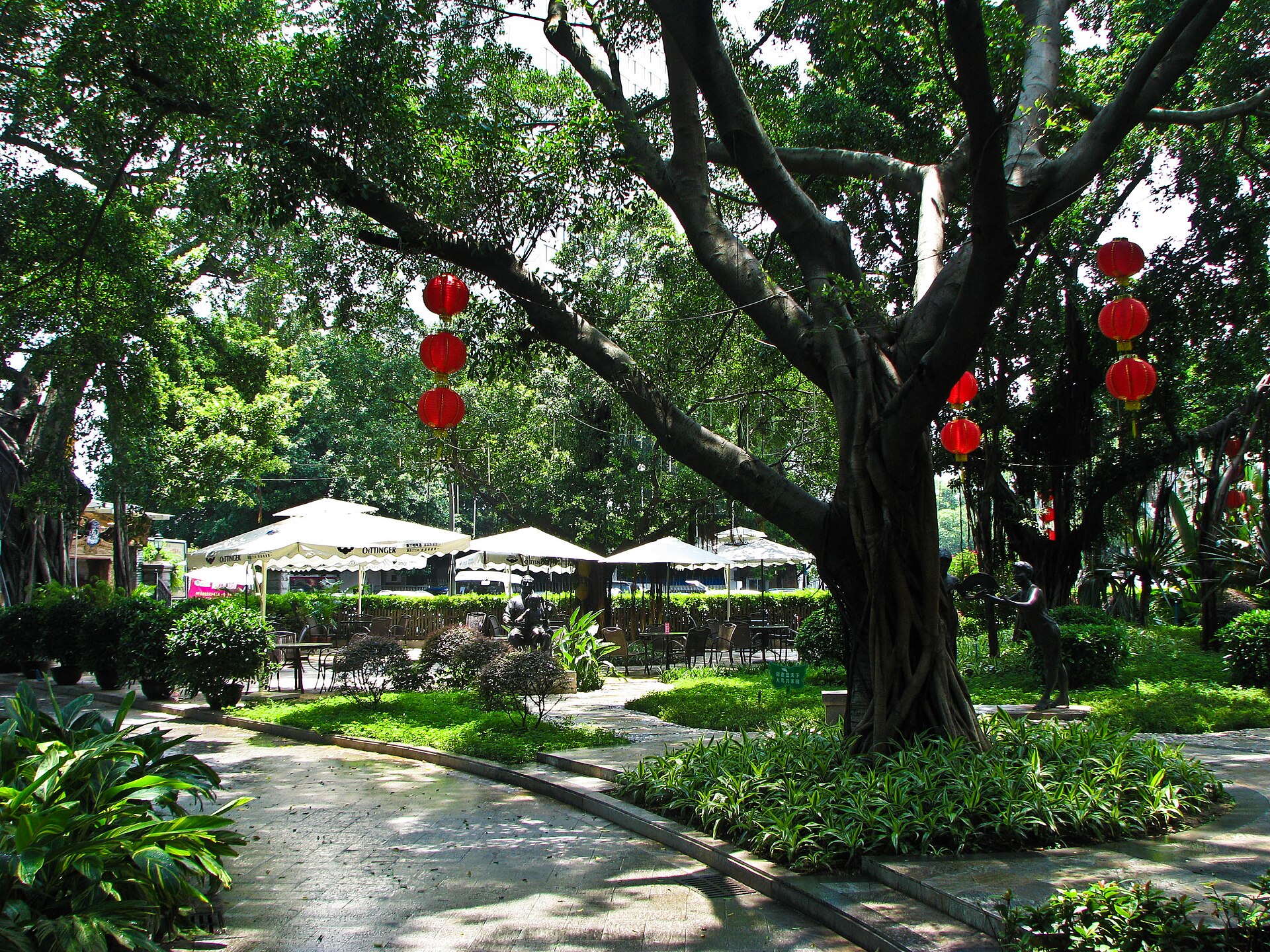
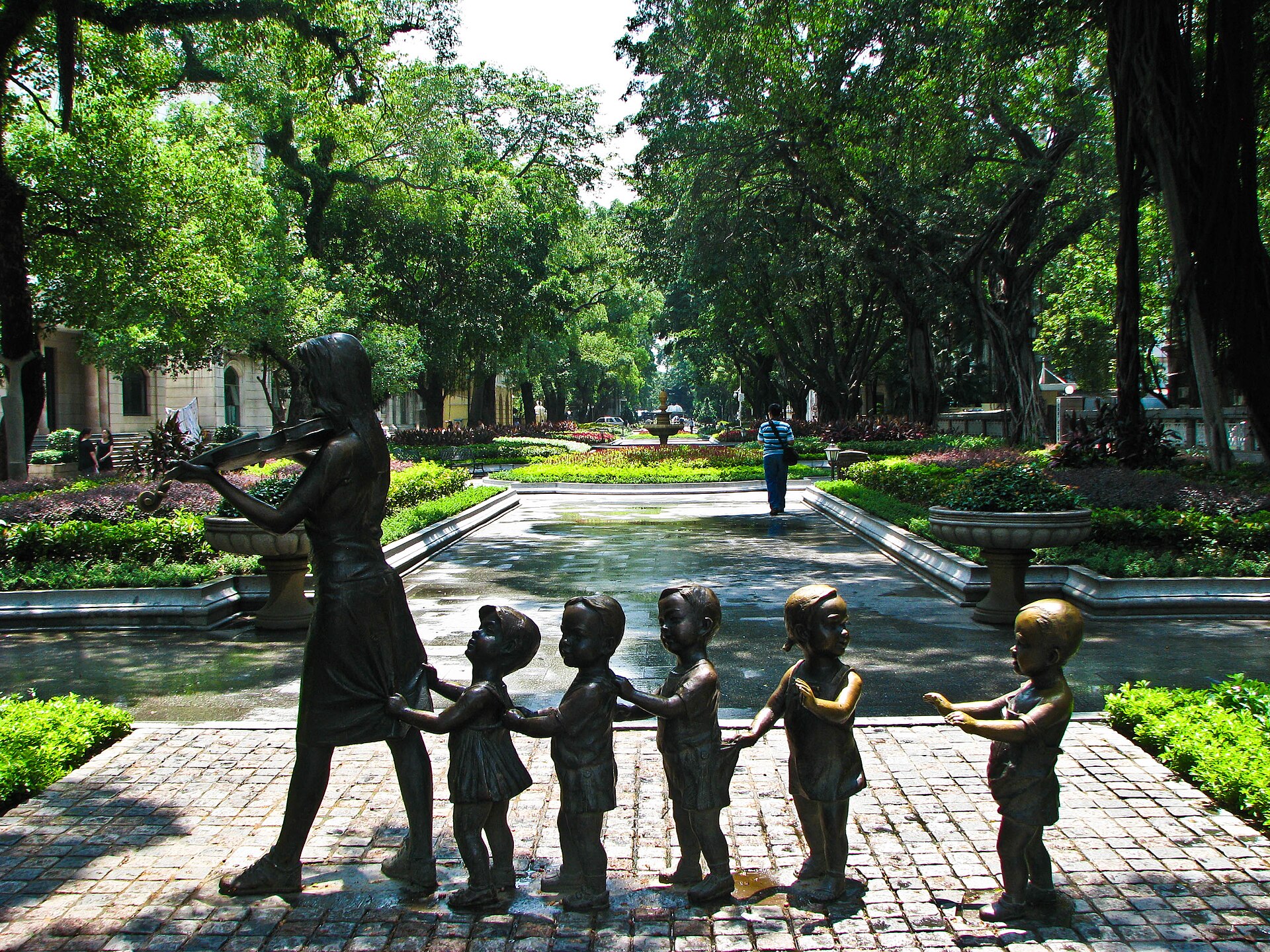
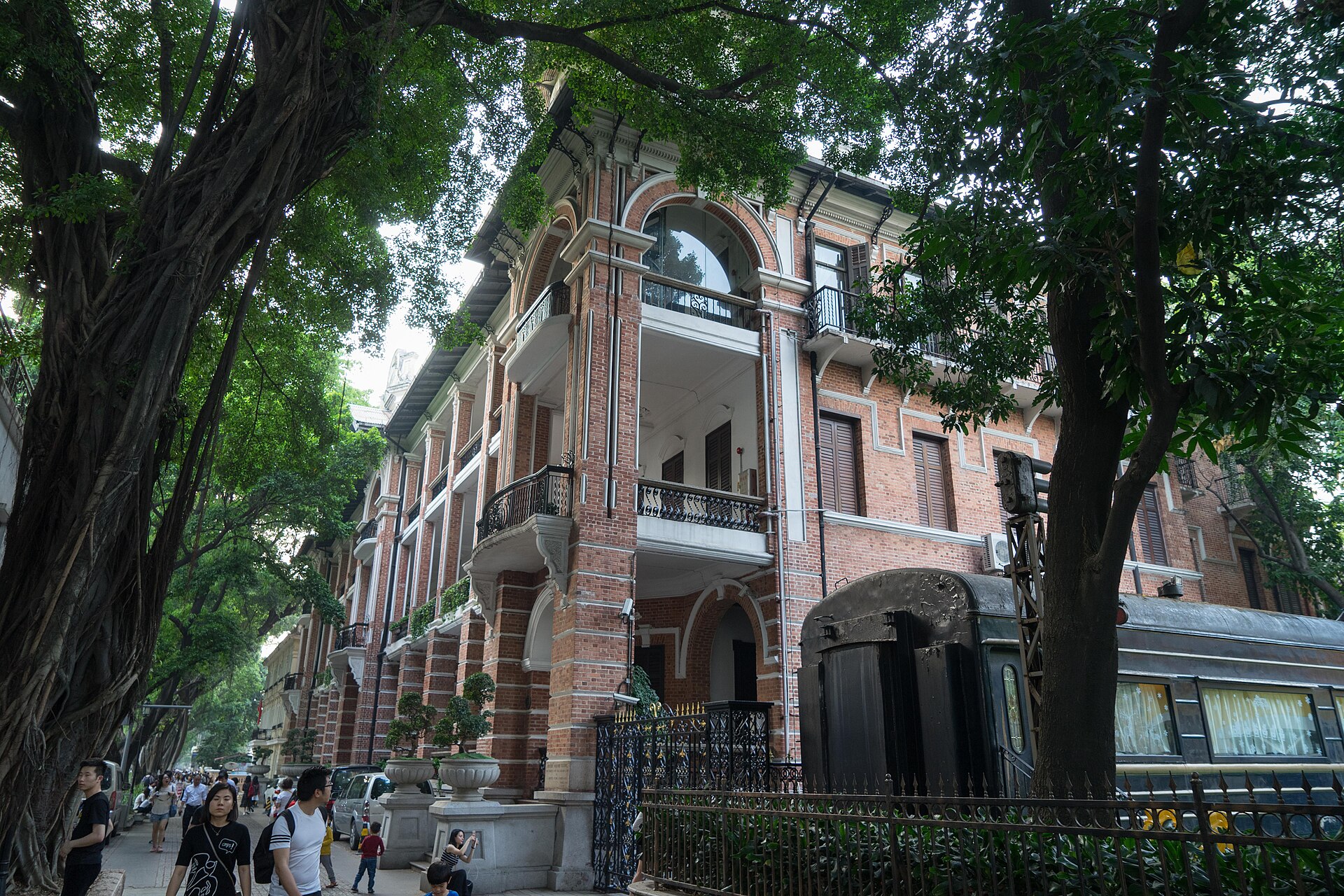
More than 150 buildings from the colonial era survive, ranging from Victorian Gothic to Renaissance Revival. The island's two main avenues - Shamian Street and Shamian North Street - are lined with plane trees, banyans and 300-year-old camphors. The car-free promenade along the riverbank is Guangzhou's gentlest walk.
Today Shamian is a favourite for wedding photography (the colonial facades make an exotic backdrop for Chinese couples), leisurely strolls and riverside dining. The White Swan Hotel on the island's south side was China's first five-star hotel when it opened in 1983.
Highlights
The Colonial Architecture
150 buildings in Victorian, Gothic and Renaissance Revival styles.
The Banyan Trees
300-year-old banyans forming green tunnels over the avenues.
The Riverside Promenade
A car-free waterfront walk - Guangzhou's gentlest experience.
The Wedding Photography
Chinese couples using the colonial facades as their backdrop.
The White Swan Hotel
China's first five-star hotel (1983) on the island's south side.
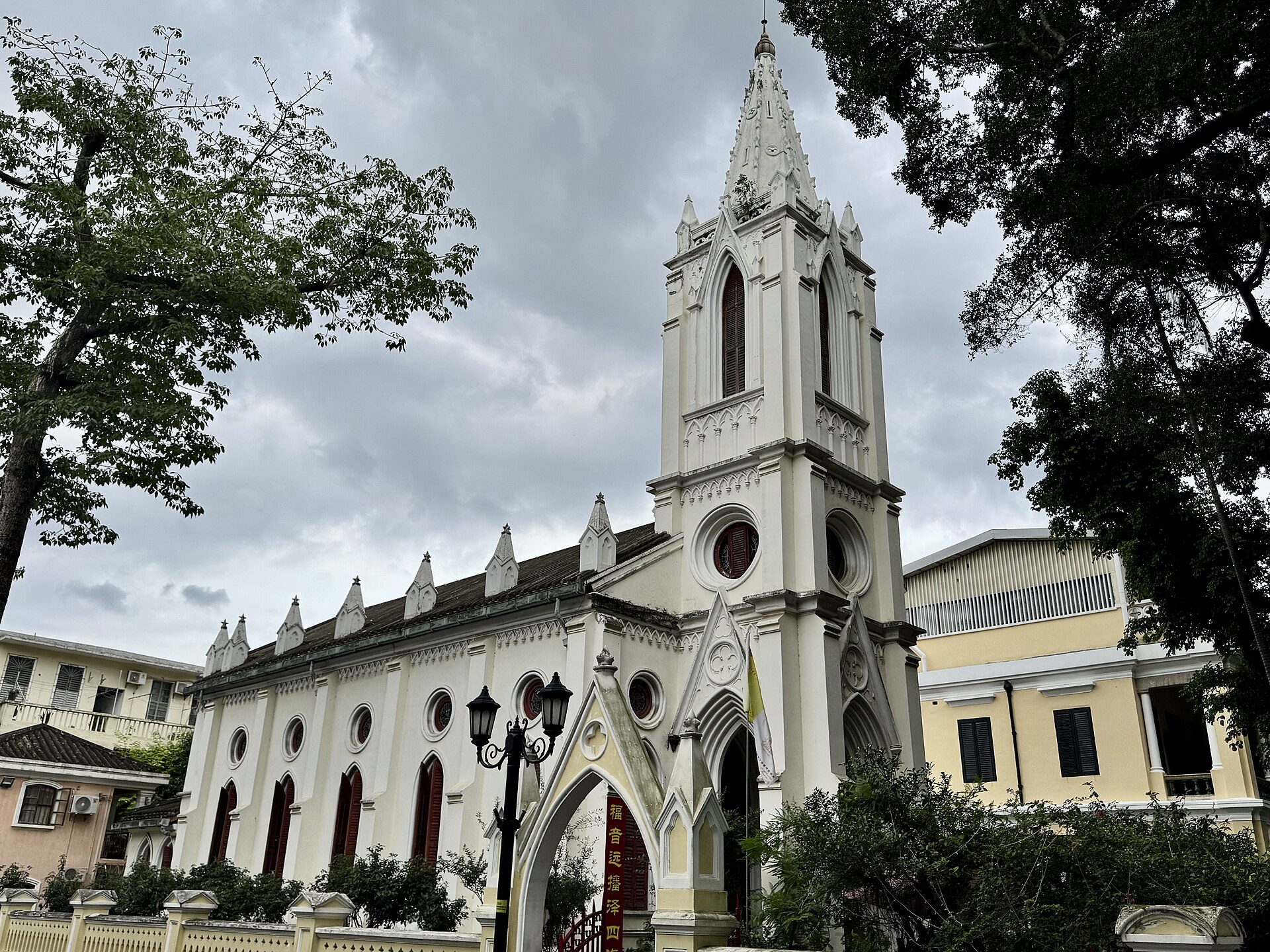
Our Lady of Lourdes Chapel
A Gothic revival Catholic church in the island's centre.
Photo Gallery
Comments