 Travel in China
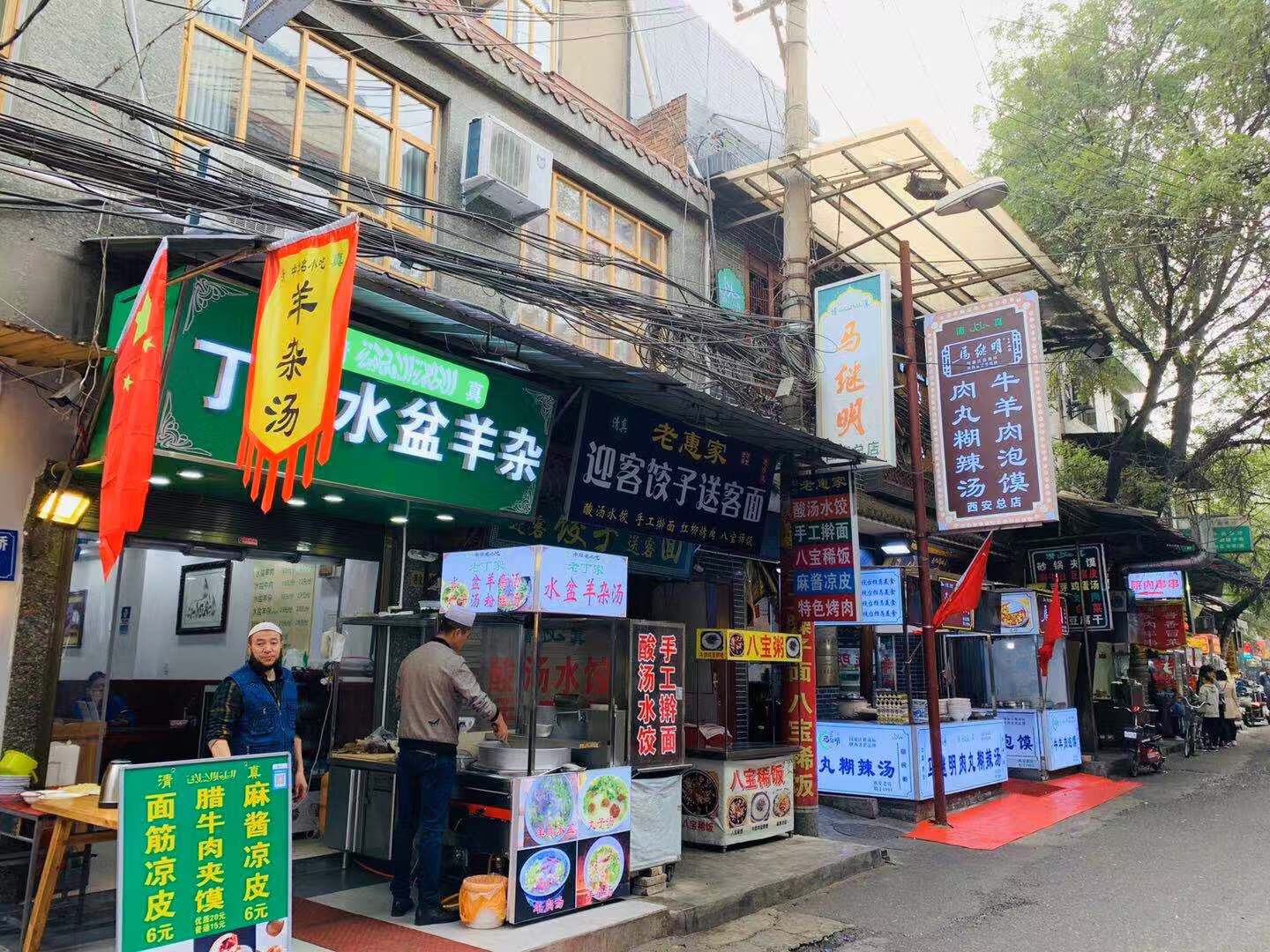
Ten minutes' walk northwest of the tourist-packed Beiyuanmen, Sajinqiao is the Muslim Quarter the locals actually eat in — a narrow lane of morning hulatang (pepper-spiced meatball soup) vendors, noon paomo counters and late-night lamb-skewer grills, with hardly a tour flag in sight. The street wakes at 5 a.m. with steam and ends after midnight in smoke, its old Hui family shops turning out the flavours that made Xi'an a food destination. Come hungry, come early, come twice.
Dive deeper: full travel guide · transport & map · where to stay & book
Ten minutes' walk northwest of Beiyuanmen, Xi'an's famous tourist Muslim Quarter, lies Sajinqiao — the Hui district where locals actually eat. This working street in the city's Huimin Street area grew up around Xi'an's centuries-old Hui community, whose roots trace back to the Tang dynasty, when Muslim traders arrived along the Silk Road and settled near the Great Mosque. Over the Ming and Qing eras their descendants established family food businesses that passed down through generations, and many of today's shops still bear the names of the Hui families who founded them. Sajinqiao remains a genuine residential neighbourhood rather than a curated attraction, its culinary reputation built one breakfast bowl at a time.
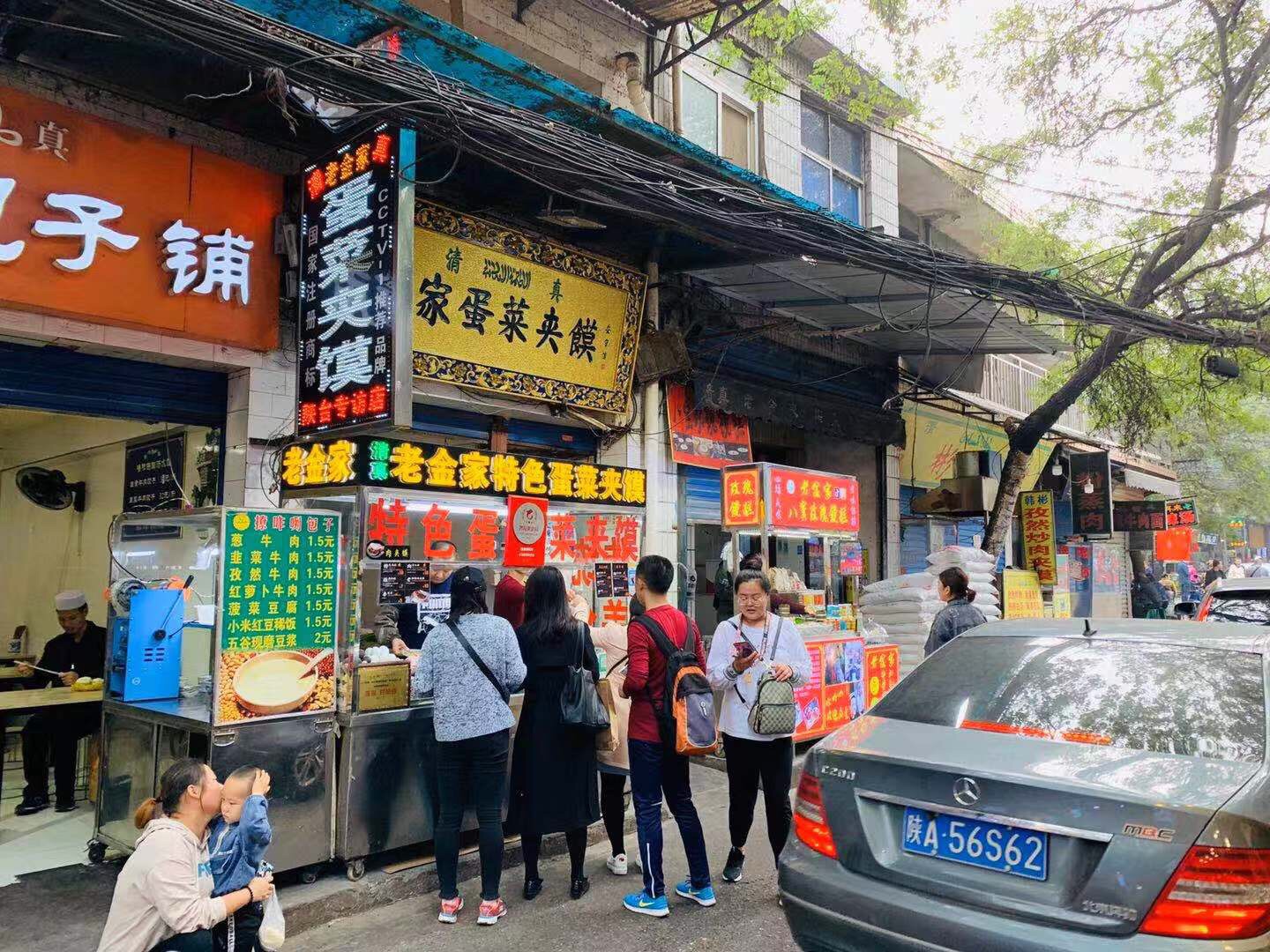
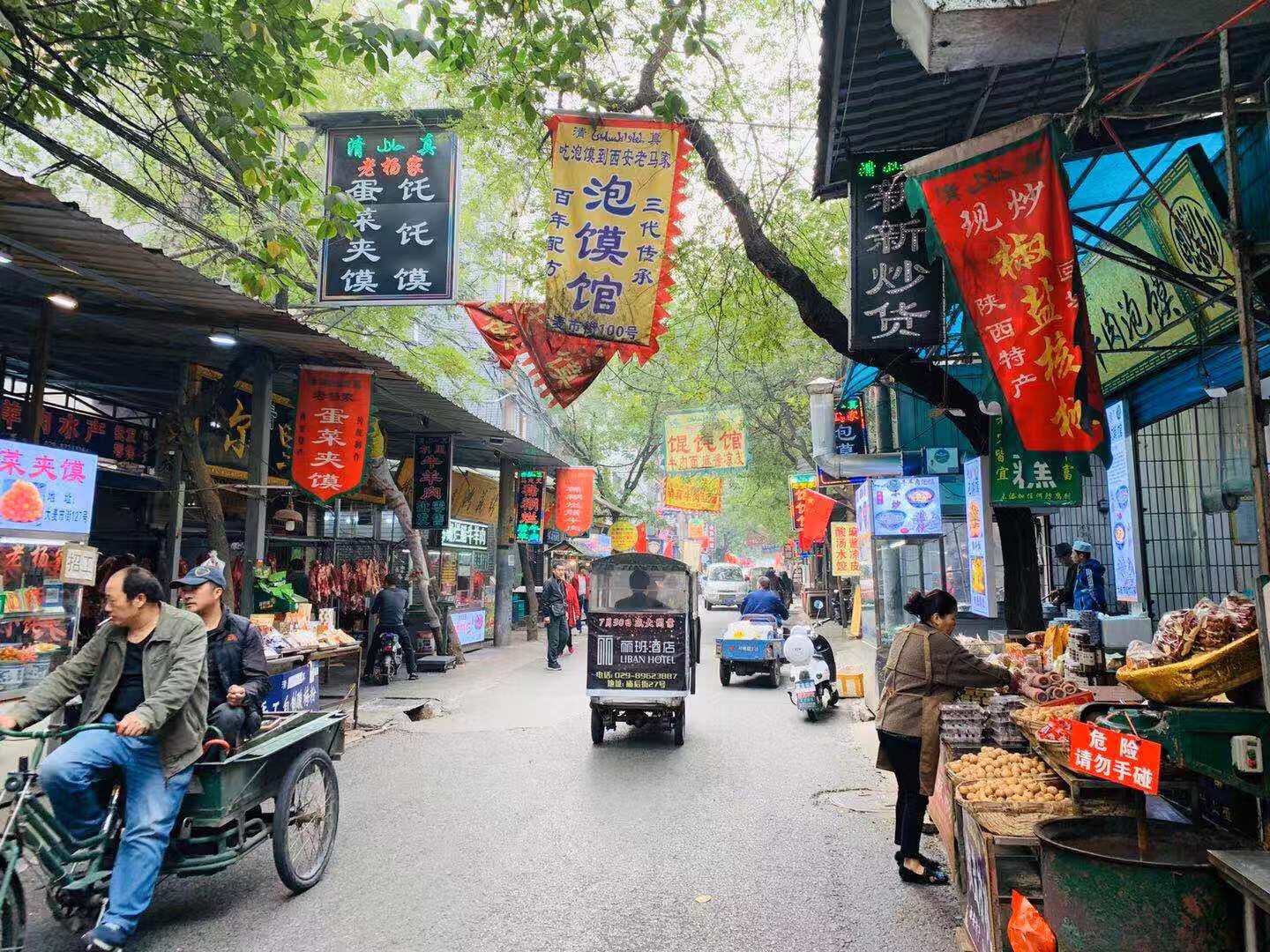
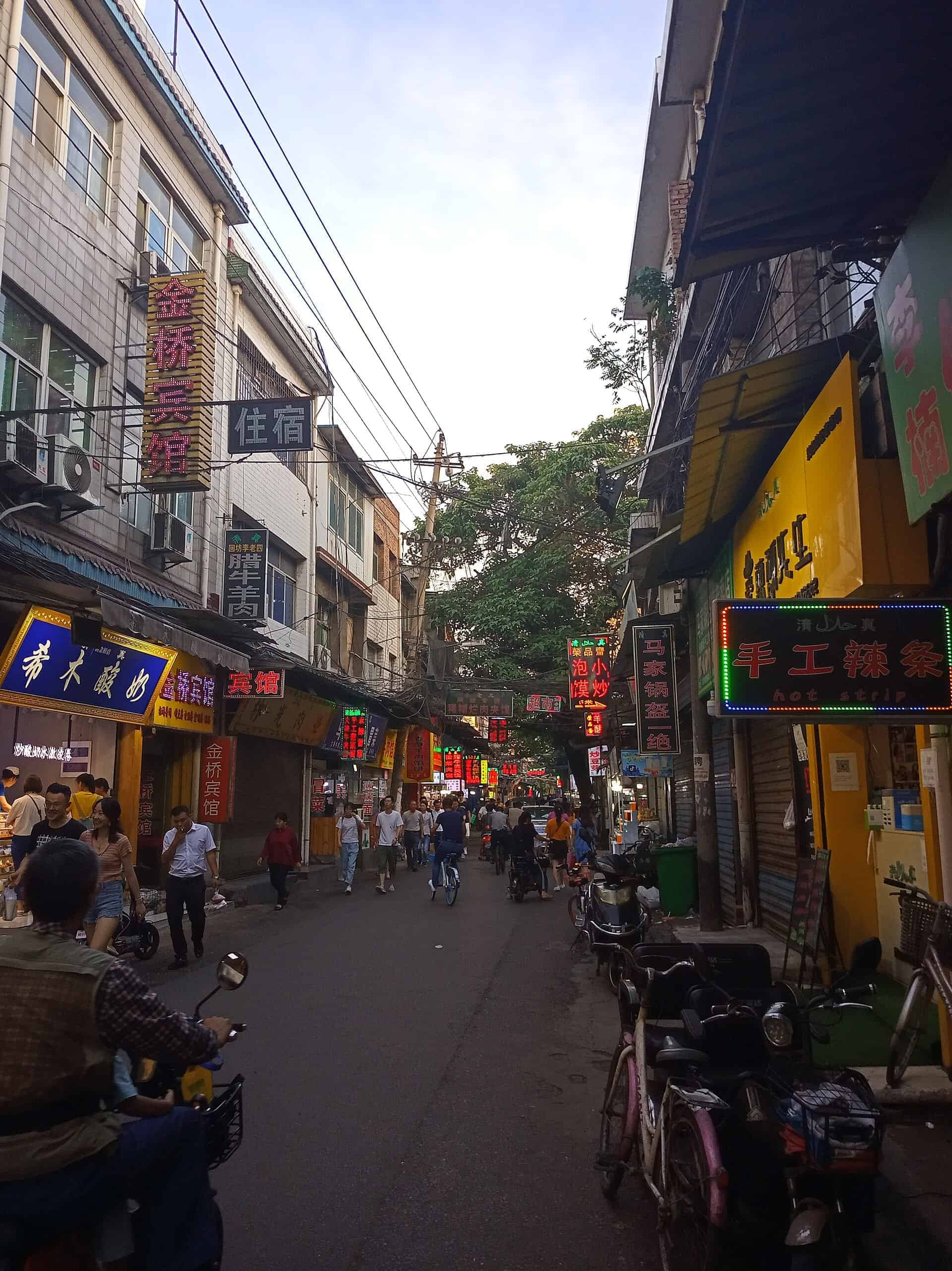
The lane itself is refreshingly unpolished: a two-car-wide street of 1980s-era shopfronts, hanging laundry, and steam pouring from morning stalls. It wakes at 5 a.m. with vendors ladling hulatang — black-pepper broth thickened with starch and packed with hand-rolled beef meatballs, best at Li Weiyi or the Old Li Family. By noon, paomo counters serve bread soaked in mutton stew, while Yang Tianyu's cured-beef roujiamo draws queues before 8 a.m. Zeng gao stalls sell sticky rice layered with jujube dates from bronze-like steamer pots. After dark, charcoal grills fill the lane with cumin smoke and lamb-skewer tables until past midnight — the street at its most atmospheric.
In 2026 Sajinqiao stands as the locals' answer to Beiyuanmen's tour-flag crowds, drawing food-focused travellers in growing numbers while remaining free to enter and open around the clock. Practical timing matters: breakfast stalls run roughly 5 a.m. to noon, paomo shops from 10 a.m. to 9 p.m., and barbecue from early evening past midnight. Prices stay modest — a cup of zeng gao costs ¥5-8. Set within walking distance of the Drum Tower and city centre, the quarter offers an authentic taste of Hui culinary heritage, its family-run flavours central to Xi'an's standing as one of China's great food cities. Come hungry, come early, come twice.
Highlights
The Real Hulatang
Xi'an's definitive breakfast: black-pepper broth thickened with starch, packed with hand-rolled beef meatballs — at Li Weiyi or Old Li Family, both institutions.
Zeng Gao Stalls
Steamed sticky rice layered with jujube dates in ancient bronze-like zeng pots; ¥5-8 a cup, eaten walking.
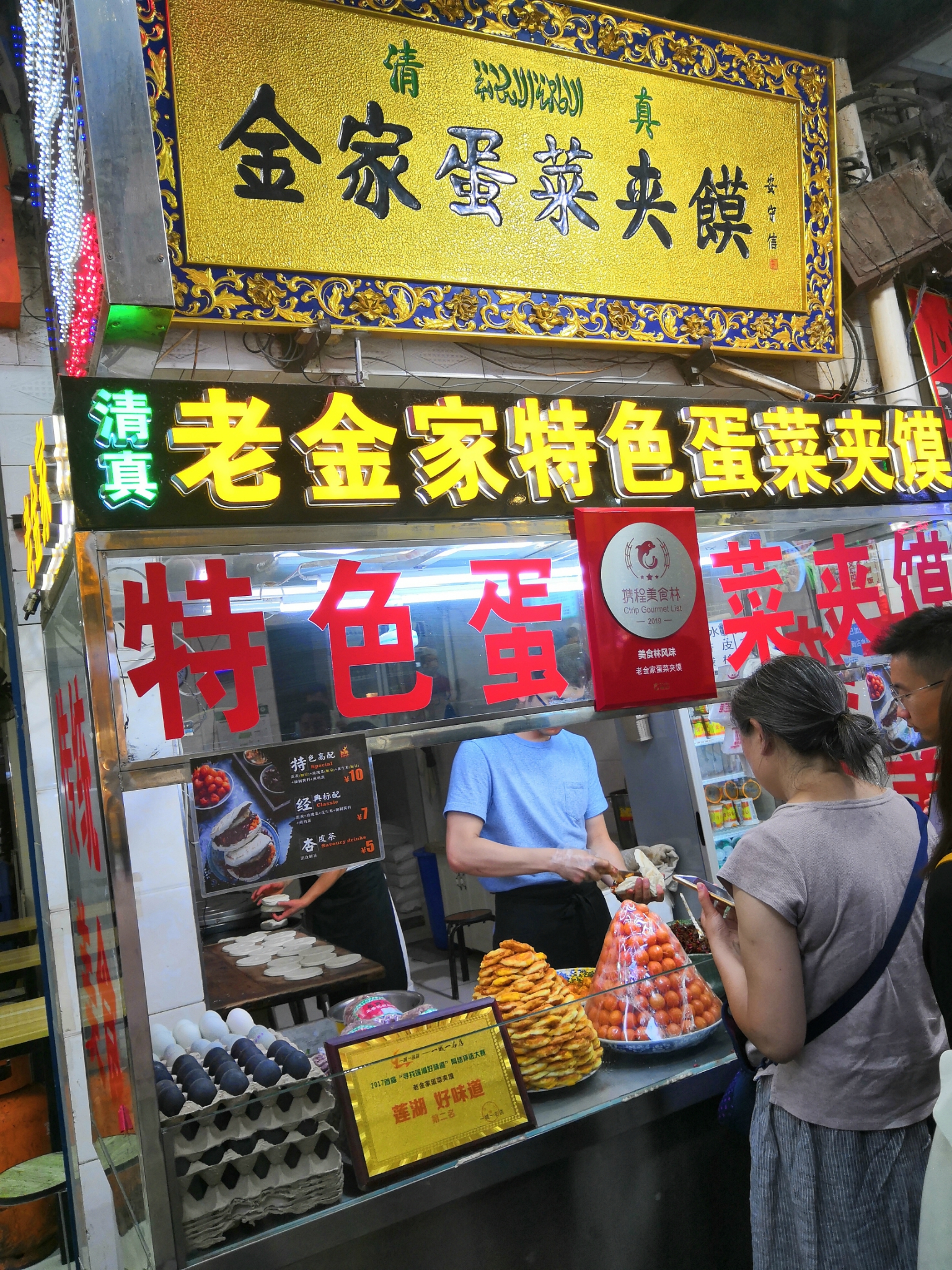
Cured-Beef Roujiamo
Yang Tianyu's shop sells the city's most beloved cured-beef-stuffed flatbread; the queue starts before 8 a.m.
Nighttime Skewer Smoke
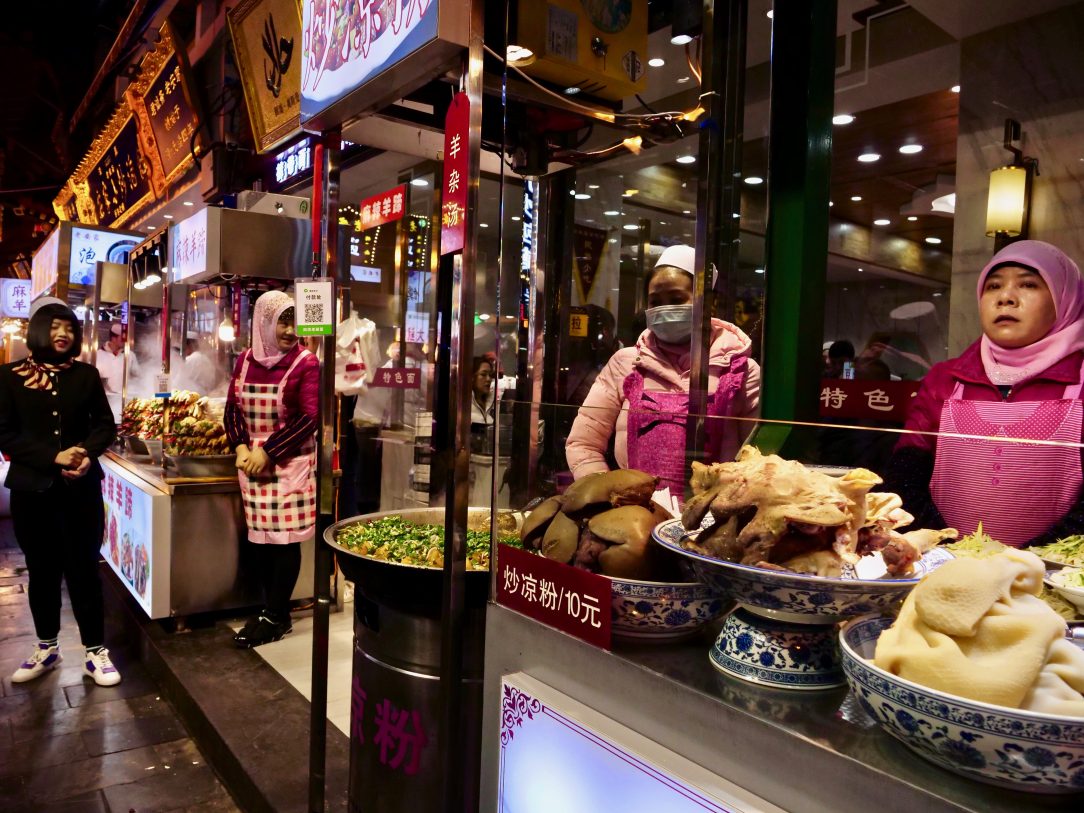
After dark the lane fills with charcoal grills, cumin clouds and lamb-skewer tables — the Hui street at its most atmospheric.
Old-Quarter Texture
A two-car-wide lane, hanging laundry, 1980s shopfronts — an unpolished working neighbourhood, refreshingly real after Beiyuanmen.
Diaochan Pastry Stalls
Famous fritters like crispy beef pies and persimmon fritters earn their own queues.
Photo Gallery
Comments