 Travel in China
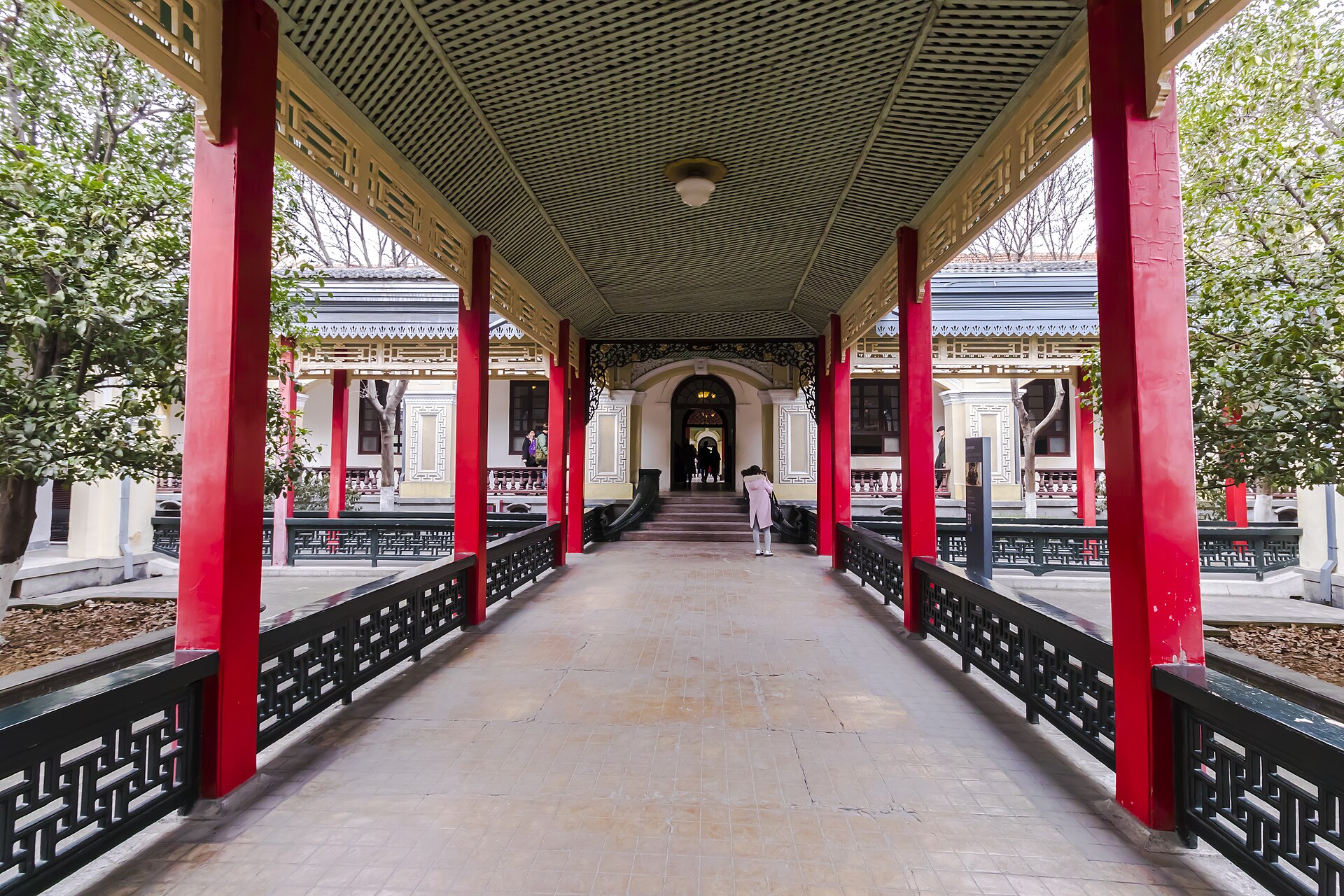
Six centuries of power in one compound - Ming princely gardens, the Qing viceroy's office, Sun Yat-sen's presidency.
The Presidential Palace (Zongtongfu) is a 90,000-square-metre compound that has been the centre of Chinese political power for six centuries. It began as a Ming princely palace, became the office of the Qing viceroy of Liangjiang, served as Sun Yat-sen's provisional presidential office in 1912, and was Chiang Kai-shek's Nationalist headquarters until 1949.
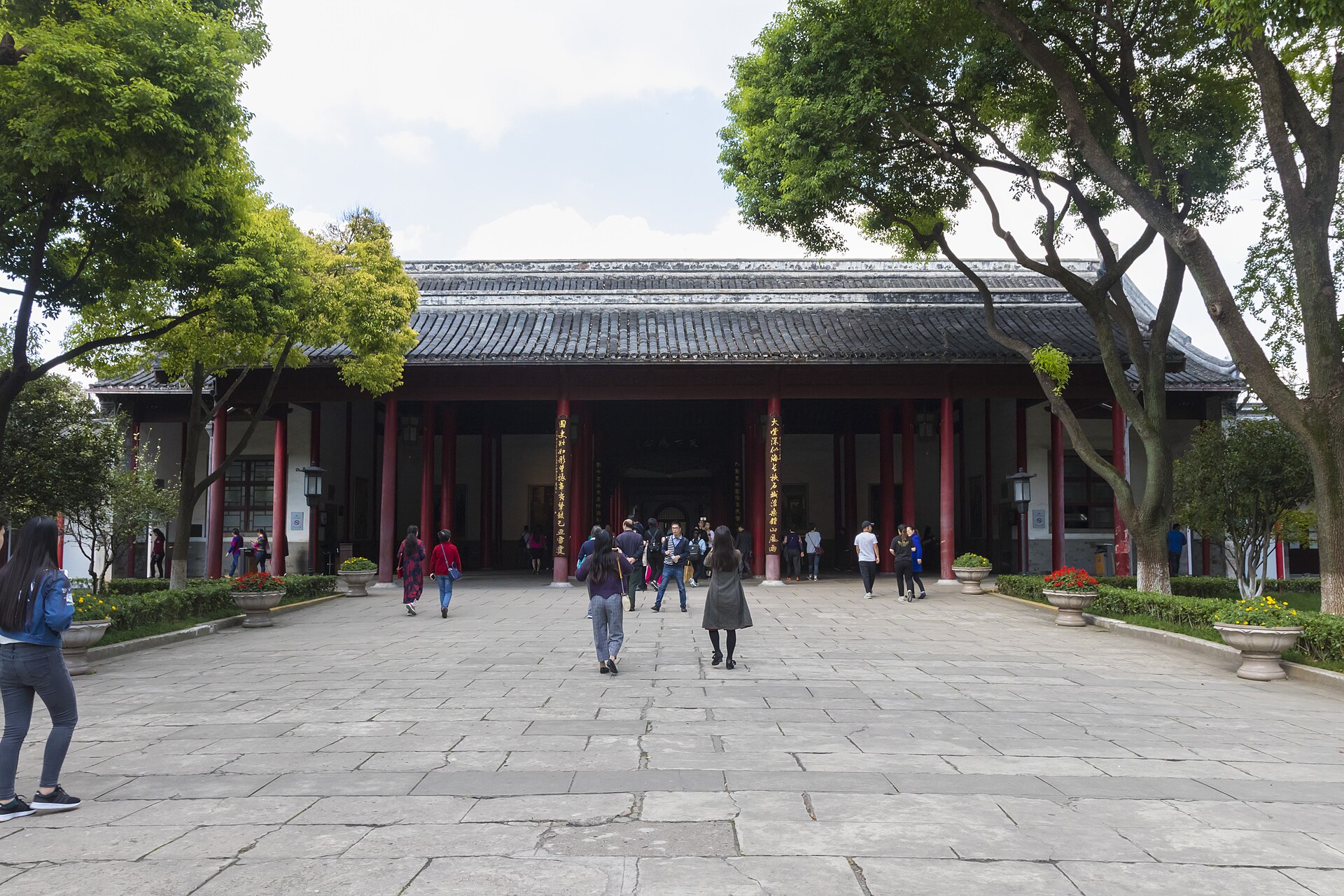
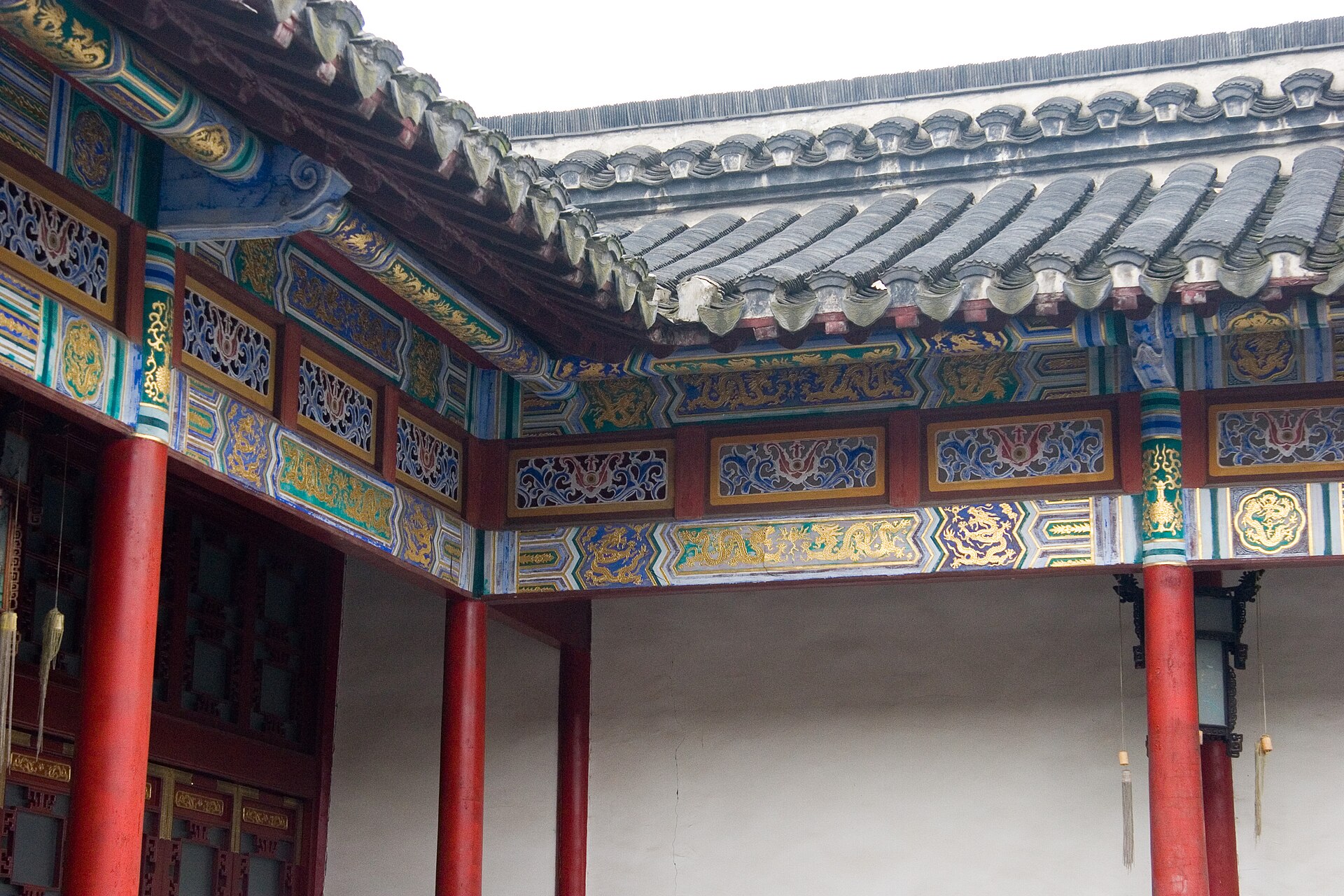
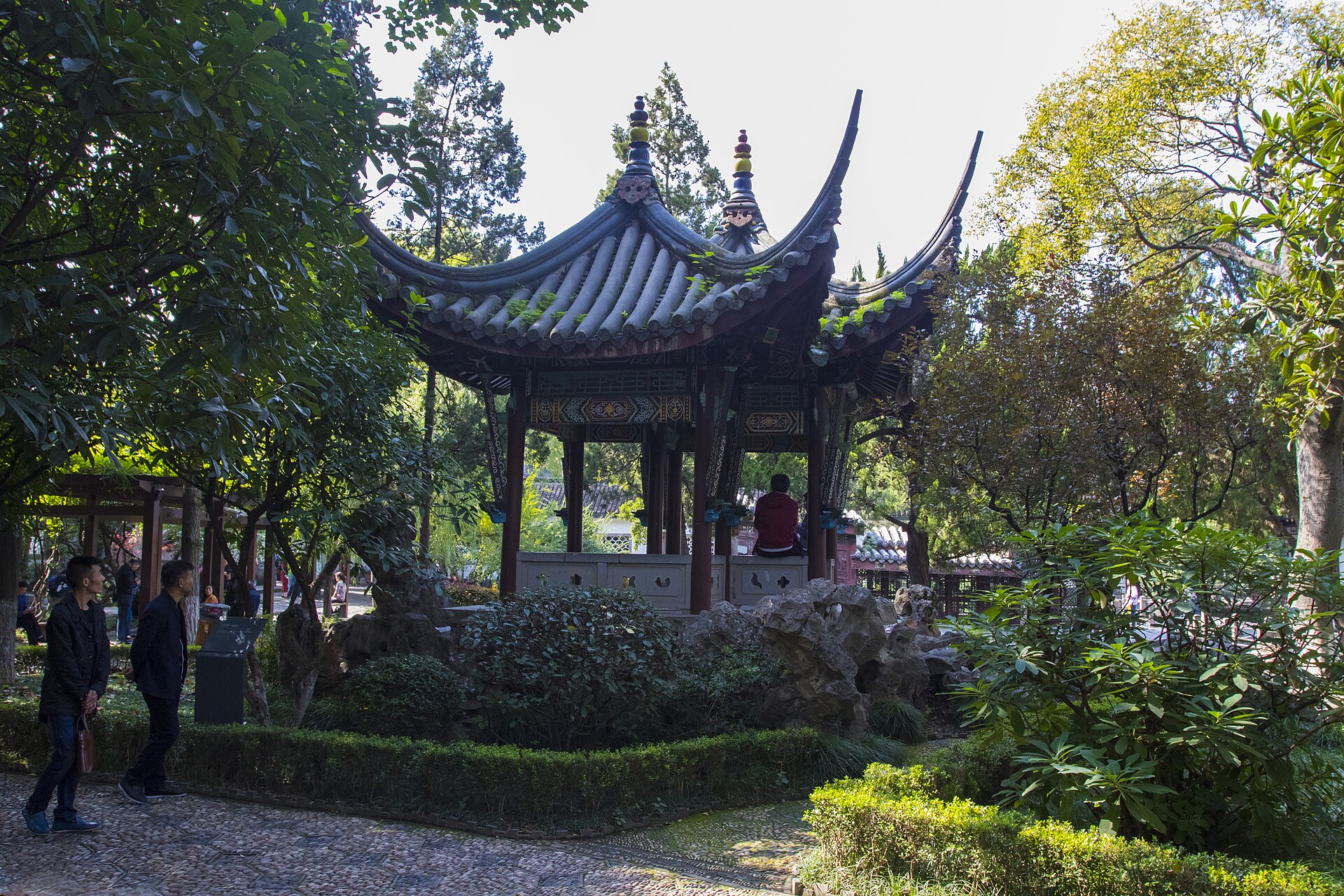
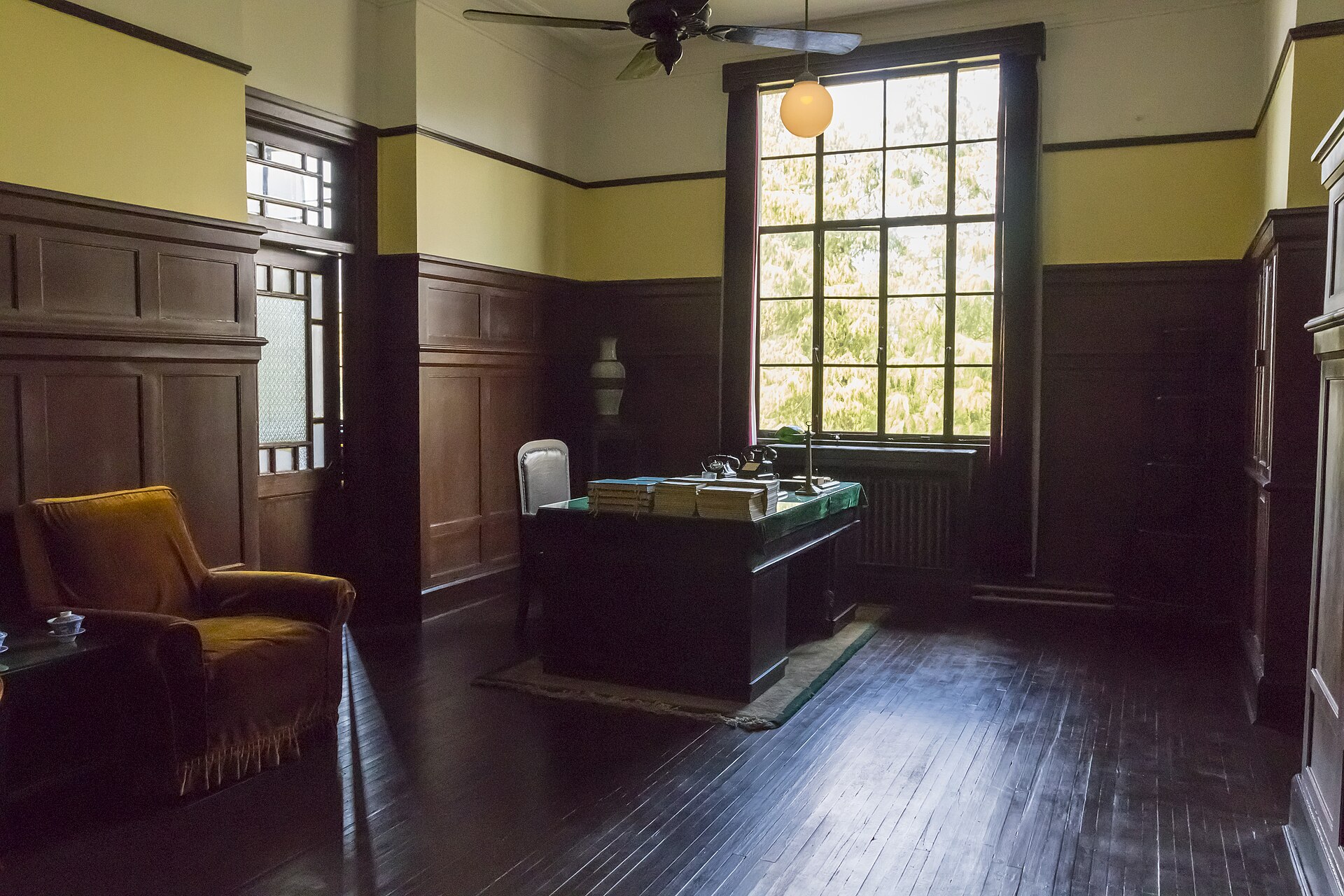
The compound's architecture reflects its layered history: Ming-era gardens with rockeries and pavilions, Qing-style administrative halls, and the Western-style presidential office building added in the 1930s. Sun Yat-sen's modest office, preserved as it was in 1912, is the emotional heart of the complex.
The corridors display photographs and artefacts from every period of the palace's history, from the Taiping Rebellion (when it was the Heavenly King's palace) to the Japanese occupation to the Communist takeover in 1949. It is a single site that tells the story of modern China's turbulent birth.
Highlights
Sun Yat-sen's Office
The modest 1912 presidential office, preserved as it was during the founding of the Republic.
The Ming-Era Gardens
Princely gardens with rockeries, pavilions and a lotus pond.
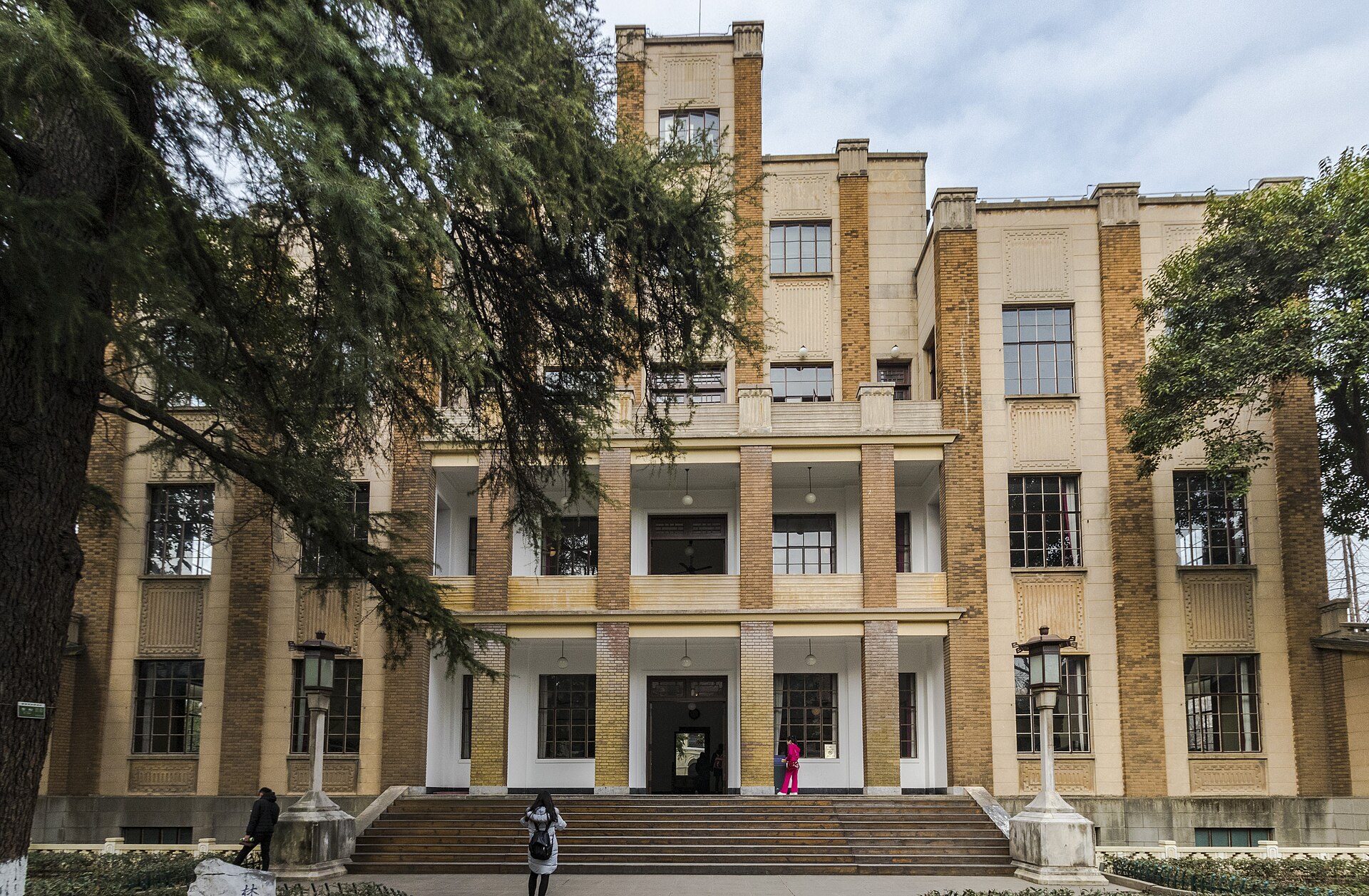
The Presidential Office Building
The 1930s Western-style headquarters of the Nationalist government.
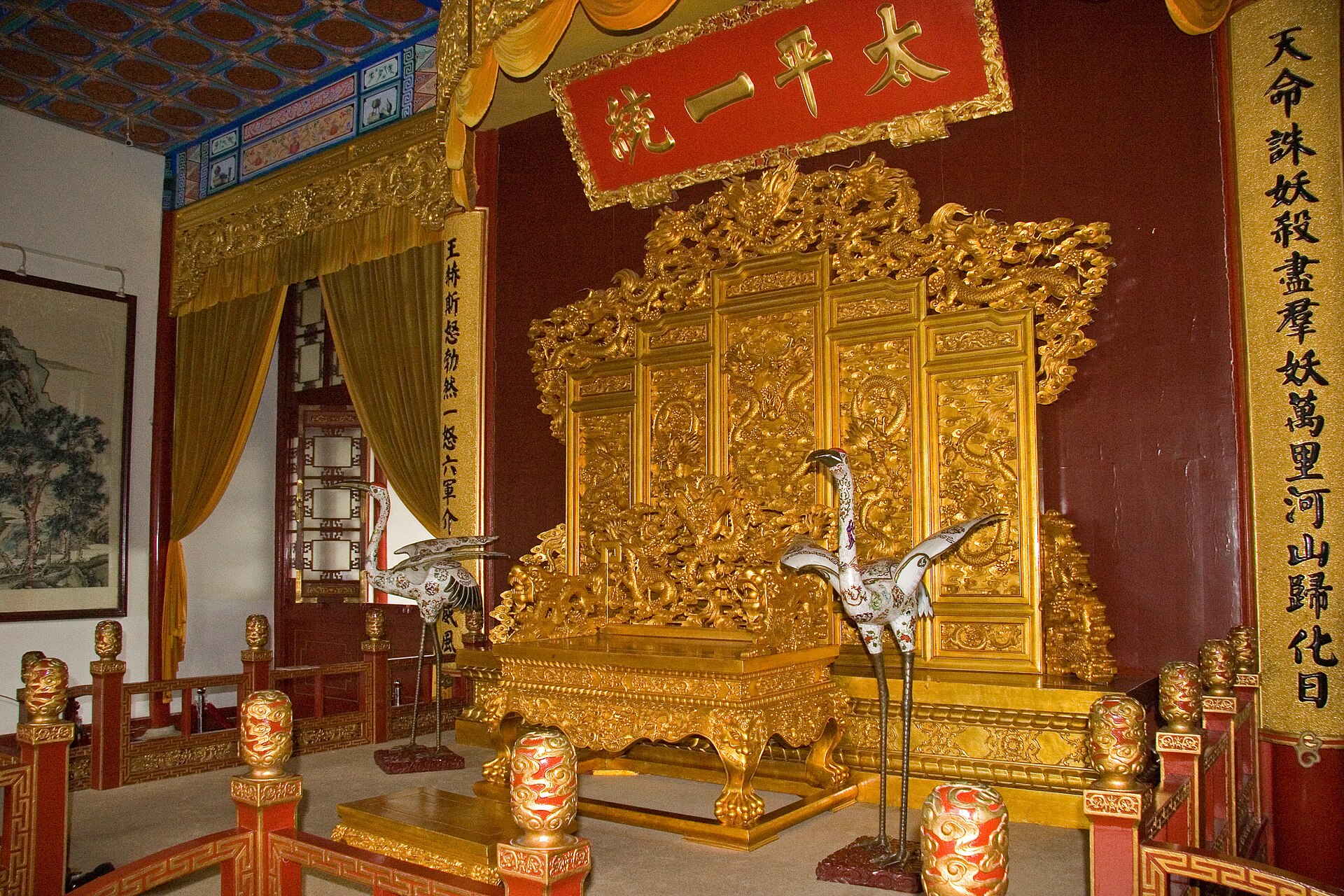
The Taiping Heavenly Kingdom Hall
The throne hall when the palace was the Taiping capital.
The Corridor Exhibitions
Photographs and artefacts from six centuries of political history.
The Taiping Lake
The lotus pond at the heart of Xu Garden, the compound's West Garden.
Photo Gallery
Comments