 Travel in China
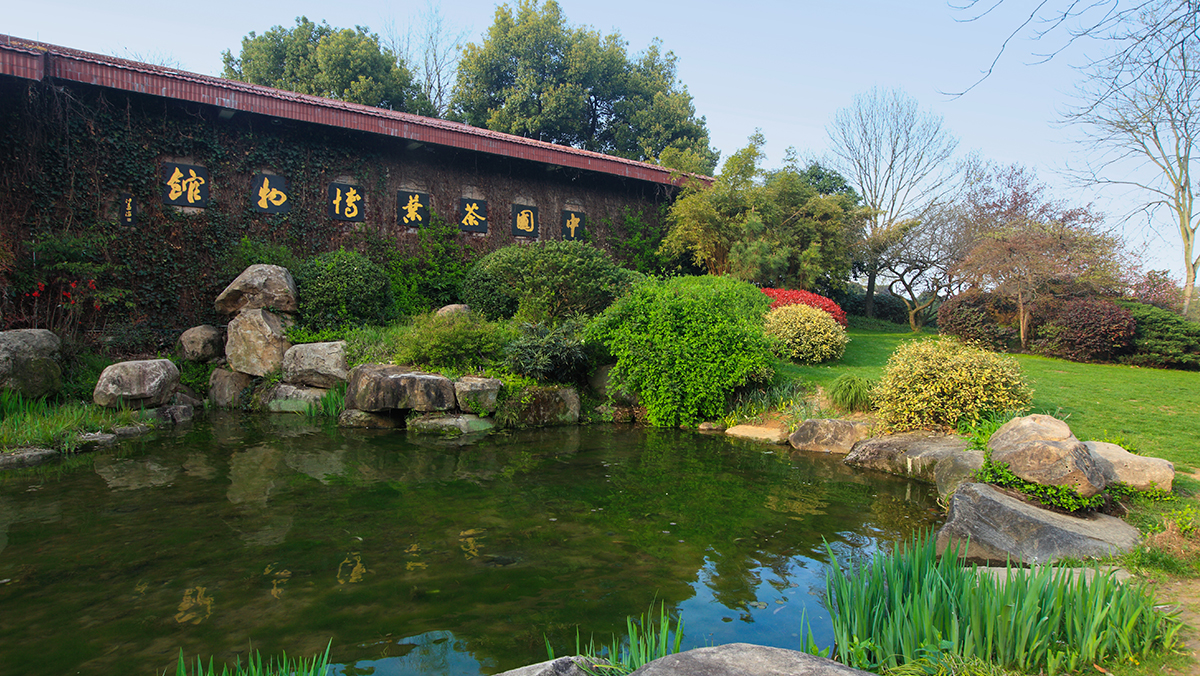
China's only national-level tea museum, spread across two garden campuses in the Longjing hills — tea-history halls, tasting sessions by the stream, living terraces and a UNESCO-heritage display — free and walk-in for individuals since August 2026.
Dive deeper: full travel guide · transport & map · where to stay & book
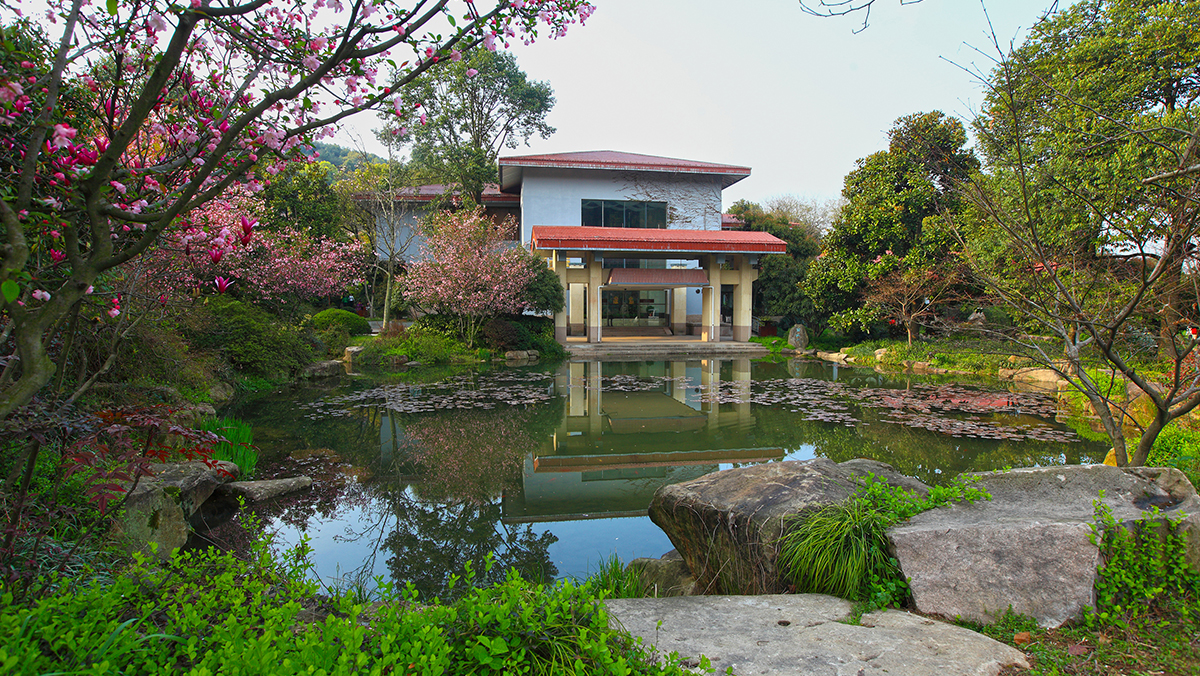
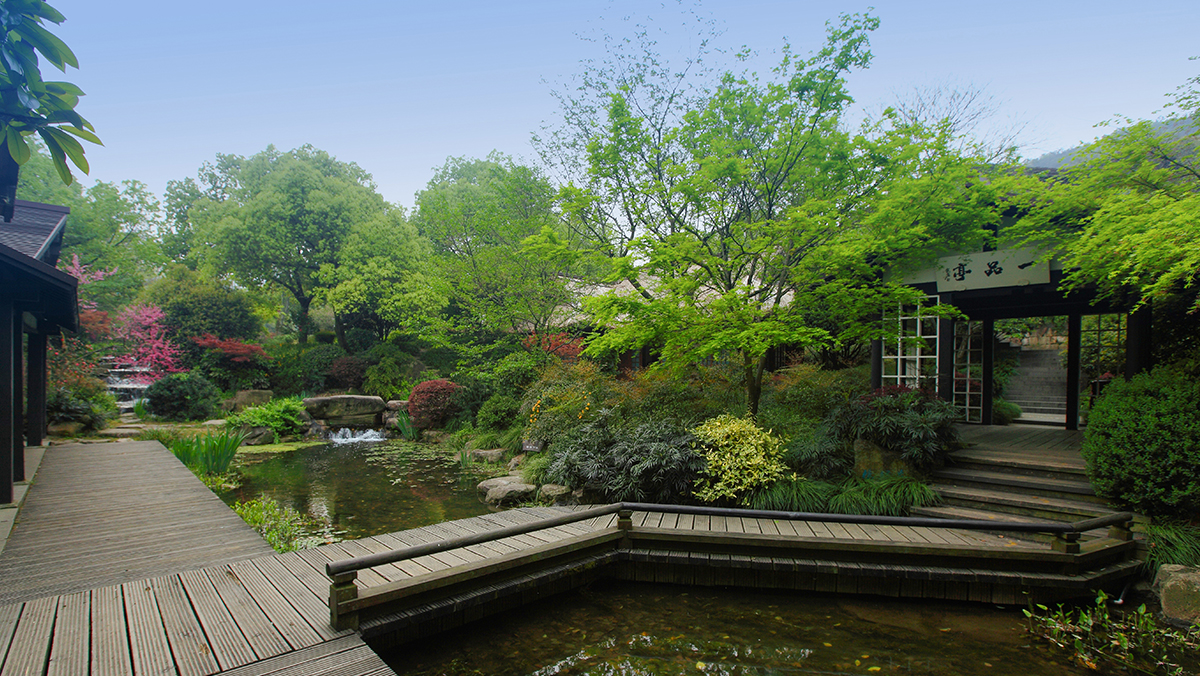
The China National Tea Museum is the country's only national-level museum devoted to tea and tea culture, operating across two campuses in the Longjing hills west of West Lake. The original Shuangfeng campus, opened in 1991 at 88 Longjing Road, is a garden-museum: exhibition halls on Chinese tea history, West Lake Longjing and donated teawares sit beside streams, camellia walks and the museum's own tea terraces, where visitors join tea-tasting sessions with brewing demonstrations — roughly ¥10-30 a sitting, the museum's most-loved ritual. The displays trace tea from Tang royal silver sets through Song whisked tea to Ming leaf-brewing, with a Tang tea-horse-road scene and a Ming tea pavilion.
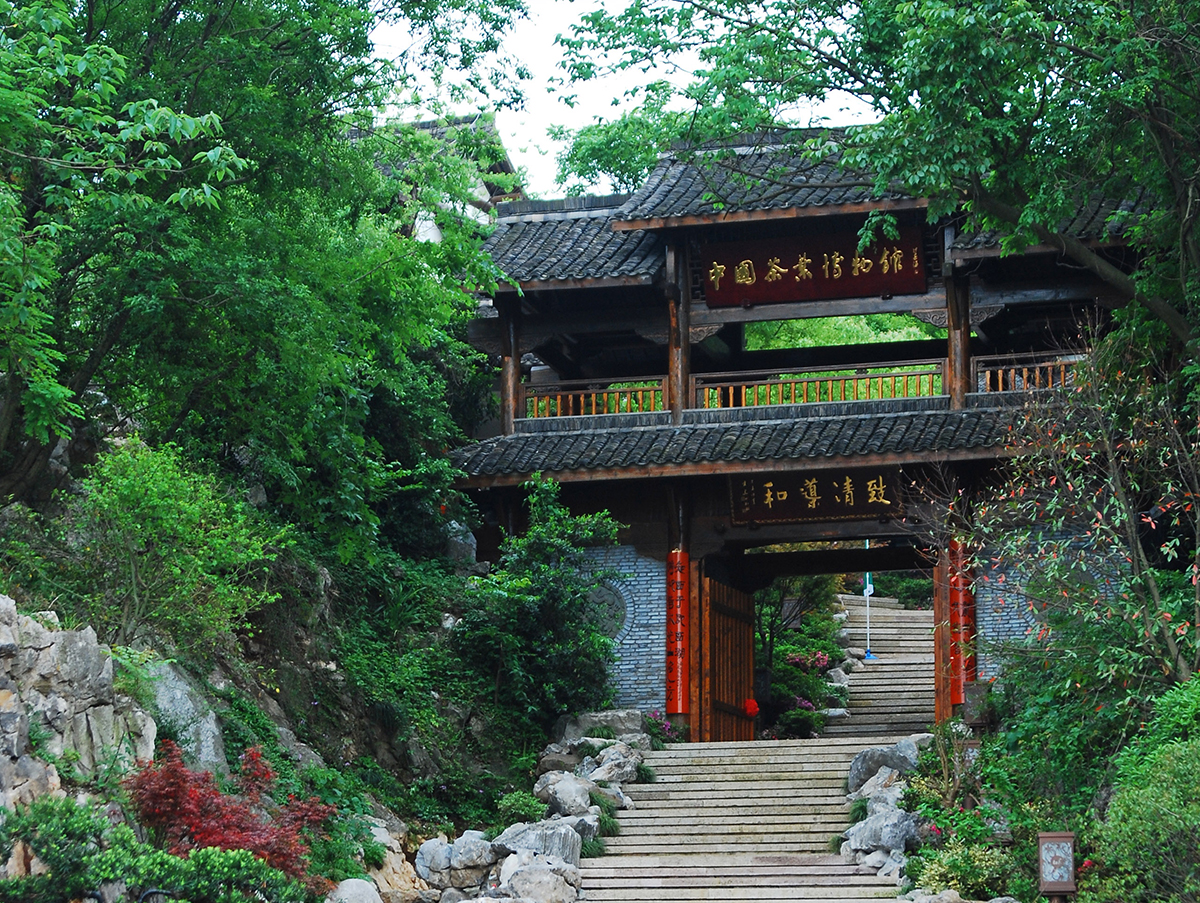
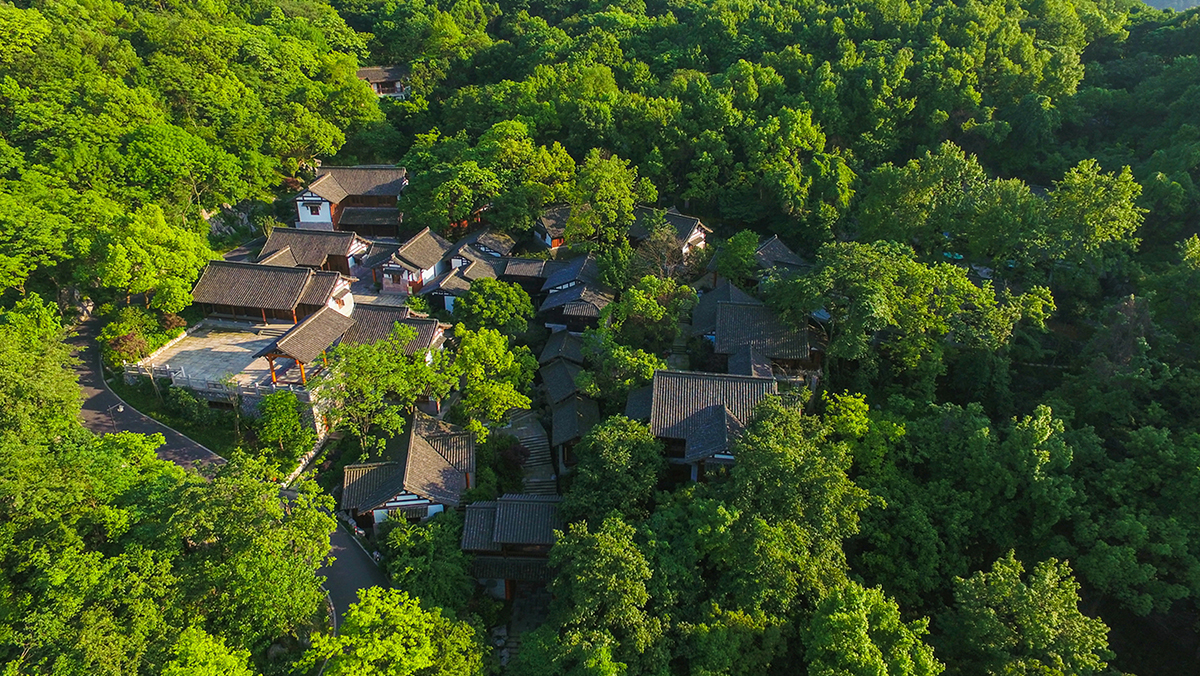
The Longjing campus on Wengjiashan, opened in 2015, spreads hillside courtyards over 7.7 hectares telling the story of tea's journey across the world — British afternoon tea, Japanese tea ceremony, Russian and Turkish customs — answering why some languages say 'tea' and others 'cha'. It also hosts the intangible-heritage display of China's traditional tea-processing skills and customs, inscribed by UNESCO in 2022, across 44 regional techniques. Both campuses were re-hung after a 2022-2023 renovation, and living Longjing rows climb the slopes behind the Shuangfeng halls, free to walk — April brings the pickers, and the Jiamu varietal garden labels 100-plus cultivars.
Since 6 August 2026, individual visitors enter both campuses without any reservation — walk in through security, no online booking (the announcement came on the museum's WeChat); only groups must email a stamped name list to Chinateamuseum@163.com in advance. Entry is free, with tea-tasting sessions charged separately. Both campuses close Tuesdays except statutory holidays, and last entry falls around 16:00 with 16:30 closing, so plan morning visits. The two campuses sit 2.5 kilometres apart (bus 27 connects them in about 10 minutes); if visiting only one, Shuangfeng covers the history and tastings, Longjing the world-and-heritage story. The museum is the natural anchor for a Longjing tea-country day combining Longjing village — home of the Eighteen Imperial Tea Trees — Meijiawu and the Hupao spring.
Highlights
Chinese Tea History Halls
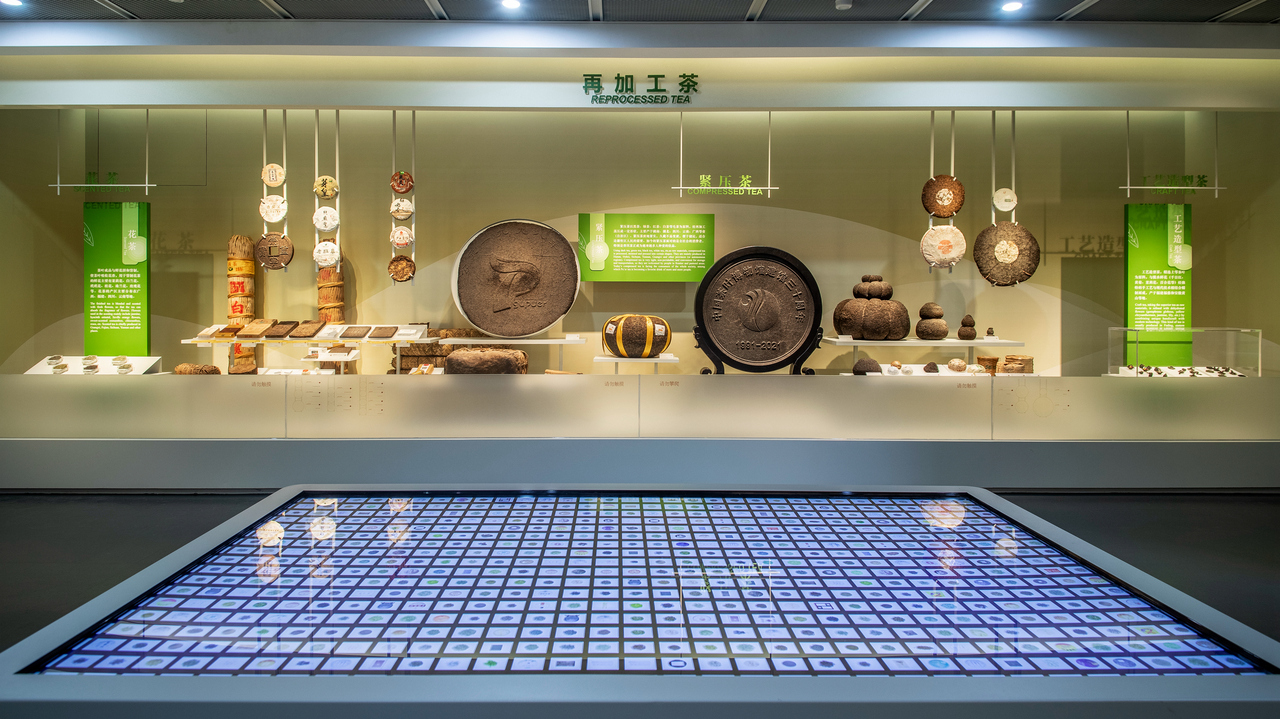
The Shuangfeng campus's permanent display traces tea from Tang royal silver sets through Song whisked tea to Ming leaf-brewing, with a Tang tea-horse-road scene and a Ming tea pavilion.
Tea Tasting by the Stream
In-hall brewing sessions let visitors taste Longjing and other teas served with instruction. Roughly ¥10-30 per sitting, the museum's most-loved ritual.
Longjing Campus World-Tea Walk
Hillside courtyards circle the globe through British, Japanese, Russian and Turkish tea customs, answering why some say 'tea' and others 'cha'.
UNESCO Heritage Display
The Longjing campus presents China's traditional tea-processing skills and customs, inscribed on UNESCO's intangible heritage list in 2022, across 44 regional techniques.
Living Tea Terraces
The museum's own Longjing rows climb the slopes behind the halls, free to walk. In April pickers work them, and the Jiamu varietal garden labels 100-plus cultivars.
Free & Reservation-Free
Both campuses cost nothing and, since August 2026, individual visitors simply walk in through security. Only groups need to pre-file name lists.
Photo Gallery
Comments