 Travel in China
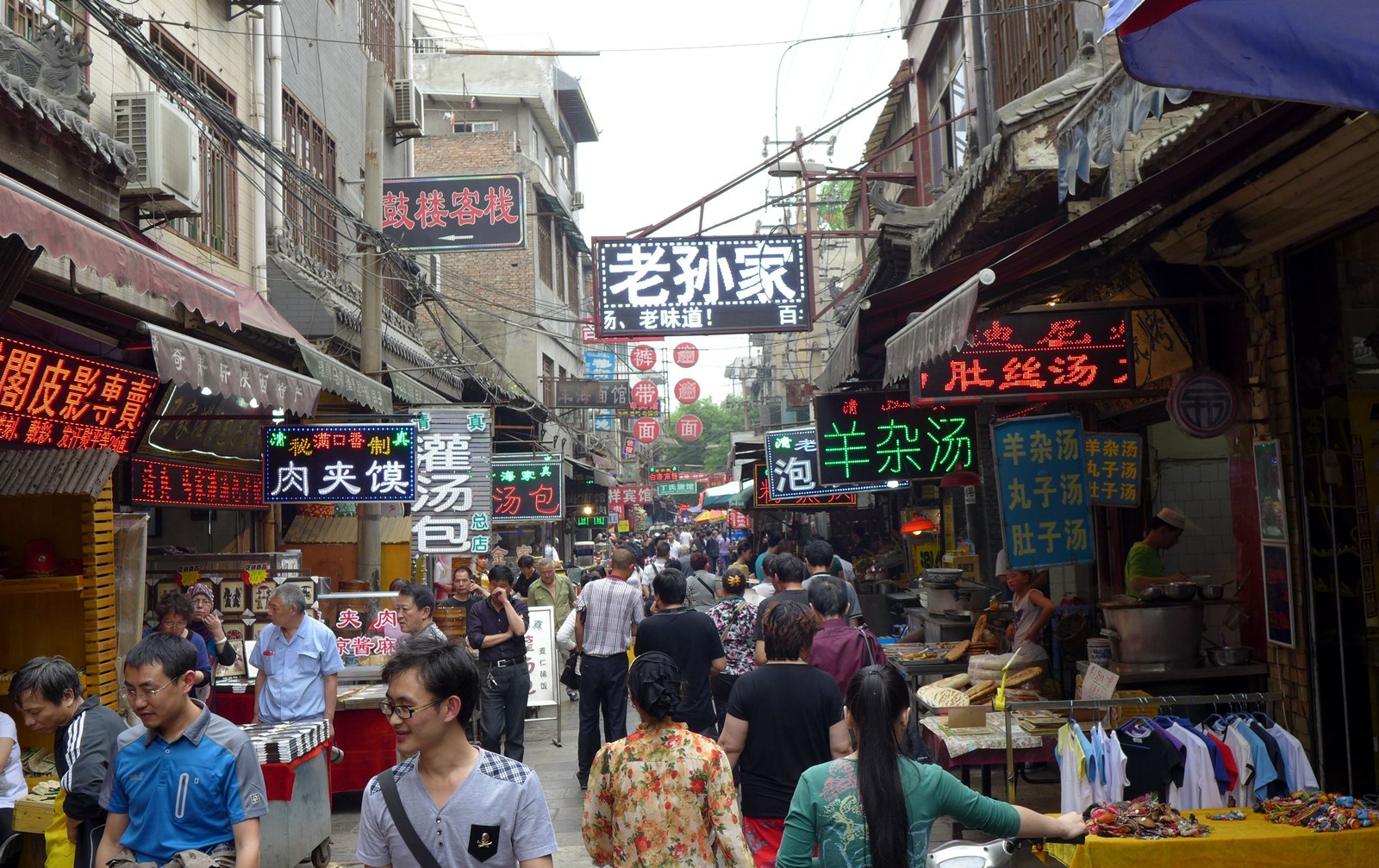
The living medieval quarter behind the Drum Tower - smoke, cumin and biang-biang noodles under lanterns.
The Xi'an Muslim Quarter (Huimin Jie) is the historic Hui neighbourhood behind the Drum Tower, where Chinese Muslims have lived and traded for over 1,000 years. The main street - Beiyuanmen - and its branching alleys form a food bazaar that is arguably the most exhilarating street-food experience in China.
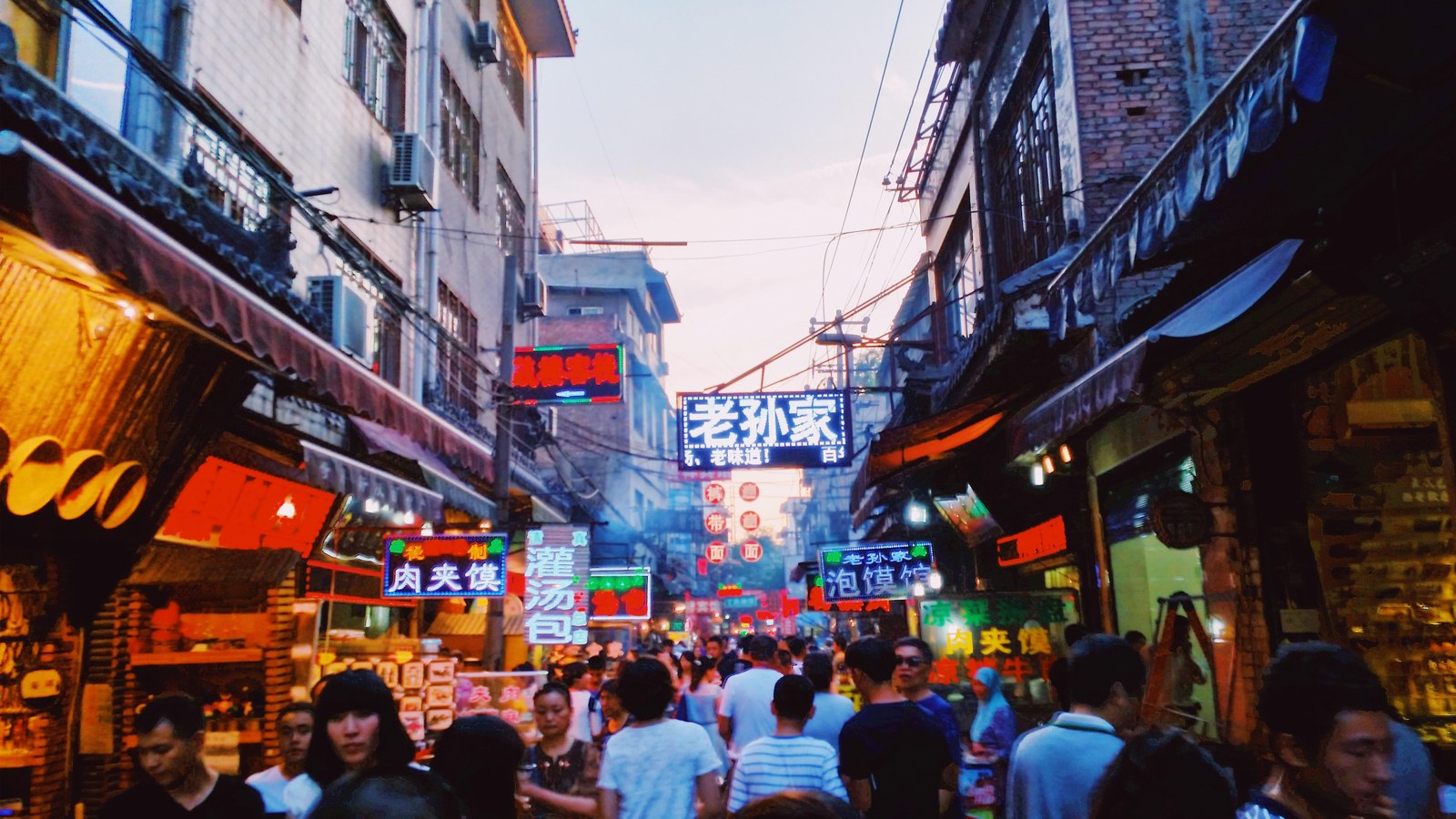
By day, the quarter is a working neighbourhood: butchers, bakeries and hardware shops serving the Hui community. By night, the lanterns light up and the street becomes a promenade of smoke, steam and cumin - lamb skewers grilling over coals, biang-biang noodles hand-pulled to order, and persimmon cakes frying in shallow oil.
The Great Mosque of Xi'an, hidden at the end of a narrow lane, is one of the oldest and largest mosques in China. Founded in 742 AD during the Tang dynasty, it combines Chinese courtyard architecture with Islamic function - a pagoda-style minaret, prayer hall facing Mecca, and gardens of ancient stone inscriptions in Arabic and Chinese.
Highlights
The Street Food
Lamb skewers, biang-biang noodles, roujiamo (Chinese hamburger) and persimmon cakes.
The Great Mosque
A 1,200-year-old mosque in Chinese courtyard style with a pagoda minaret.
The Night Lanterns
Red lanterns and smoke transforming the lanes after dusk.
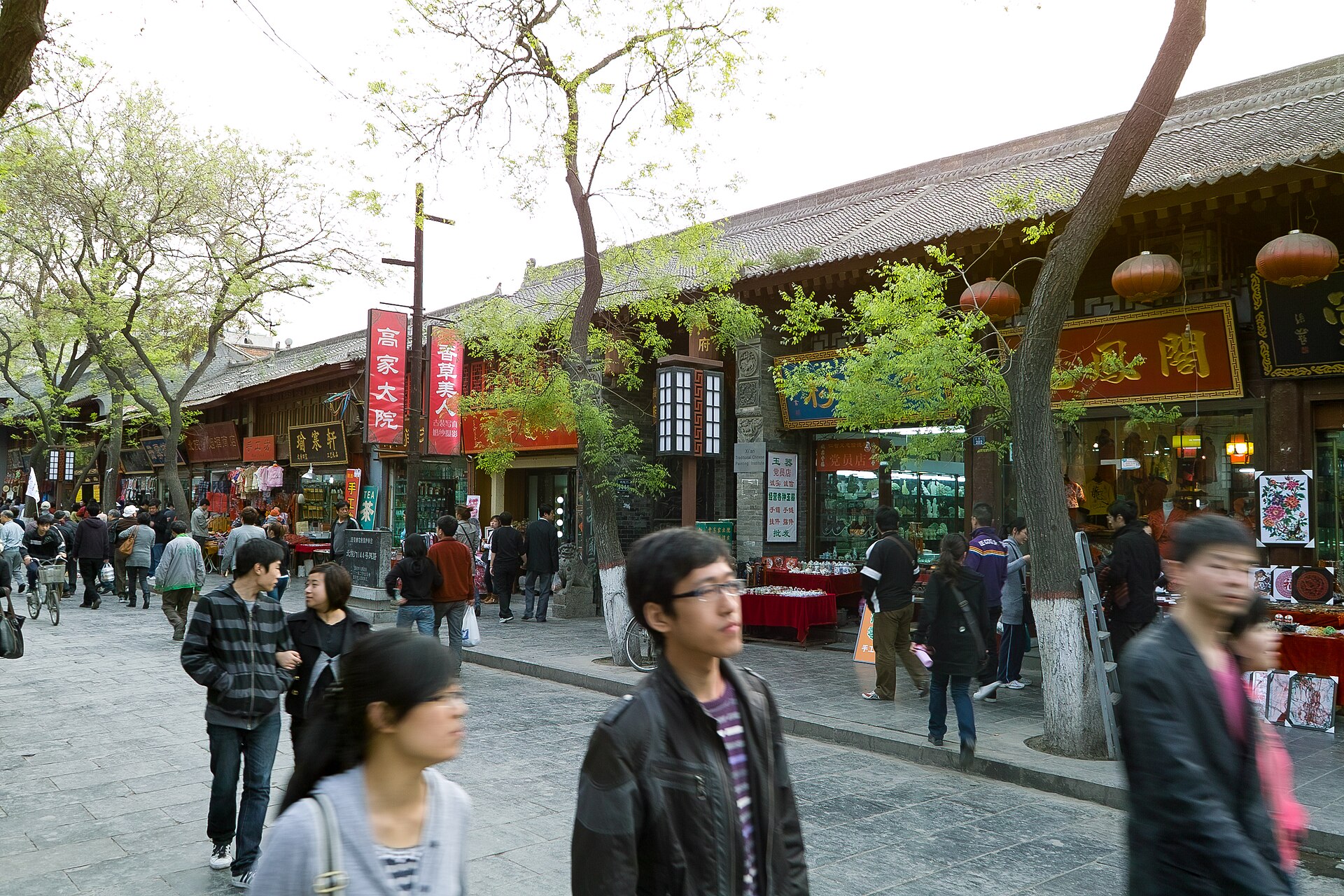
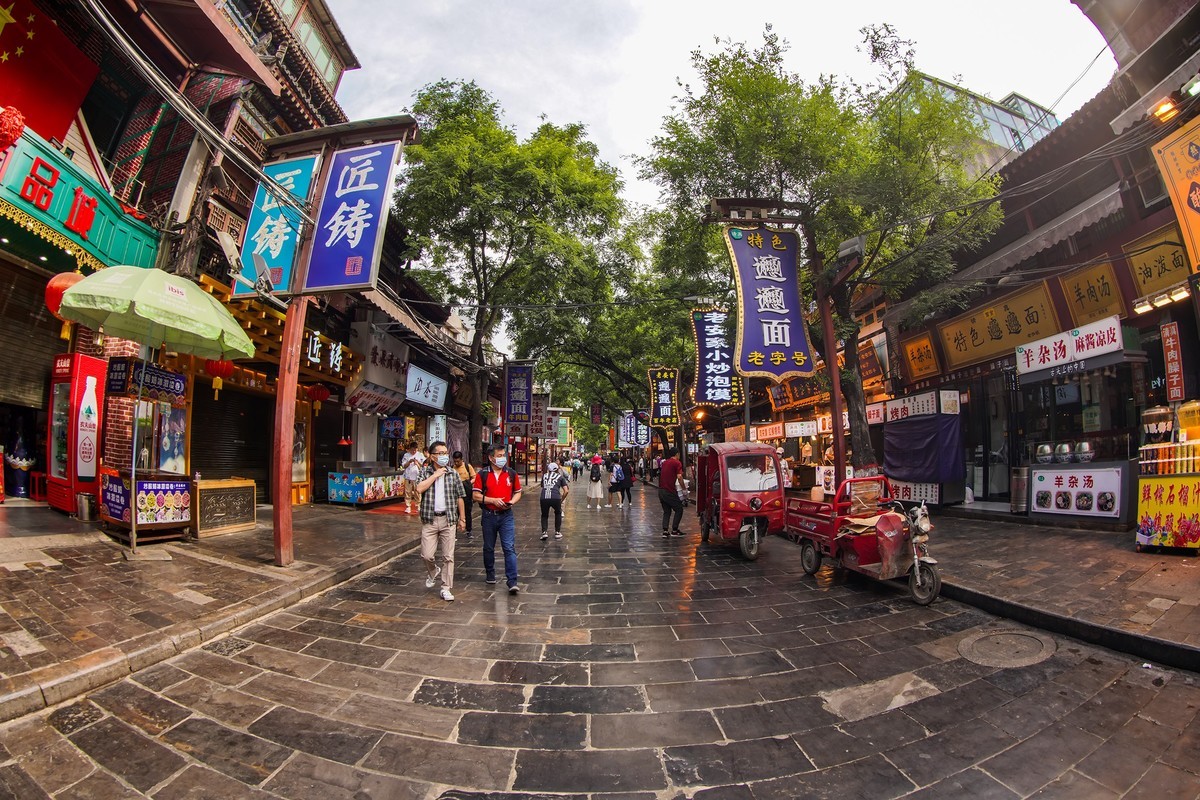
Beiyuanmen Main Street
The 500-metre pedestrian spine from the Drum Tower to the Great Mosque.
The Hui Bakeries
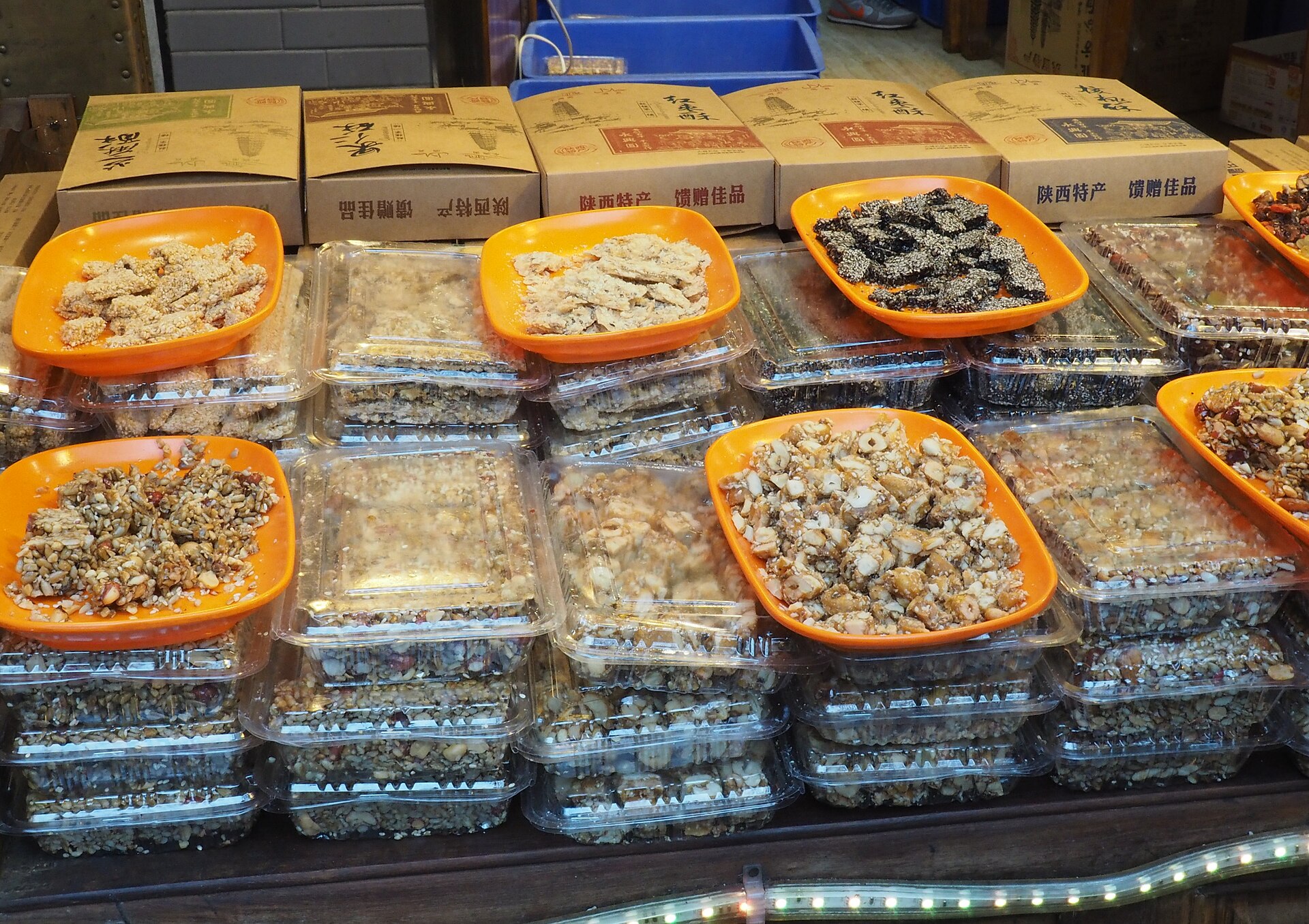
Traditional cakes and pastries sold from wooden counters.
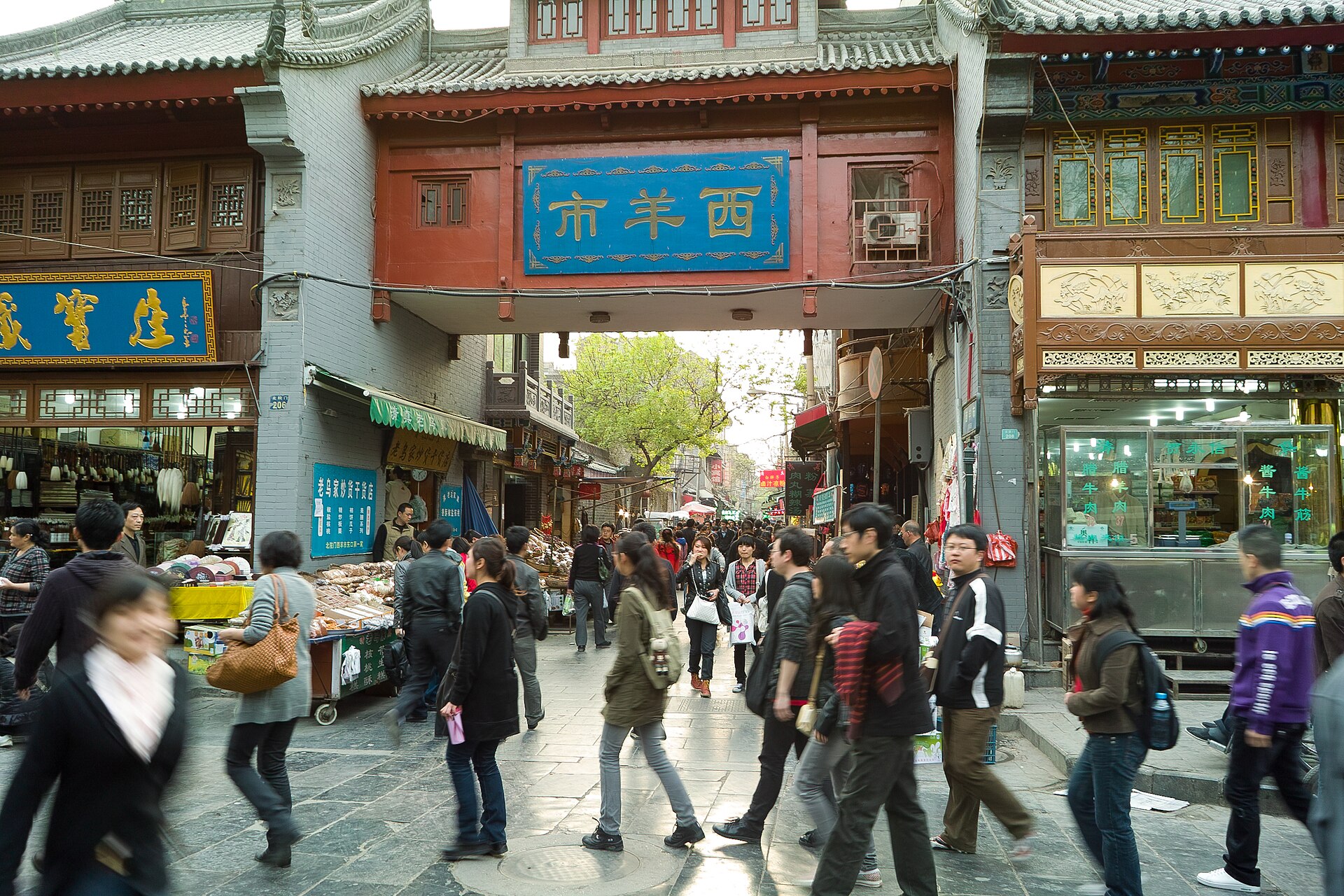
The Xiyang Market
The covered market where locals shop for lamb, bread and spices.
Photo Gallery
Comments