 Travel in China
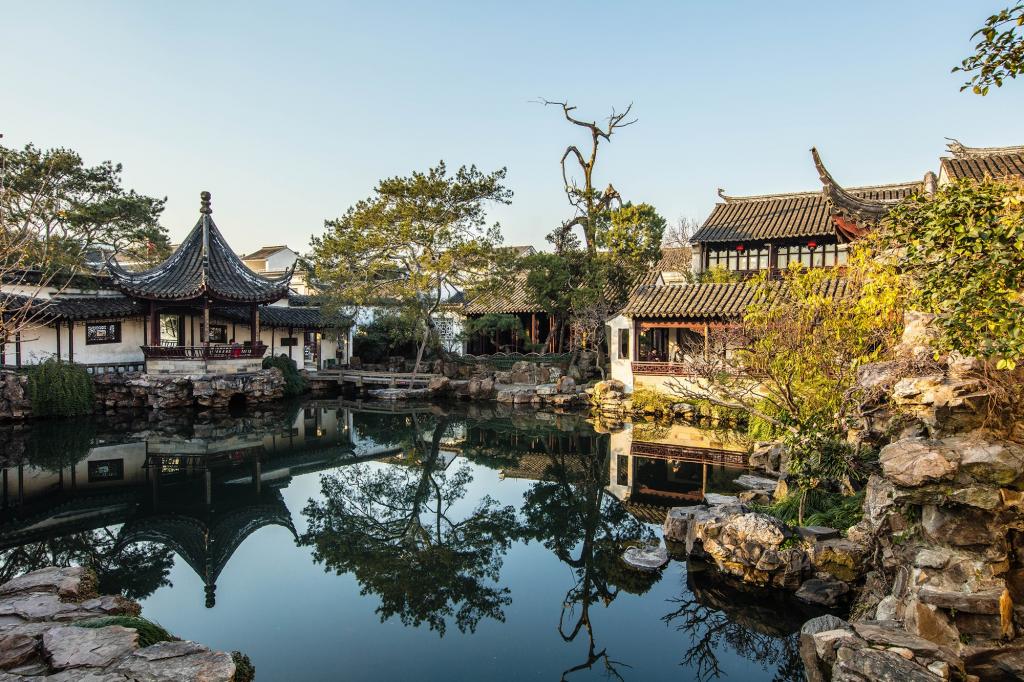
Master of the Nets Garden — half a hectare of 'small but complete' perfection, home to Suzhou's signature Night Garden of Kunqu and pingtan under lanterns (¥120, online-only) and the courtyard recreated at the Met.
Dive deeper: full travel guide · transport & map · where to stay & book
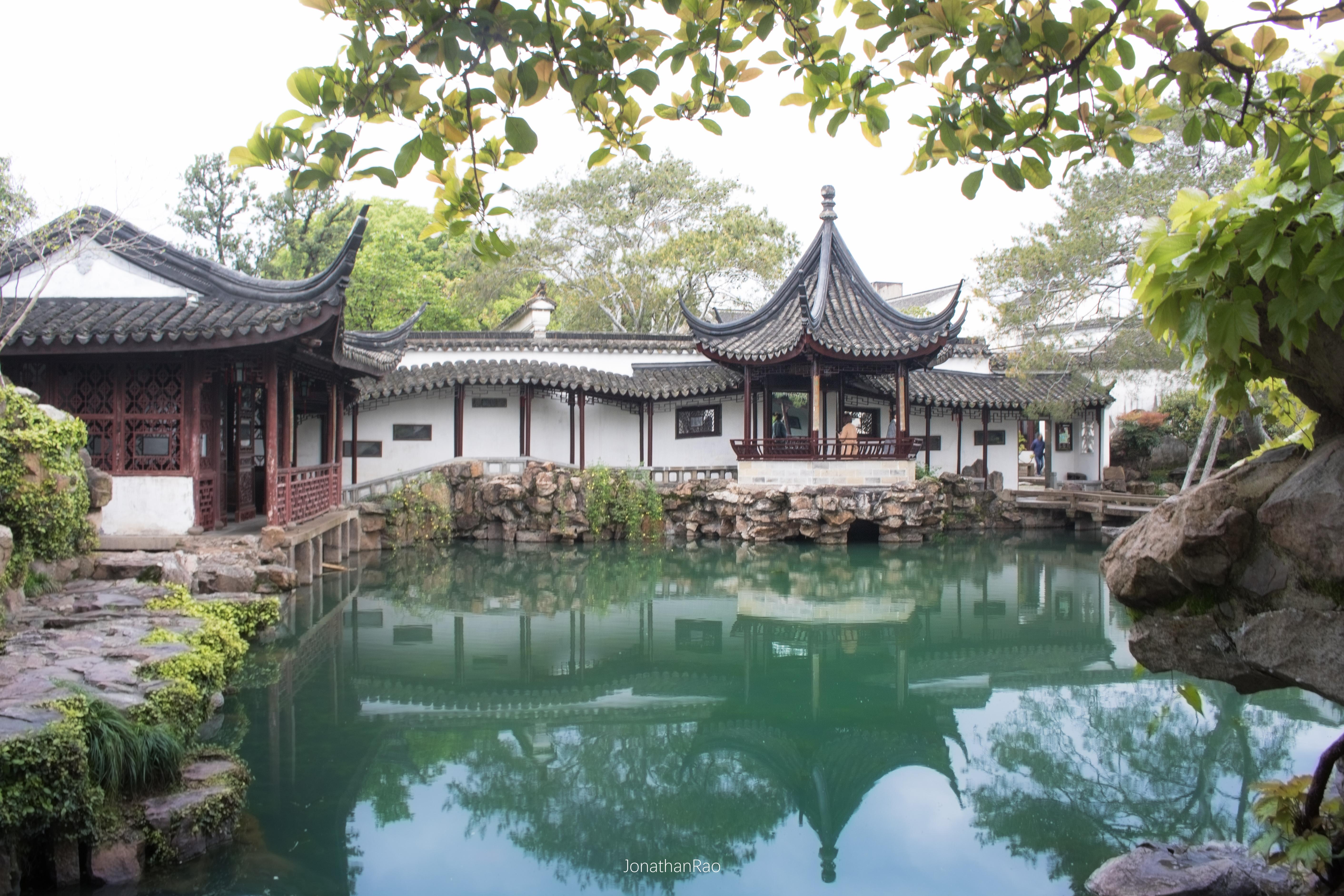
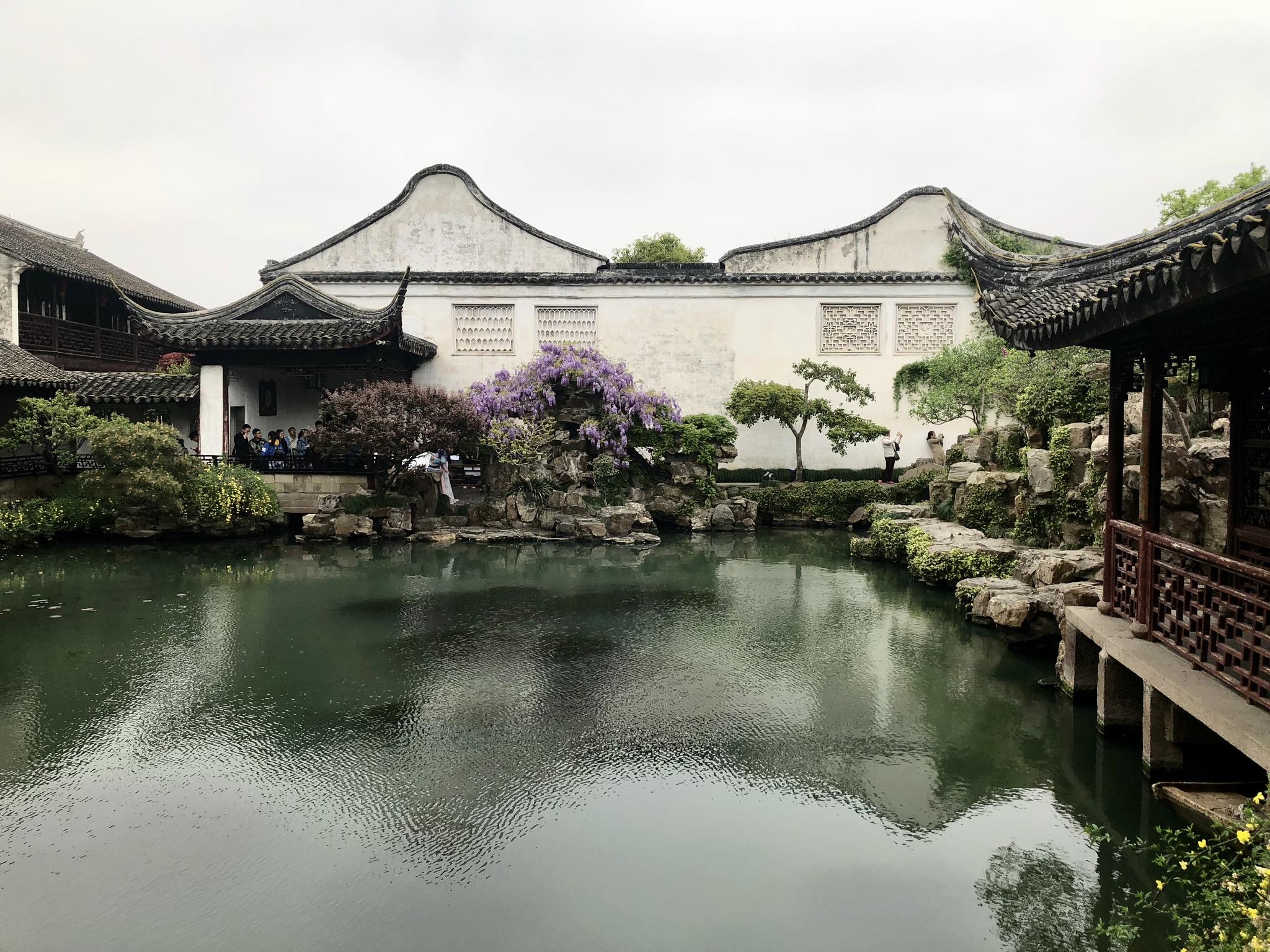
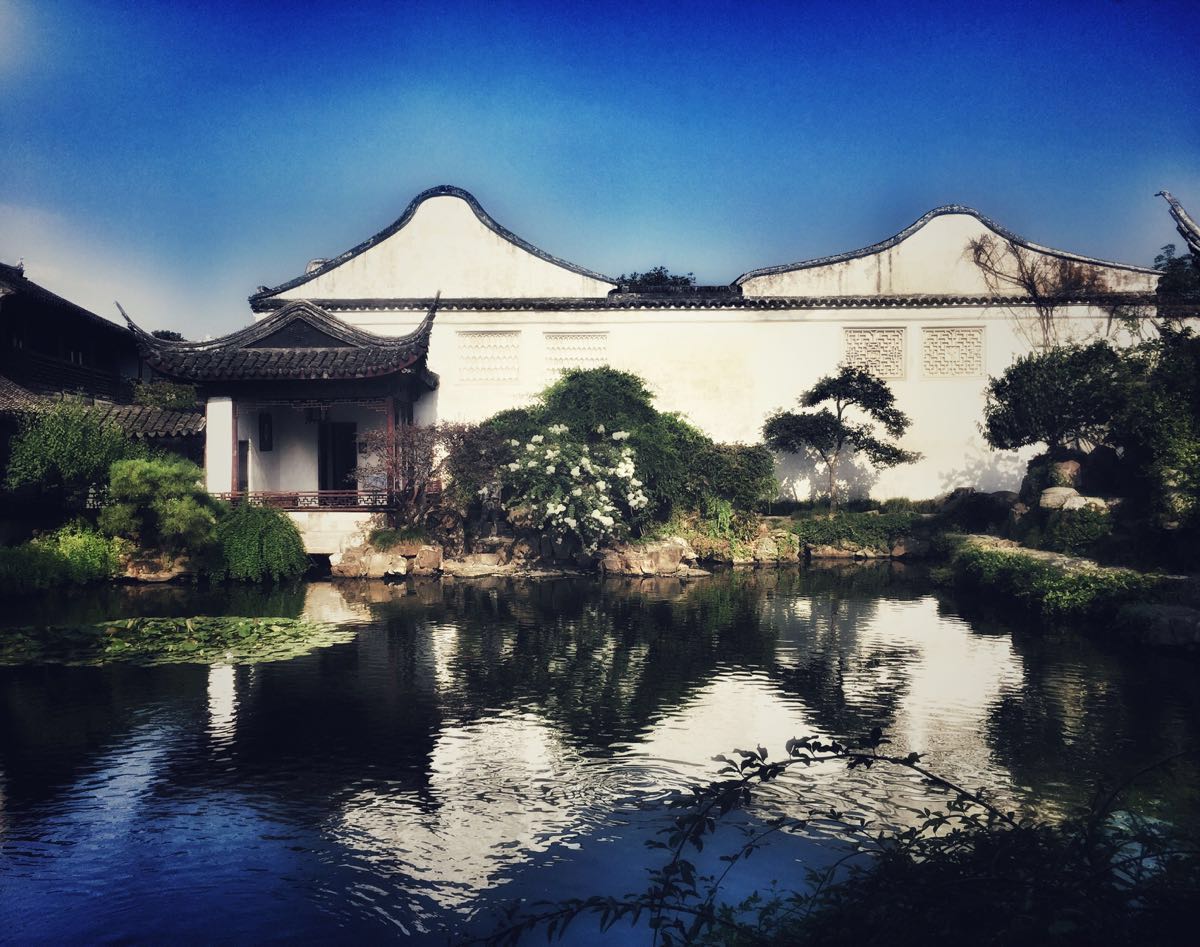
Begun around 1140 as the 'Wanjuan Hall' study of a Song-dynasty scholar and rebuilt in the 1770s as the 'Fisherman's Retreat' — a modest official's fantasy of the angler's simple life — the Master of the Nets Garden (Wangshi Yuan) is the smallest yet most consummately finished of Suzhou's great gardens: barely half a hectare, yet listed by UNESCO in 1997 and praised by architectural historians as the ultimate model of 'small but complete, dense but not crowded'. Its central Rosy Cloud Pool is ringed with pavilions meticulously scaled to the water; the Moon Arrives with Breeze Pavilion juts over the water for mid-autumn moon-viewing, and the Dianchunyi (Spring Cottage) courtyard of 1980 was recreated full-scale at New York's Metropolitan Museum of Art.
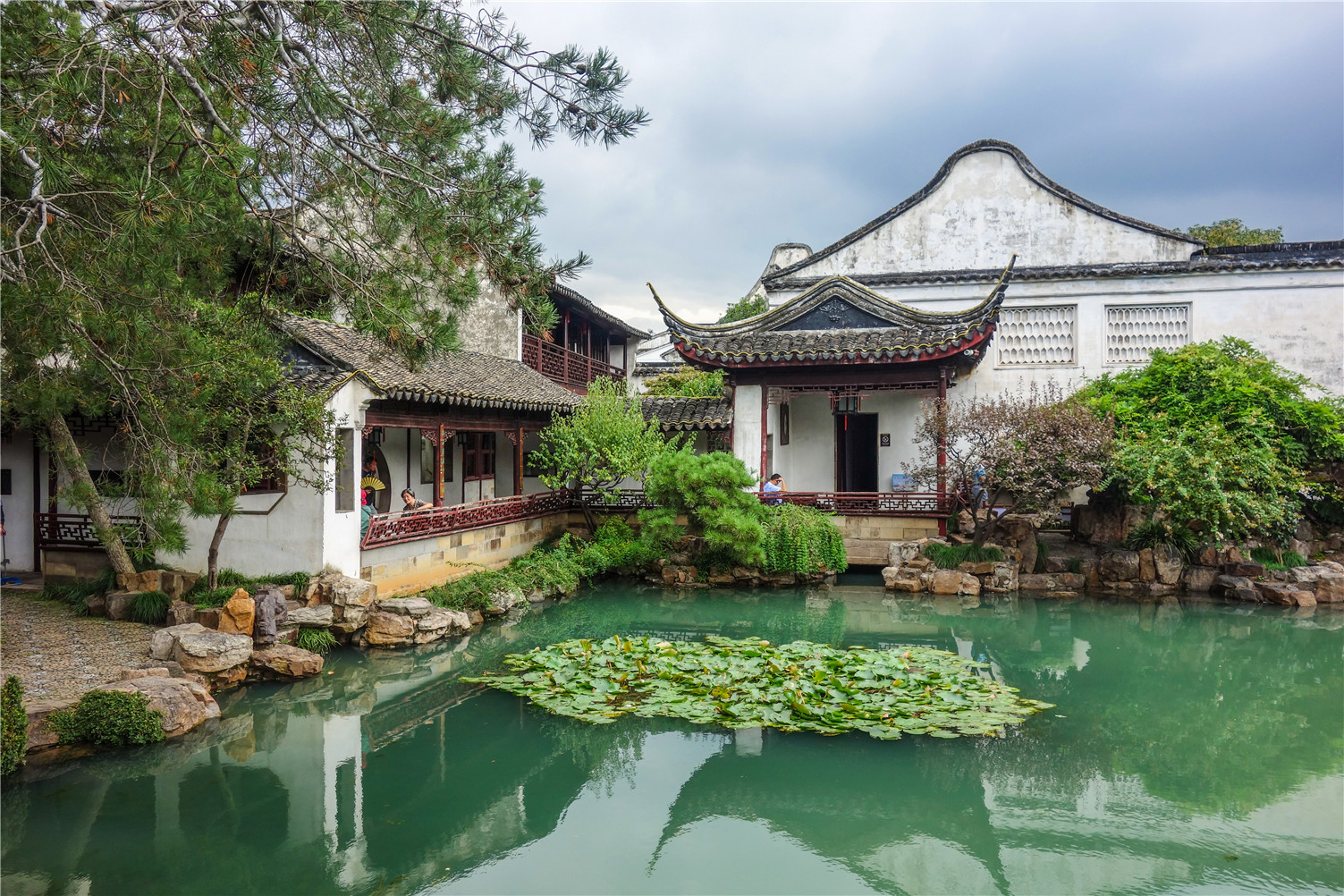
Daytime shows the garden's intricate joinery at close range: elaborate lattice and leak-window patterns that borrow neighbours' scenery — photographers call the north corridor the garden's finest picture frame — alongside the tiny Yinjing stone arch bridge, a few paces across and claimed as one of the smallest garden bridges in China, and the studio where painter Zhang Daqian once lodged. But the garden's signature is its Night Garden, run continuously since 1990: from mid-March to mid-November, soft lantern light, Kunqu opera scenes from 'The Peony Pavilion', pingtan storytelling, guqin zither and flute unfold in sequence through the halls and courts — 'ten steps, one scene' — across about 45 minutes of wandering, Suzhou's most atmospheric evening and a bucket-list experience.
Today the garden opens at 07:30 (day tickets ¥40 peak / ¥30 off-peak) and transforms after dusk for the Night Garden at ¥120 per person — sold only online via the 'Suzhou Gardens Tourism' WeChat platform with timed slots, no walk-up sales, and day and night visits are separate tickets. Metro Line 5 reaches Nanyuan North Road Station, a ten-minute walk along Shiquan Street to the lane-side gate. The truly special visit is the Night Garden on a weekday evening in April–May or September–October, when weather is mild and the small garden stays uncrowded; plan 1.5 hours by day, or 1.5–2 hours for the night.
Highlights
Night Garden: Kunqu & Pingtan under Lanterns
Since 1990, mid-March to mid-November: eight short performance scenes — Kunqu opera, pingtan storytelling, guqin, flutes and Kun dance — staged in different halls across about 45 minutes of wandering. Suzhou's most atmospheric evening.
Rosy Cloud Pool Composition
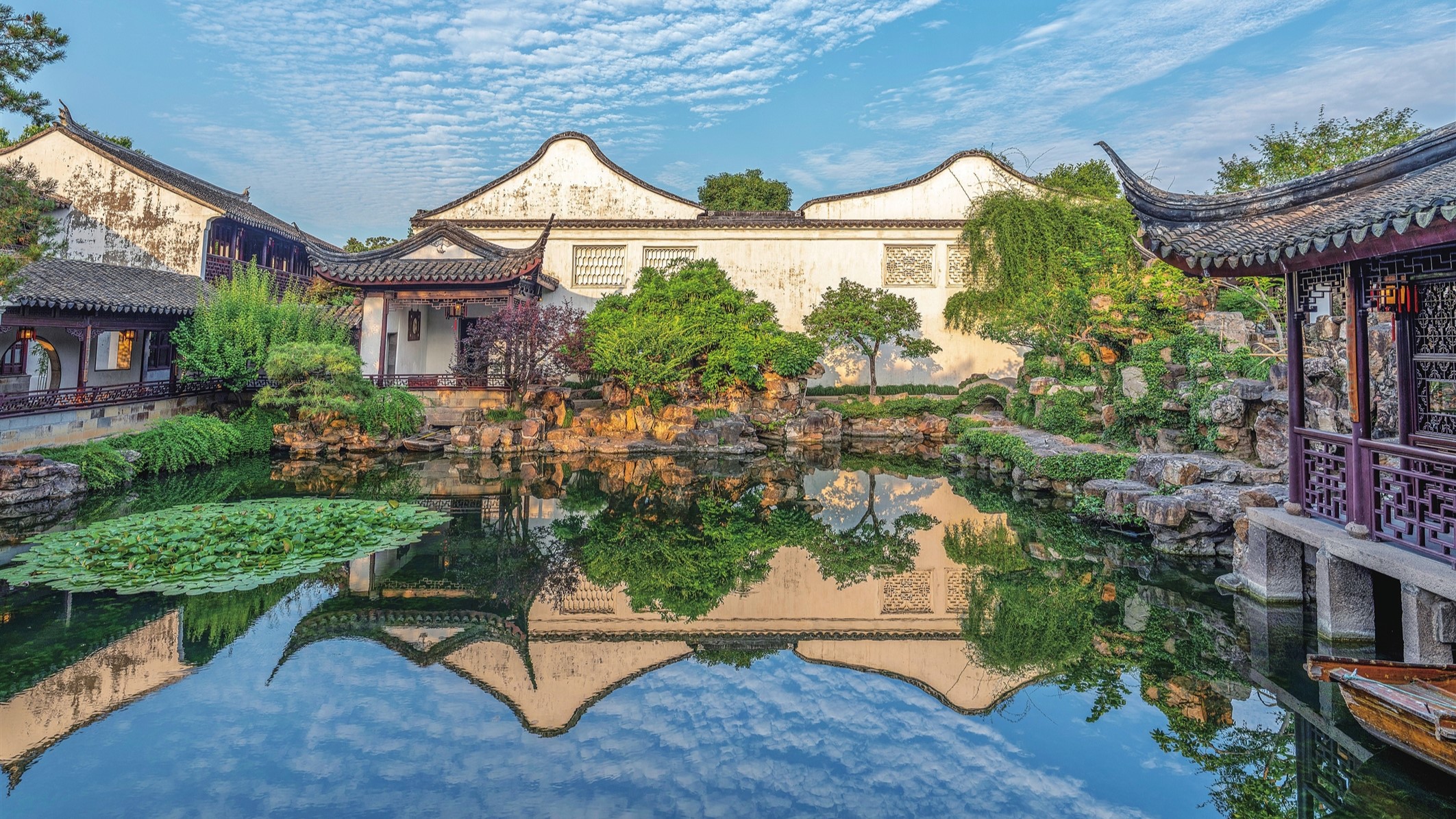
A half-hectare masterwork of proportion: every pavilion and bridge is scaled to the small pond, achieving grandeur through restraint — the textbook example of 'less is more' in Chinese garden design.
Moon Arrives with Breeze Pavilion
The three-bay waterside pavilion cantilevered over the pool, built for mid-autumn moon-viewing; a mirror hung on its pillar reflects the moon into the room.
Dianchunyi (Spring Cottage) & Met Museum Link
The delicate peony-and-begonia courtyard where painter Zhang Daqian once lived was recreated in 1980 as 'Astor Court' at New York's Metropolitan Museum of Art — Suzhou's most famous garden export.
Yinjing Bridge & Three-Step Wonder
The garden's tiny stone arch bridge — a few paces across — is claimed as one of the smallest garden bridges in China, proof that scale is a state of mind.
Lattice Windows & Corridor Framing
Study the elaborate latticework and leak-window patterns that borrow neighbours' scenery; photographers call the north corridor the garden's finest picture frame.
Photo Gallery
Comments