 Travel in China
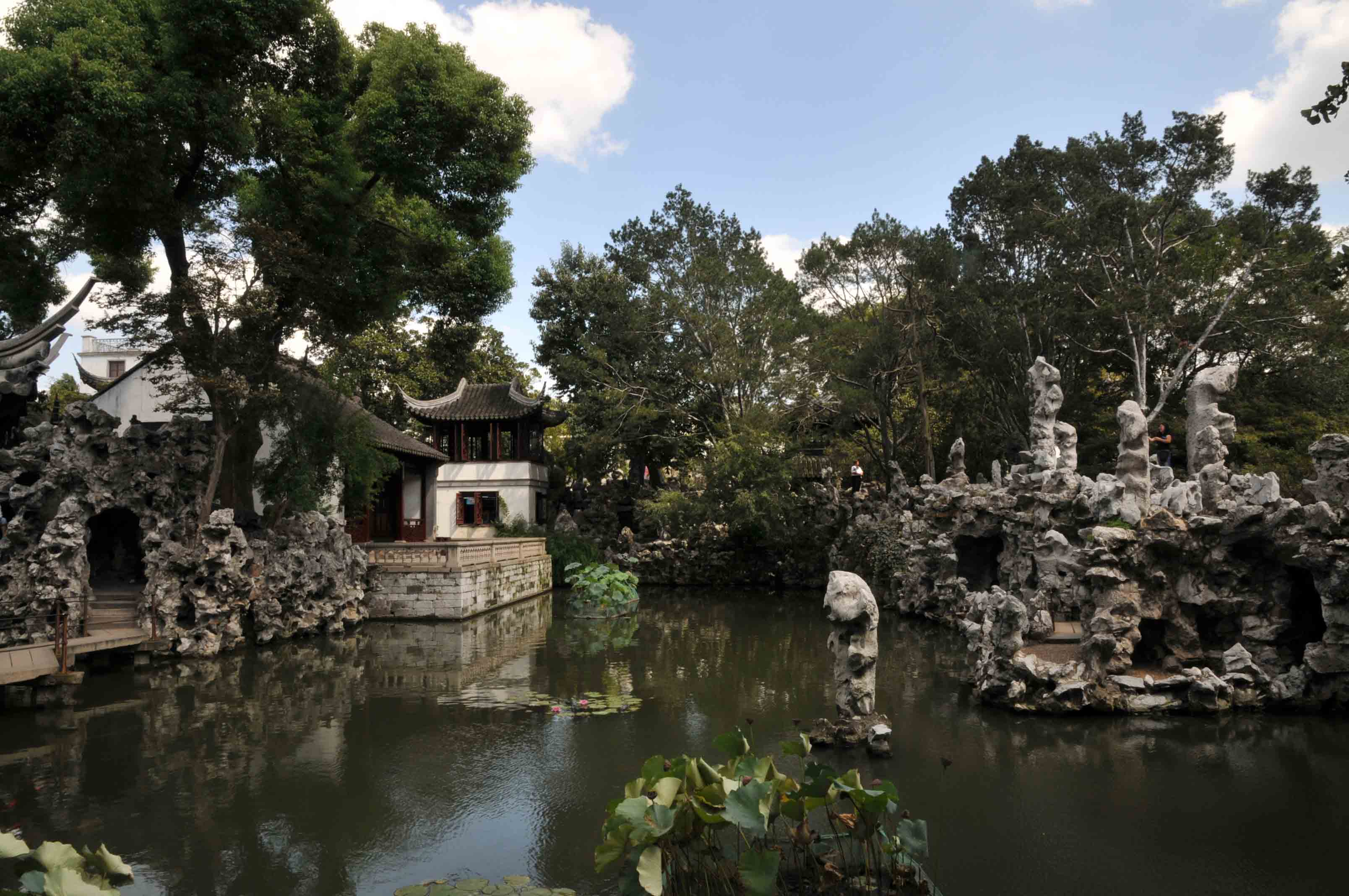
Lion Grove — Suzhou's 1342 'Kingdom of Rockeries': a multi-level stone labyrinth adults get genuinely lost in, a Qianlong plaque, and the I.M. Pei family saga 200 m from the Humble Administrator's Garden.
Dive deeper: full travel guide · transport & map · where to stay & book
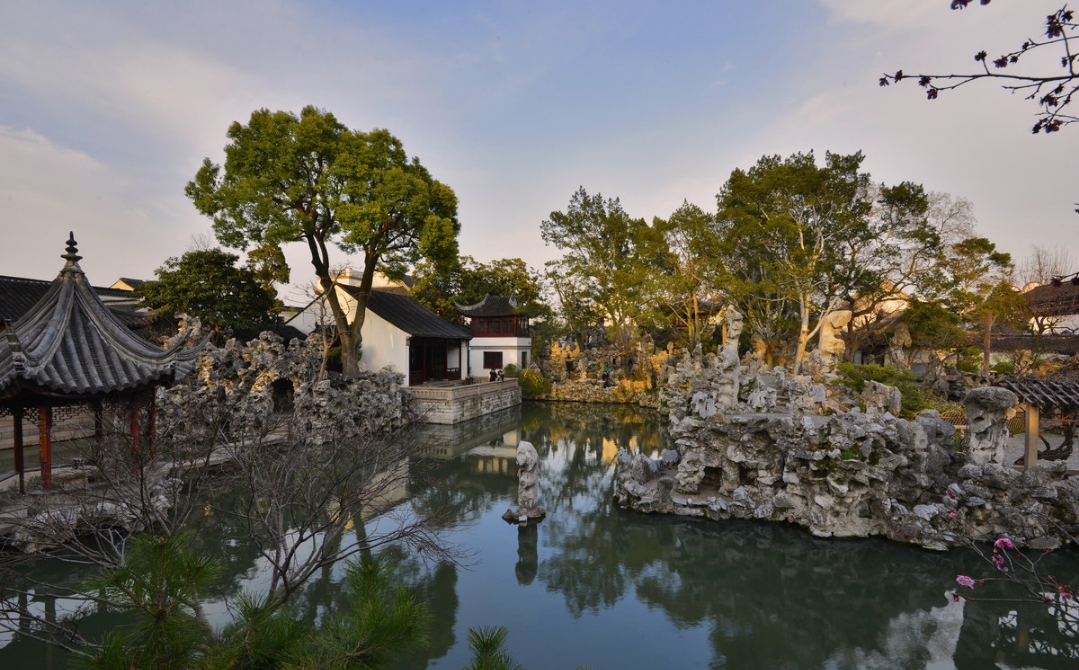
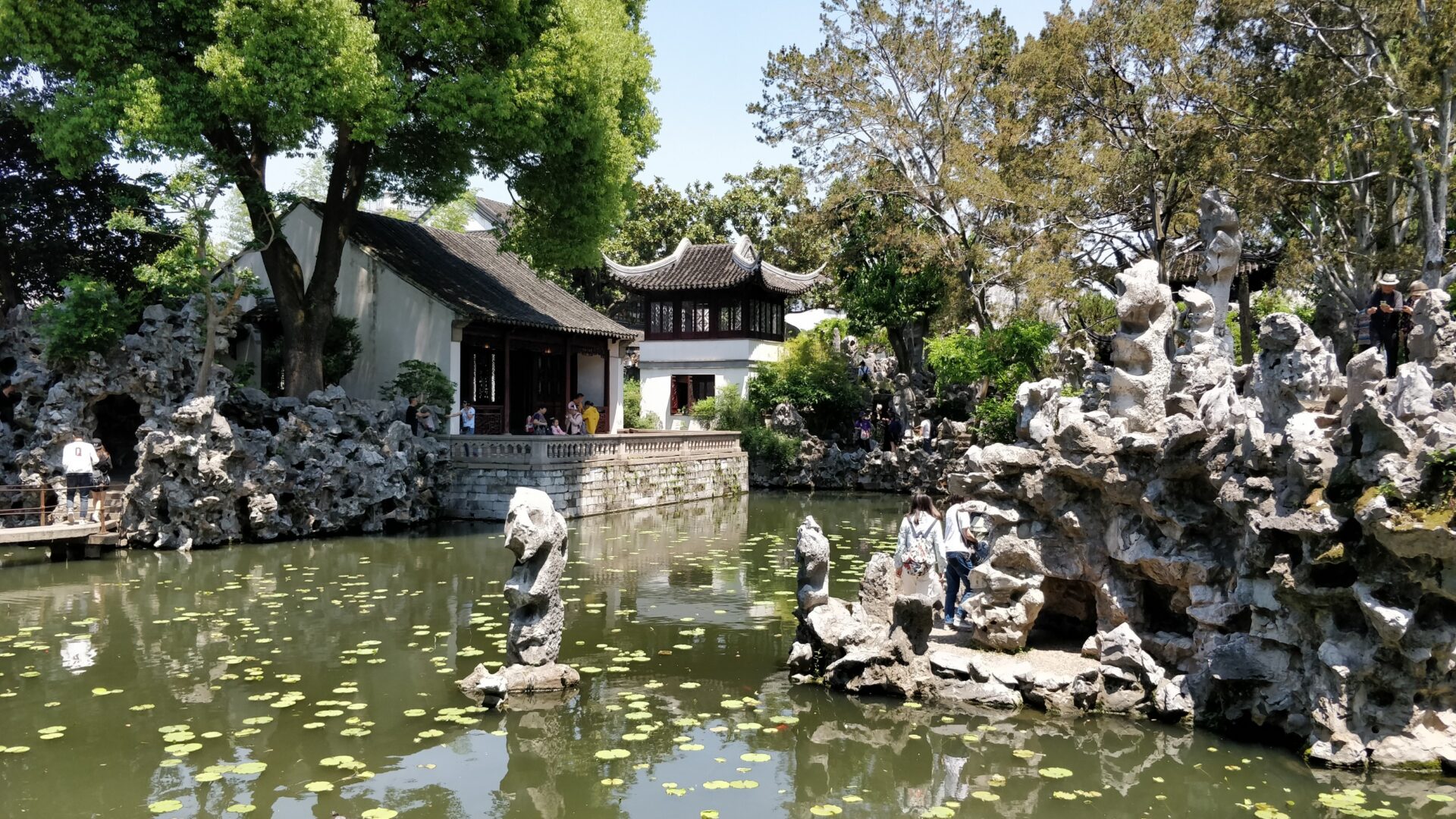
Founded in 1342 as a Buddhist monastery garden by disciples of the Chan master Tianru Weize, Lion Grove (Shizilin) takes its name from the lion-shaped Taihu limestone rocks said to evoke the master's Lion Cliff meditation site. For nearly seven centuries its heart has been a labyrinthine grotto mountain of piled Taihu stone — caves, tunnels, blind turns and hidden stairways on multiple levels that adults genuinely get lost in, earning it the nickname 'Kingdom of Rockeries'. In 1917 the garden was bought by Shanghai pigment magnate Bei Runsheng — grand-uncle of Pritzker-winning architect I.M. Pei — who spent 800,000 silver dollars on an ambitious restoration; his liberal use of concrete, steel and coloured glass in pavilions, boat-shaped halls and even a 1930s concrete-and-glass tea house sparked lasting controversy among preservationists, while young I.M. Pei spent boyhood summers playing in the rockery maze.
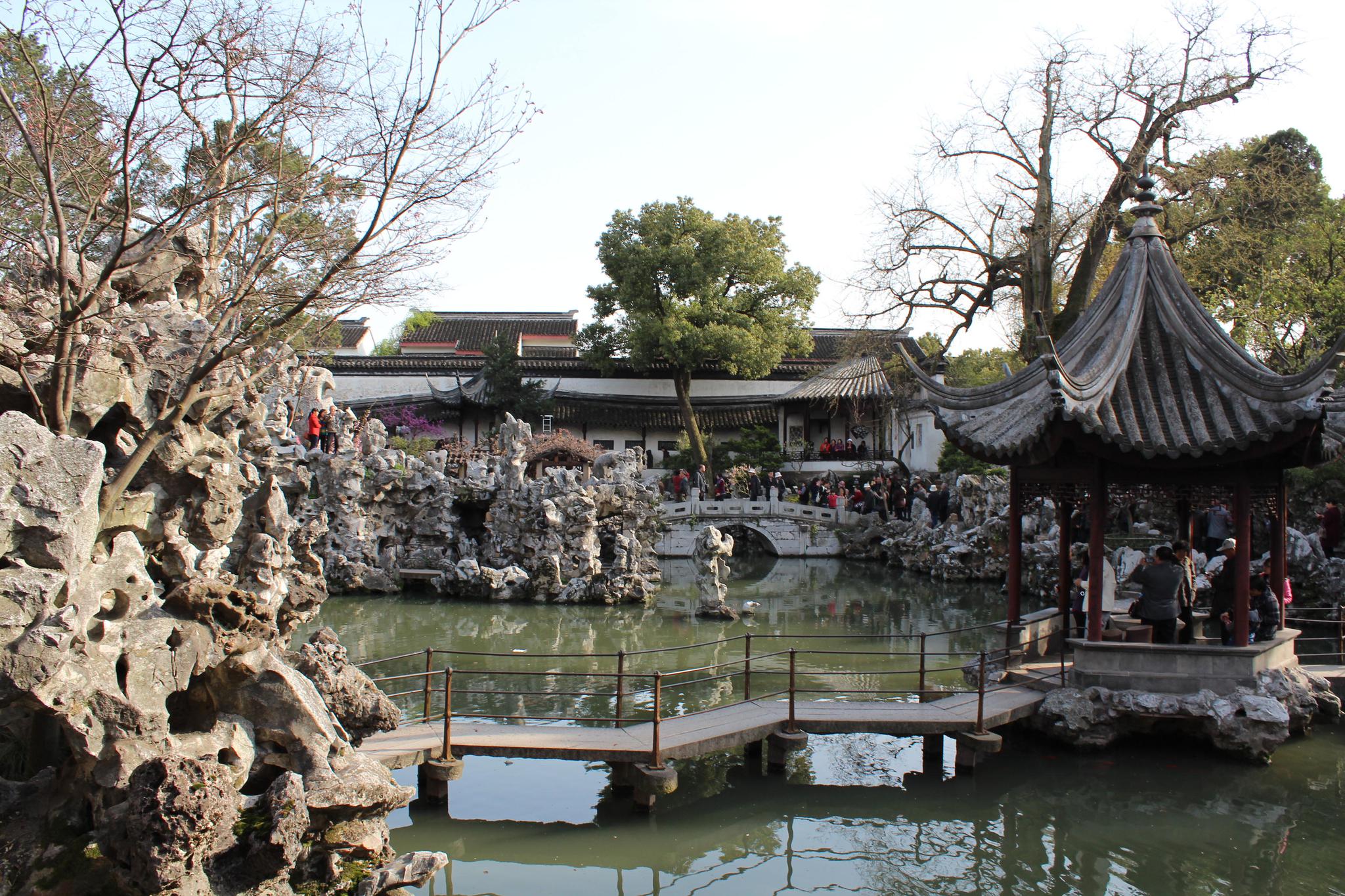
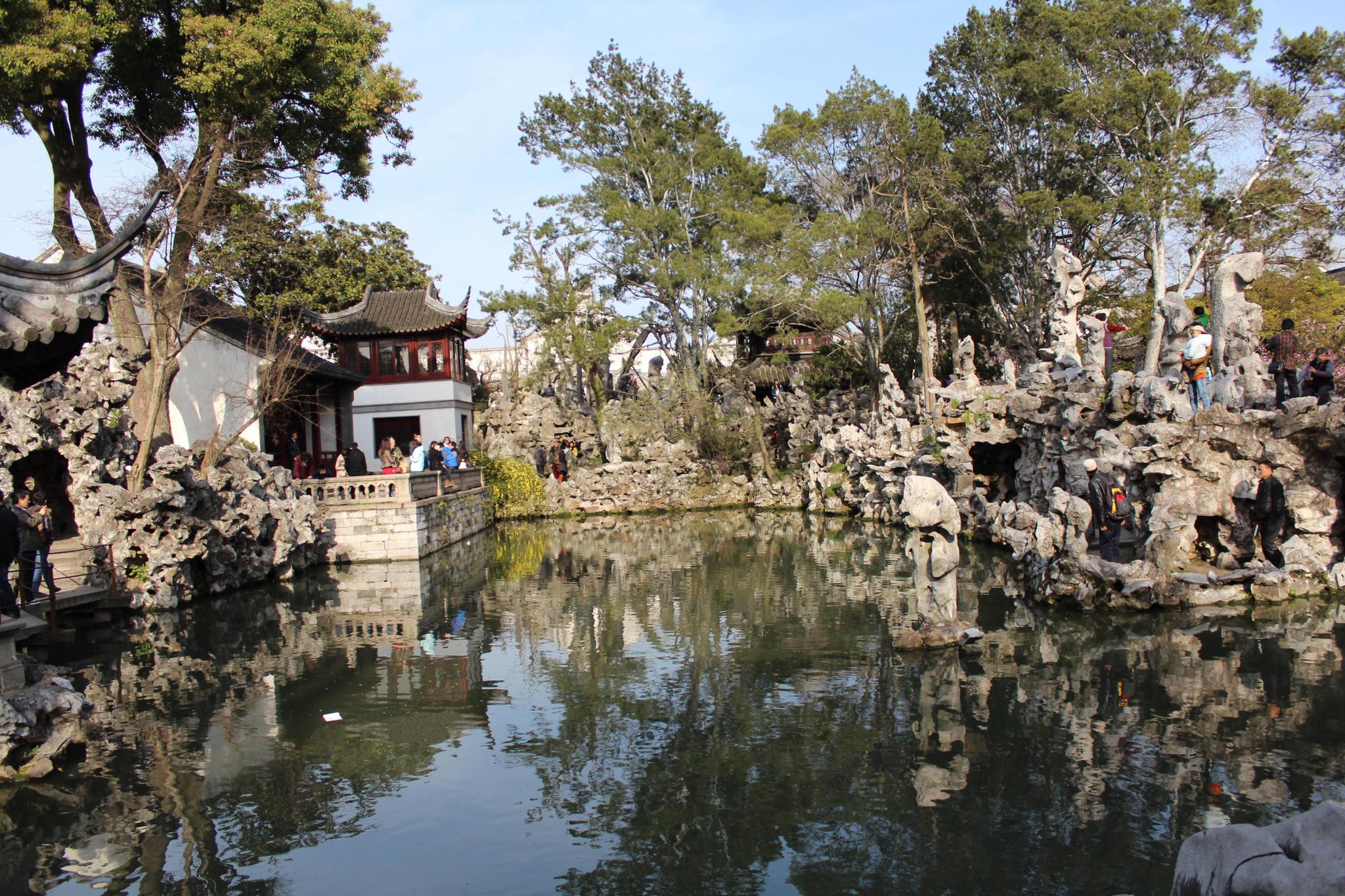
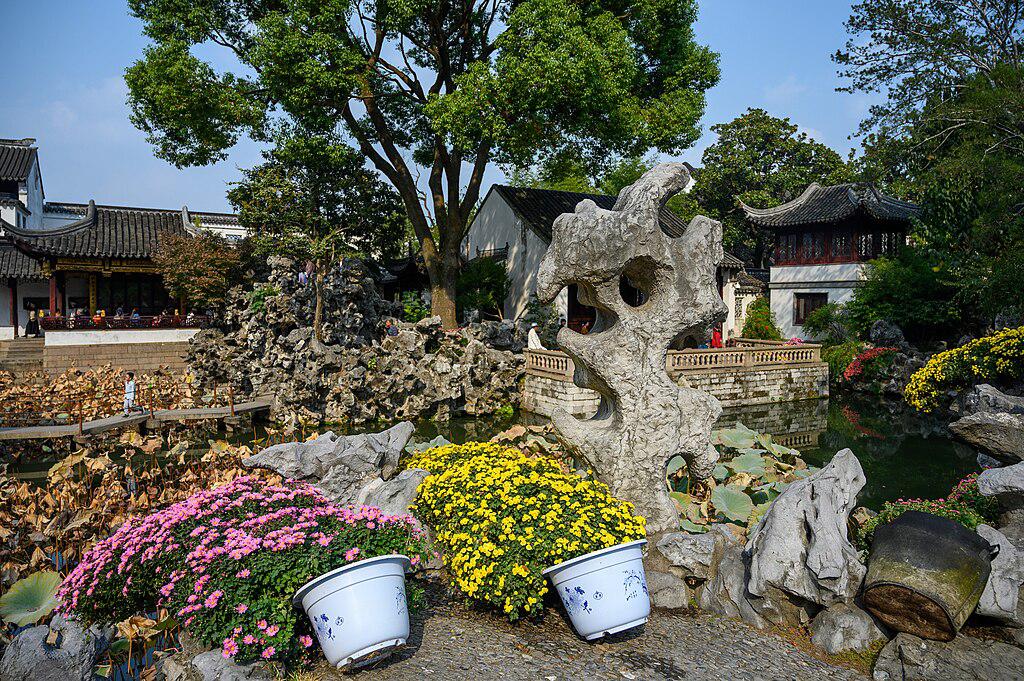
The garden's wonders are compact and theatrical. The grotto labyrinth is the largest and most intricate in any Suzhou garden — allow 30–45 minutes, and getting genuinely lost is the point. The True Delight Pavilion holds a gilded plaque reading 'Zhen Qu' (True Delight), said to be personally written by Emperor Qianlong, who visited six times. Yanyu Hall (Swallow's Glory), the main hall, is an elegant example of Suzhou's mandarin-ducks-hall construction with twin connected rooms, once the Bei family reception hall; beside the central pond a stone 'land yacht' pavilion is the favourite vantage for watching others disappear and re-emerge from the rockery tunnels. The ancient cypresses of Pointing-at-Cypress Studio recall the garden's 660-year monastic origins, and Wumei Pavilion celebrates the winter plum blossom tradition.
Donated to the state by the Bei family in 1954, the garden joined UNESCO's World Heritage list in 2000 and sits barely 200 metres from the Humble Administrator's Garden, making an easy pairing. Entry costs ¥40 in peak months and ¥30 off-peak, with real-name timed reservation through the 'Suzhou Gardens Tourism' WeChat platform up to seven days ahead — one of only three Suzhou gardens still requiring it. Metro Line 6, opened June 2024 as the 'garden line', stops at Zhuozhengyuan-Suzhou-Museum Station, an eight-minute walk away. Come at the 07:30 opening: the maze is narrow and jams with tour groups by mid-morning, while winter weekdays offer the labyrinth almost to yourself; plan 1.5–2.5 hours plus a half-hour if pairing with its famous neighbour.
Highlights
The Rockery Labyrinth
A multi-level 3D maze of Taihu limestone caves, tunnels and hidden stairways — the largest and most intricate in any Suzhou garden. Allow 30–45 minutes; getting genuinely lost is the point.
True Delight Pavilion & the Qianlong Plaque
The gilded plaque reading 'Zhen Qu' (True Delight) inside this pavilion is said to be personally written by Emperor Qianlong, who visited the garden six times.
I.M. Pei Family Connection
Owned from 1917 by the Bei family — grand-uncle of Pritzker laureate I.M. Pei, who spent childhood summers here; the story of the controversial modernist 1930s renovation (concrete, steel, coloured glass) is told on-site.
Yanyu Hall (Swallow's Glory)
The garden's main hall, an elegant example of Suzhou mandarin-ducks-hall construction with twin connected rooms, once the Bei family reception hall.
Boat-Shaped Stone Boat & Water Court
A stone 'land yacht' pavilion by the central pond — a favourite vantage for watching others disappear and re-emerge from the rockery tunnels below.
Ancient Cypresses & Pointing-at-Cypress Studio
Zhibaixuan (Pointing at Cypress Studio) and the garden's twisted ancient trees recall its 660-year monastic origins; elsewhere, Wumei (Plum-Asking) Pavilion celebrates the winter plum blossom tradition.
Photo Gallery
Comments