 Travel in China
China's most famous Chan Buddhist temple, founded in 328 AD - 500 arhats and Feilai Peak's carved cliffs.
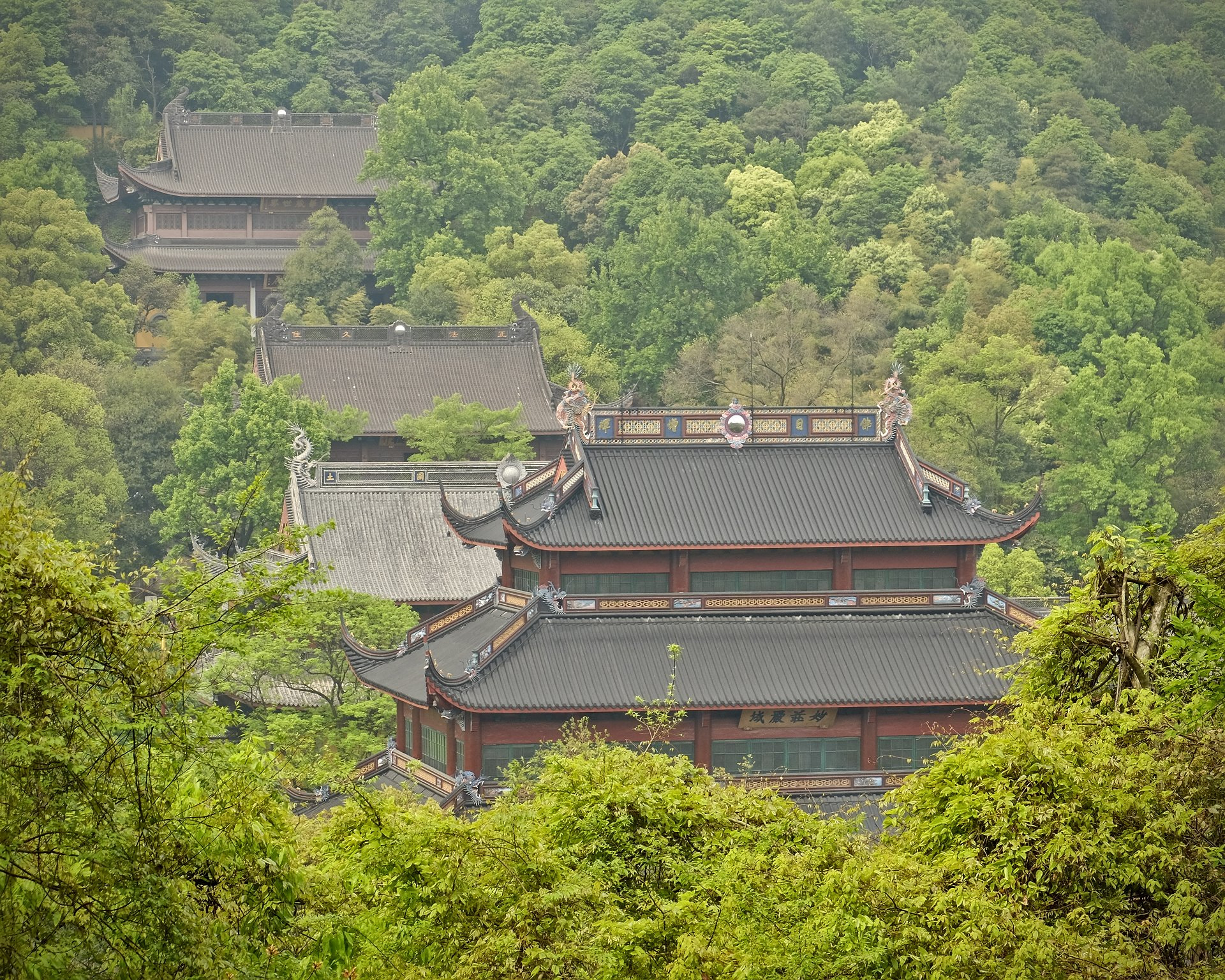
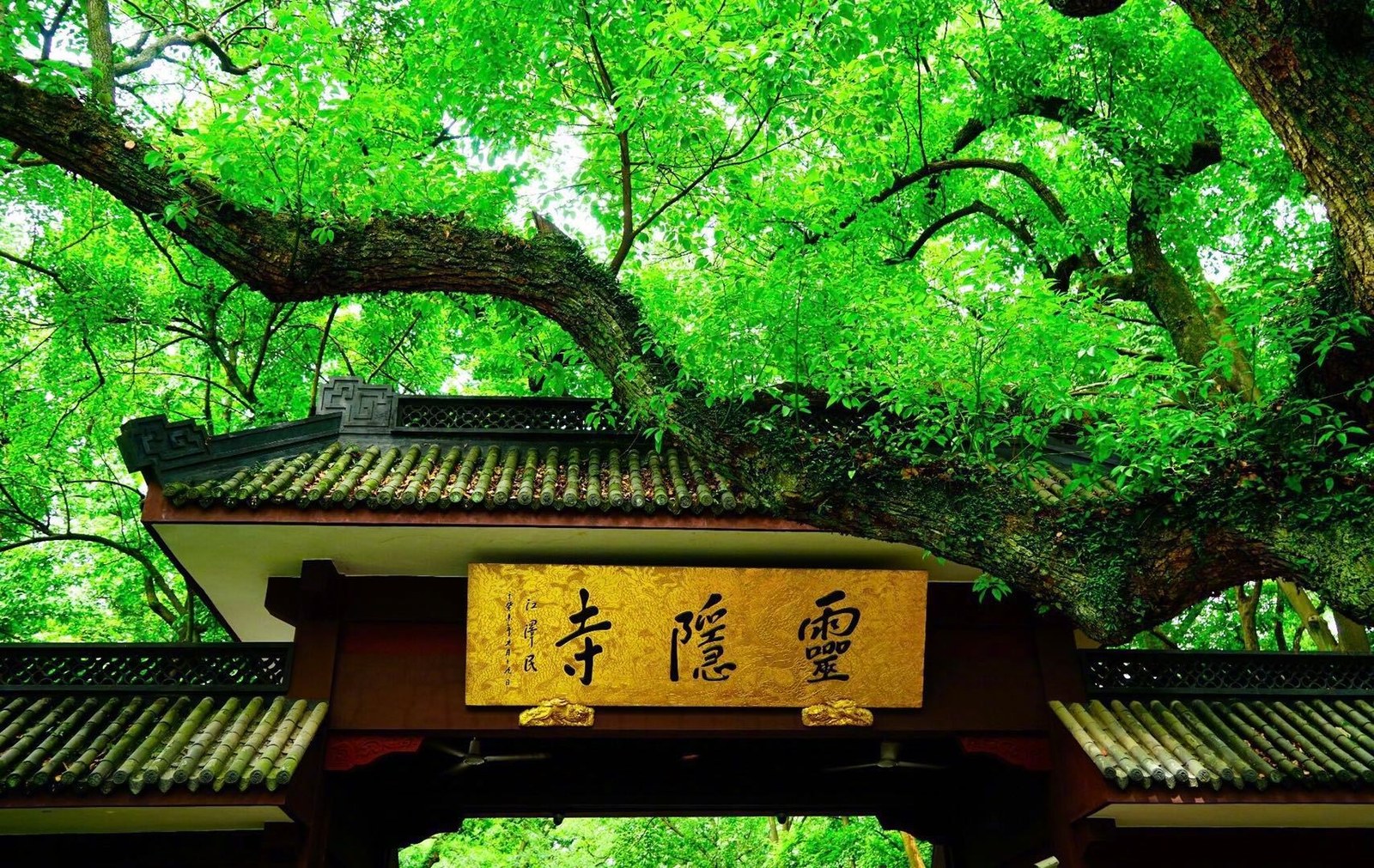
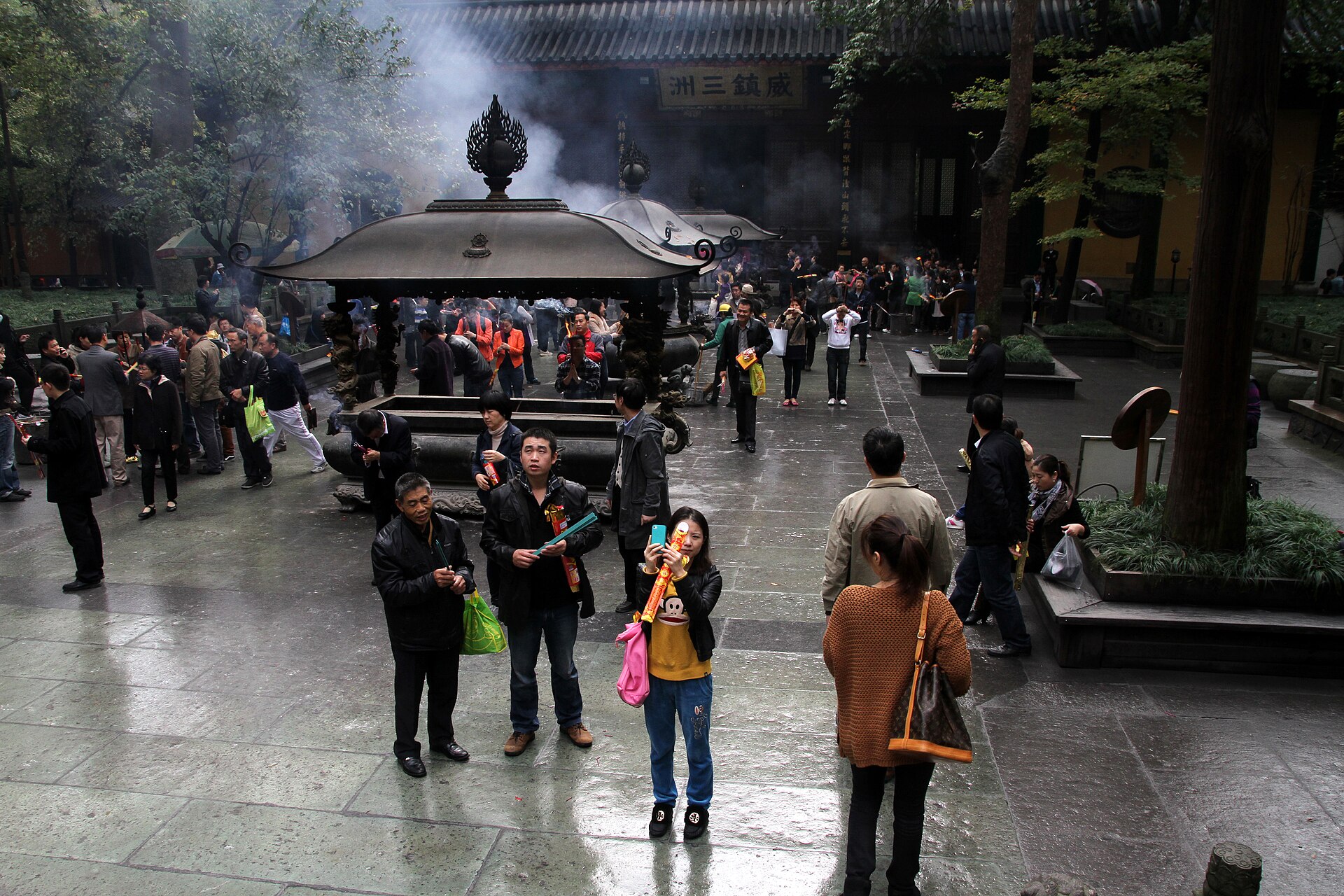
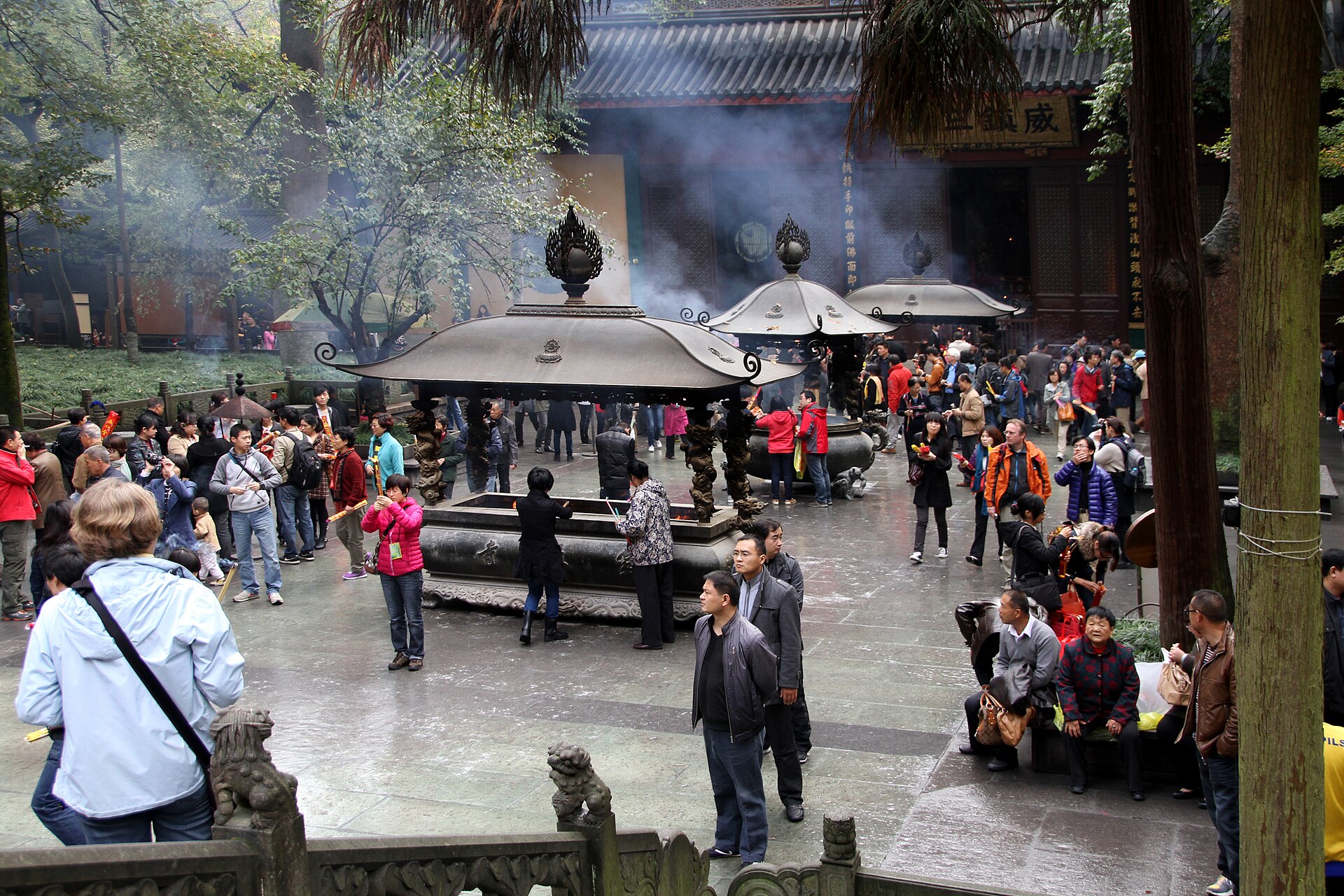
Lingyin Temple (Temple of the Soul's Retreat) was founded in 328 AD by the Indian monk Huili, making it one of the oldest Buddhist temples in China. Set in a fold of forest northwest of West Lake, the temple has been destroyed and rebuilt at least sixteen times - the current buildings date mainly from the Qing and modern restorations.
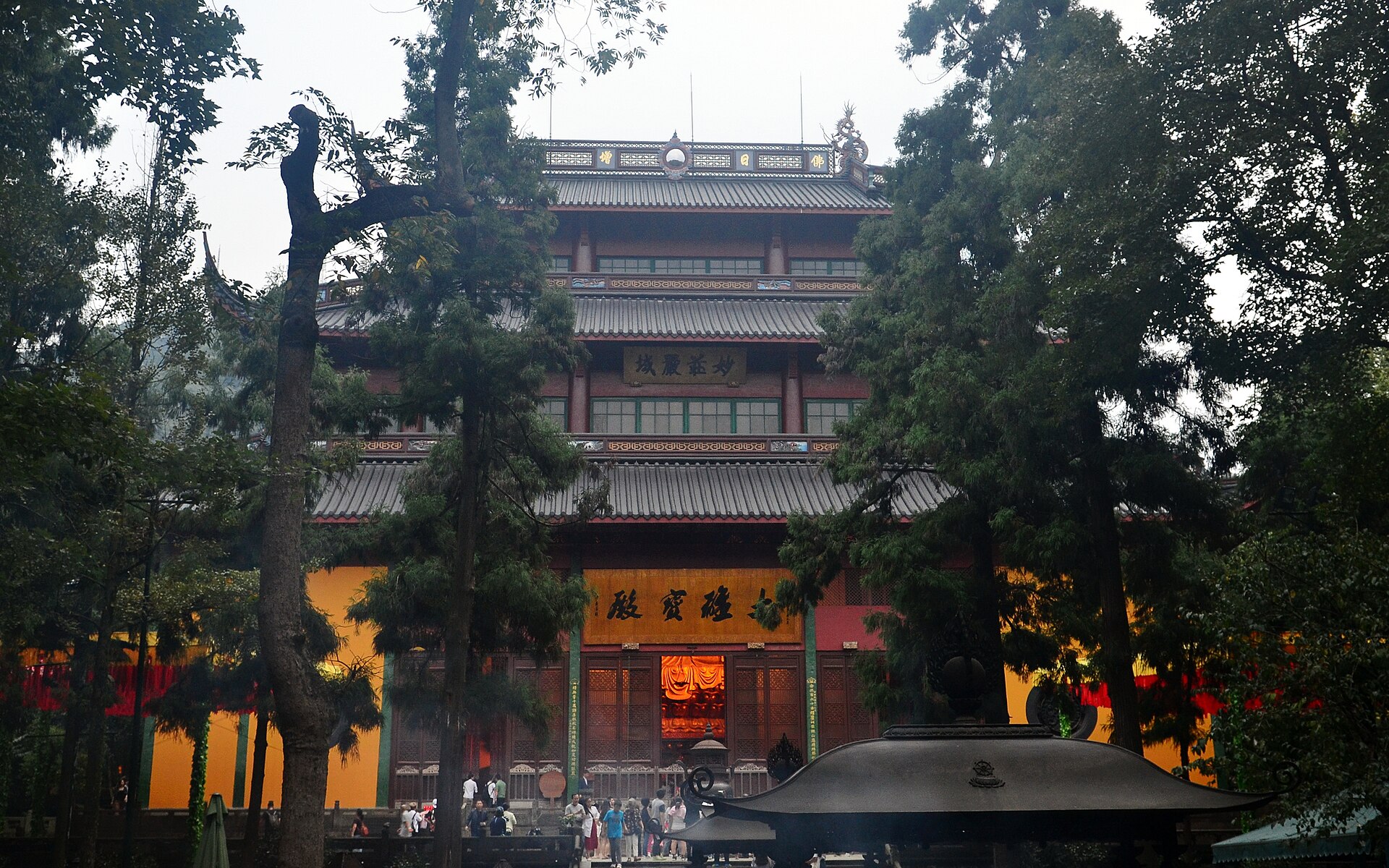
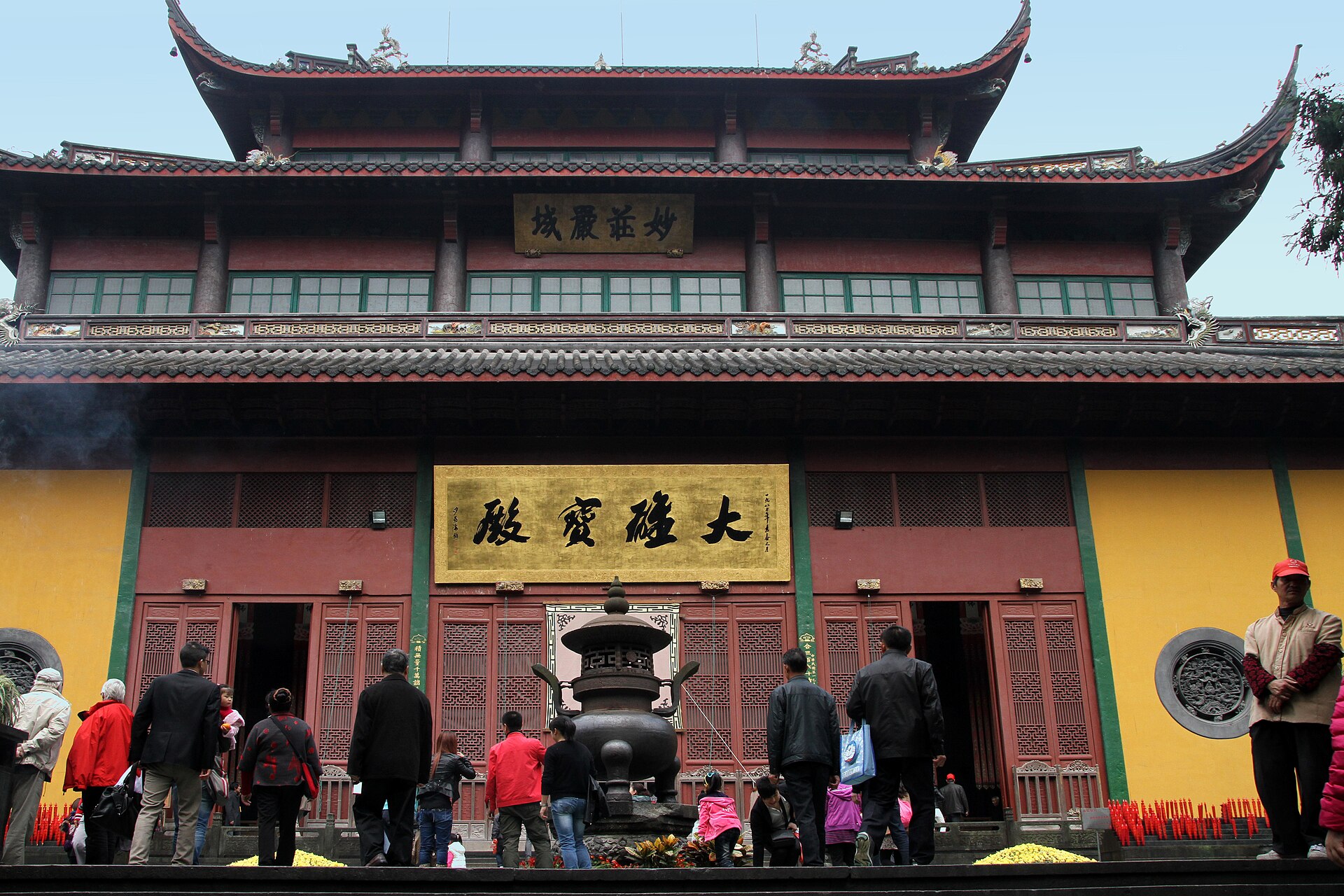
The Hall of the Heavenly Kings introduces the laughing Maitreya; the Grand Hall of the Great Sage holds a 24.8-metre camphor-wood Sakyamuni Buddha seated on a lotus throne, one of the largest wooden Buddhas in China; and the Hall of Five Hundred Arhats contains a bronze gallery of 500 distinct figures arranged around a central pagoda.
Across the stream from the temple stands Feilai Peak (Peak that Flew Here), the limestone cliff opposite the entrance. Its faces are carved with more than 300 Buddhist figures dating from the 10th to 14th centuries - the finest collection of stone carvings in the Hangzhou region, including the famous laughing Buddha of the Song dynasty.
Highlights
The Grand Hall of the Great Sage
A 24.8-metre camphor-wood Sakyamuni Buddha - one of the largest in China.
Feilai Peak Carvings
300+ Buddhist figures carved into the cliff faces from the 10th-14th centuries.
The Hall of Five Hundred Arhats
A bronze gallery of 500 distinct figures around a central pagoda.
The Ancient Forest Setting
The temple's location in a fold of mountain forest - a retreat for 1,700 years.
The Laughing Buddha of Feilai Peak
The Song-dynasty carving that has become a symbol of Lingyin.
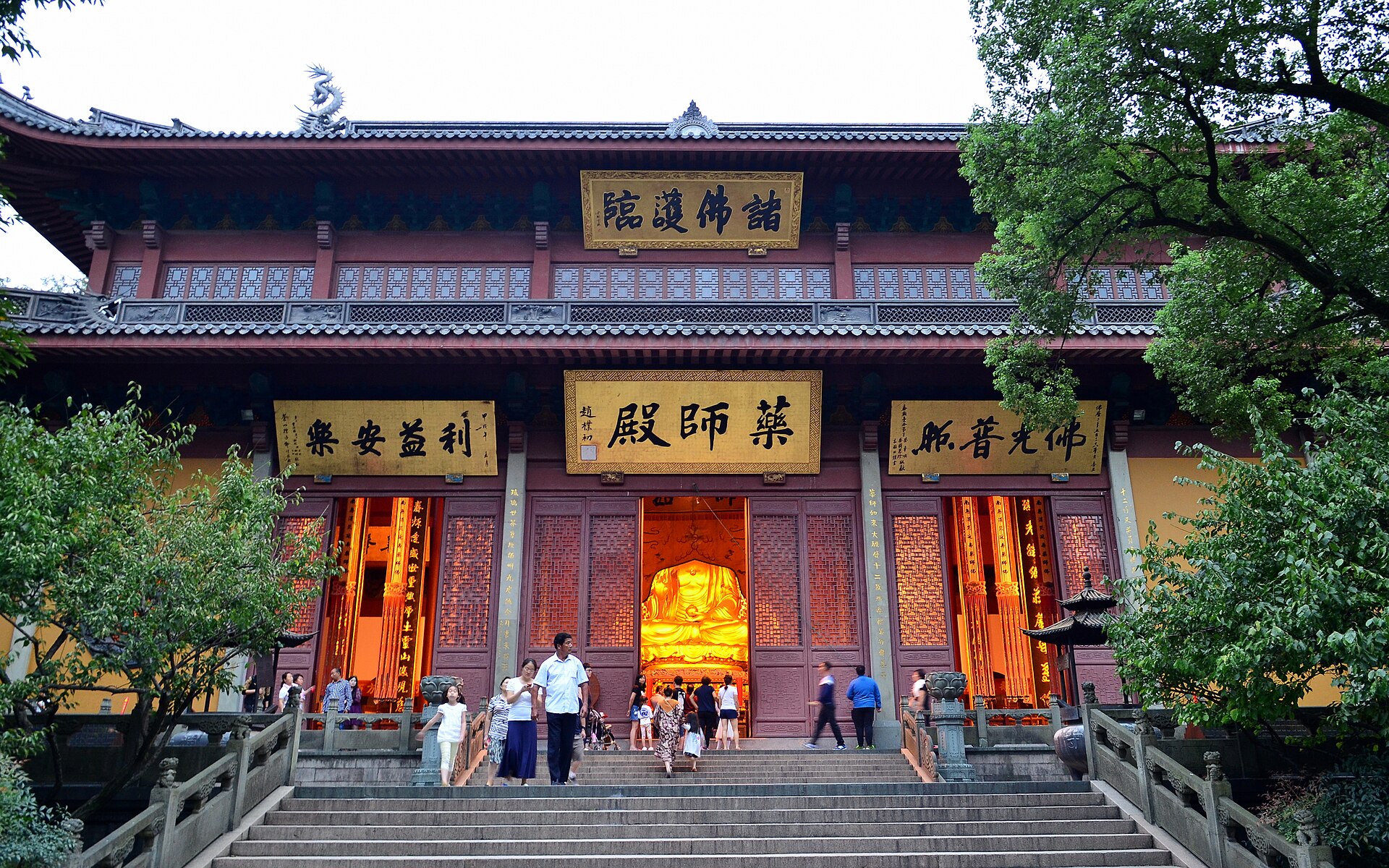
The Hall of the Medicine Buddha
A golden Medicine Buddha flanked by twelve guardians.
Photo Gallery
Comments