 Travel in China
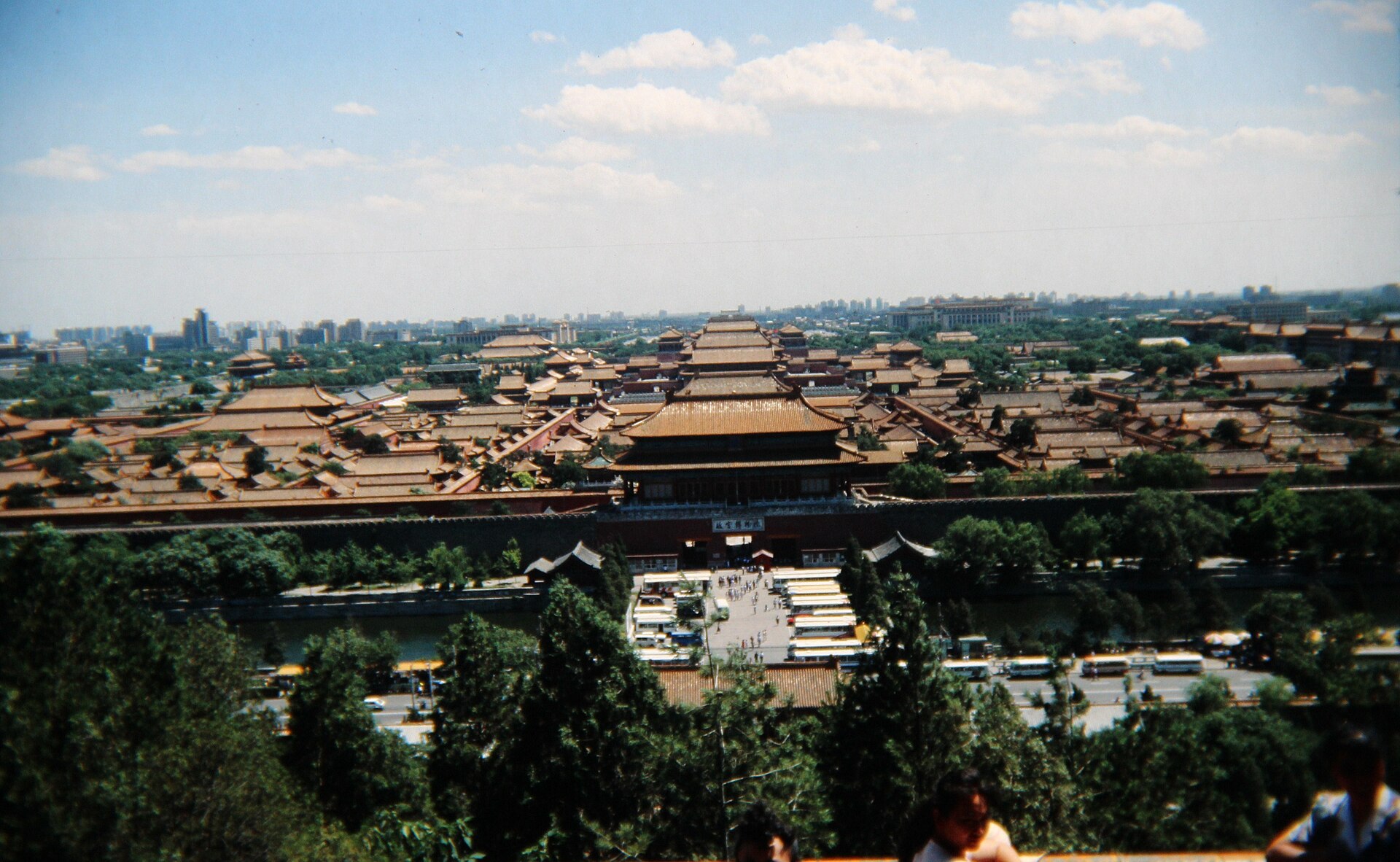
The man-made hill behind the Forbidden City - a five-minute climb to the definitive rooftop panorama of golden palace roofs rolling to the Drum Tower.
Jingshan (Prospect Hill) is an artificial mound created in the Ming dynasty from the earth excavated when the Forbidden City's moats were dug. Rising 45 metres above the flat city, it was designed as the palace's protective 'mountain' backing in accordance with feng shui principles.
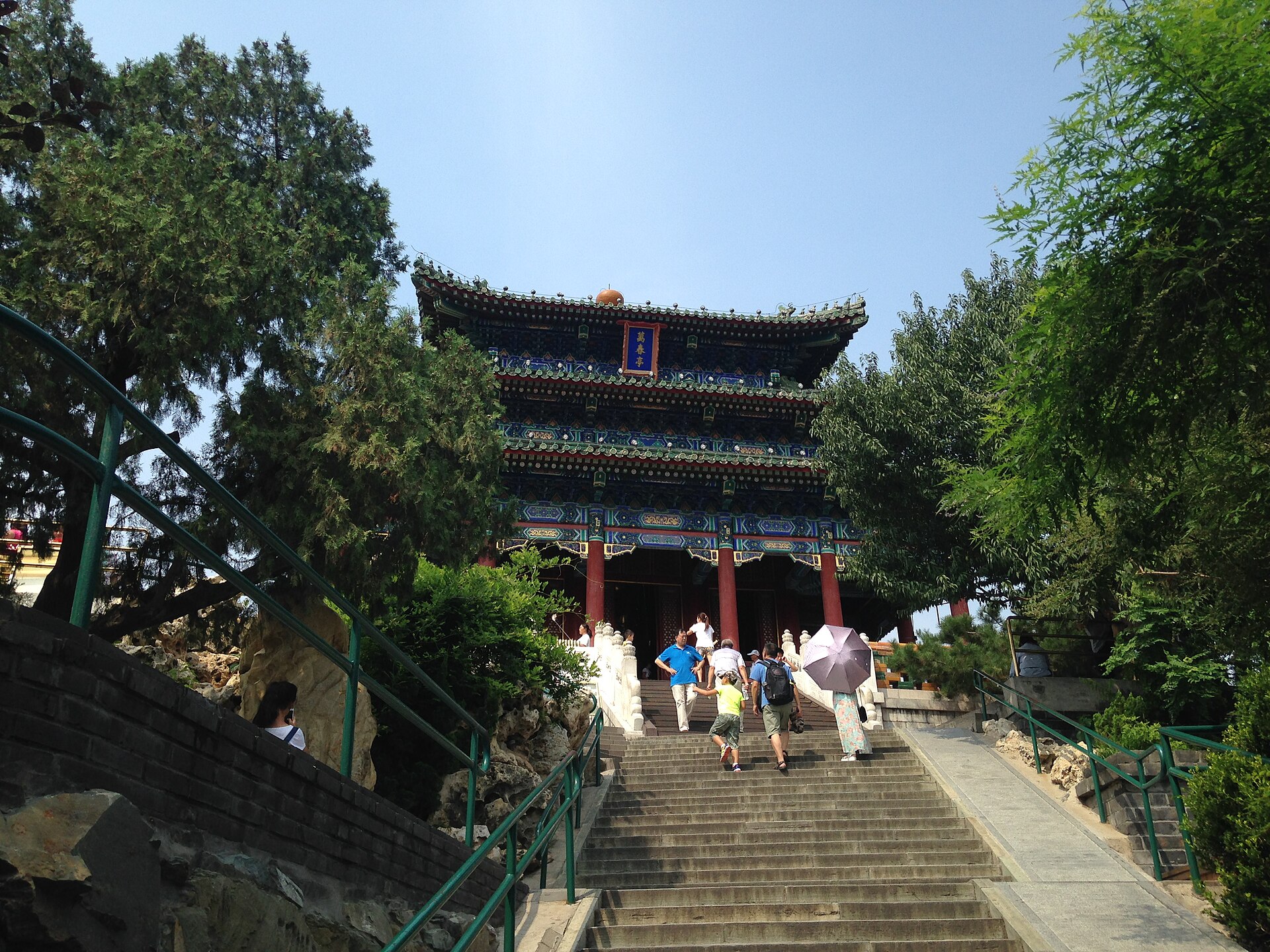
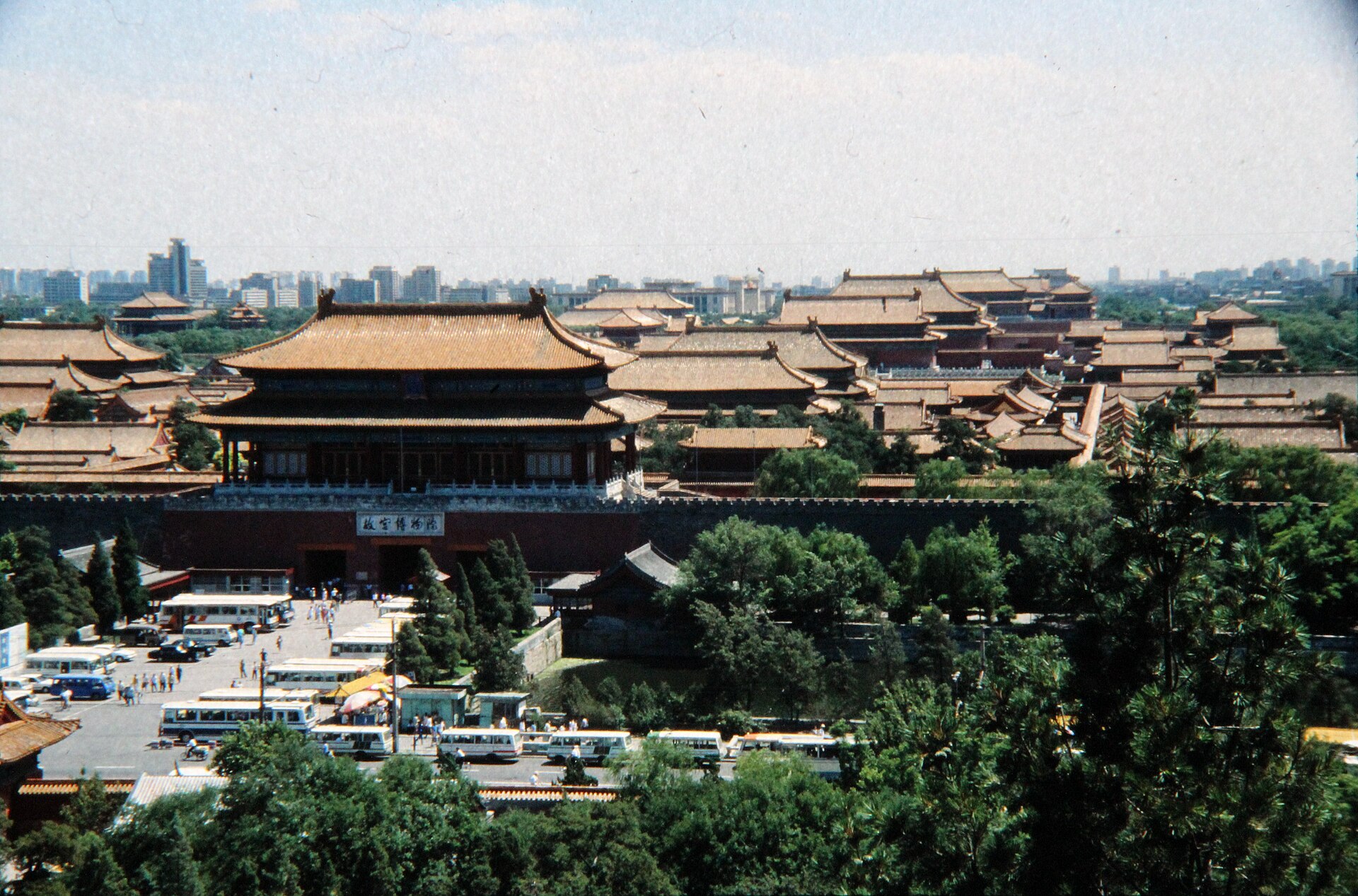
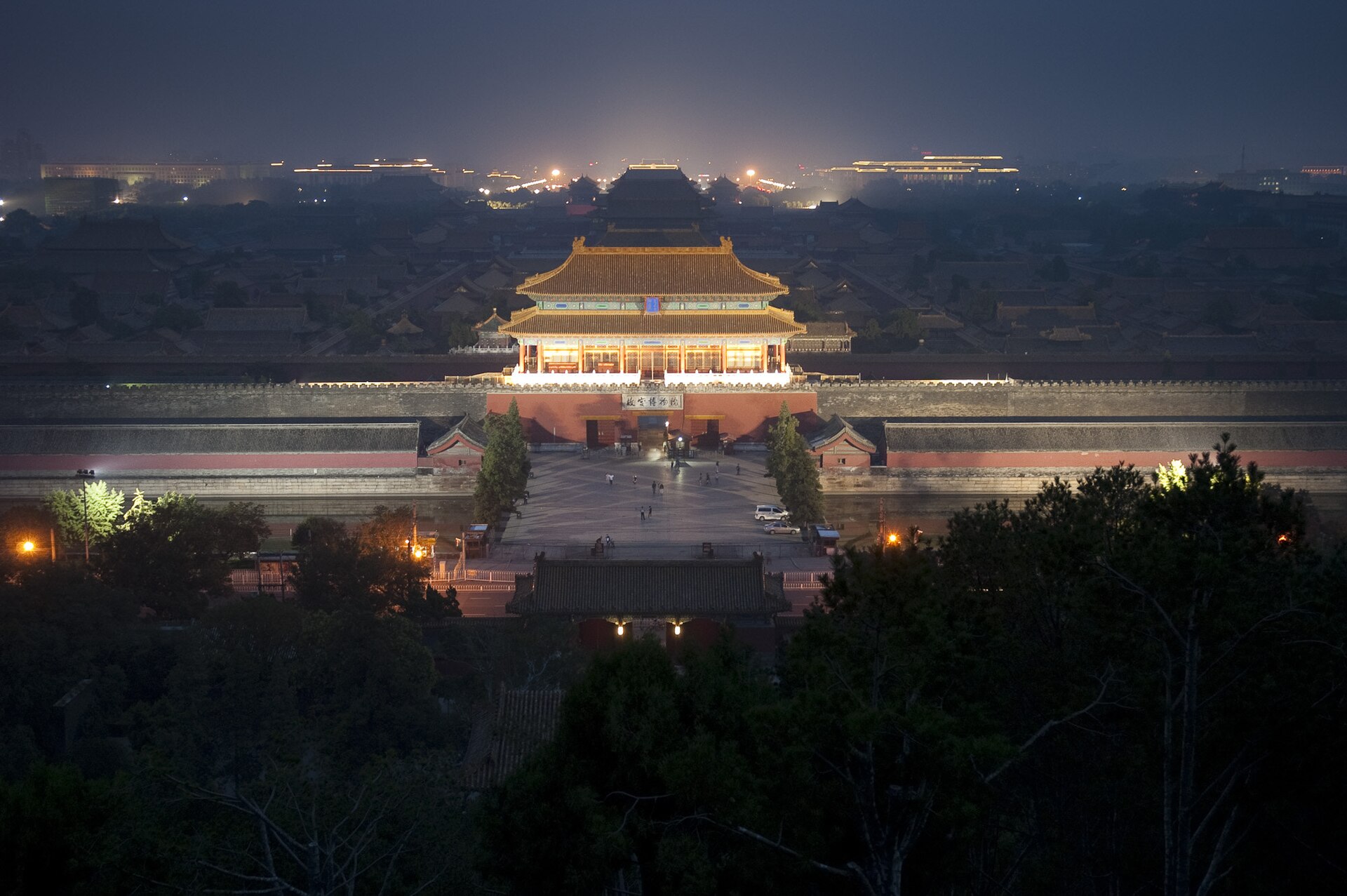
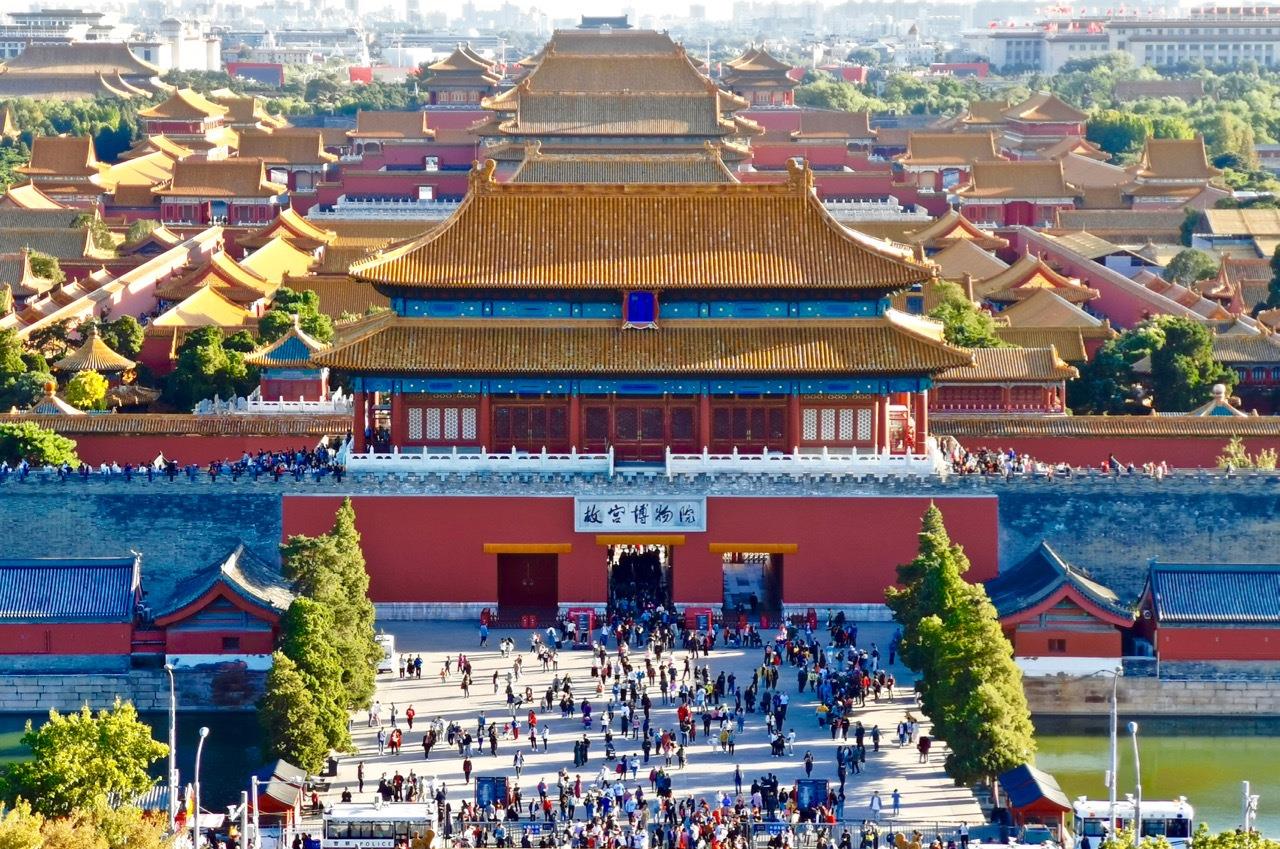
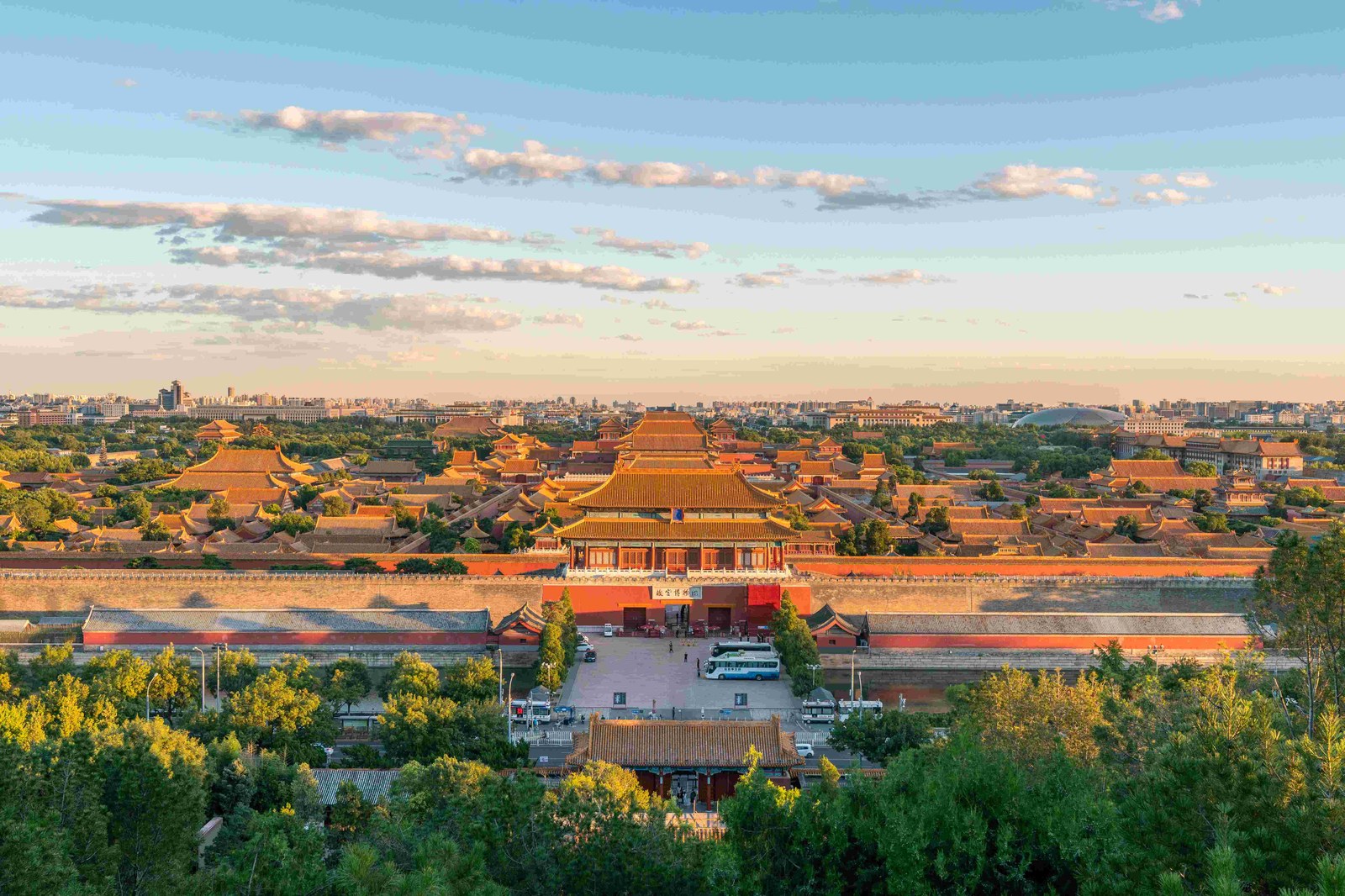
The hill is crowned by the Wanchun Pavilion, one of five pavilions along the ridge. From its balcony, the entire Forbidden City unfurls southward - a golden sea of glazed roof-ridges from the Meridian Gate to the Gate of Divine Prowess, with Tian'anmen Square and the modern skyline beyond.
Jingshan is also a place of historical resonance: it was here in 1644 that the last Ming emperor Chongzhen hanged himself from a locust tree as rebel armies breached the city walls. The park's ancient cypresses, peony gardens and morning exercise groups make it a favourite of locals and photographers alike.
Highlights
The Wanchun Pavilion View
The definitive panorama of the Forbidden City - golden roofs rolling south to Tian'anmen.
Five Ridge Pavilions
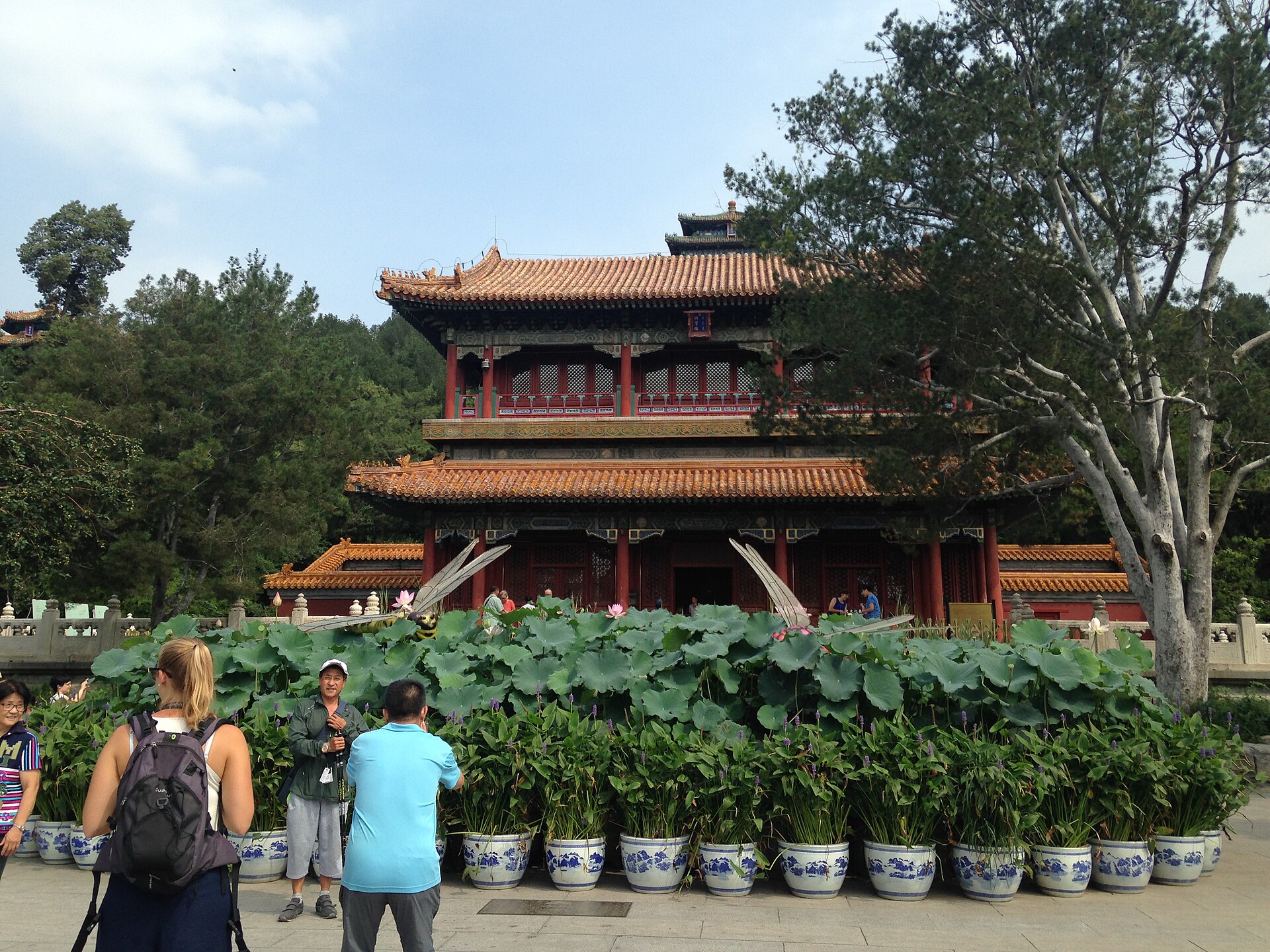
Five pavilions in a line along the hilltop, each offering a different angle.
The Peony Garden
Hundreds of peonies in bloom each May - the park's most colourful season.
Last Ming Emperor's Tree
The spot where Chongzhen hanged himself as the dynasty fell.
Ancient Cypress Groves
400-year-old cypresses gnarled by centuries of Beijing weather.
The Northward View
The Drum and Bell Towers on the axis with the Olympic Tower beyond.
Photo Gallery
Comments