 Travel in China
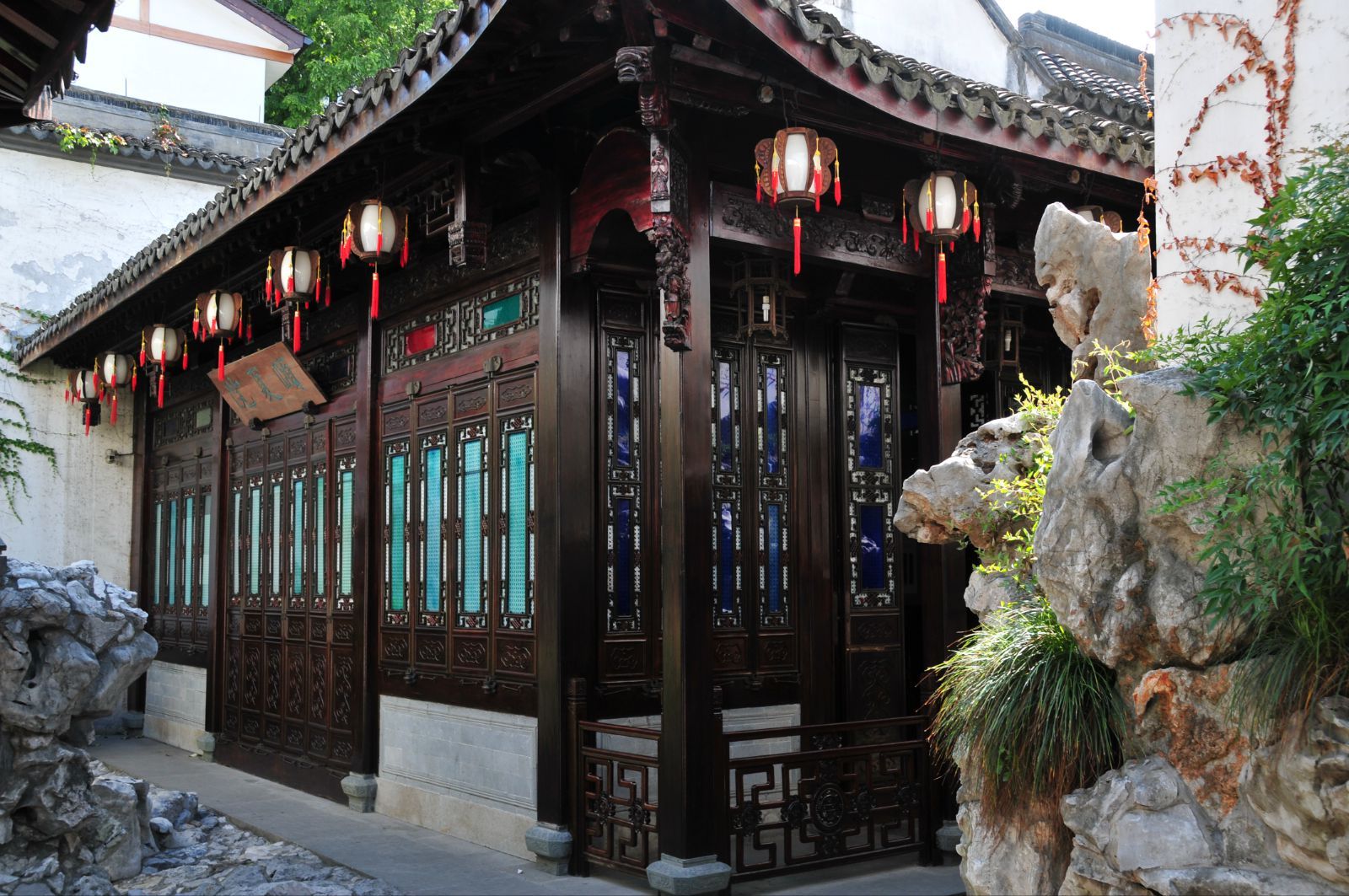
The 5,815-square-metre mansion of the 'red-hat merchant' who became late-Qing China's richest man, hidden in Yuanbao Lane behind Hefang Street — rosewood sedan chairs, a hundred carved lions, golden-silk nanmu and China's largest man-made garden grotto, for ¥20.
Dive deeper: full travel guide · transport & map · where to stay & book
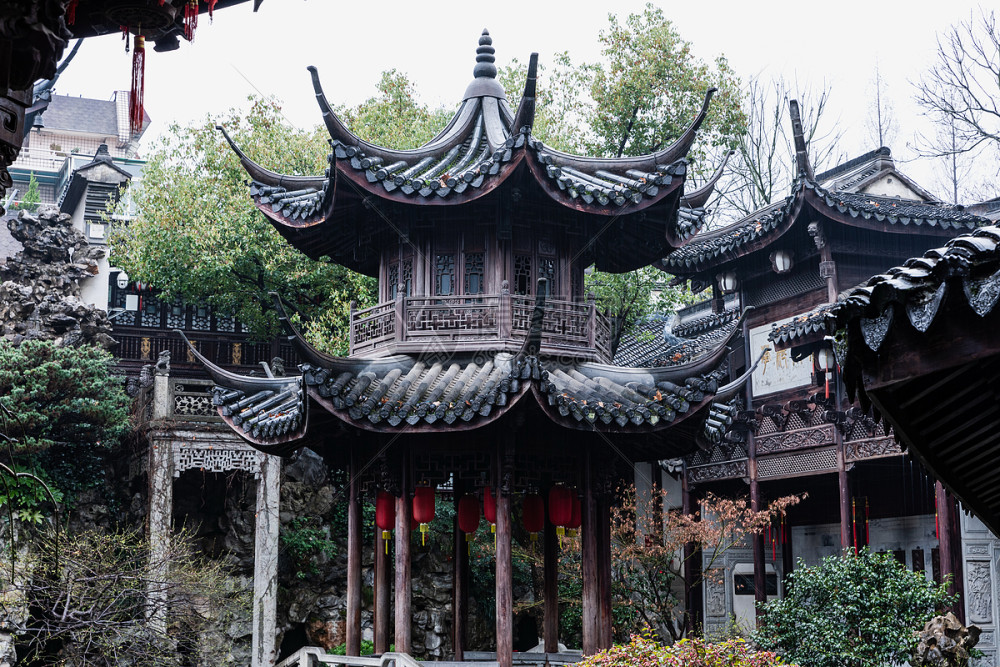
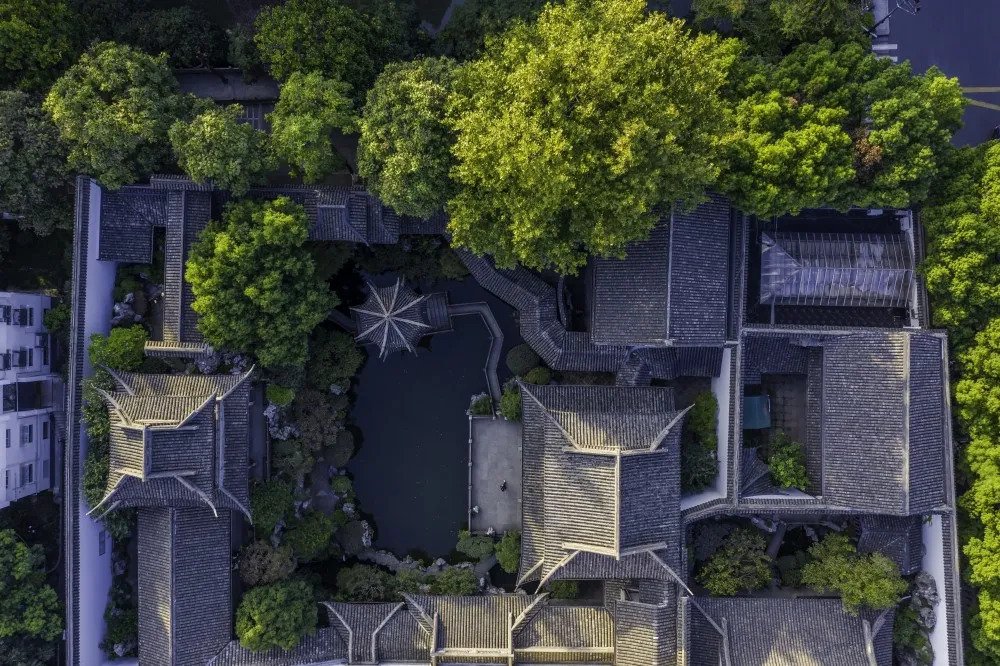
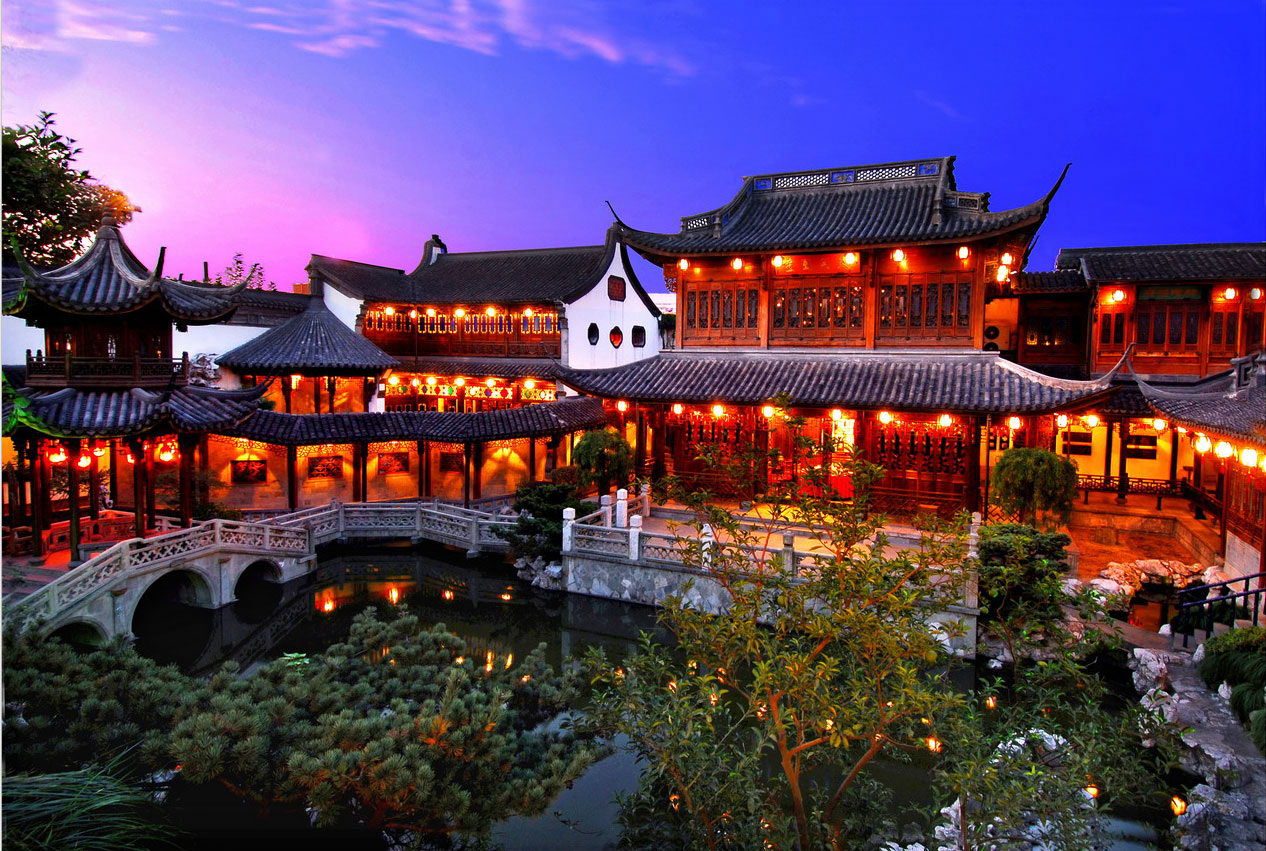
Hu Xueyan rose from apprentice to the richest man of late-Qing China — the 'red-hat merchant' who wore an official's rank while trading silk, medicine and money, and who built his mansion in 1872-1875 at the peak of his fortune. The 5,815-square-metre compound hidden in narrow Yuanbao Lane behind Hefang Street was then the grandest private house in Hangzhou, fusing Chinese courtyard planning with Western details: rosewood sedan chairs in the ginkgo-beamed entrance hall beneath a Tongzhi emperor's plaque, a hundred carved lions on the Baishi Tower railing, a nanmu hall sheathed in golden-silk wood, and coloured European glass in the lattice windows — 1870s Hangzhou's reach to the wider world made visible.
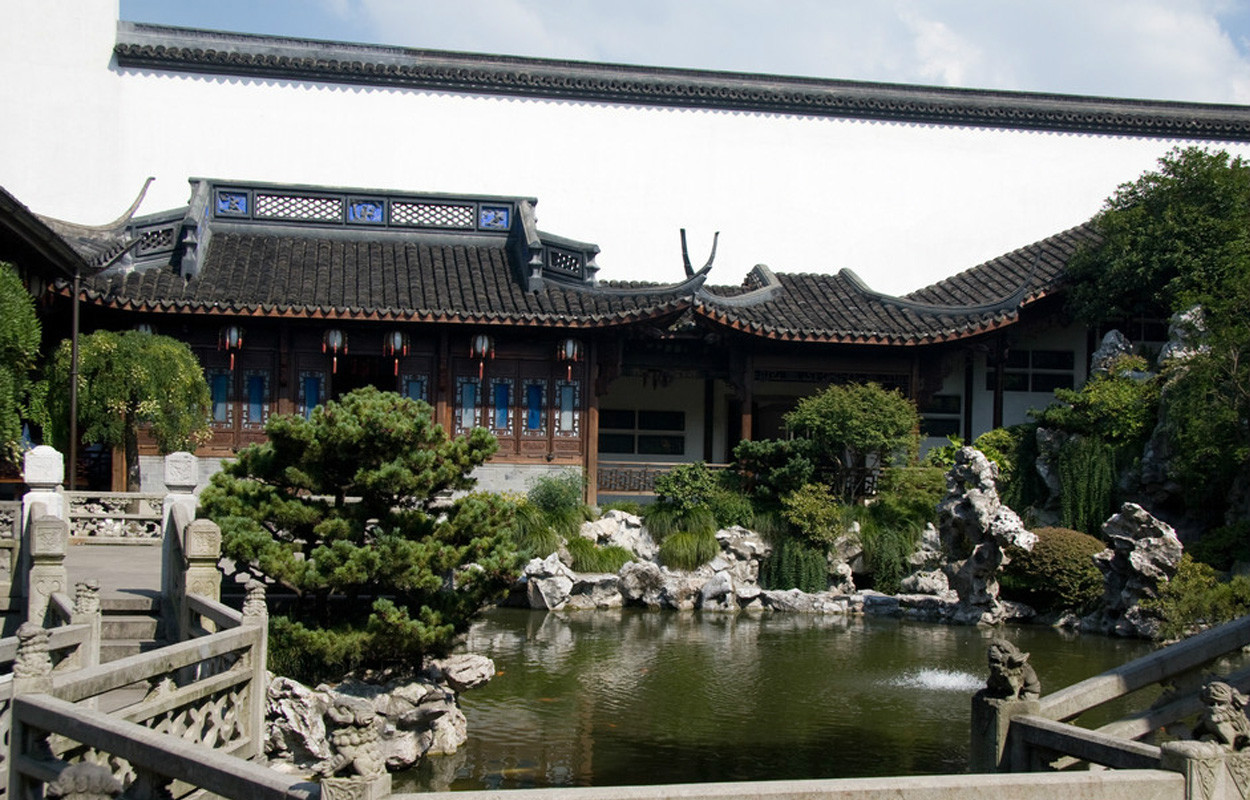
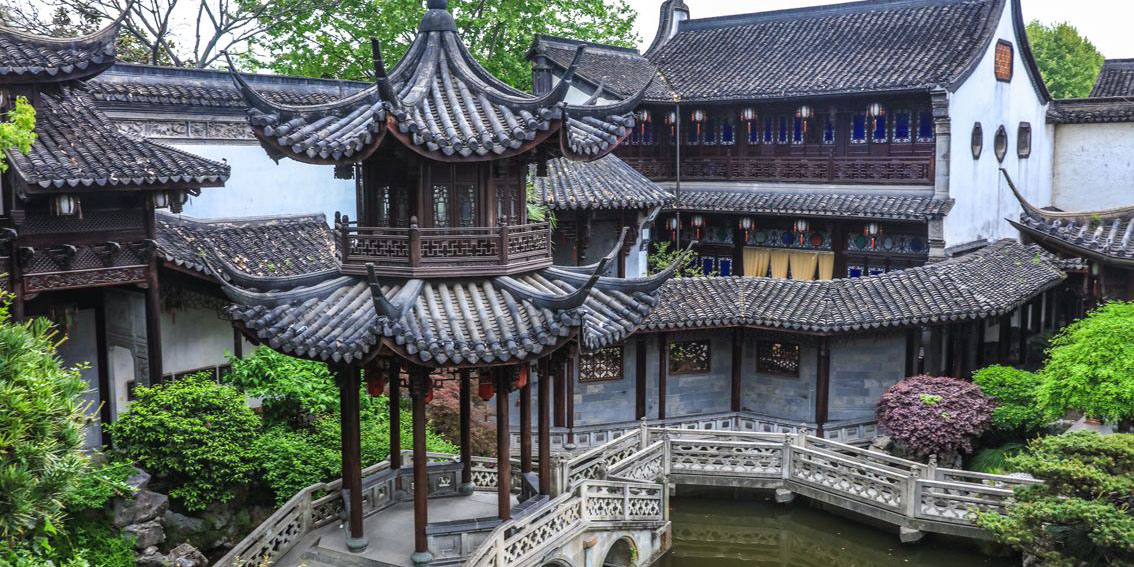
The western Zhi Garden is the masterpiece. Its artificial caverns and cliffs are reputedly the largest man-made grotto in China, costing a reported hundred thousand taels of silver to build, and its Yufeng Tower was once the tallest lookout in the city. Walking it is a sequence of set pieces: the sedan hall with its imperial 'Mian Shan Cheng Rong' plaque, the hundred-lion railings of the ceremonial hall, the golden-silk nanmu pavilion in the eastern family courts, and the garden's walk-through cave passages rising to the tower. Hu himself lasted barely a decade here — his silk war with foreign merchants and political creditors bankrupted him — and the house's grandeur carries the story of both the rise and the fall.
After decades of neglect and subdivision among 138 households, the residence was restored and opened in 2001 as a national heritage site — today the country's best-preserved window on late-Qing merchant opulence, for a modest ¥20. Admission keeps 2025-2026 pricing, bookable same-day via the 'West Lake Tourism' channels, with a ¥45 joint ticket with Chenghuang Pavilion for both hills. Security and electrical upgrade works scheduled for 2025 (about 90 days) mean brief partial closures were possible — check the WeChat notice before a dedicated trip. Wear slip-on shoes (some halls require removing footwear, and the rockery passage is low and narrow), and let a ¥10-20 audio guide or ¥80 human guide carry the stories — including Zhu Rongji's famous 2002 essay on the wall, warning visitors off the arrogance that undid him.
Highlights
Zhi Garden Rockeries
The western garden's walk-through artificial grottoes and cliff paths, the largest man-made cave system in China, crowned by the Yufeng Tower viewpoint. Its construction reportedly cost 100,000 taels of silver.
Hundred Lions Tower
The main ceremonial hall's railings once bore a hundred carved lions with gold-inlaid eyes. Surviving original lions are among the residence's treasures.
Nanmu Hall
A two-storey pavilion built entirely of golden-silk nanmu, the imperial wood, from beams to floorboards. Its survival into the 21st century is exceptional.
Rosewood Sedan Chairs
Two rare red-rosewood official sedan chairs stand in the entrance hall beneath a Tongzhi emperor's 'Mian Shan Cheng Rong' plaque, framed in ginkgo wood.
East-West Fusion Detail
Coloured Western glass, bronze fittings and Japanese-style panels mix with Suzhou-style carving throughout, showing 1870s Hangzhou's reach to the wider world.
Fall of a Red-Hat Merchant
Hu's silk war with foreign merchants and political creditors bankrupted him within a decade of completion. Zhu Rongji's famous 2002 essay on the site warns visitors off the arrogance that undid him.
Photo Gallery
Comments