 Travel in China
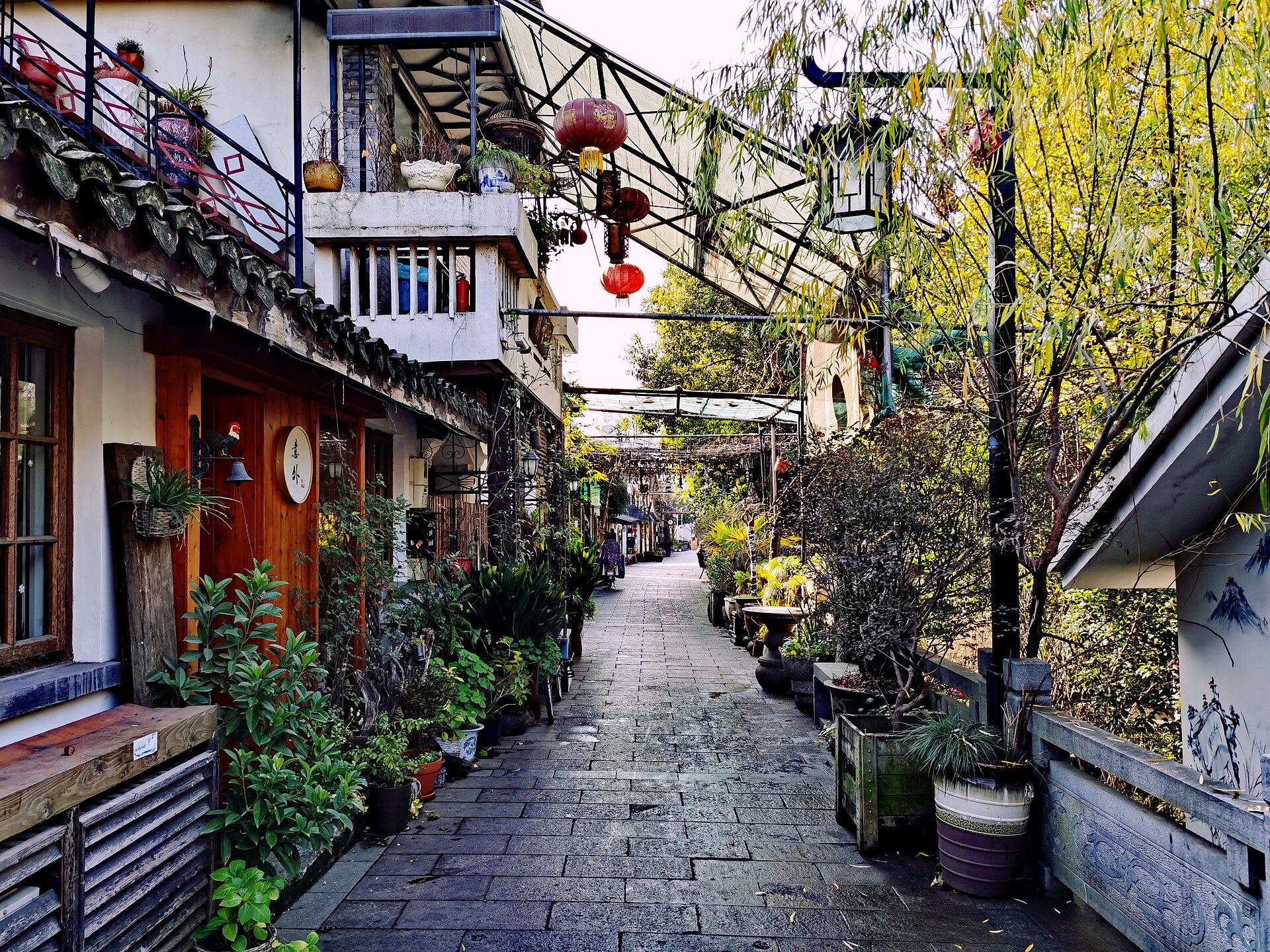
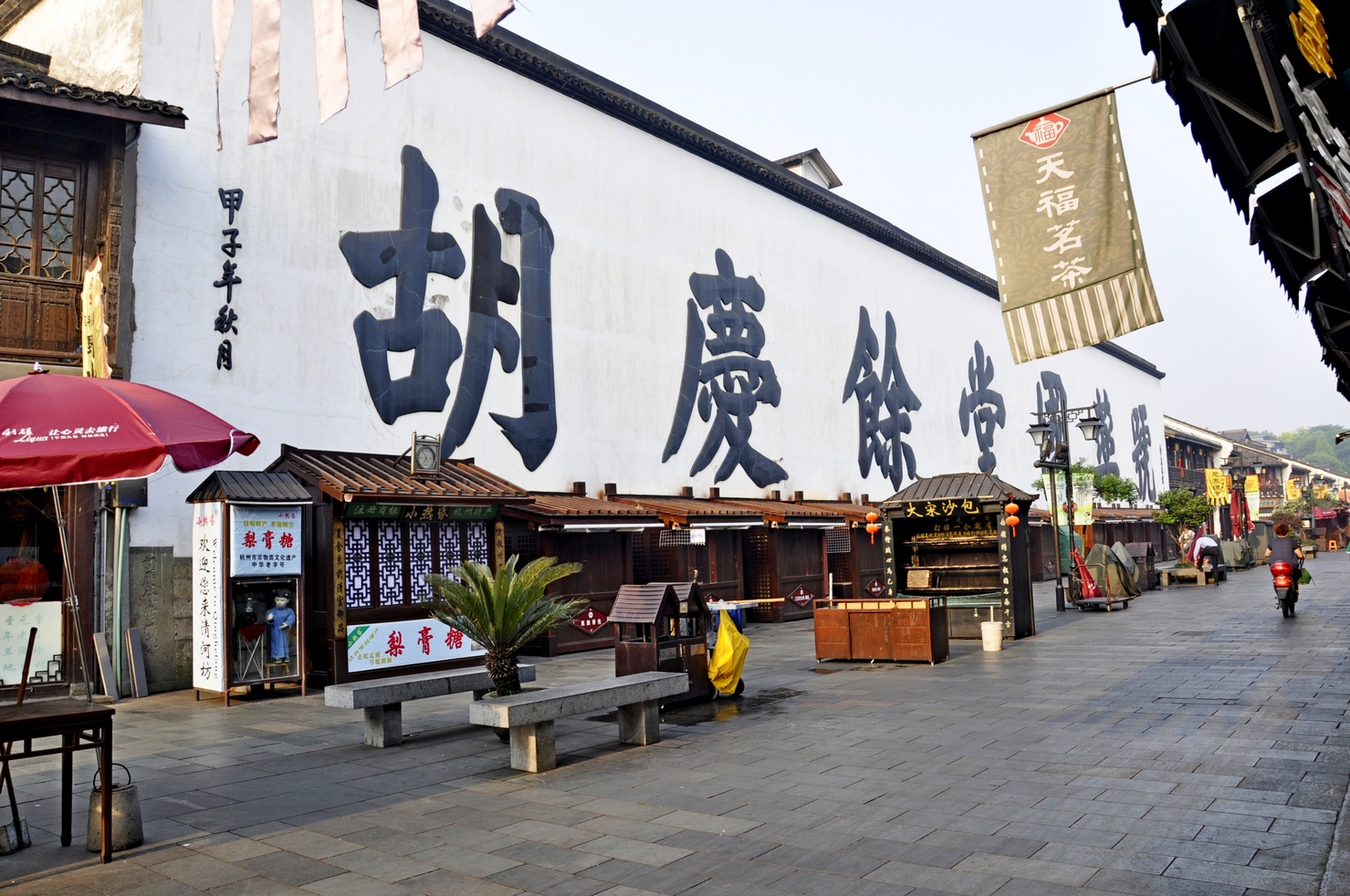
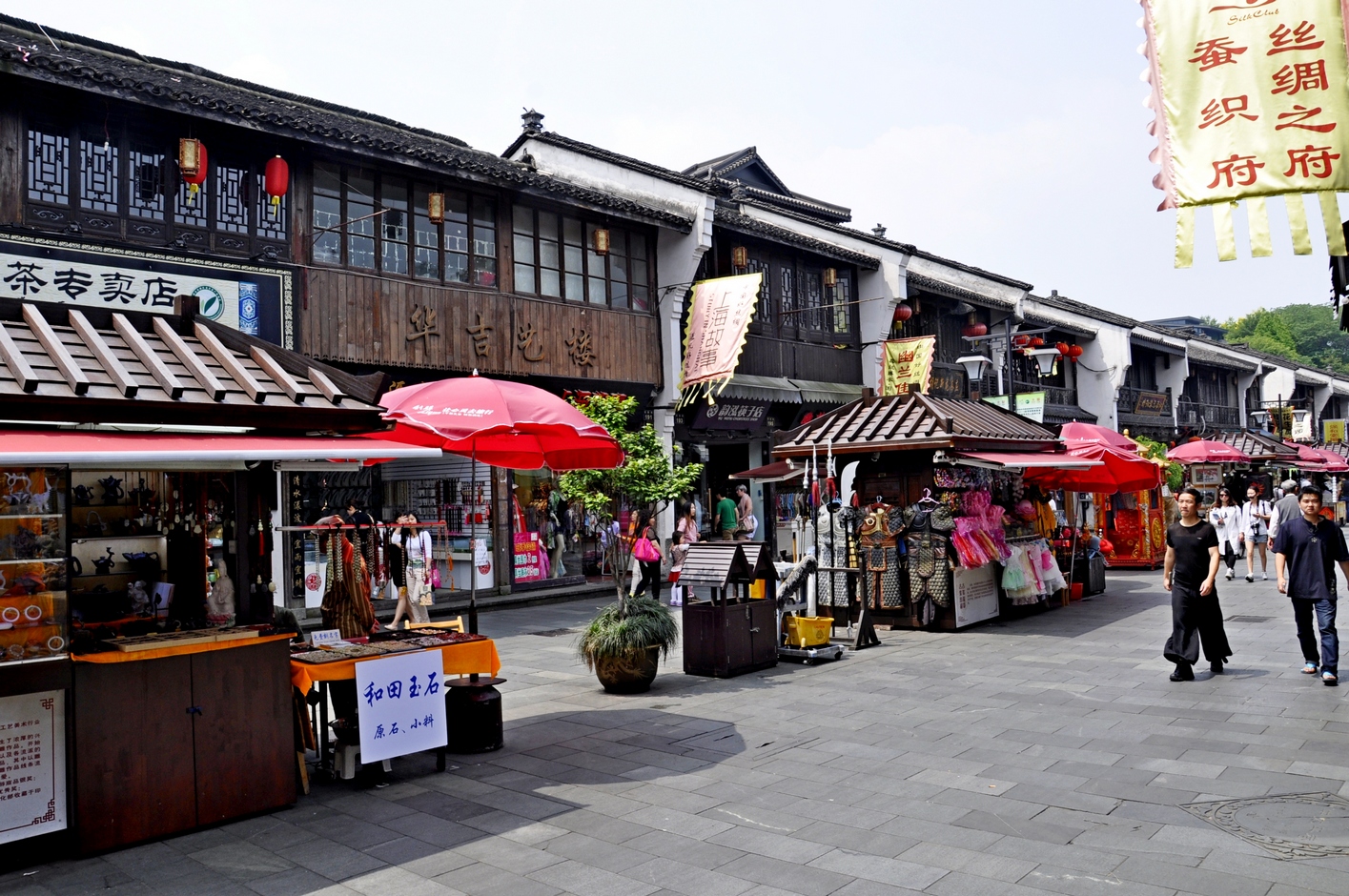
Hangzhou's restored Song-dynasty high street - upturned eaves, brass teapots and apothecary jars at the foot of Wu Hill.
Hefang Street (Qinghefang) is Hangzhou's restored historic high street, running 1,800 metres along the foot of Wu Hill at the southern end of West Lake. The street recreates the atmosphere of the Southern Song capital (1127-1279), when Hangzhou was the largest city in the world and this was its busiest commercial thoroughfare.
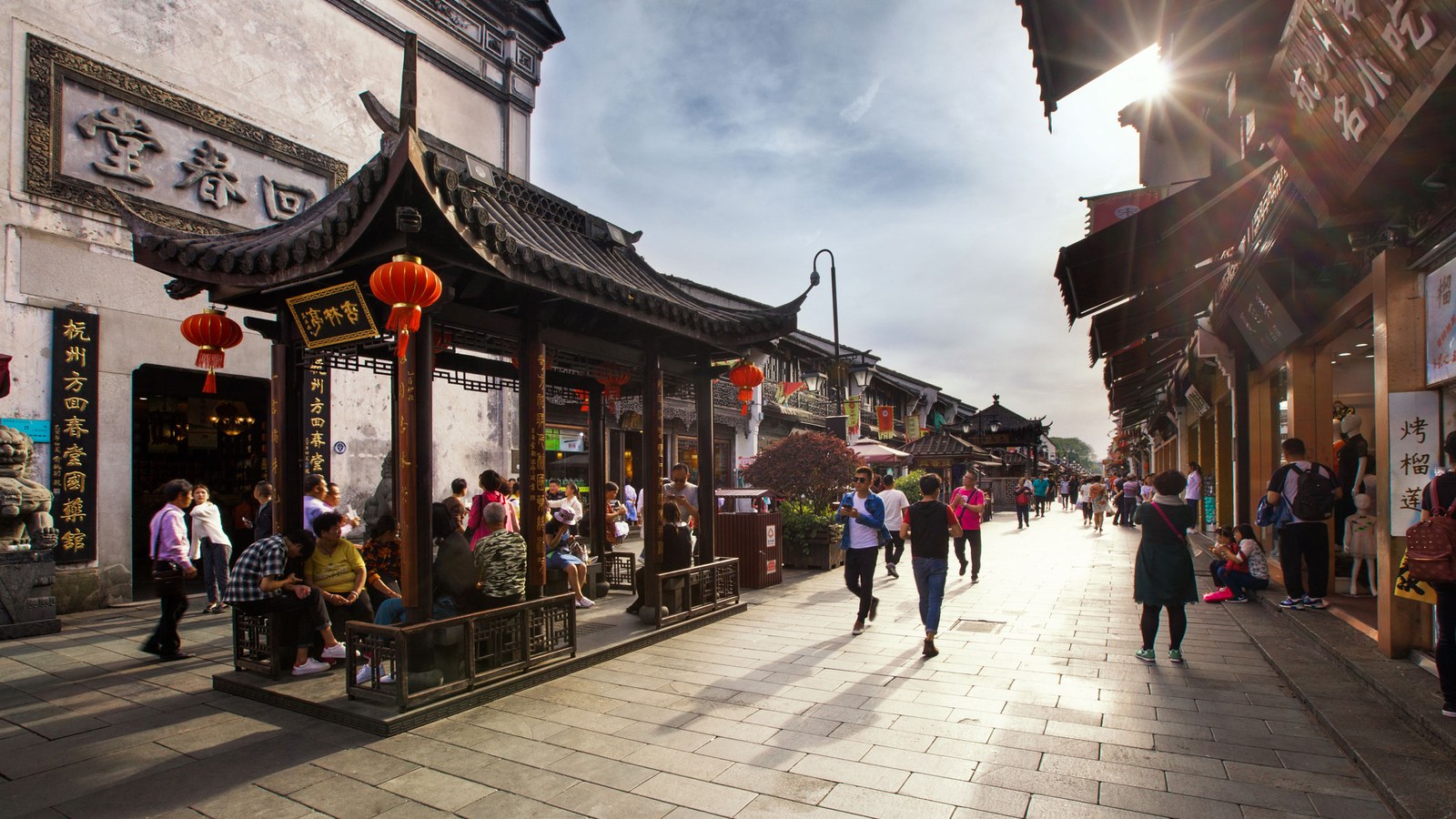
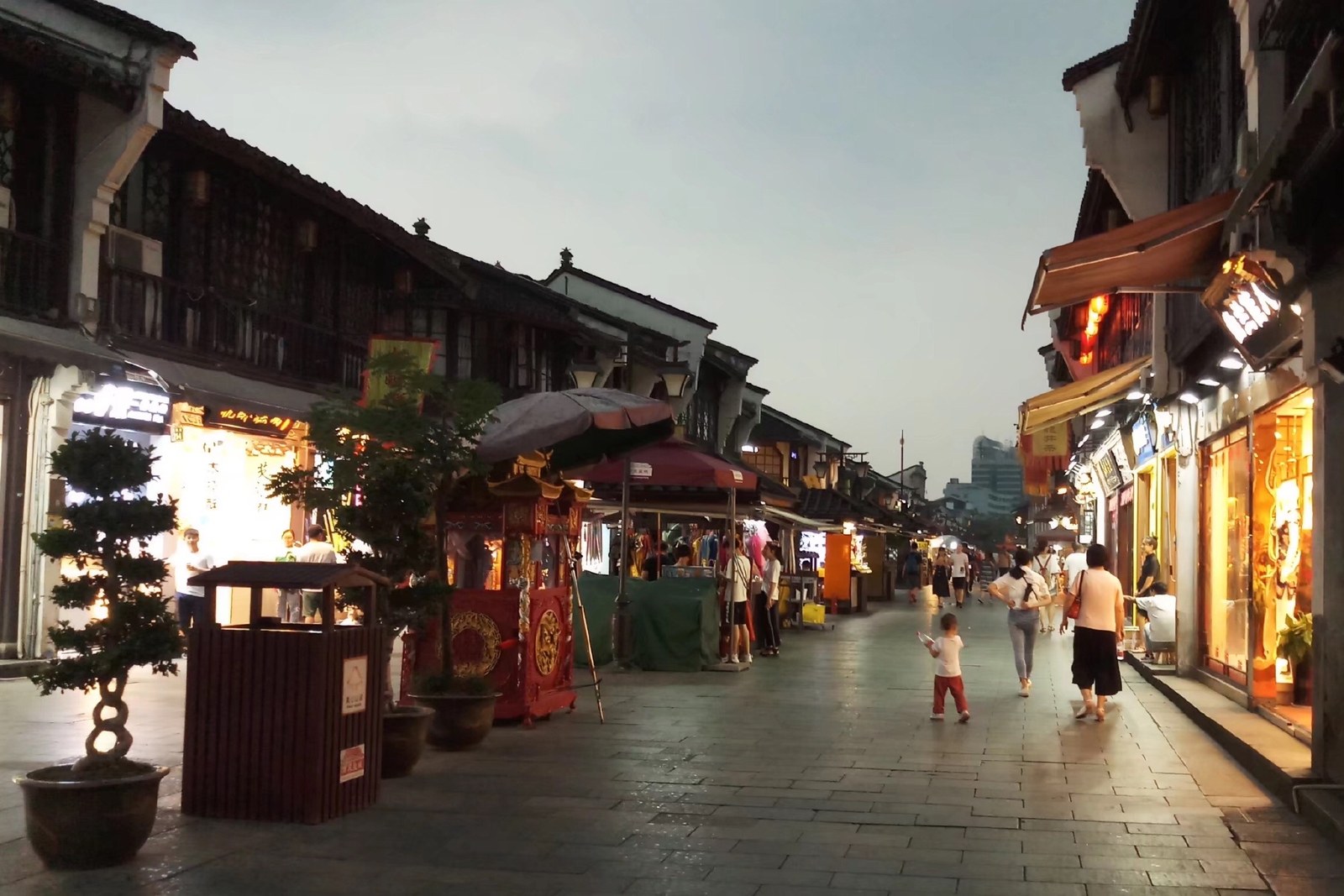
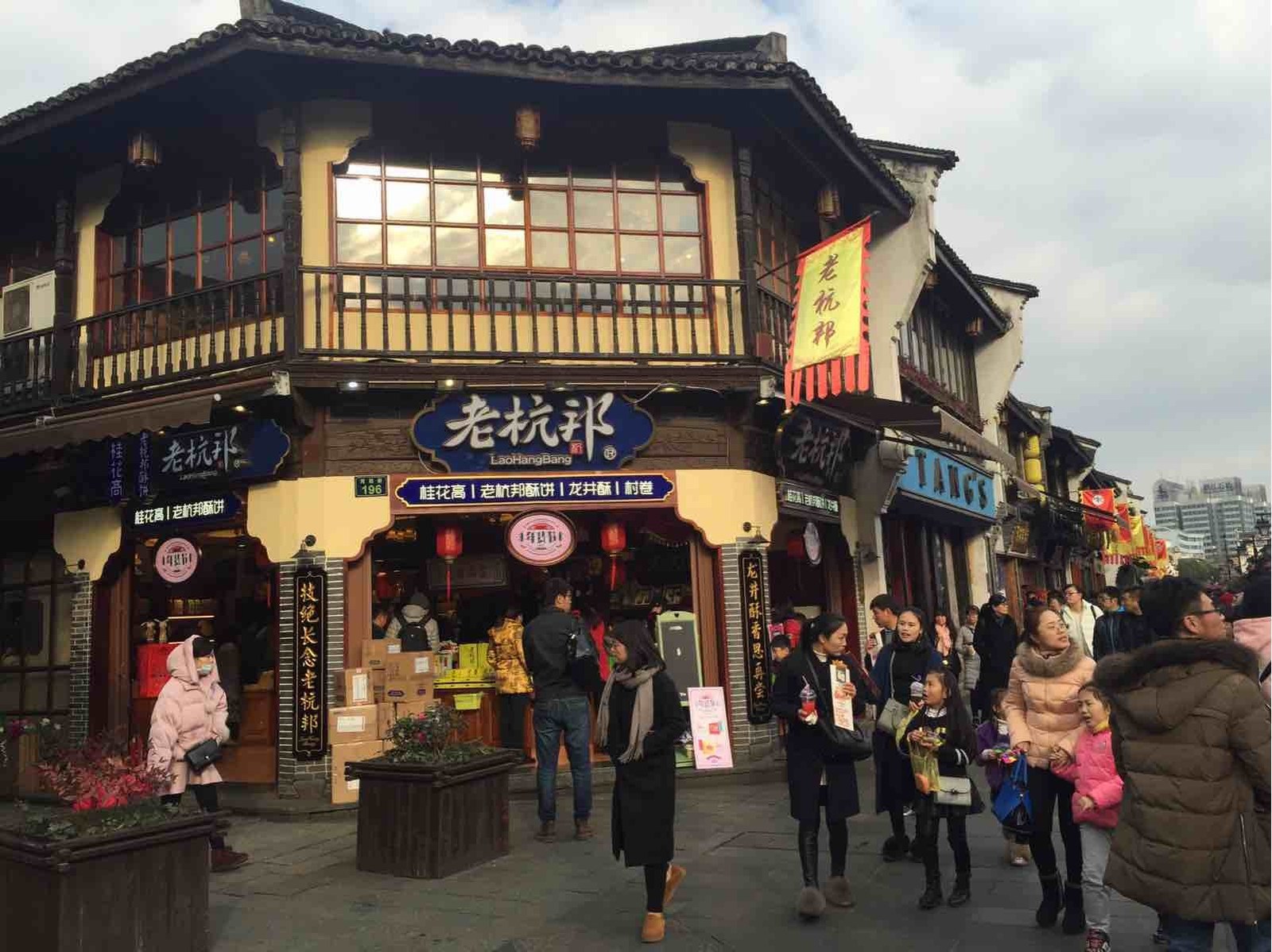
The architecture is all upturned eaves, carved wooden lintels and grey brick - rebuilt in the 2000s but evocative of the Song era. The shops sell traditional crafts: silk, fans, scissors, Chinese medicine and tea. The street is also a food destination - longxusu (dragon-whisker candy), ding-sheng cakes and Hangzhou-style pancakes are the specialities.
Hefang Street connects West Lake's southern shore to Wu Hill (climbable for a panoramic view) and the Chenghuang Pavilion. It is always bustling but particularly festive during Chinese New Year when the lanterns are lit.
Highlights
The Song-Style Architecture
Upturned eaves, carved lintels and grey brick recreating the Southern Song capital.
Traditional Craft Shops
Silk, fans, scissors, Chinese medicine and tea sold from wooden counters.
The Snack Stalls
Dragon-whisker candy (longxusu), ding-sheng cakes and Hangzhou pancakes.
Wu Hill Climb
The hill above the street, climbable for a view over the lake and city.
Chenghuang Pavilion
A hilltop pavilion with panoramic views at the street's eastern end.
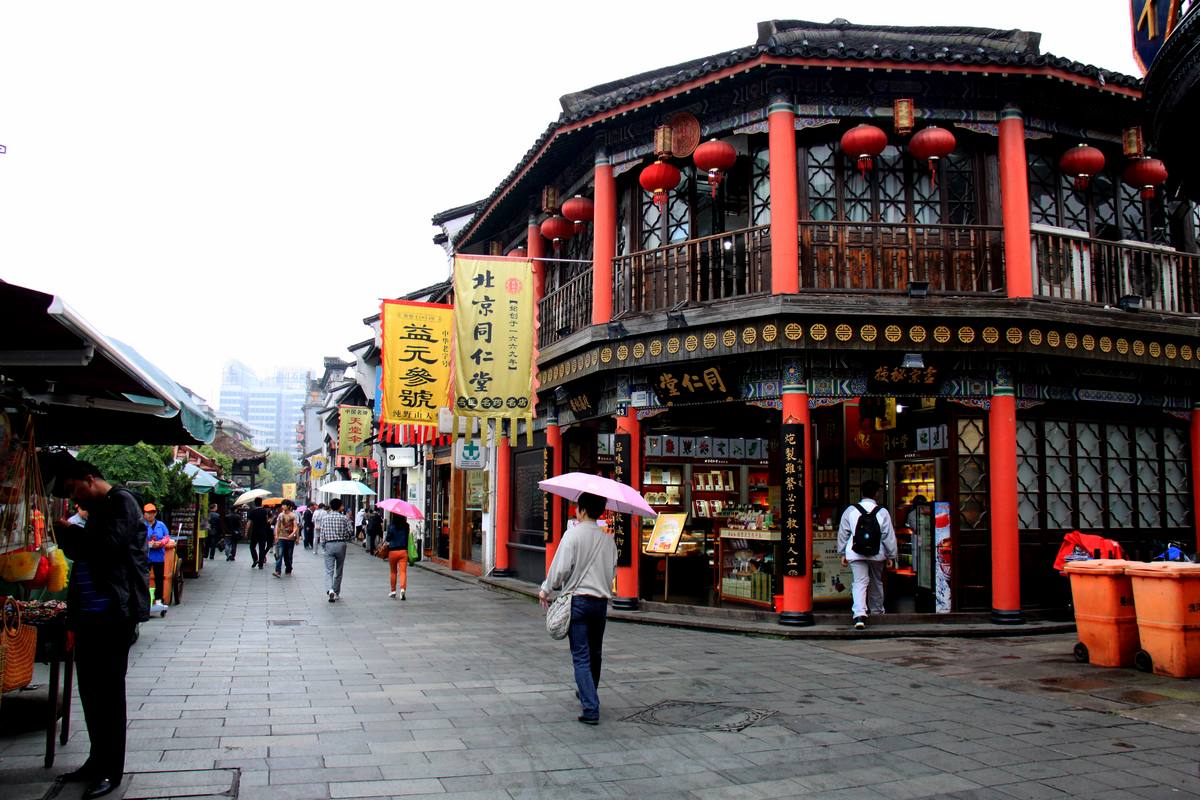
The Chinese Medicine Shops
Apothecary shops with wooden drawers of herbs - unchanged for centuries.
Photo Gallery
Comments