 Travel in China
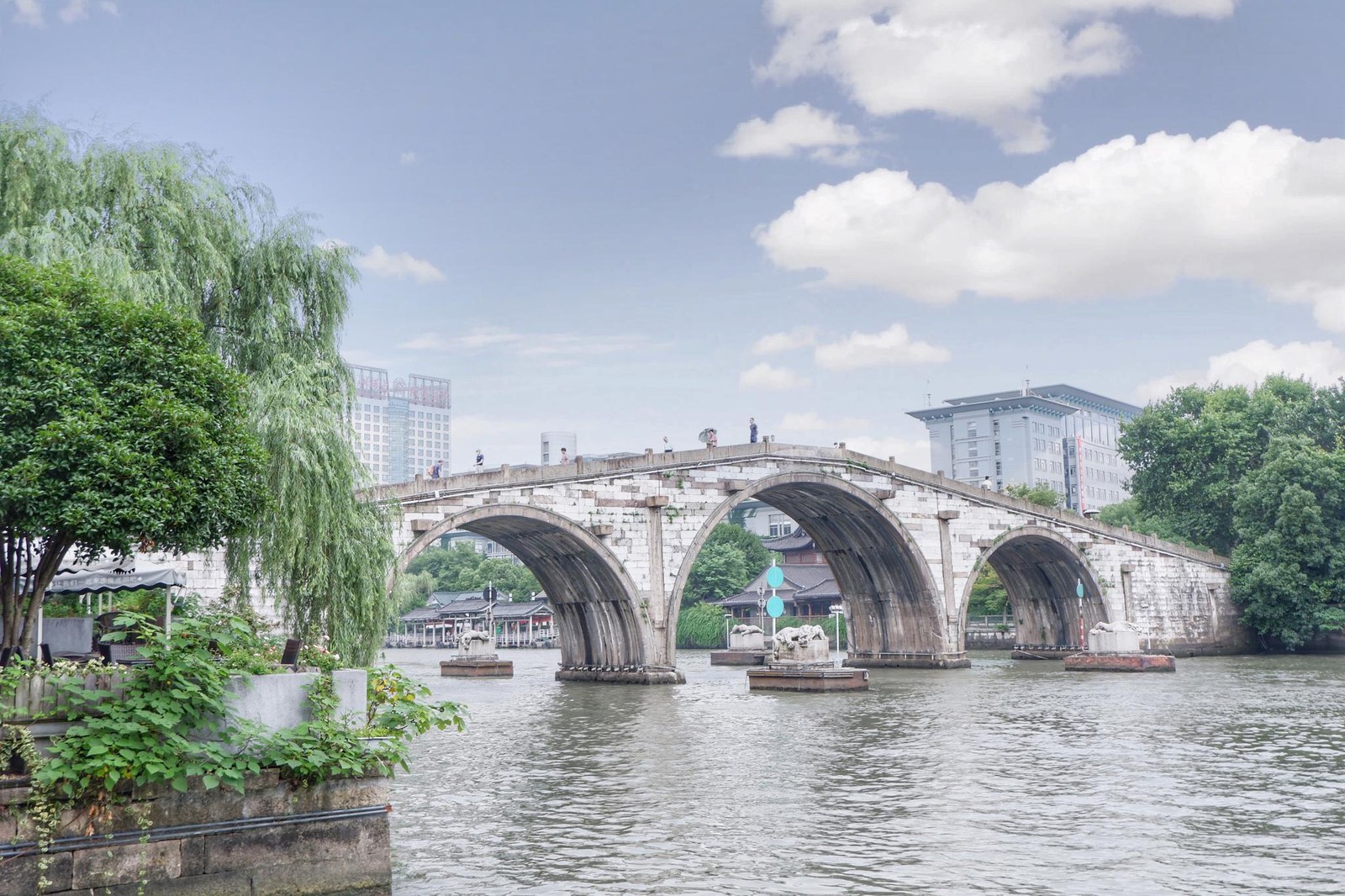
The southern terminus of the world's longest ancient canal - barges still lock through past Qing-era lanes.
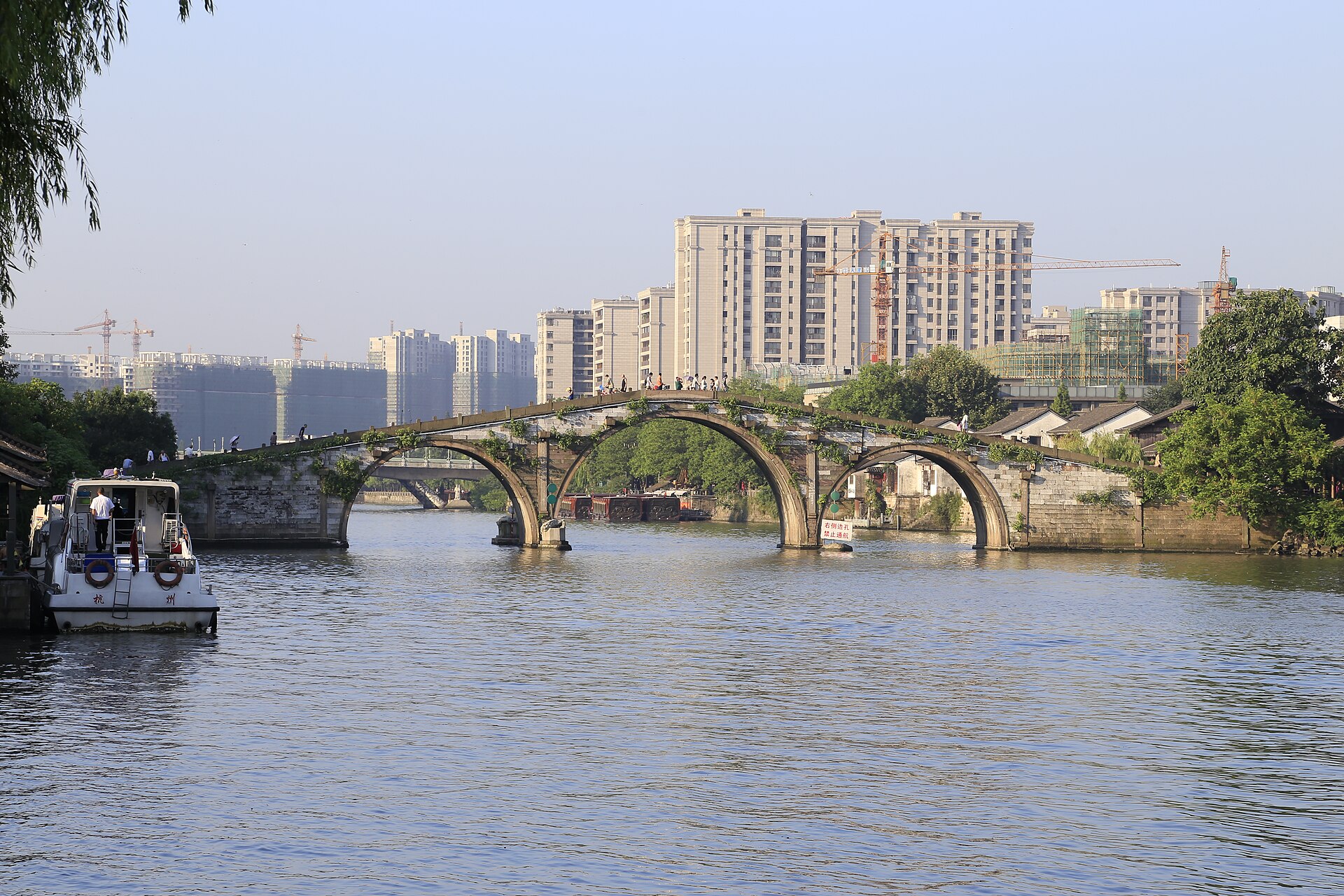
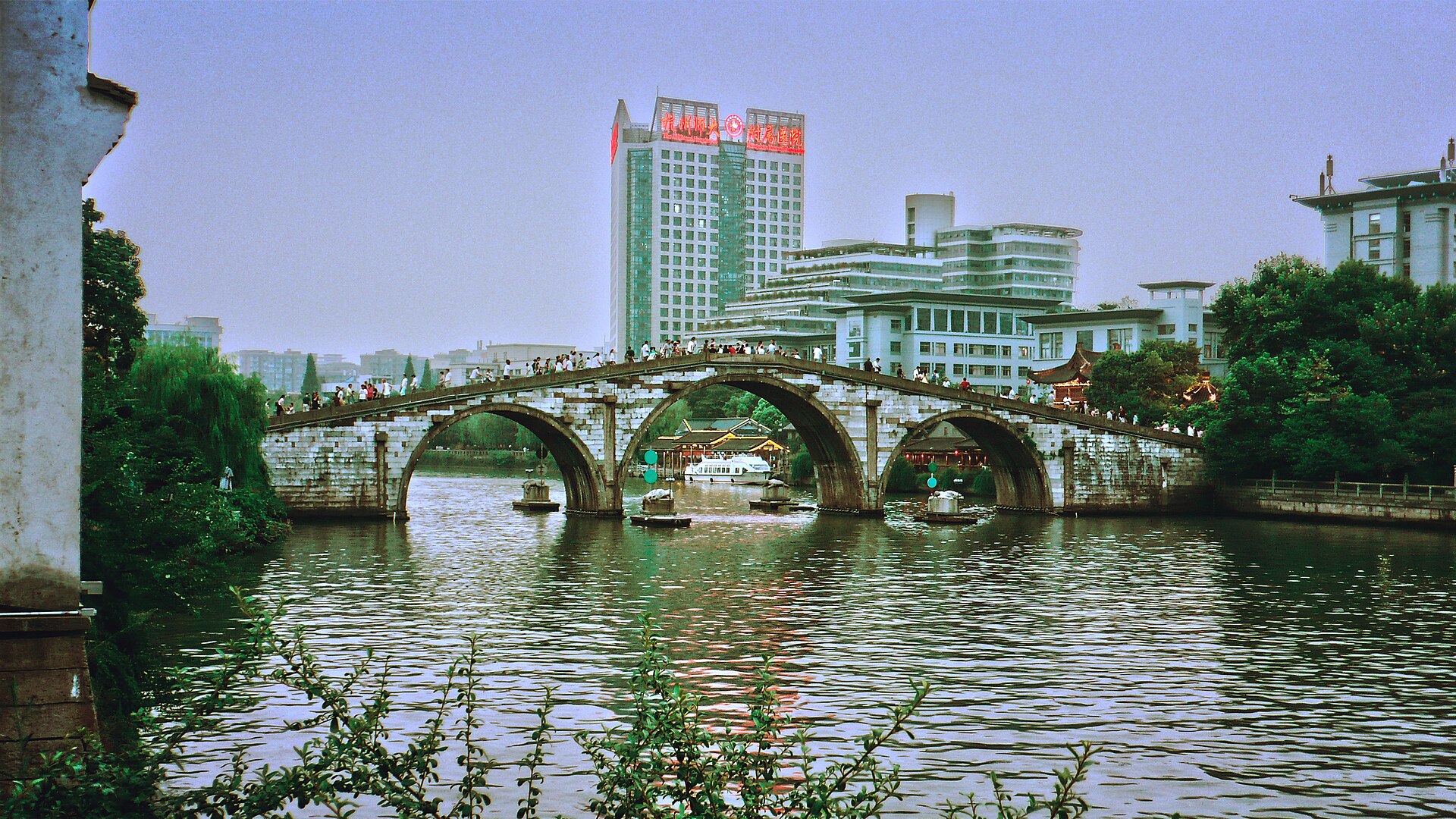
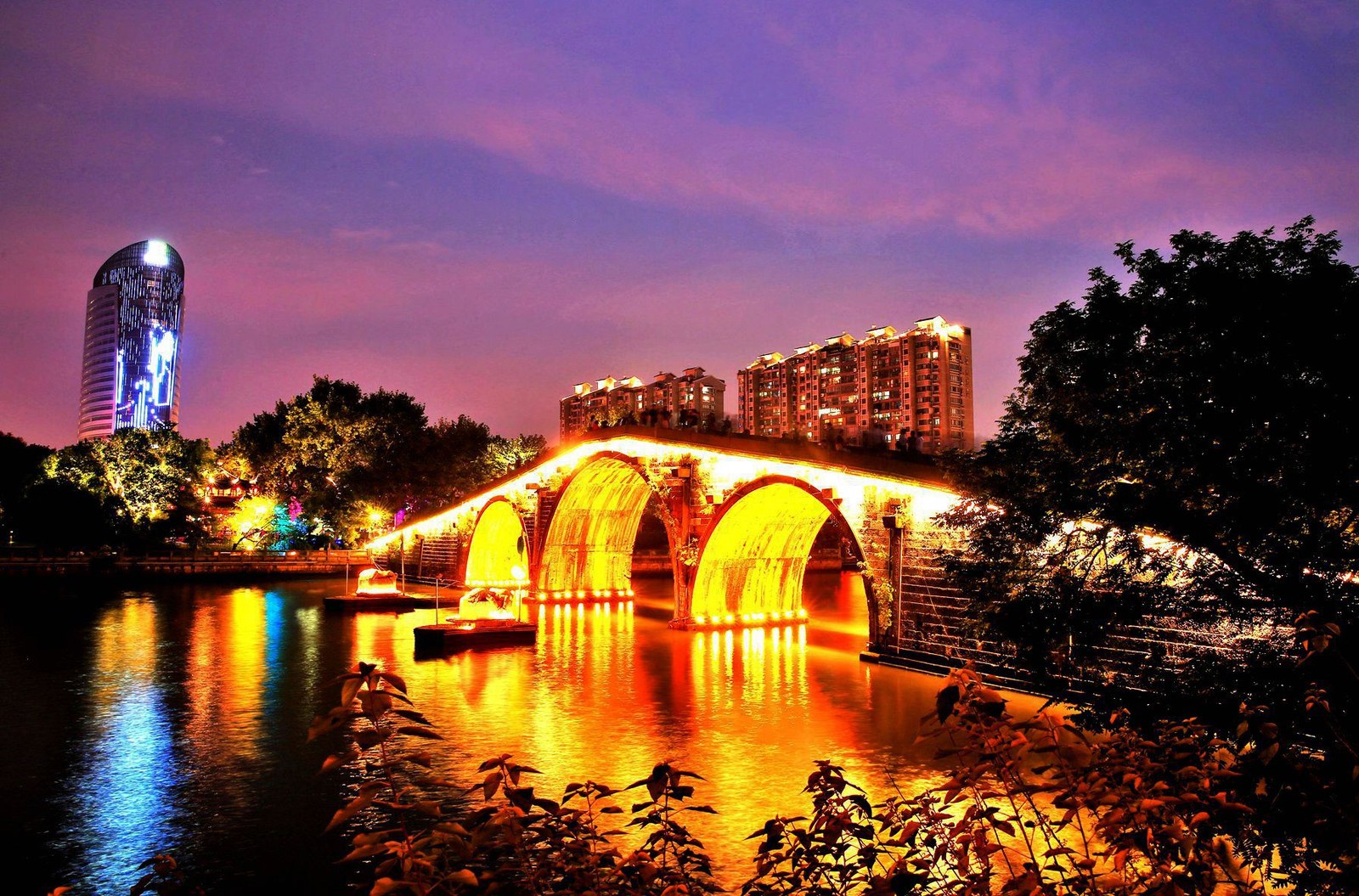
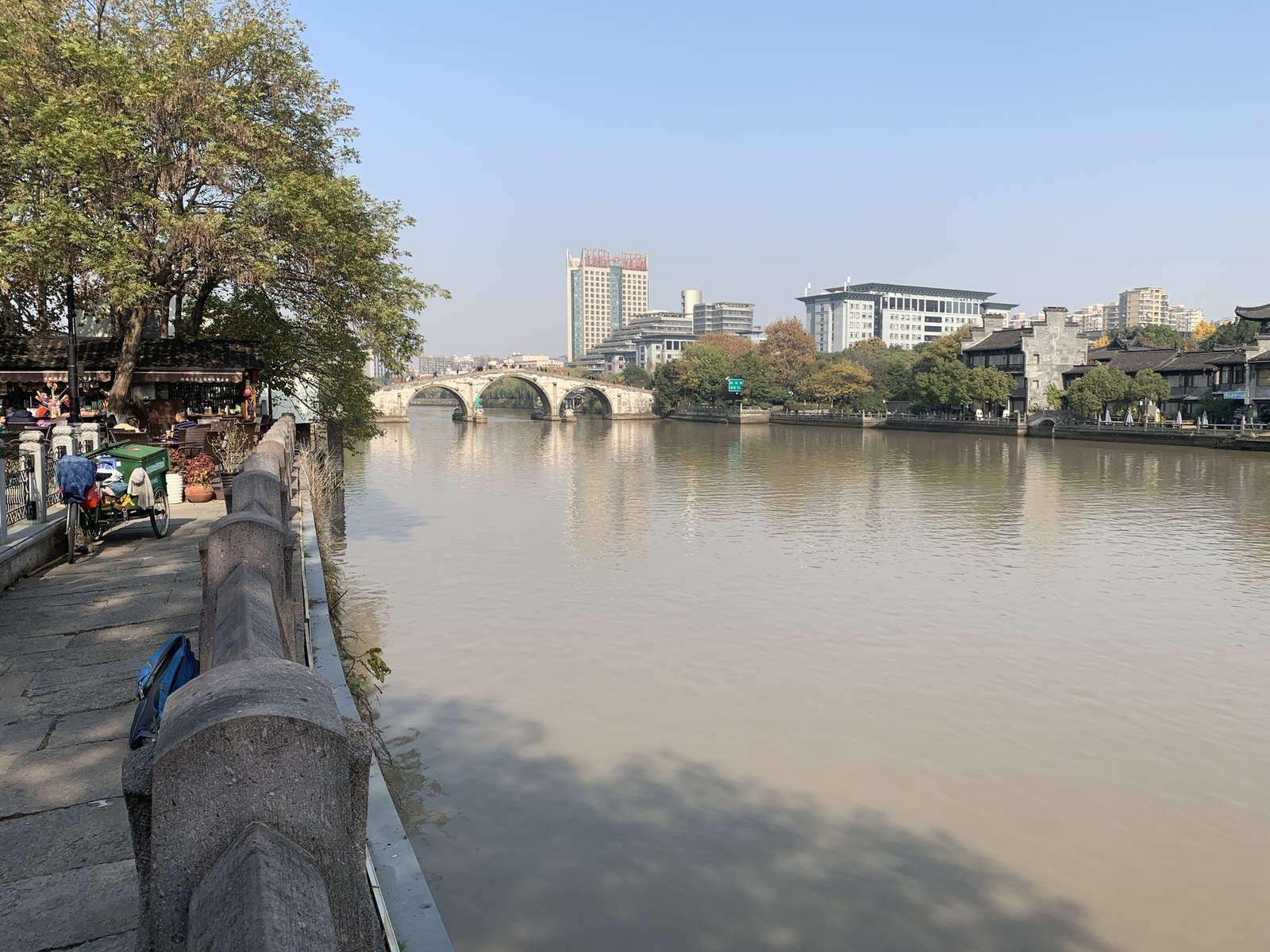
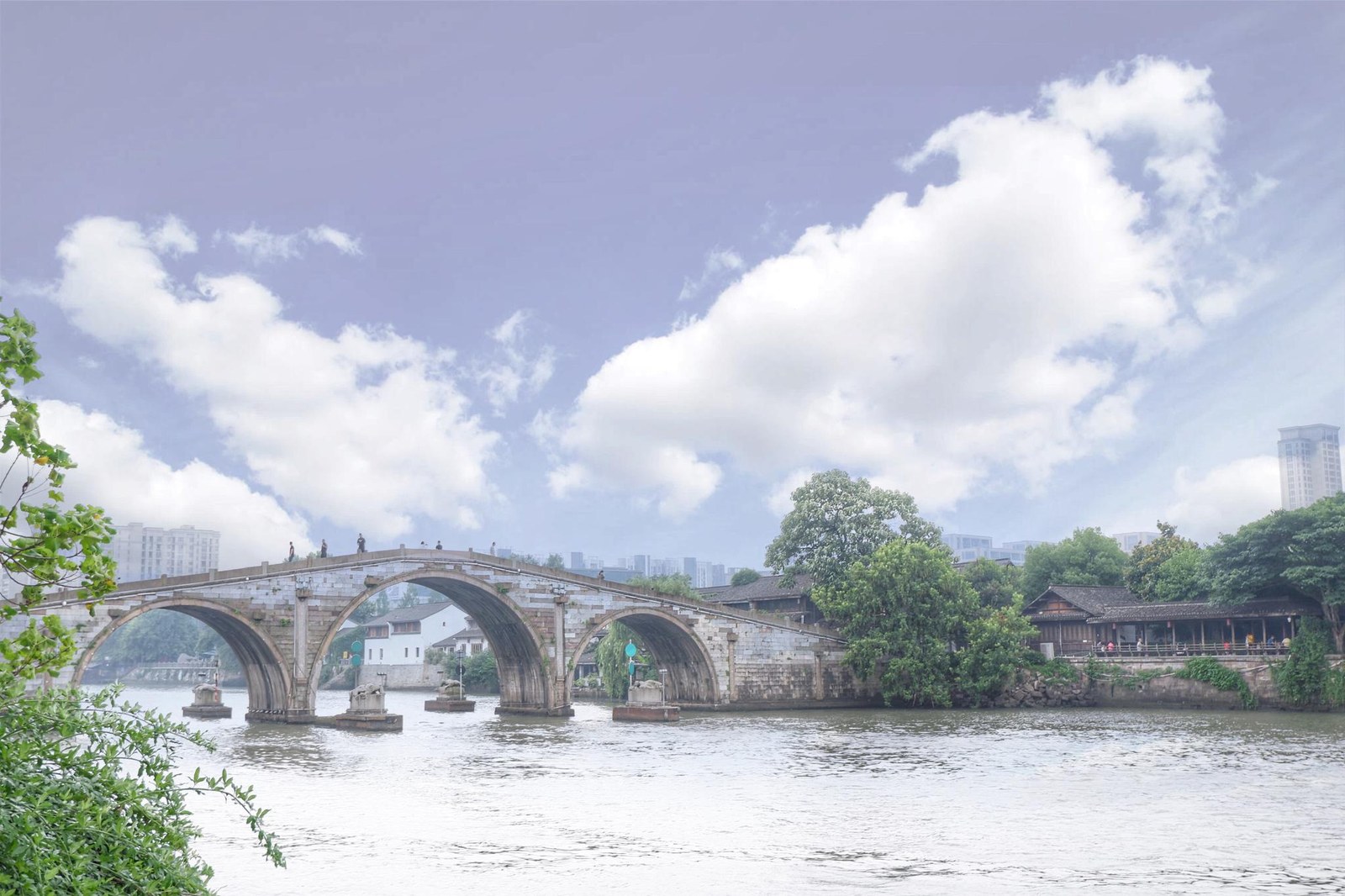
The Grand Canal is the longest ancient canal in the world - 1,794 kilometres of engineered water from Beijing to Hangzhou. Its Hangzhou section terminates at the Gongchen Bridge, where barges still lock through beneath stone arches that have carried river traffic since 1631.
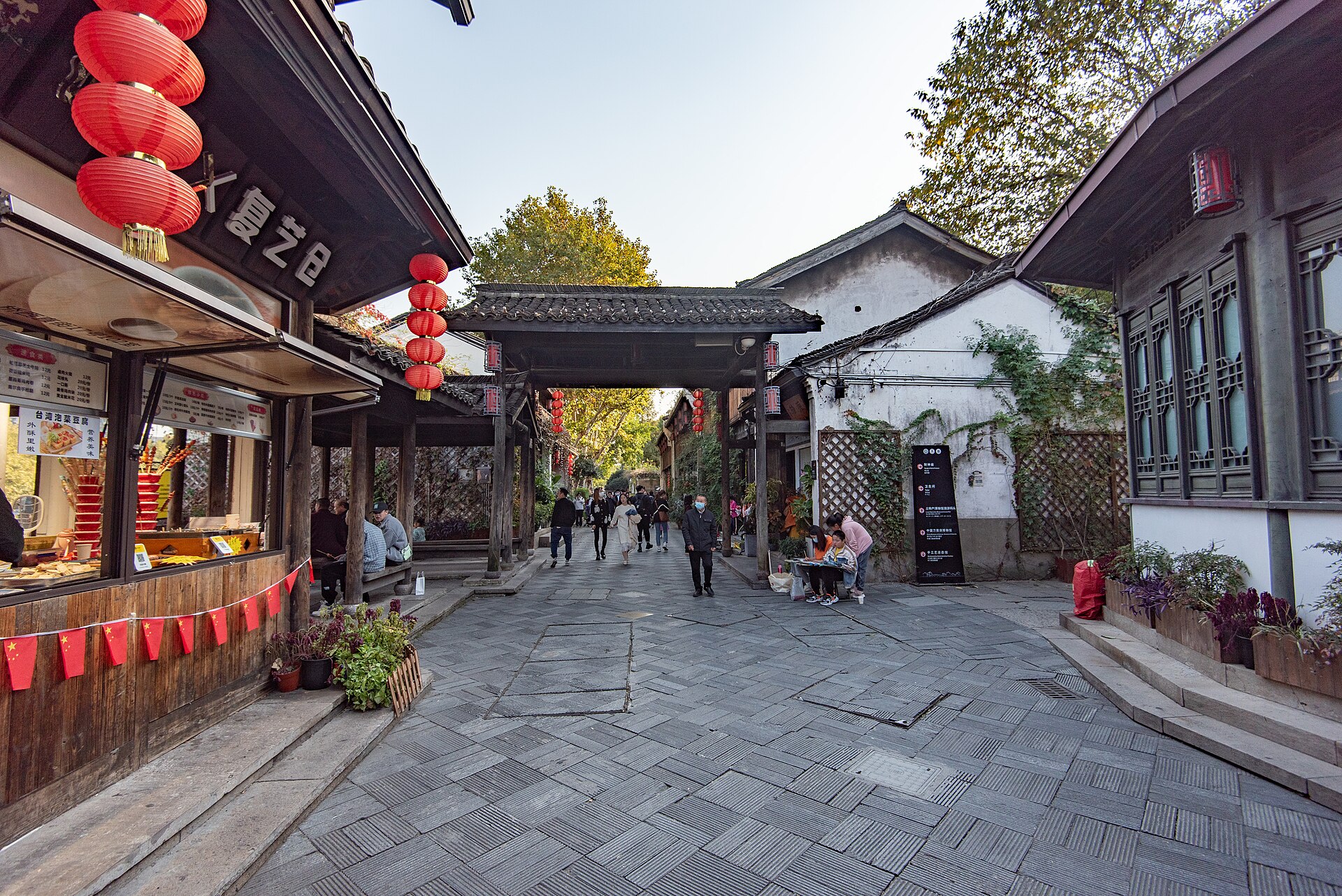
The canal-side area around Gongchen Bridge has been restored as a heritage district: the China Knife, Scissors and Sword Museum, the China Umbrella Museum, and the Canal Culture Museum line the banks, several in converted warehouses. The Xiaohe Old Street, a lane of Qing-dynasty shopfronts, runs along the western bank.
The best way to experience the canal is from the water: the night cruise (60-100 RMB) glides past the illuminated bridge, the lantern-lit warehouses and the modern skyline. By day, walk the towpaths and watch the barges - a working canal that has been in continuous use for 1,400 years.
Highlights
Gongchen Bridge
The 1631 stone arch bridge at the canal's southern terminus.
The Canal Night Cruise
Illuminated bridges and warehouses from the water - 60-100 RMB.
The Canal Museums
Knife, scissors, umbrella and canal culture museums in converted warehouses.
Xiaohe Old Street
A Qing-dynasty lane of shopfronts on the western bank.
The Working Barges
Cargo boats still locking through - 1,400 years of continuous use.
The Qiaoxi Historic Block
Restored canal-side houses and teahouses south of the bridge.
Photo Gallery
Comments