 Travel in China
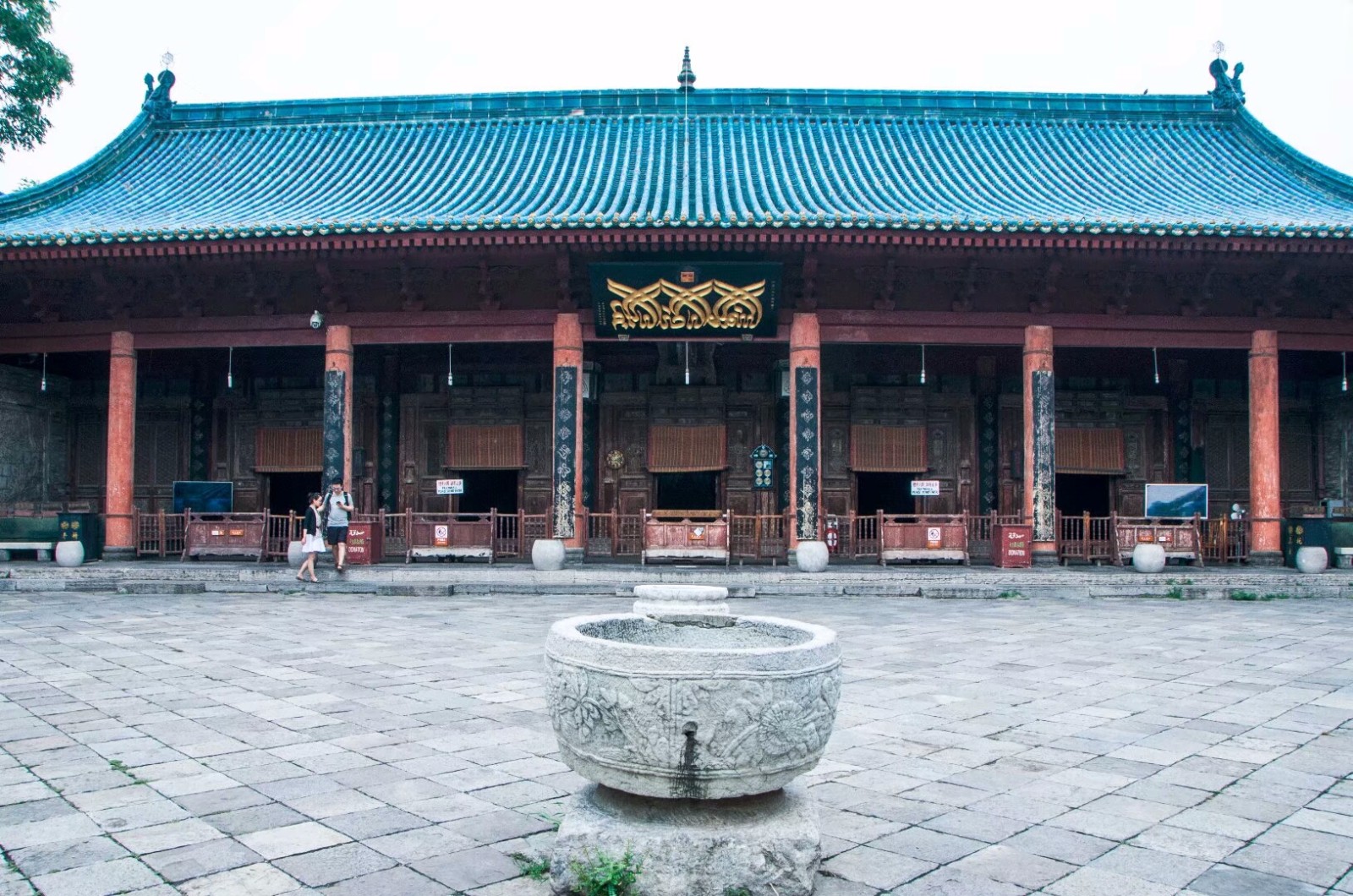
Enter from Beiyuanmen, follow Huajue Lane's shops to the gate, and walk the four courtyards slowly westward — the sequence from Chinese gate to prayer hall tells the whole Silk Road story in architecture.
Suggested Itinerary
- Half-Day Highlights — A Relaxed Stroll
Wander from the Xingshin Tower through the One-Truth Pavilion to admire Sino-Islamic architecture, pause among the Tang gingko trees where the Hui community still prays, and glimpse the peacock-blue Prayer Hall roof — all in about two hours. - Full-Day Deep Dive — History & Heritage
Spend the morning studying twenty-plus Chinese and Arabic steles, tracing Ming-era rebuilding records, then slowly explore each courtyard and pavilion. Dress modestly, avoid Friday jumu'ah hours, and respectfully observe living worship from the prayer hall doorway.
What to See
Sino-Islamic Architecture
A mosque with no dome and no Arab-style minaret-tower: instead pagoda-style pavilions, glazed-tile roofs and Chinese scholar-garden courtyards.
The Xingshin Tower
An elegant three-storey octagonal triple-eaved tower — the Chinese take on a minaret — rising over the third courtyard.
One-Truth Pavilion
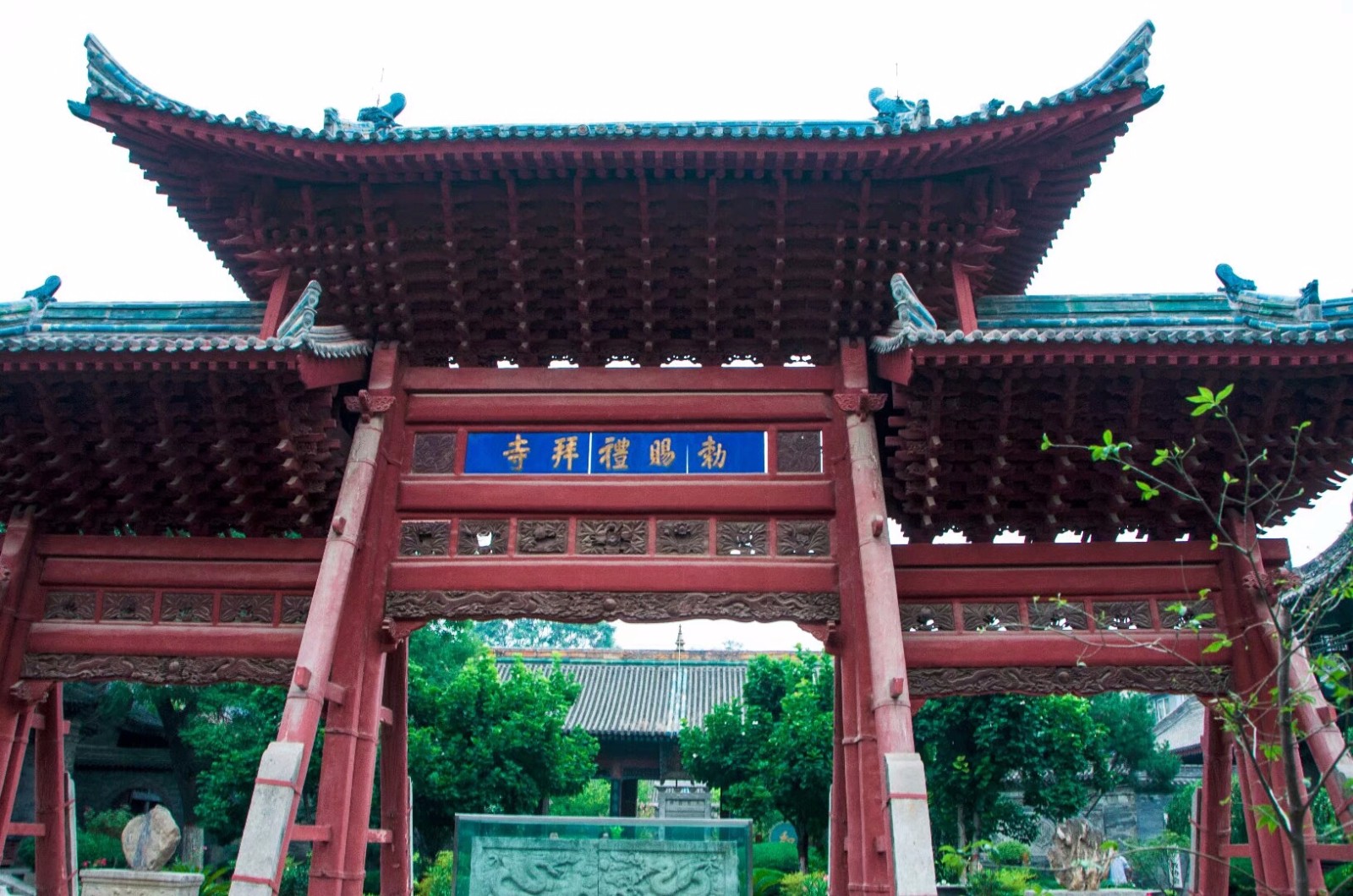
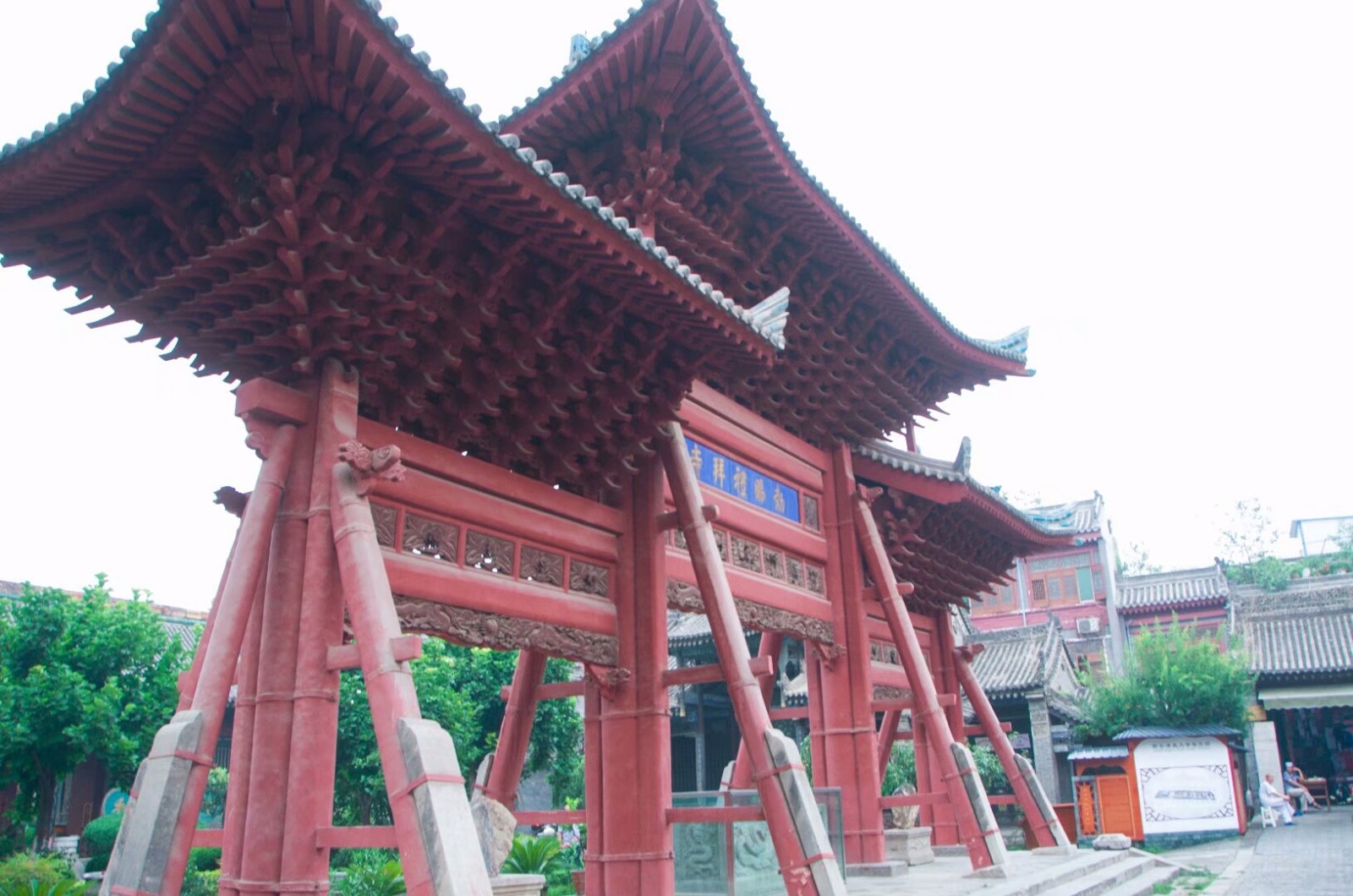
A rare structure fusing archway and pavilion, its three linked roofs said to resemble a phoenix, fronted by twin lotus pools.
Ancient Steles
Twenty-plus Chinese and Arabic stone inscriptions, including Ming steles recording the mosque's rebuilding.
The Prayer Hall
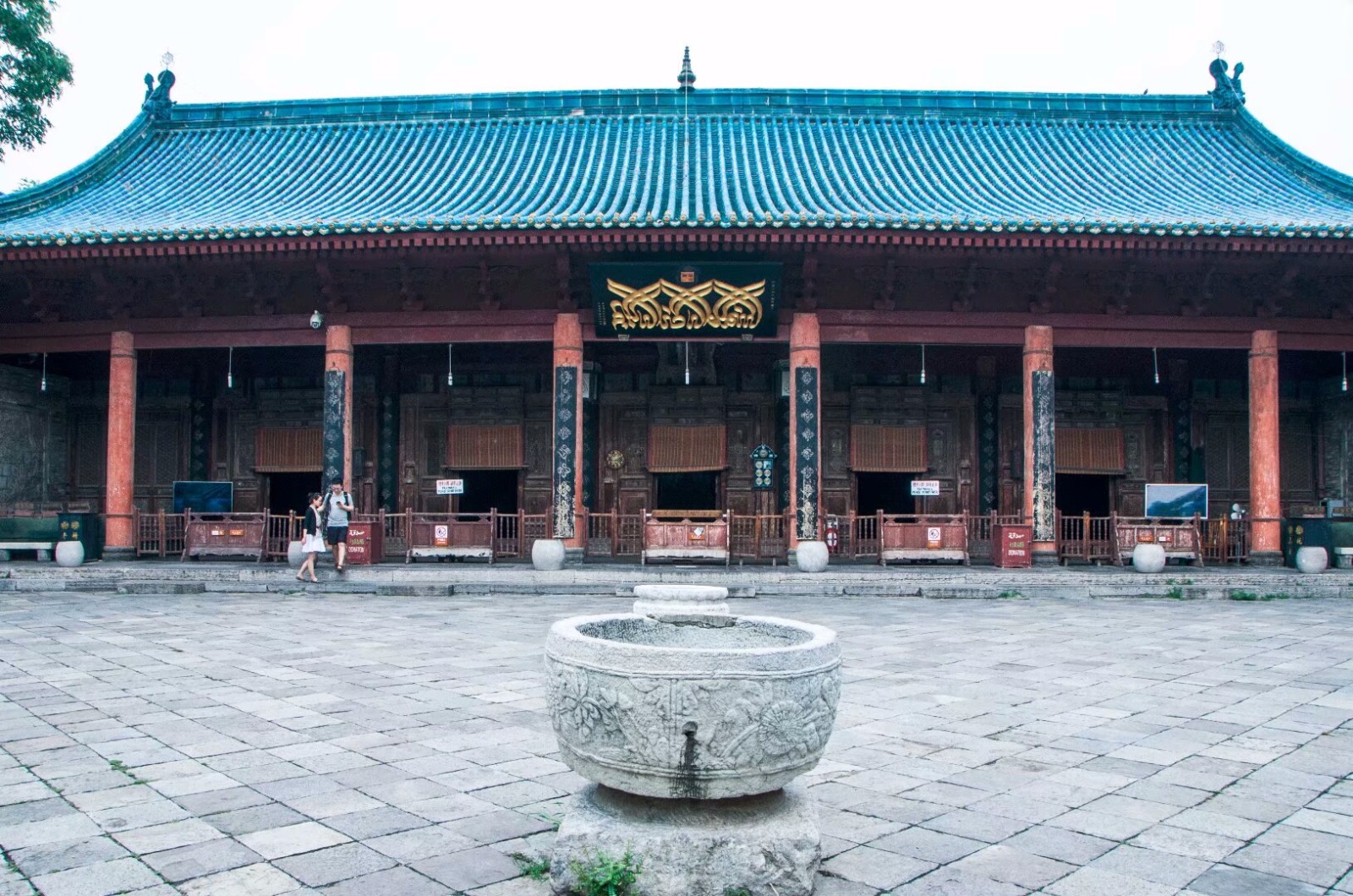
A magnificent hall with a peacock-blue glazed roof and 4-metre carved Quranic boards — non-Muslims may look in from the threshold.
Tang Gingko & Living Worship
Centuries-old trees shade courtyards where the Hui community still prays five times daily.
Photo Gallery
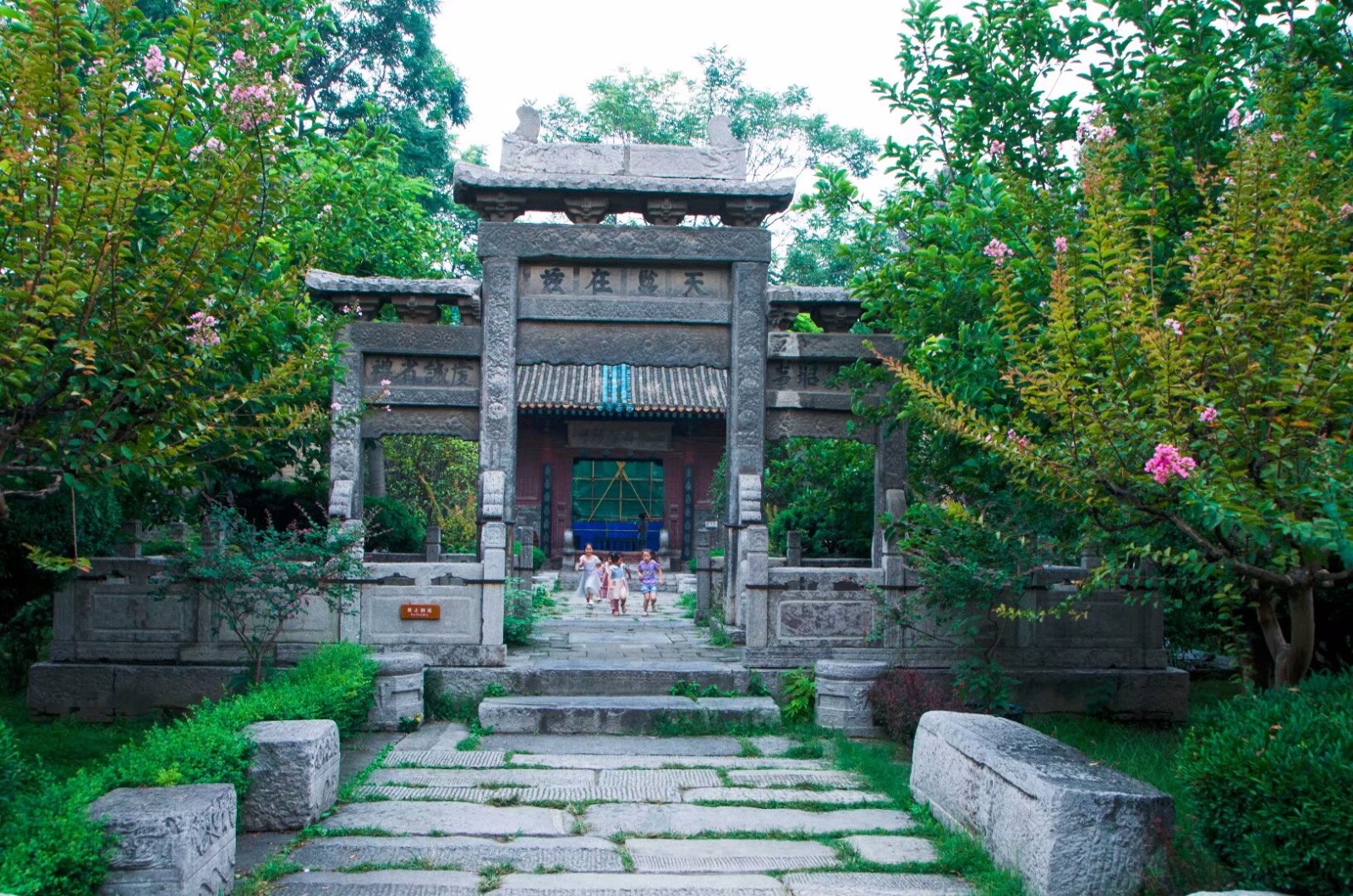
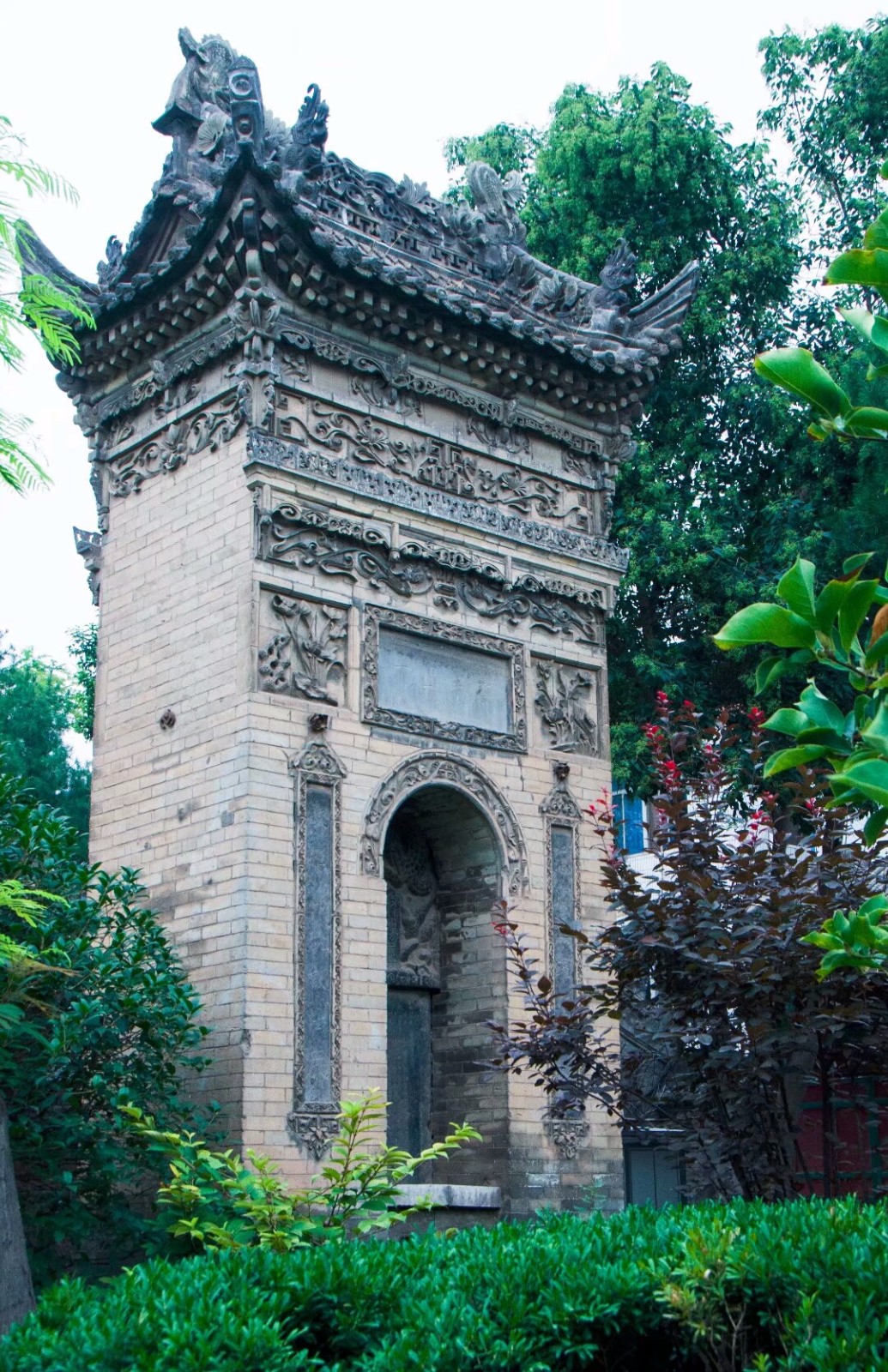
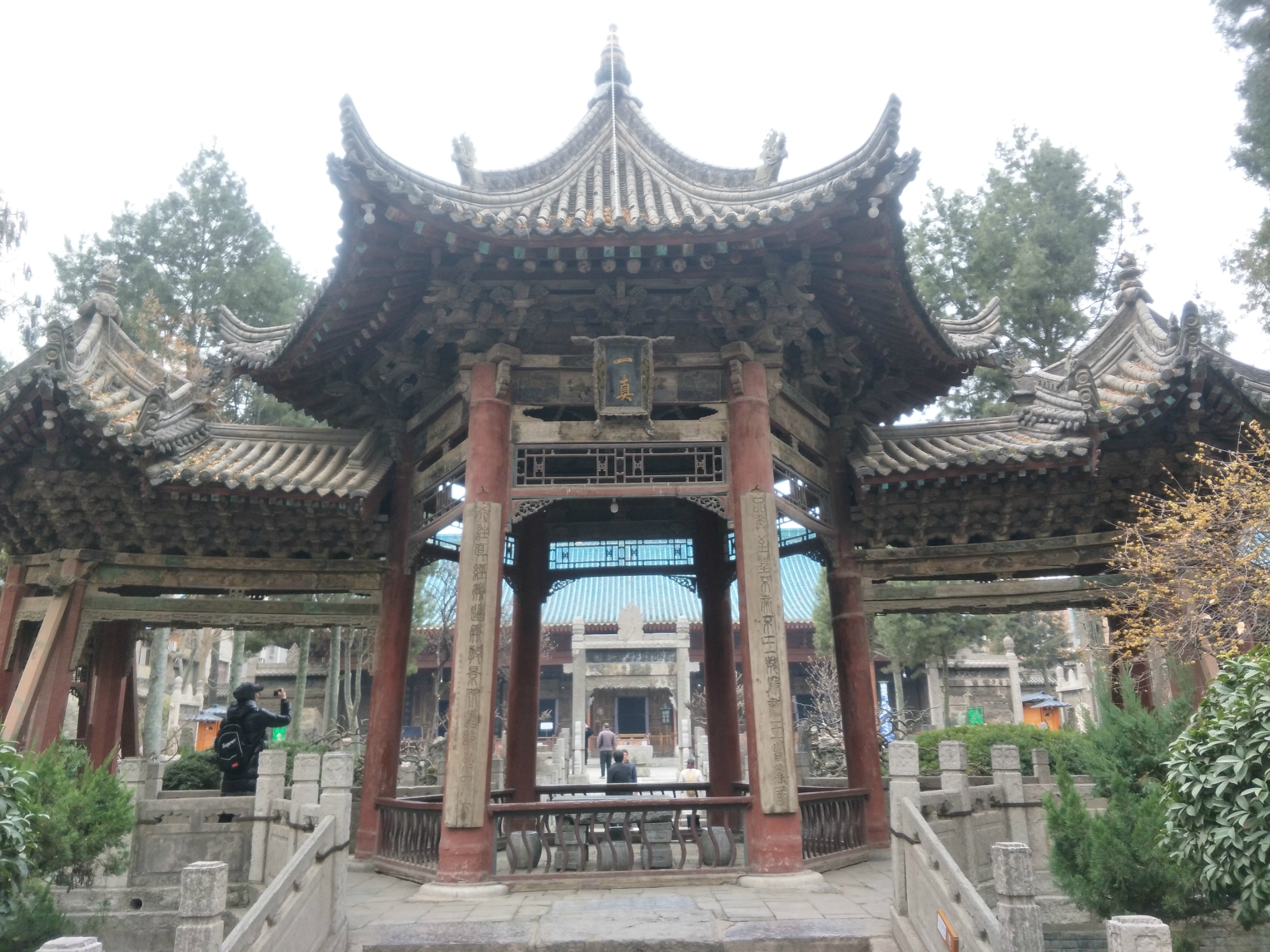
Tips from Real Travelers
Food & Drink
Huajue Lane Vendors
Toasted persimmon cakes and osmanthus rice-wine stalls sweeten the walk to the gate.
Ma Hong Ya Beef Cakes
Crisp layered fried beef pockets famous on this lane; eat one hot.
Jia San Soup Dumplings
The quarter's legendary lamb soup dumplings, 5 minutes away on Beiyuanmen.
Grand Pao Mo House
On the parallel Xiyang Market street, mutton paomo where locals outnumber tourists.
Comments