 Travel in China
Two thousand European-style villas along five leafy avenues - China's finest open-air museum of 1920s architecture.
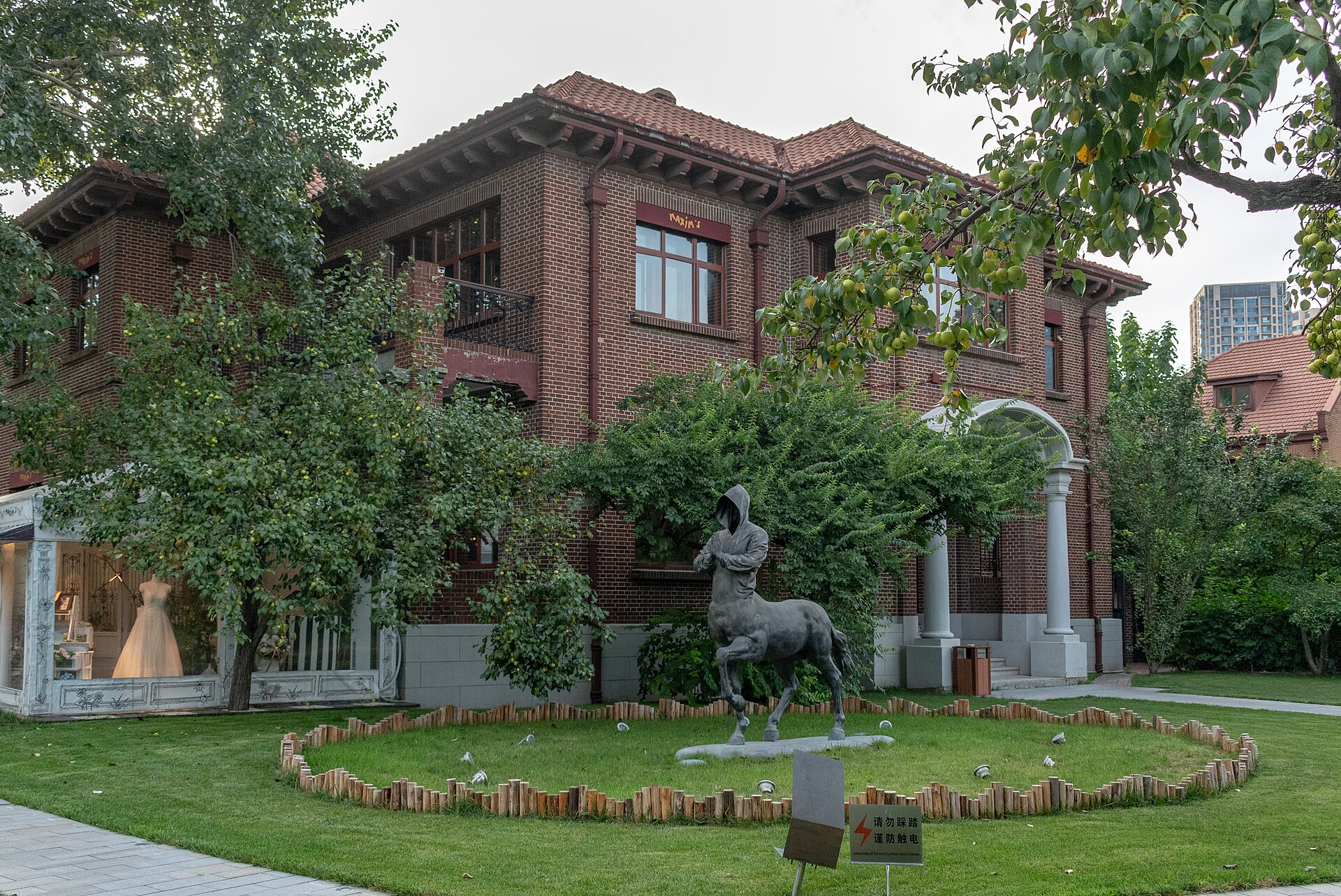
The Five Great Avenues (Wudadao) is a 1.3-square-kilometre district of 1920s and 1930s villas in the former British concession of Tianjin. When the Qing dynasty collapsed, warlords, industrialists and foreign traders built more than 2,000 villas in 24 different architectural styles along five avenues named after Chinese cities.
Today the district is a quiet, tree-lined residential quarter that feels worlds away from the high-rise city beyond. The villas - many with historic plaques identifying their former owners, including Puyi, the last emperor - are best explored on foot or by horse-drawn carriage.
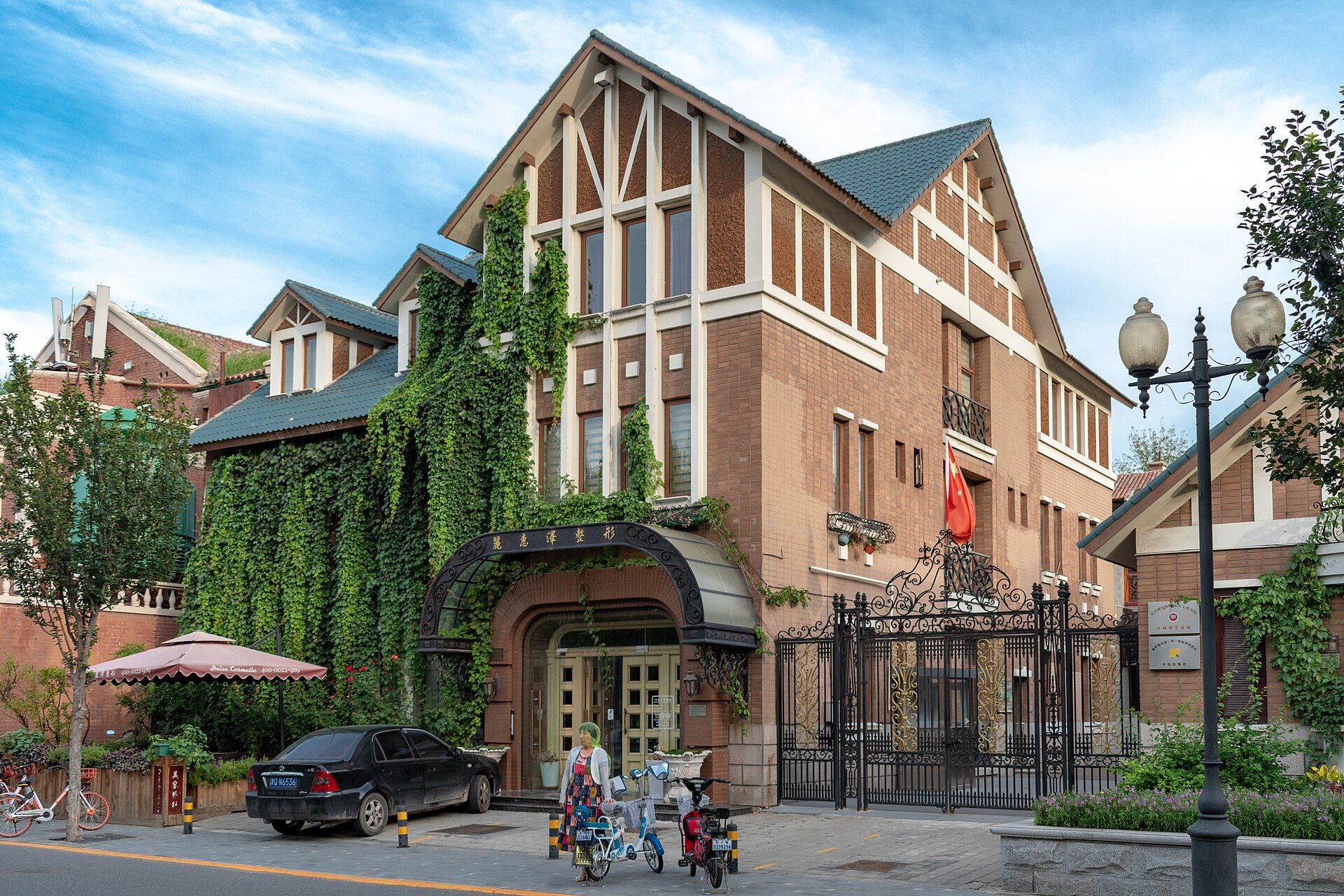
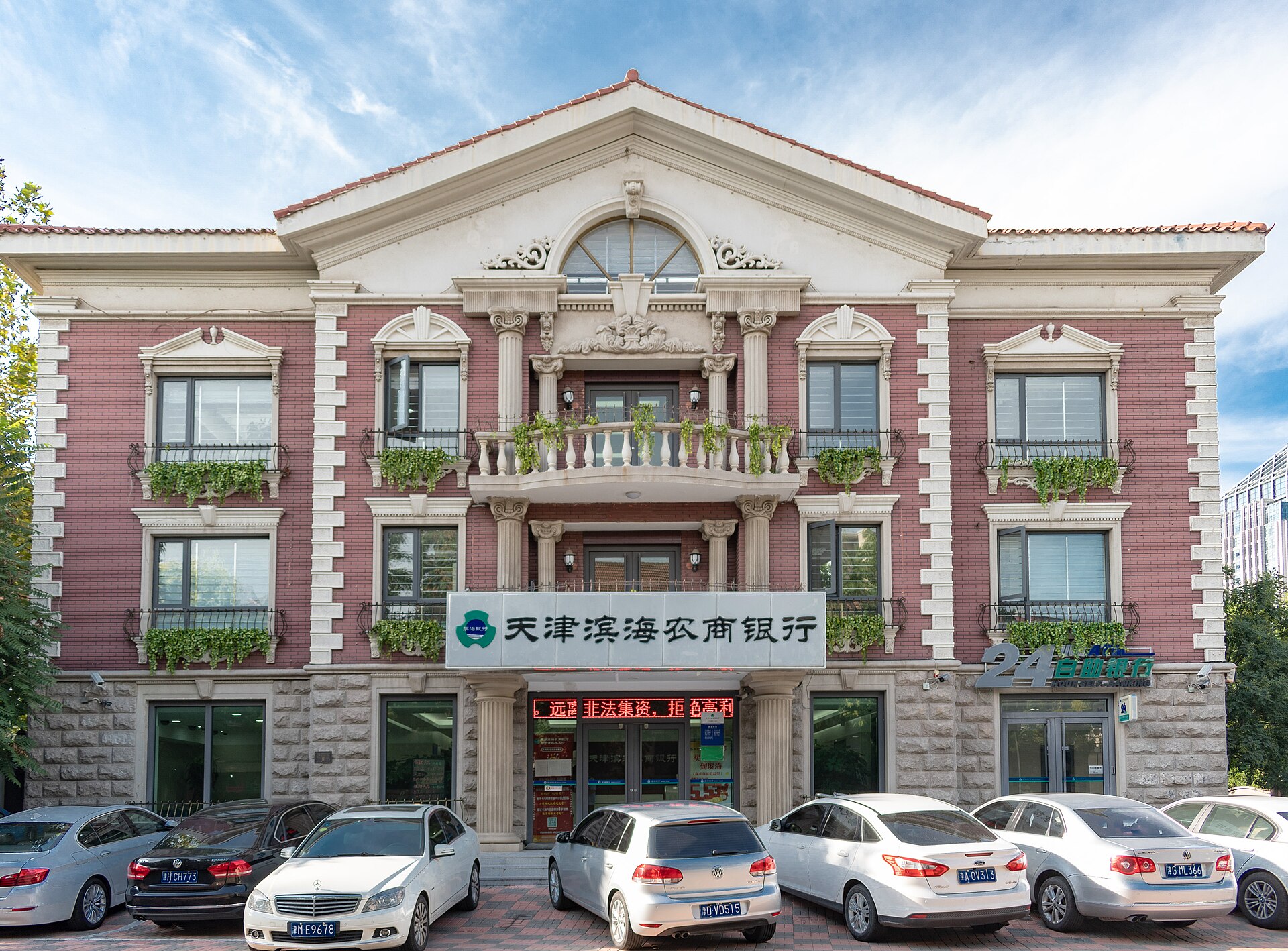
The architecture ranges from mock-Tudor cottages to grand French chateaux, Italianate palazzos and Spanish mission-style residences. The district is particularly beautiful in spring when the avenues' plane trees leaf out, and in autumn when the ginkgo turns gold.
Highlights
The Villa Architecture
2,000 buildings in 24 national styles from mock-Tudor to French chateau.
Jingyuan Garden (Puyi's Palace)
A short taxi east, the last emperor's poignant 1920s residence.
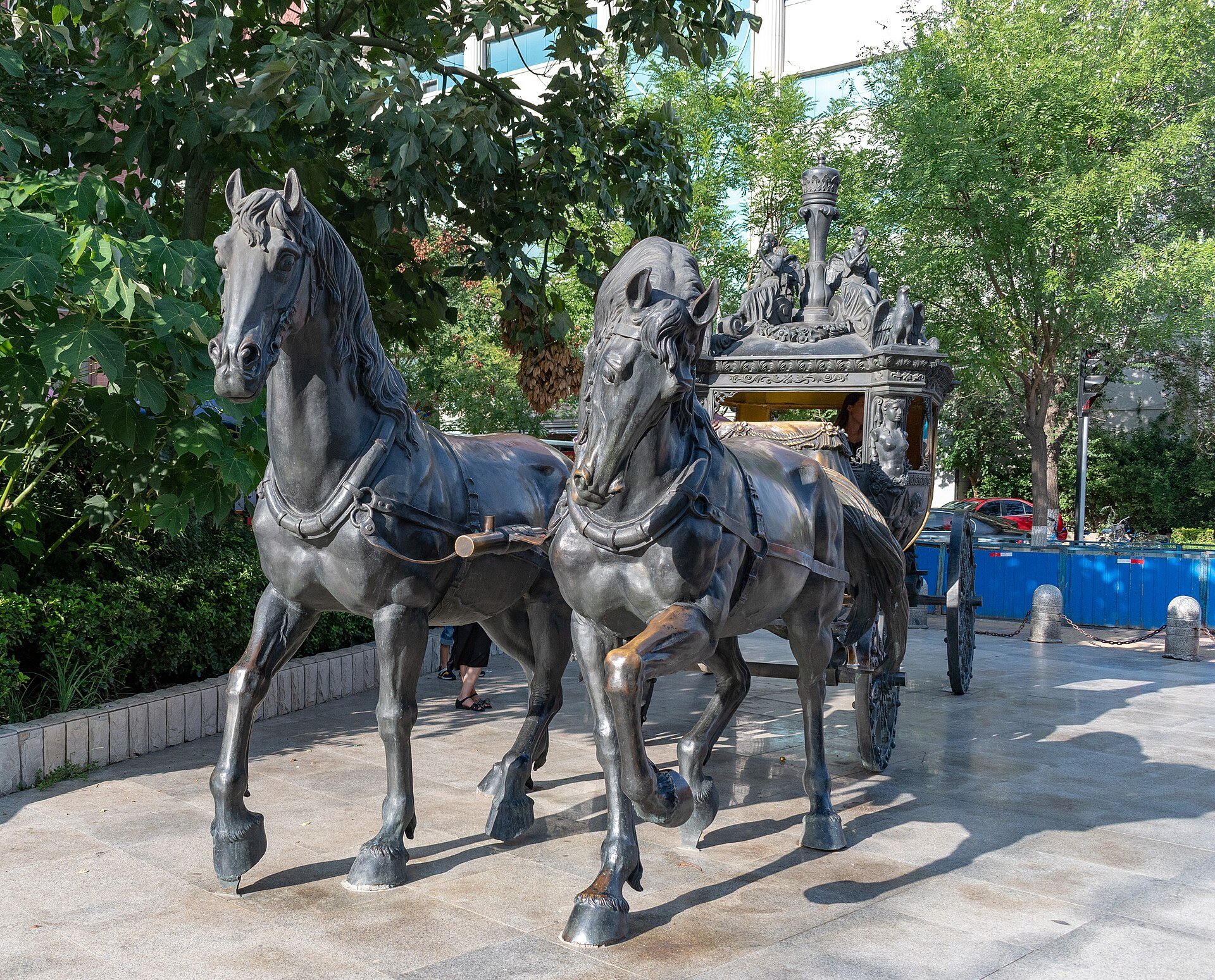
The Horse-Drawn Carriage Tour
Traditional carriages clip-clopping through the leafy avenues.
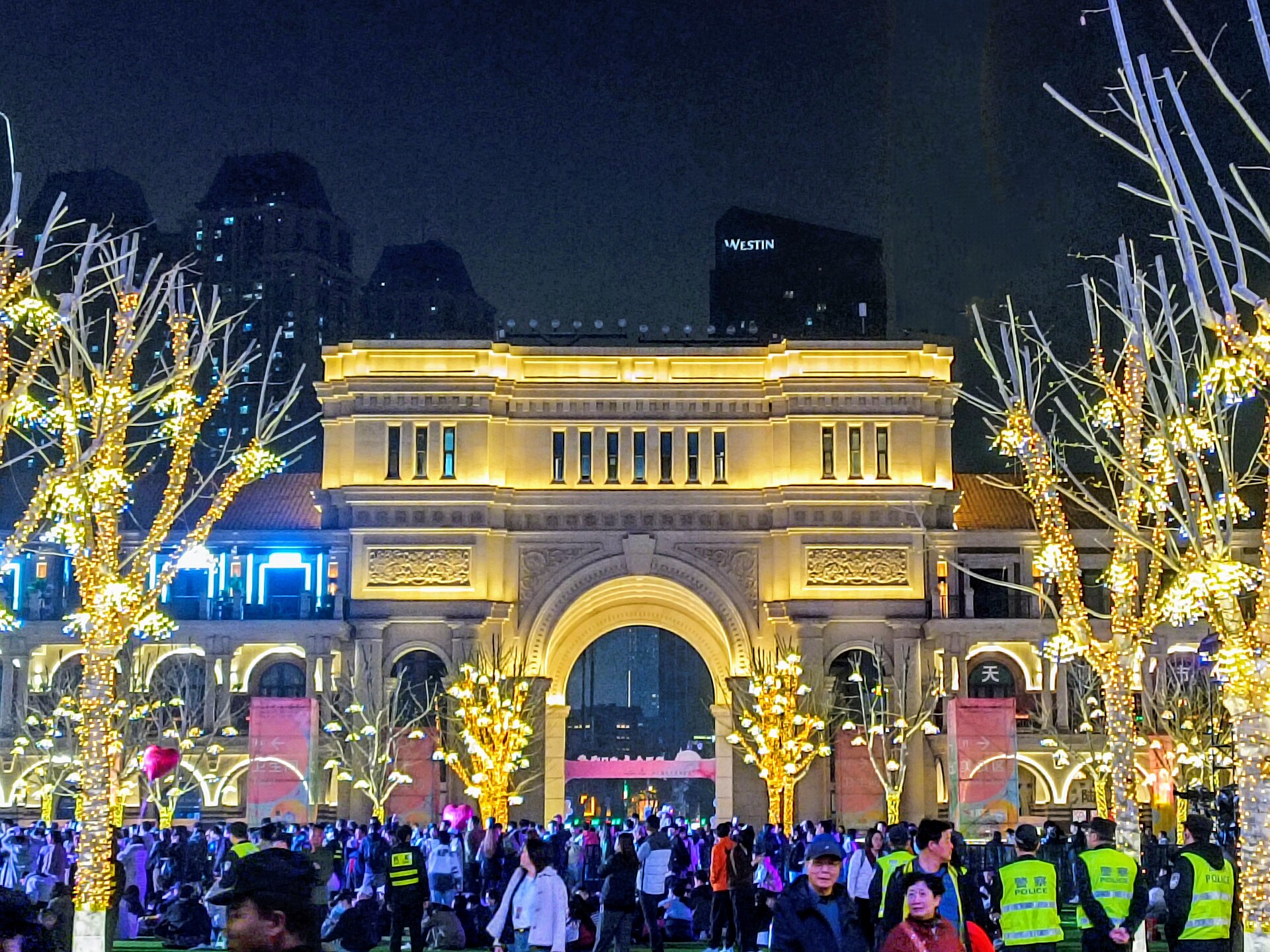
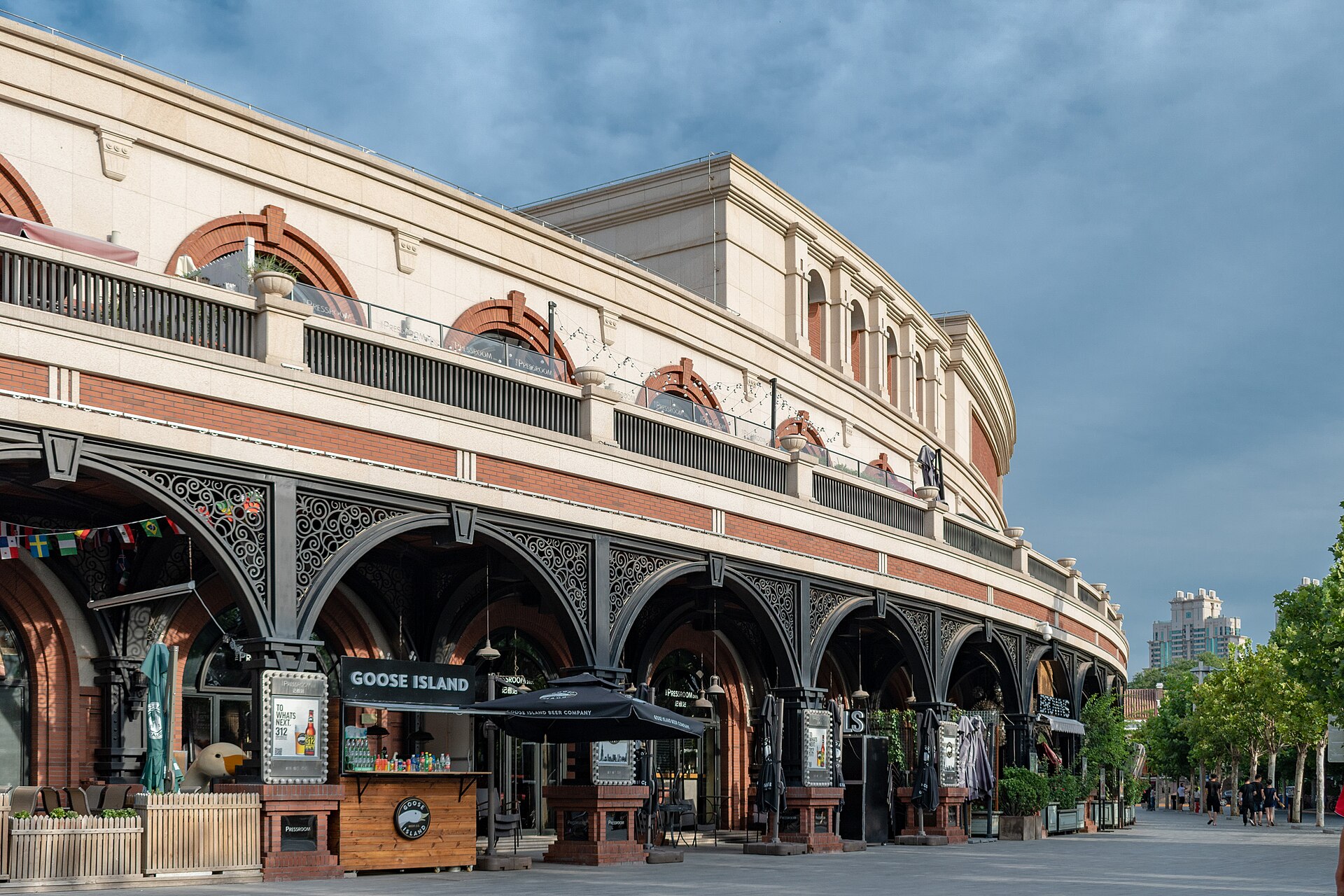
Minyuan Square
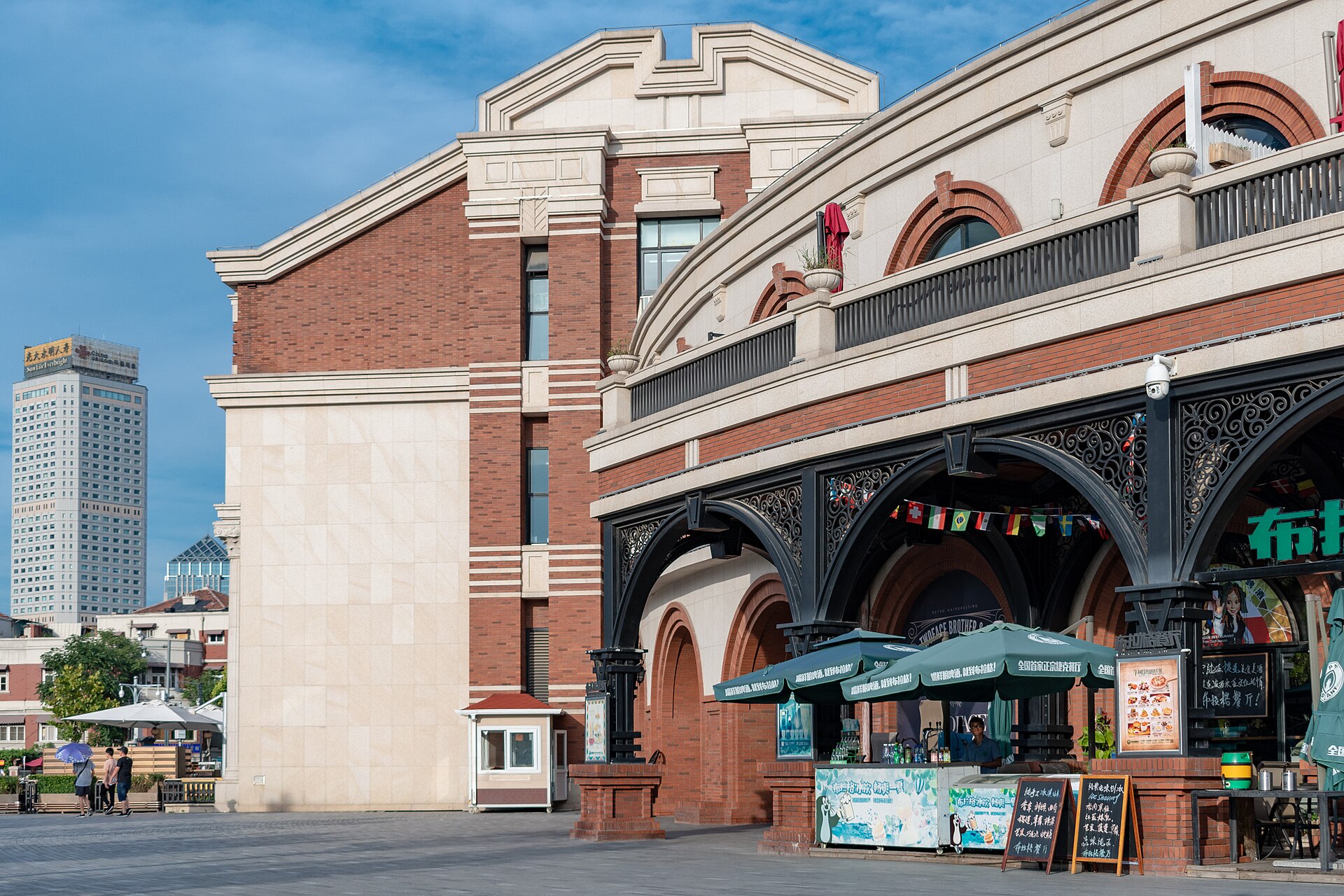
A 1920s British stadium reborn as a public plaza.
The Autumn Ginkgo
The avenues' ginkgo trees turning brilliant gold each November.
The Historic Plaques
Bilingual plaques on most villas identifying their former residents.
Photo Gallery
Comments