 Travel in China
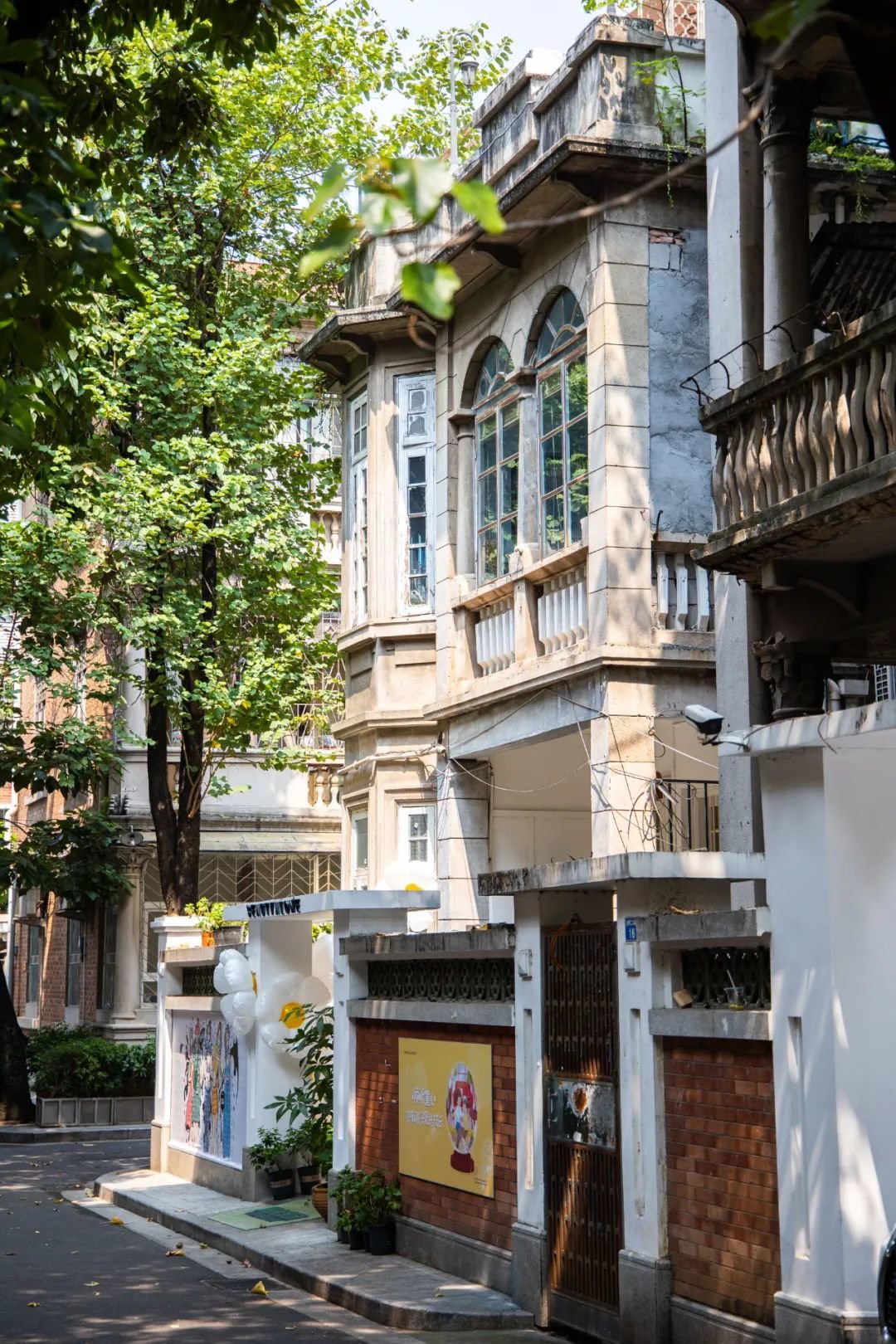
East of the old city, the tree-shaded lanes of Xinhepu hold Guangzhou's loveliest stock of 1920s-30s red-brick villas — the 'East Hill mansions' of returned overseas Chinese, missionaries and Republican officials, more than 400 of them surviving. The quarter folds big history — the CPC's Third Congress met here in 1923 — into gentle streets now famous for coffee roasters in restored shopfronts and a flower season of kapok and jacaranda. Free, open around the clock, and made for slow walking.
Dive deeper: full travel guide · transport & map · where to stay & book
Guangzhou's eastern hills were orchard land until American Baptist missionaries chose them for a school in 1907, and a church-and-villa quarter began to grow. From 1915 developers opened Guigang, and through the 1920s and 1930s returned overseas Chinese, officials and professionals built a distinctive stock of red-brick mansions with deep verandas, barrel tiles and Western gables — nearly 800 'East Hill' villas by some counts, of which more than 400 survive. The district became Republican-era Guangzhou's most desirable address, and the source of the old saying about the 'East Hill young masters' versus the 'West Gate misses'. In 2000 Xinhepu was listed as a national-level historical and cultural protection area, and in 2019 it received an Asian townscape award.
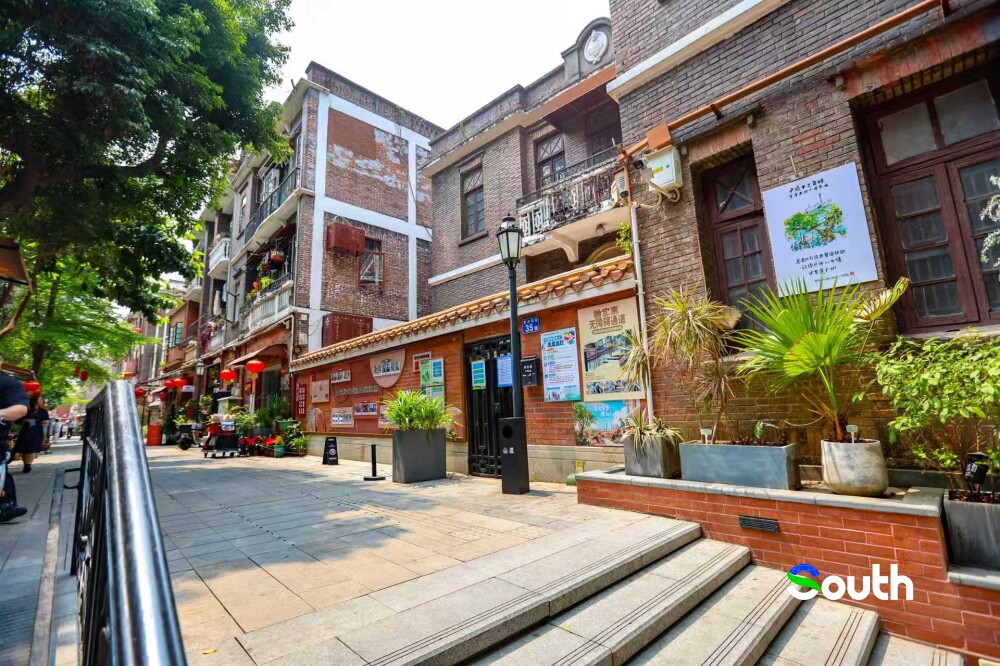
The pleasure of Xinhepu is unhurried and architectural: five storied 'Yuan' gardens — Chunyuan, Kuiyuan and Baiyuan among them — anchor lanes of walled villas where kapok trees drop red flowers onto red brick. History weighs in gently: in spring 1923 the CPC Central Committee moved into Chunyuan, and that June the Party's Third Congress — the only one ever held in Guangzhou — met nearby, setting the first cooperation with the Nationalists in motion; a purpose-built memorial now marks the site. Baiyuan, meanwhile, housed the young Institute of History and Philology from 1928, the cradle of modern Chinese archaeology. Between the monuments to big history, the quarter's present hums in Miaoqian West Street, where coffee roasters, vintage shops and bakeries have moved into old storefronts.
In 2026 the district has settled comfortably into its role as Guangzhou's most walkable heritage quarter — free, open around the clock, increasingly well signposted, with an official flower-season walking guide released in 2025 and English-language coverage making it a regular on international guide lists. Metro Lines 1 and 6 stop at its heart (Dongshankou, Exit E/F, five minutes to the first villas), the memorial and Chunyuan are free with reservation and both close Mondays, and most independent shops keep 10:00-20:00 hours with Monday rest days. Late March brings the picture season — kapok crimson and jacaranda purple against the brick — and a slow three-kilometre lane walk fills half a day with the city's gentlest density of 1920s facades.
Highlights
Chunyuan (Spring Garden, 1923)
The cream riverside villa where the CPC Central Committee lived in spring 1923 — Chen Duxiu, Mao Zedong and comrades worked here; interiors restored, free with booking.
Third Congress Site Memorial
The museum marking the June 1923 congress — the only CPC national congress held in Guangzhou; purpose-built, free, closed Mondays.
Kuiyuan (1922)
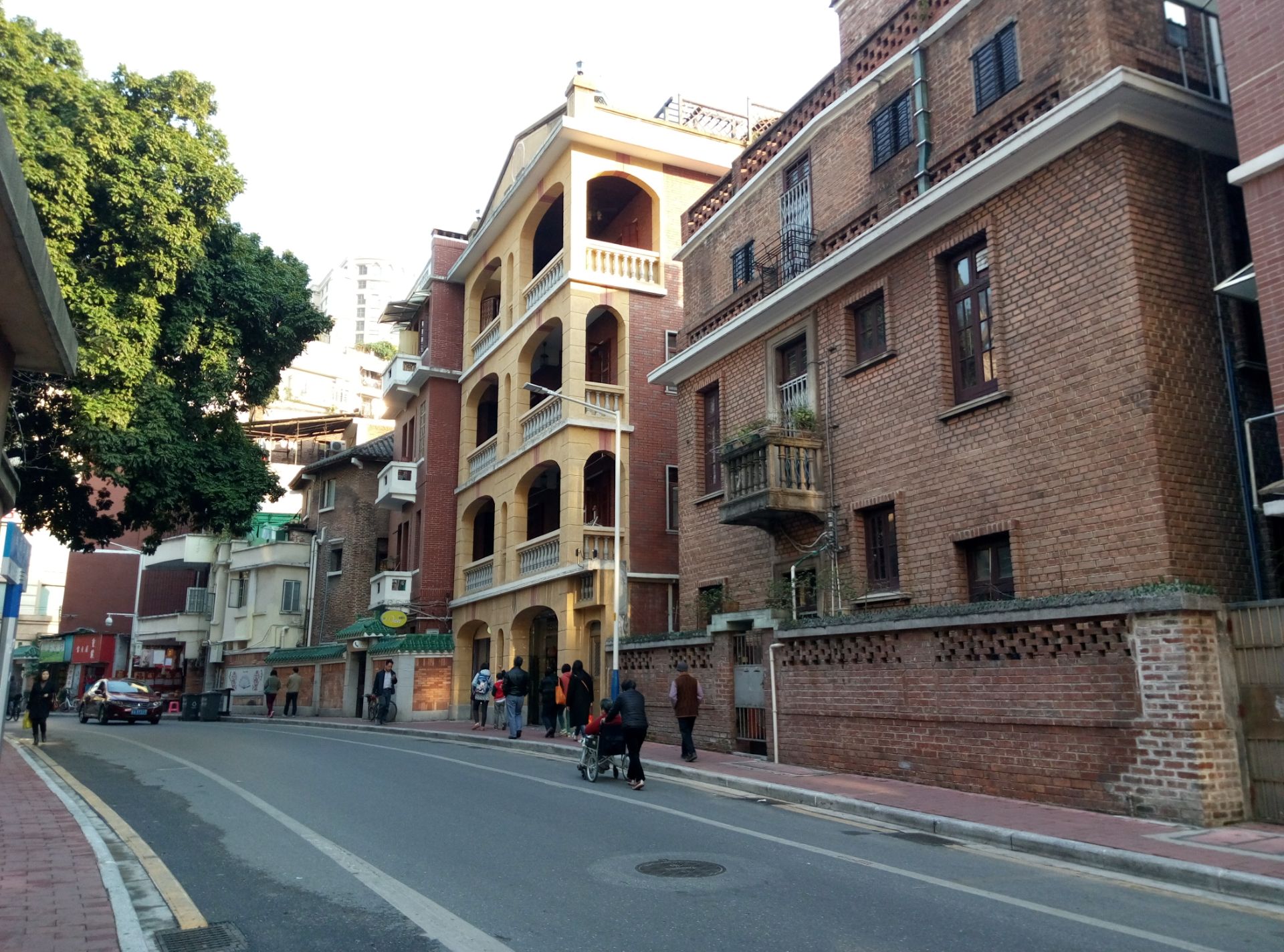
A five-bay red-brick villa with a flamboyant baroque gable — one of the five overseas-Chinese 'Yuan' gardens that define the district's look.
Baiyuan (1928)
The stately residence that became the first home of the Institute of History and Philology — the cradle of modern Chinese archaeology.
Miaoqian West Street Cafes
The low-key strip where old shopfronts became coffee roasters, vintage stores and bakeries — the youth side of the quarter.
400+ Red-Brick Villas
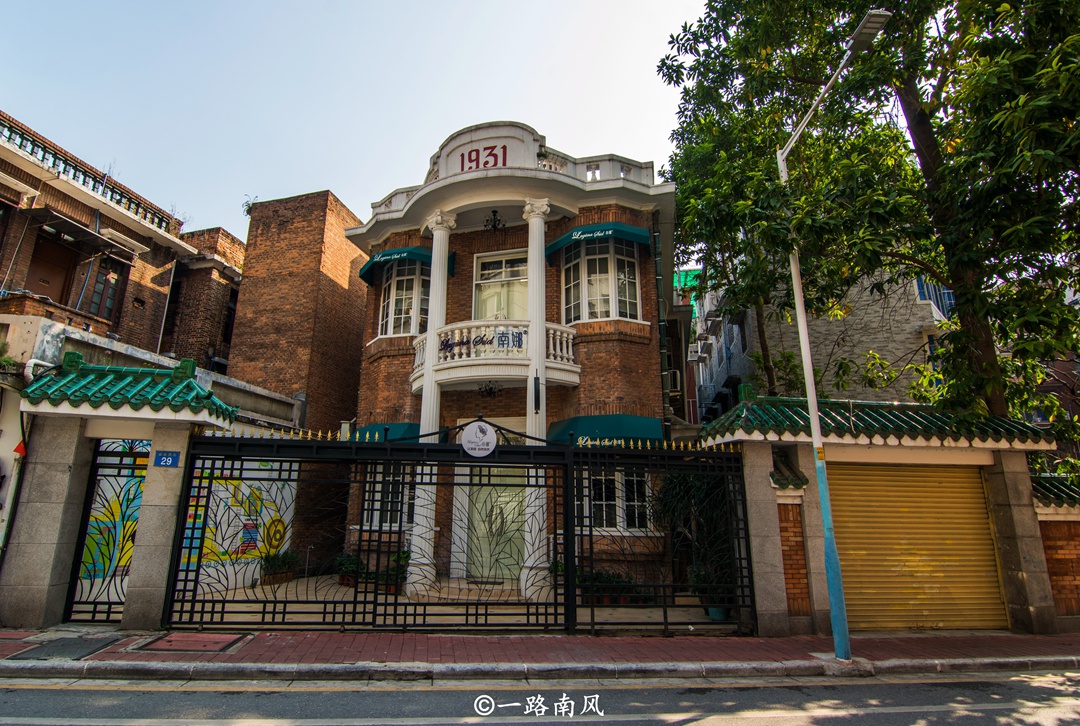
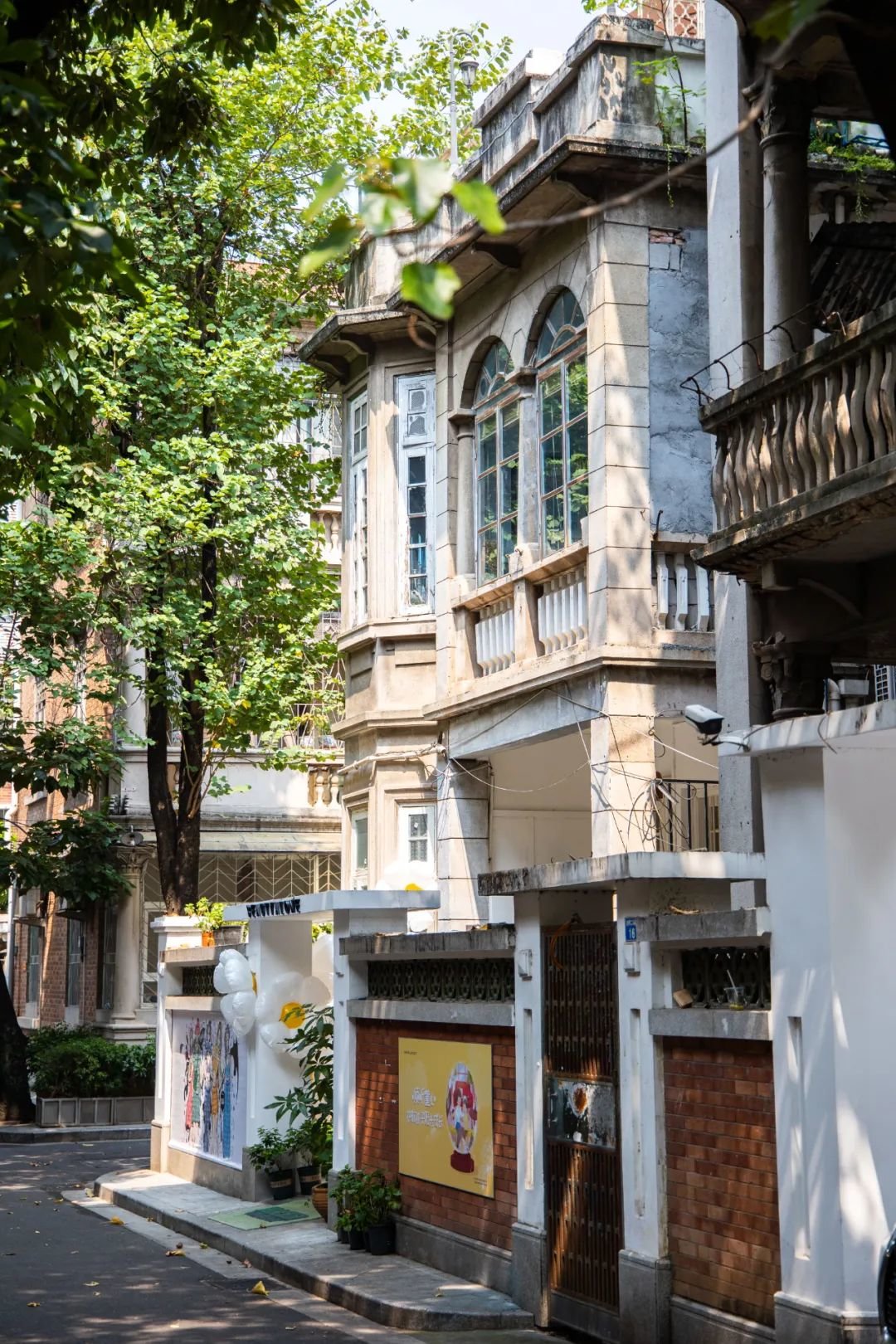
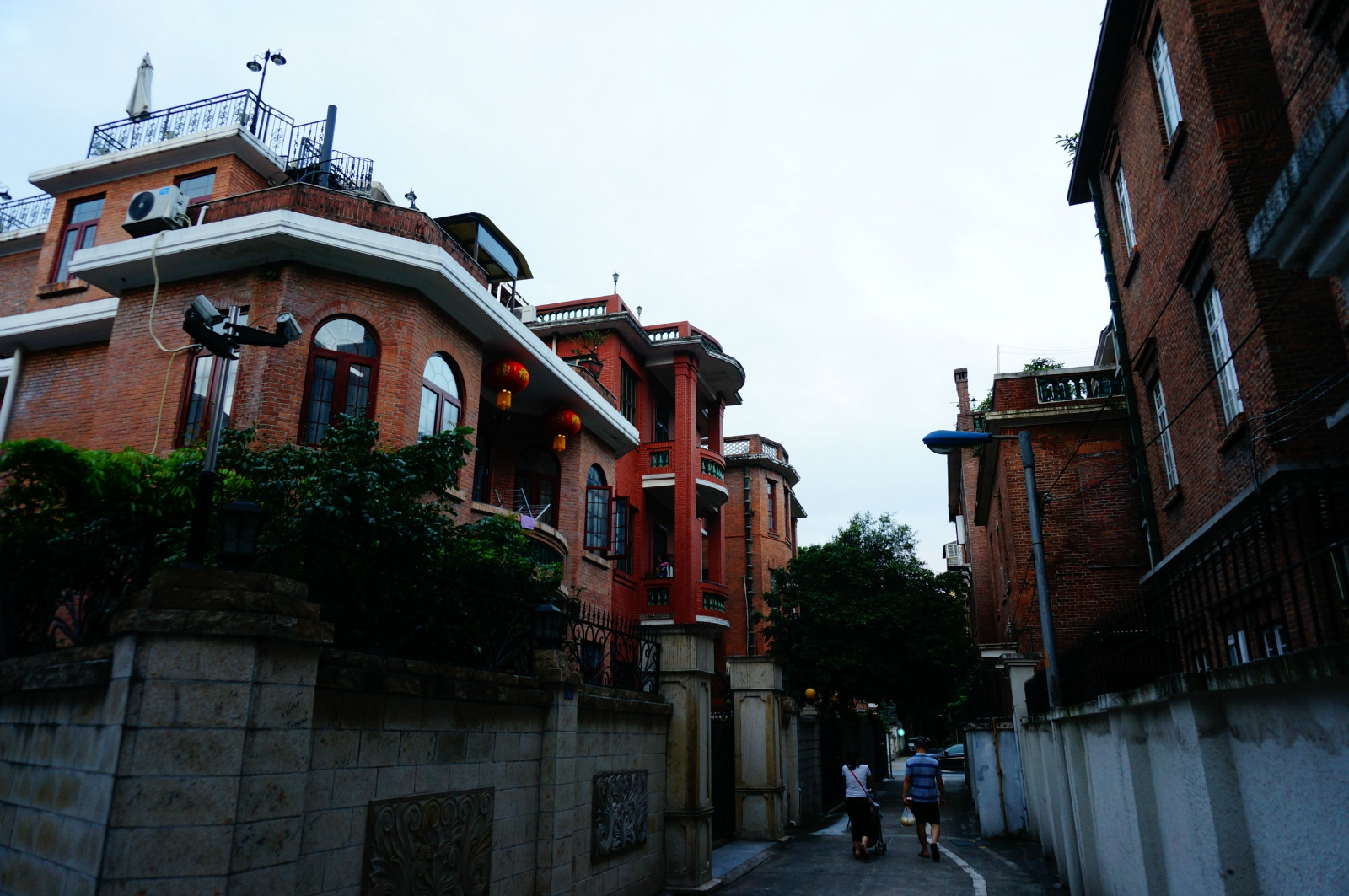
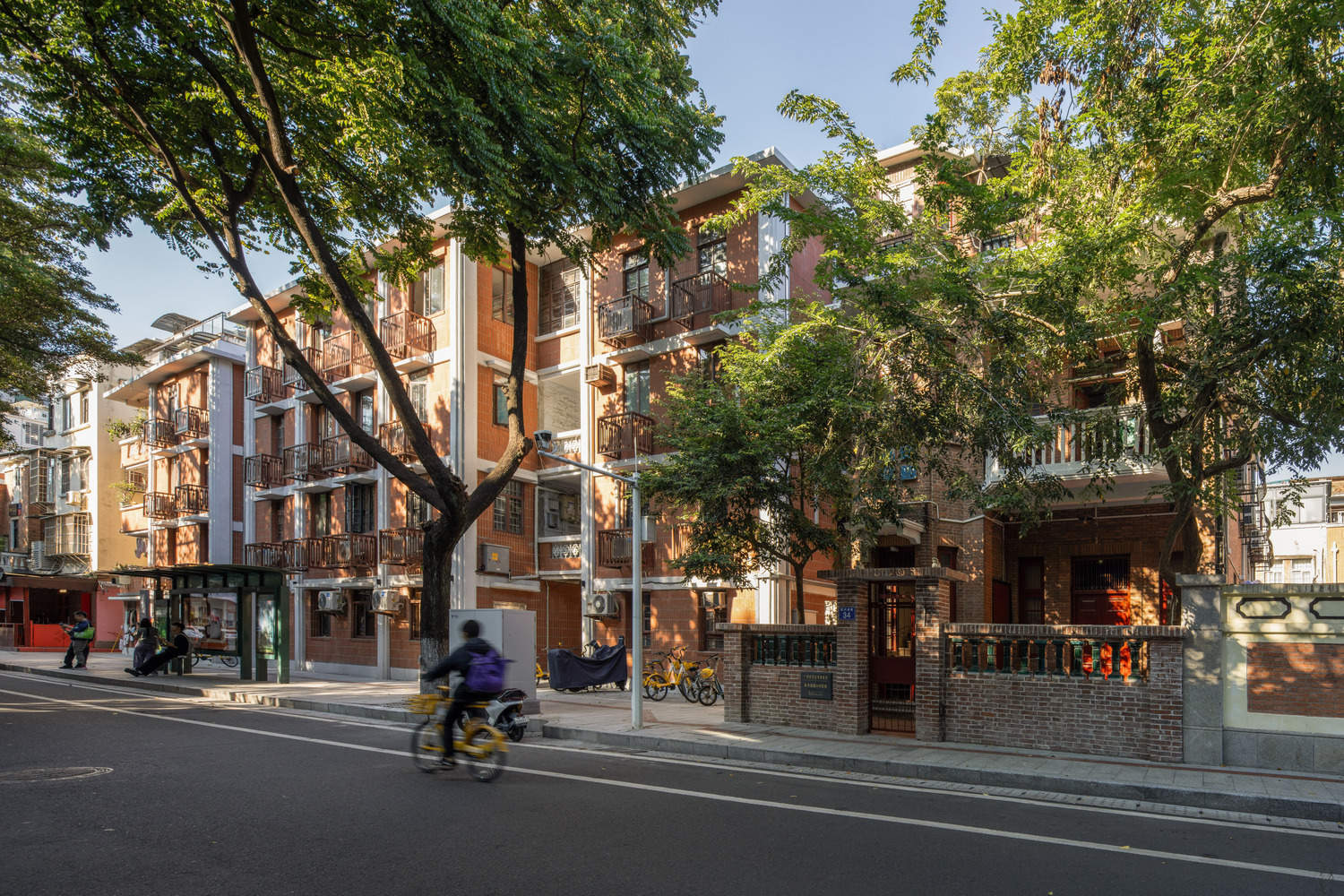
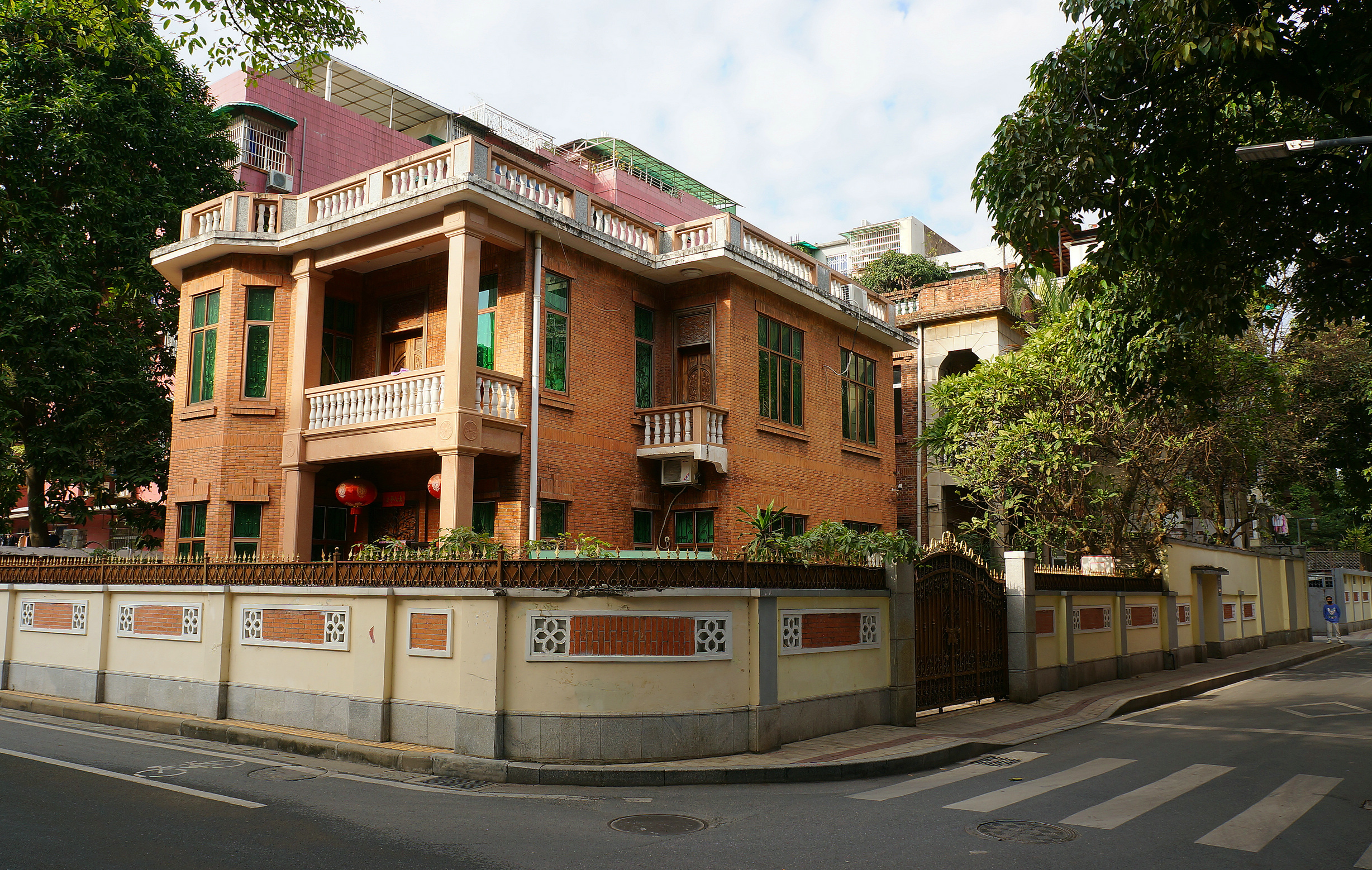
The residential sea around the landmarks: barrel-tiled, veranda-wrapped mansions behind garden walls, each lane denser than the last.
Photo Gallery
Comments