 Travel in China
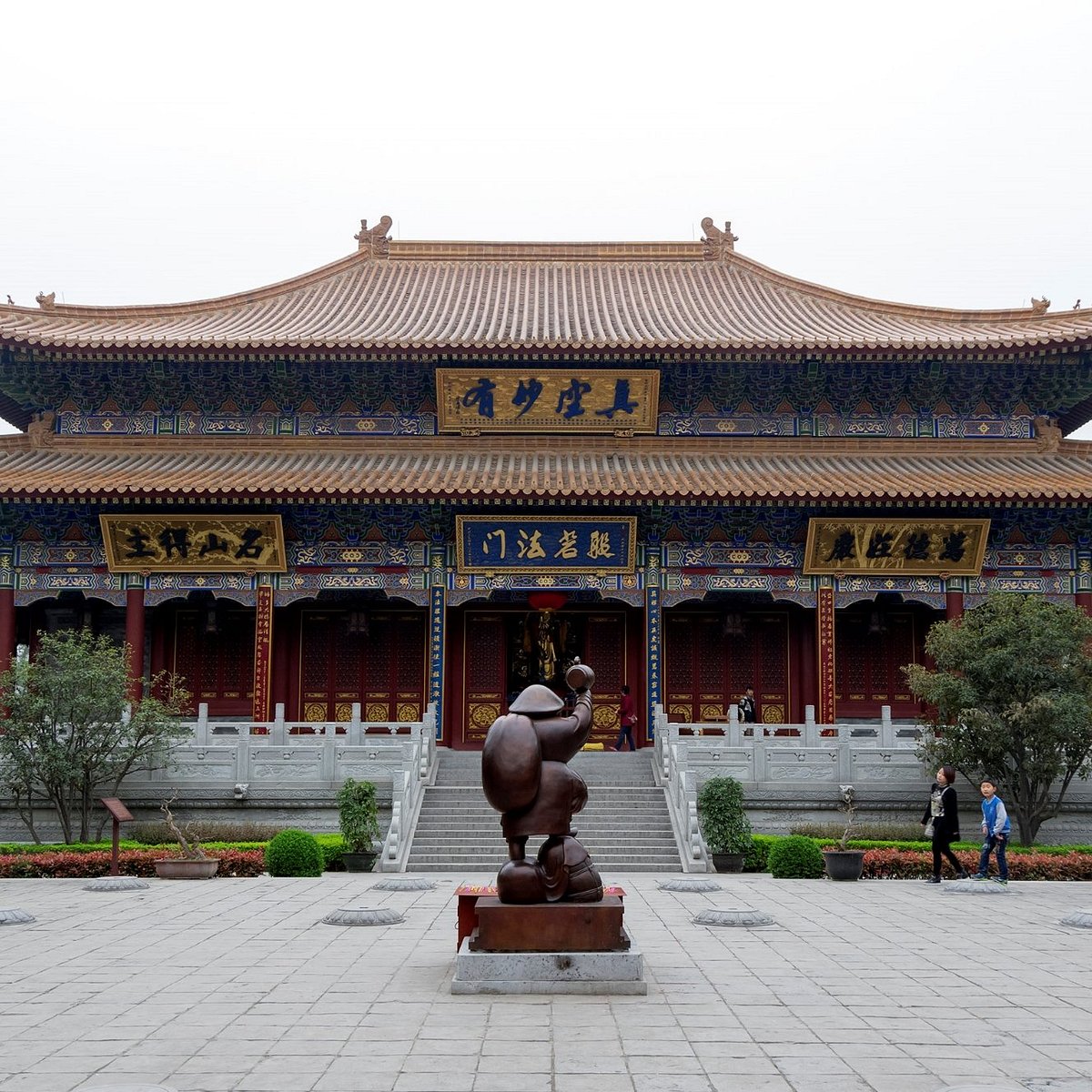
In the heart of the buzzing Xiaozhai shopping district yet worlds away in stillness, Daxingshan Temple is one of China's oldest Buddhist monasteries — a 1,750-year lineage founded in 266 CE that became the cradle of Chinese Esoteric Buddhism under the Tang master Amoghavajra. It was here that Japan's monk Kukai studied before founding the Shingon school, making the temple a pilgrimage site for Japanese visitors to this day. Golden halls, chanting monks, friendly courtyard cats and free incense make it the city's most loved working temple.
Dive deeper: full travel guide · transport & map · where to stay & book
Daxingshan Temple, tucked into Xi'an's lively Xiaozhai district, is one of China's oldest Buddhist monasteries, with a lineage stretching back some 1,750 years. It was founded in 266 CE, during the Western Jin dynasty, and rose to extraordinary prominence in the Tang dynasty, when the great Esoteric master Amoghavajra made it his seat. His translations of Sanskrit scriptures transformed the temple into the fountainhead of Chinese Mantrayana, or Esoteric Buddhism. It was also here that the Japanese monk Kukai studied before returning home to found the Shingon school, a connection that still draws Japanese pilgrims to the site today. Few working temples anywhere in China can claim such a deep and continuous doctrinal legacy.
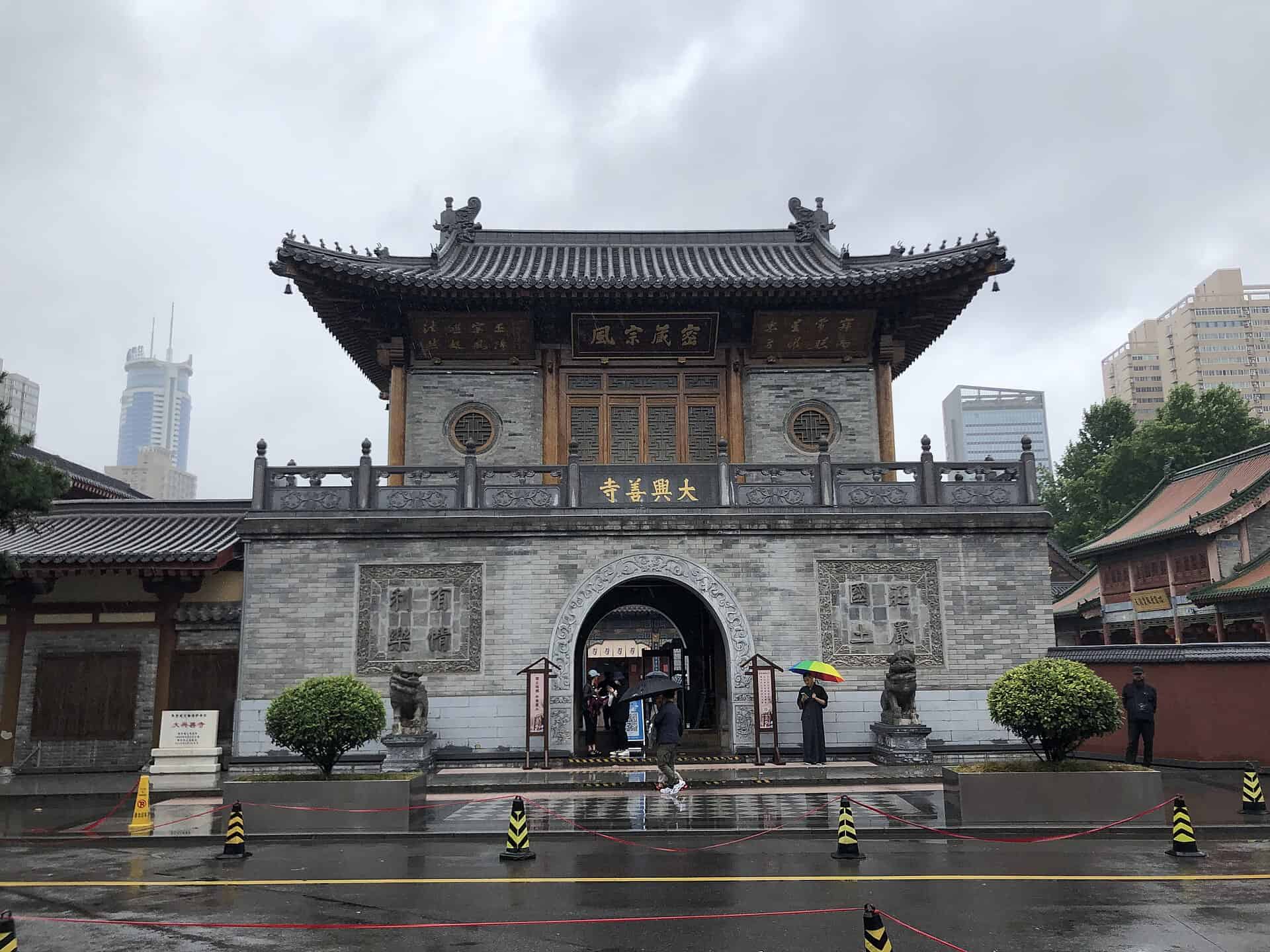
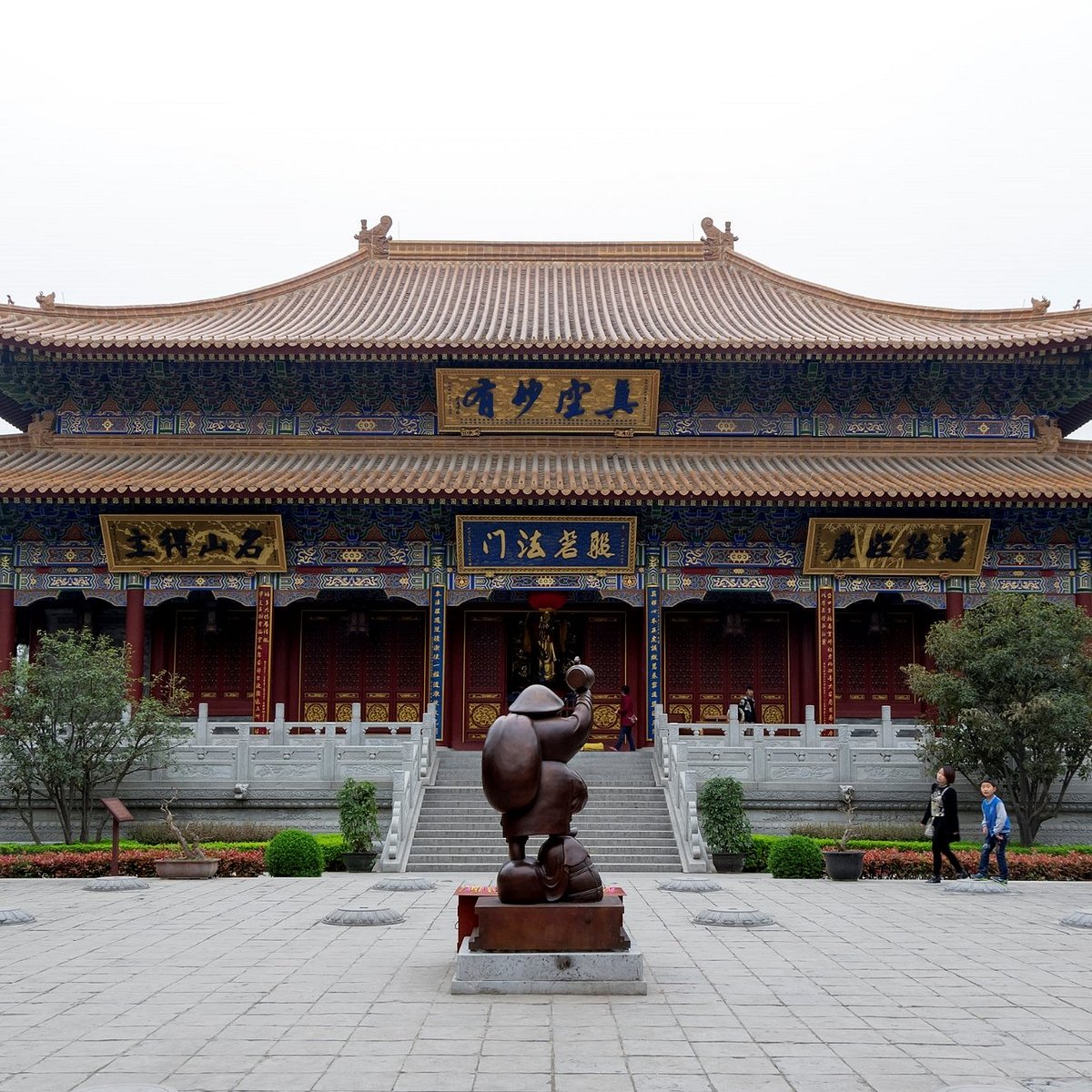
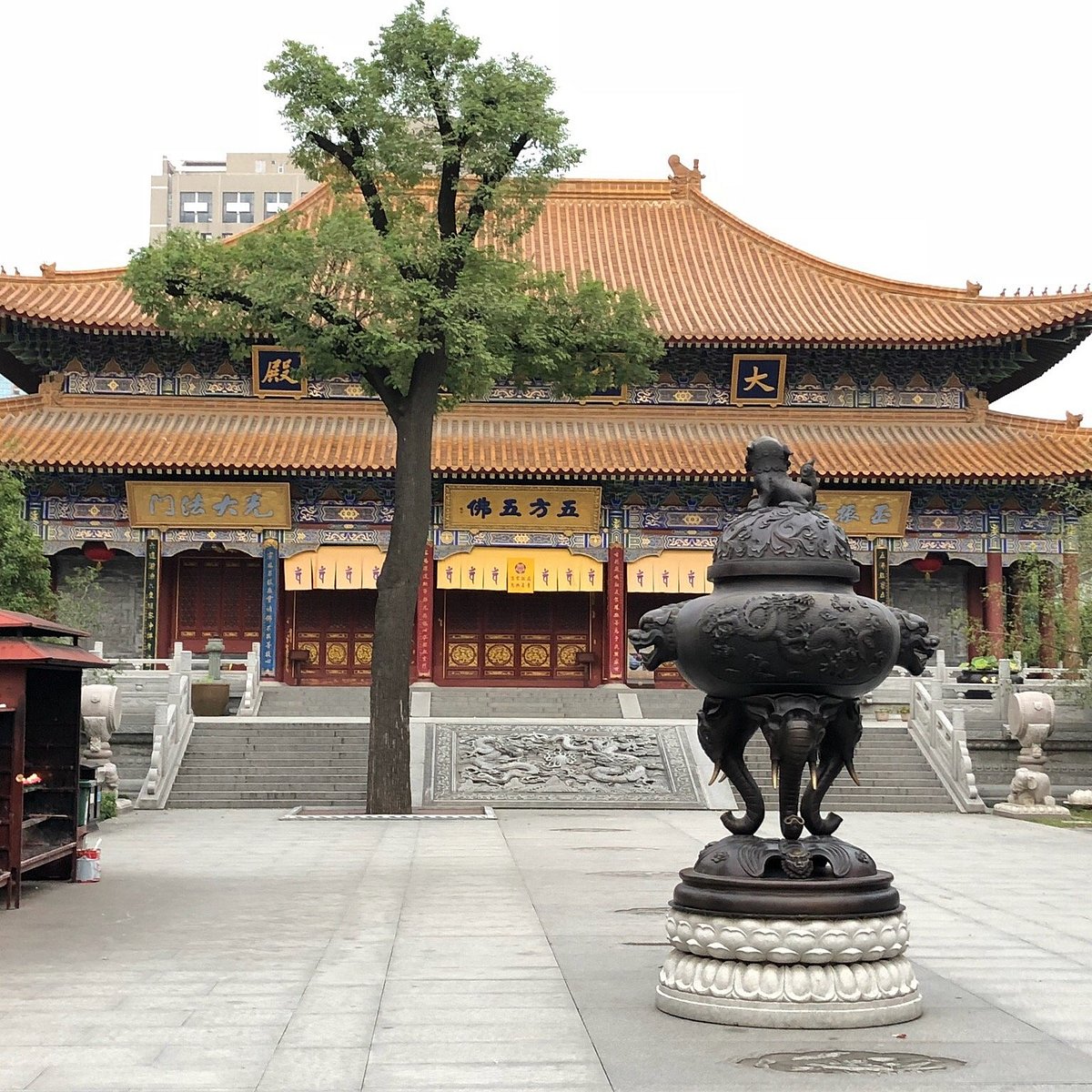
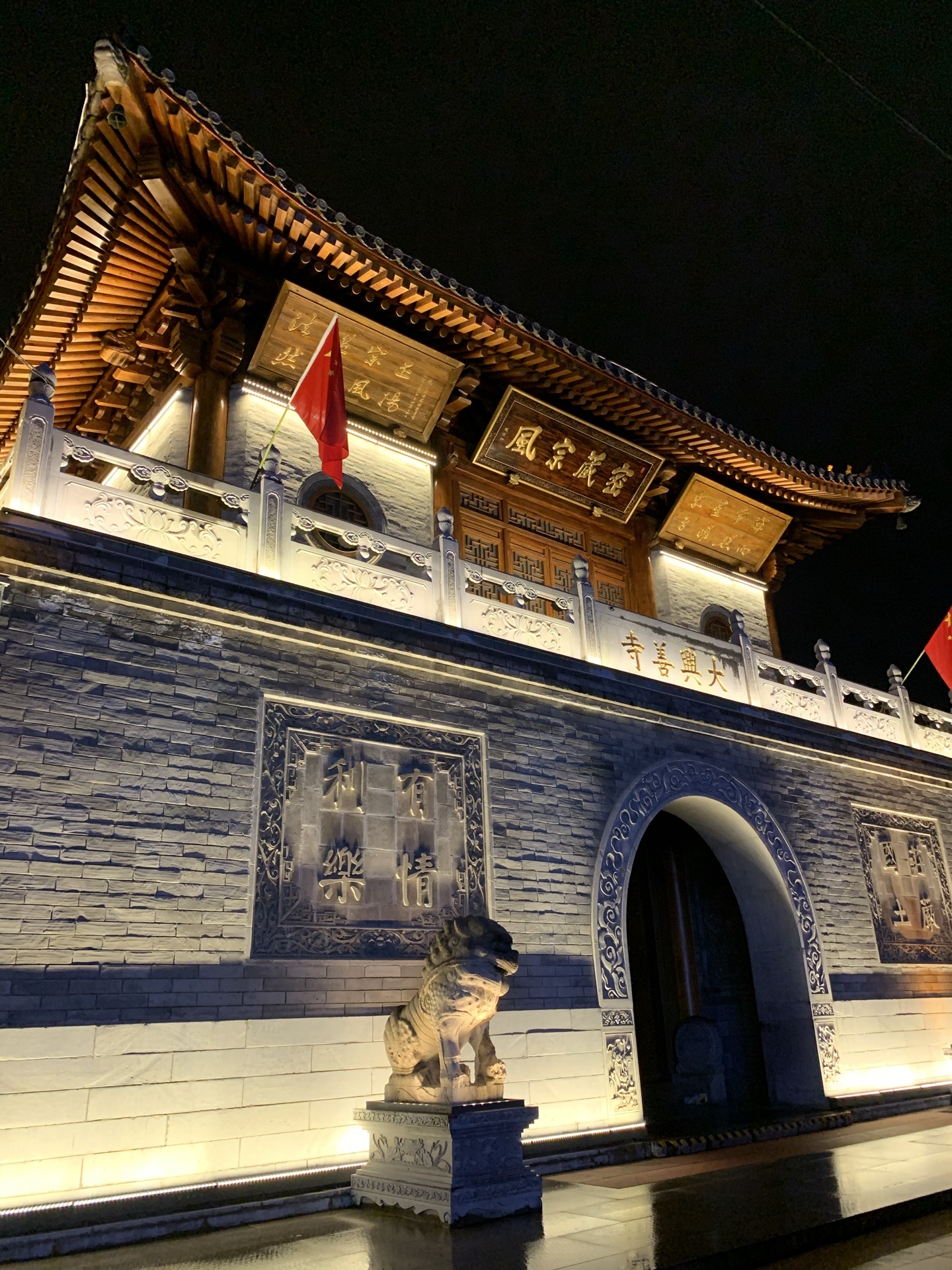
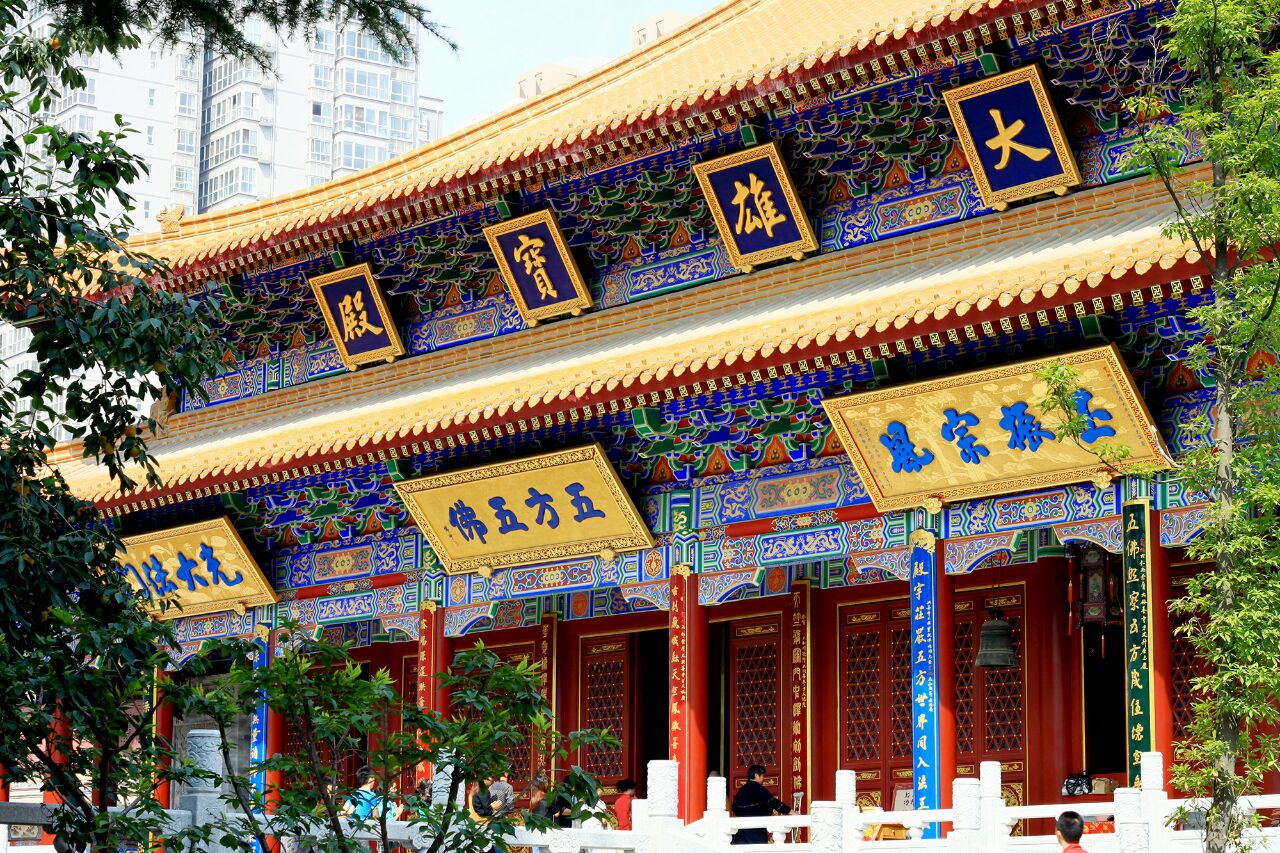
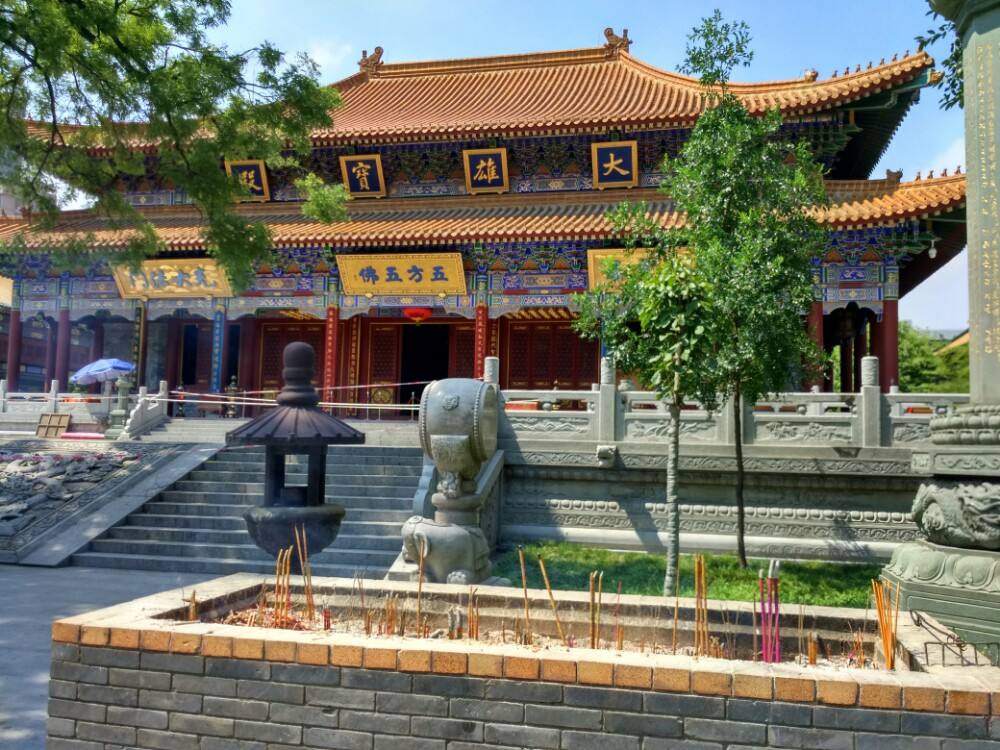
Visitors enter through a sequence of Ming-style halls arranged along a central axis, their golden interiors housing towering Buddha images and a radiant thousand-hands Guanyin in the Great Mercy Hall. The atmosphere is wonderfully alive: monks chant at fixed hours in the morning, free incense drifts from the braziers, and courtyard prayer wheels invite a slow, meditative circuit. Behind the main halls, among ancient cypresses, stands the memorial pagoda holding relics of Amoghavajra himself. An unexpected delight is the temple's resident cat colony, fed by the monks and adored by visitors as they lounge beside the incense burners — a small, charming signature of this genuinely working monastery rather than a packaged tourist attraction.
Today, Daxingshan remains a functioning temple open daily from 8:00 to 17:00, with last entry around 16:30 — notably including Mondays, when most museums close, making it a reliable stop on any Xi'an itinerary. A bronze Ksitigarbha statue gifted by a Japanese Shingon fellowship in 1985 still testifies to the temple's living international bonds. Step out of the gate and you are instantly back in the buzz of Xiaozhai, Xi'an's busiest youth shopping quarter, full of malls, street food, and student energy. That dramatic contrast — centuries of stillness beside modern commerce — is precisely the temple's charm, and it makes an easy half-day pairing with the Shaanxi History Museum and the Big Wild Goose Pagoda nearby.
Highlights
Cradle of Esoteric Buddhism
The Tang seat of Amoghavajra, whose translations made this the fountainhead of Chinese Mantrayana; the lineage spread via Kukai to Japan as Shingon.
Kukai's Legacy
A Japanese Shingon fellowship gifted the temple's bronze Ksitigarbha statue in 1985, honoring Kukai's studies here — a tangible Japan-China Buddhist bond.
The Great Mercy Hall
The golden thousand-hands Guanyin and towering Buddha images in the sequence of Ming-style halls along the axis.
Temple Cats
The resident cat colony, fed by monks and adored by visitors, lounges among the incense braziers — an unexpected delight.
Prayer Wheels & Relic Pagoda
Courtyard prayer wheels and the memorial pagoda of Amoghavajra's relics among ancient cypresses behind the main halls.
Oasis Beside Xiaozhai
Step out the gate and you're in Xi'an's busiest youth shopping quarter — the contrast is the charm.
Photo Gallery
Comments