 Travel in China
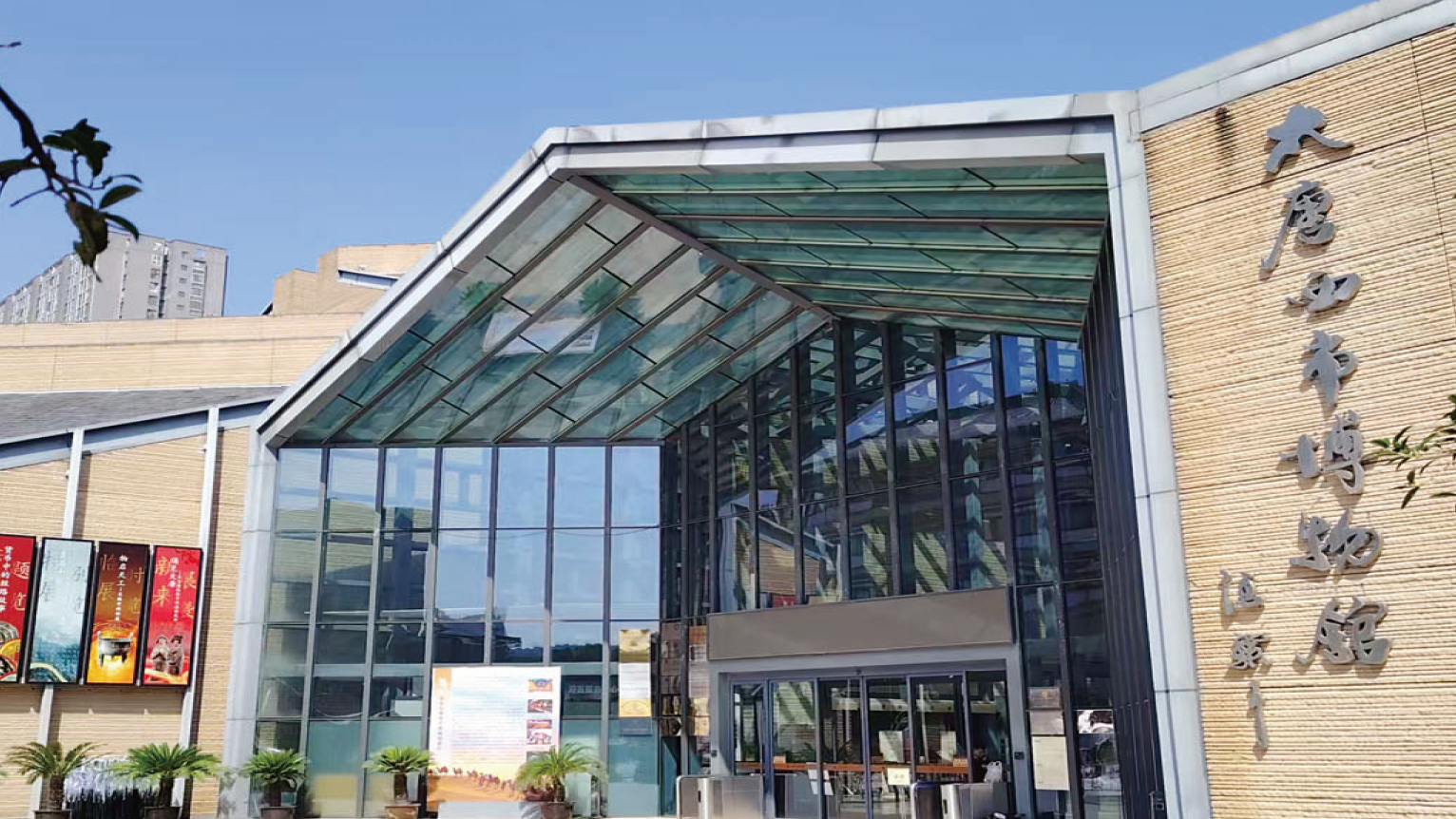
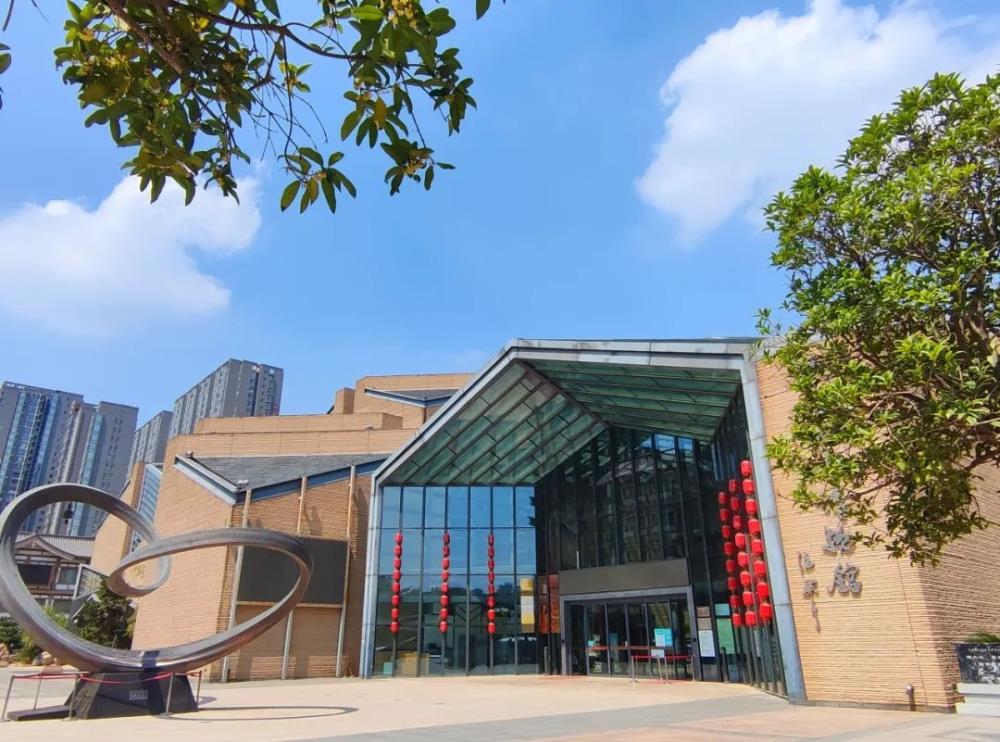
On the buried crossroads of Tang Chang'an's West Market — the Silk Road's actual eastern terminus, where Sogdian and Persian merchants traded 1,300 years ago — the Datang West Market complex recreates a Tang-style commercial quarter of squares, arcades and lantern-lit lanes, with the brilliant ruins museum at its core. Inside, you walk over glass bridges above the genuine excavated road ruts and drainage channels of the original market streets, then climb to galleries of Silk Road coins and Sui-Tang artefacts. Shopping, a themed hotel and a weekend antiques bazaar complete the day.
Dive deeper: full travel guide · transport & map · where to stay & book
Beneath the modern streets of Xi'an lies one of the most consequential commercial sites in medieval history: the West Market of Tang Chang'an, the documented eastern terminus of the Silk Road. Established in 582 CE when the Sui dynasty laid out its new capital, the market reached its zenith under the Tang (618–907), when Chang'an was the largest city on earth. Within its walls, merchants from some forty-eight recorded trade nations — Sogdians, Persians, Central Asians and beyond — exchanged silk, spices, horses, silver and ideas. Excavations beginning in 2006 revealed the market's stone-paved crossroads, cart ruts and drainage channels, and in 2010 the Datang West Market Museum opened directly atop the ruins, surrounded by a recreated Tang-style commercial quarter.
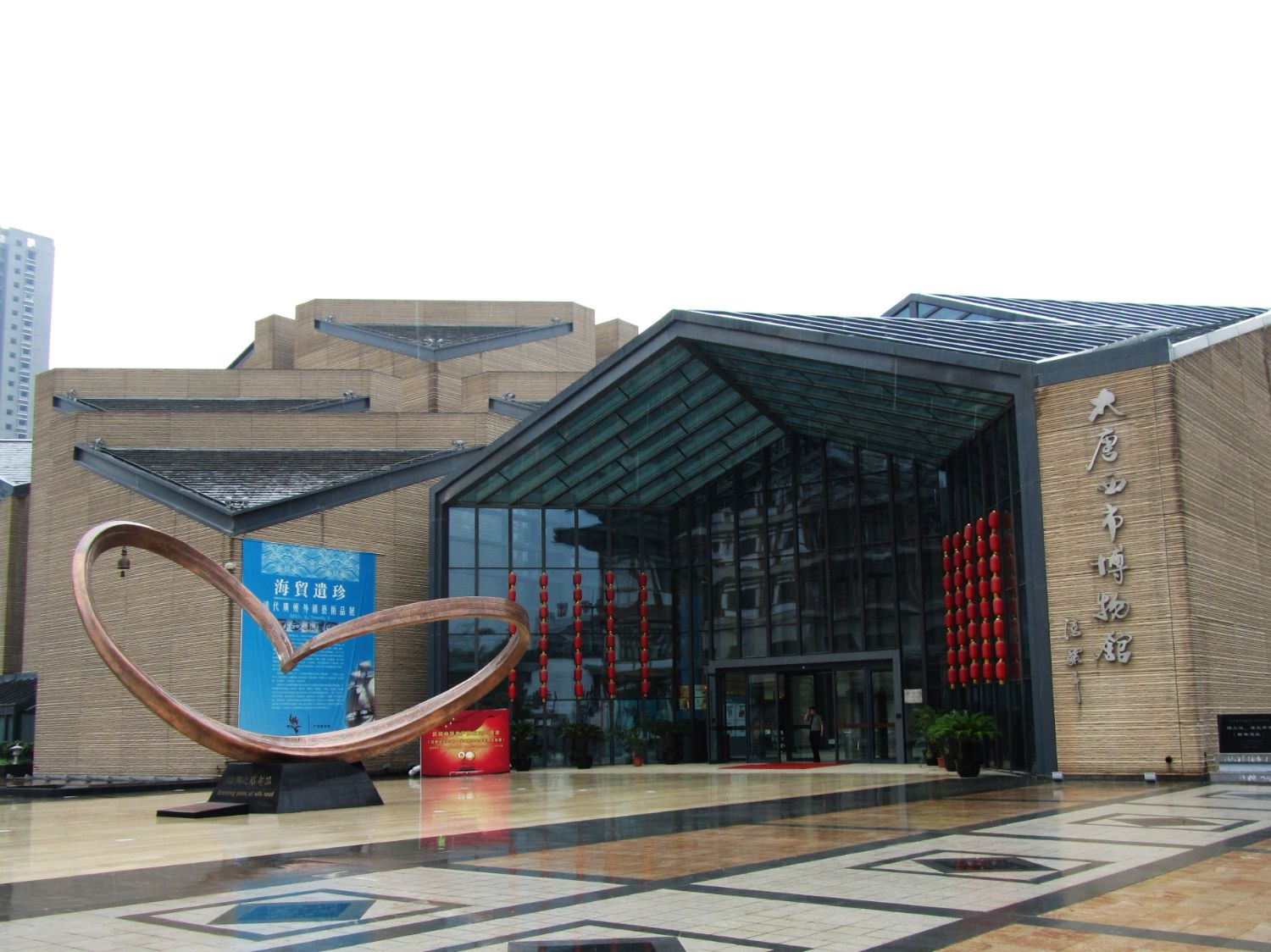
The visitor experience is unusually direct: this is one of the few places in China where you literally walk above genuine archaeology. The museum's centrepiece is the excavated Tang-era crossroads — a sixteen-metre stone road scored by deep cart ruts, with original drainage channels visible from suspended glass bridges. One floor down, a recreated Tang shopping street continues the theme, its glass floors keeping the buried archaeology underfoot as the star attraction. Upper galleries hold more than 20,000 artefacts, including Persian and Sogdian coins, trade contracts, tri-colour glazed figurines, and the fabulously rare Wang Mang gold denomination coin. Outside, grey-brick arcades, a drum-tower square and lantern-lit lanes evoke the original market quarter, completed by shops, a themed hotel and a weekend antiques bazaar.
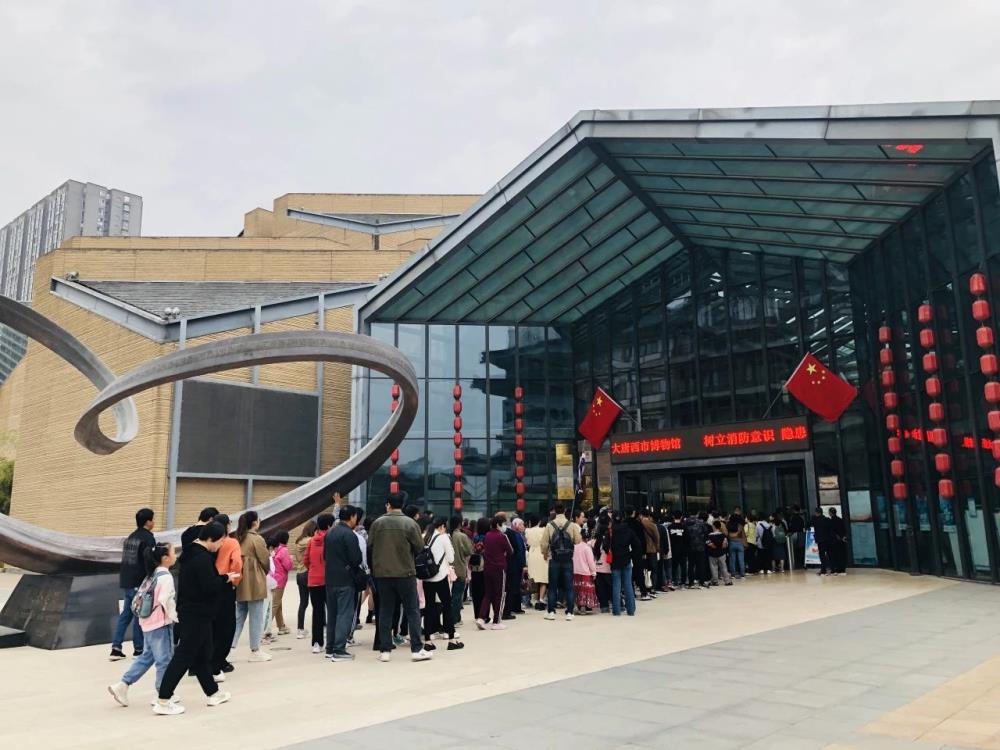
Today the Datang West Market functions as both museum and living district, welcoming well over a million visitors annually and anchoring a broader revival of Tang heritage across Xi'an — a city that already treasures the Big Wild Goose Pagoda, the City Wall and the Terracotta Warriors. The museum operates daily except Mondays (9:00–18:00 in the April-to-mid-October peak, 9:00–17:30 off-season; ticket sales close an hour before), while the outdoor market streets stay open later. Practical, atmospheric and historically rigorous in equal measure, it offers something the city's other landmarks cannot: the chance to stand on the very stones where the Silk Road began, in the heart of a modern metropolis that grew around it.
Highlights
The Excavated Crossroads
The museum's centrepiece: the actual Tang-era crossroads beneath your feet — 16-metre stone road, deep cart ruts and Tang drainage, seen from suspended glass walkways.
Silk Road's Eastern Starting Point
Galleries establish this market as the documented eastern terminus of the Silk Road: Sogdian contracts, Persian coins and artefacts of the 48 trade nations.
Sui-Tang Artefact Collection
20,000+ items including the fabulously rare Wang Mang gold denomination coin and cases of tri-colour figurines.
The 'Living Time-Travel' Ruins
One floor down you stand in a Tang shopping street; the glass floors make the archaeology underfoot the star.
Tang-Style Market Complex
Outside, grey-brick arcades, a drum-tower square and lantern streets; weekend ground-floor antiques bazaar.
Themed Cultural Shop
The museum's gift line includes silk-road coin models in Chinese/English/Russian packaging — genuinely good souvenirs.
Photo Gallery
Comments