 Travel in China
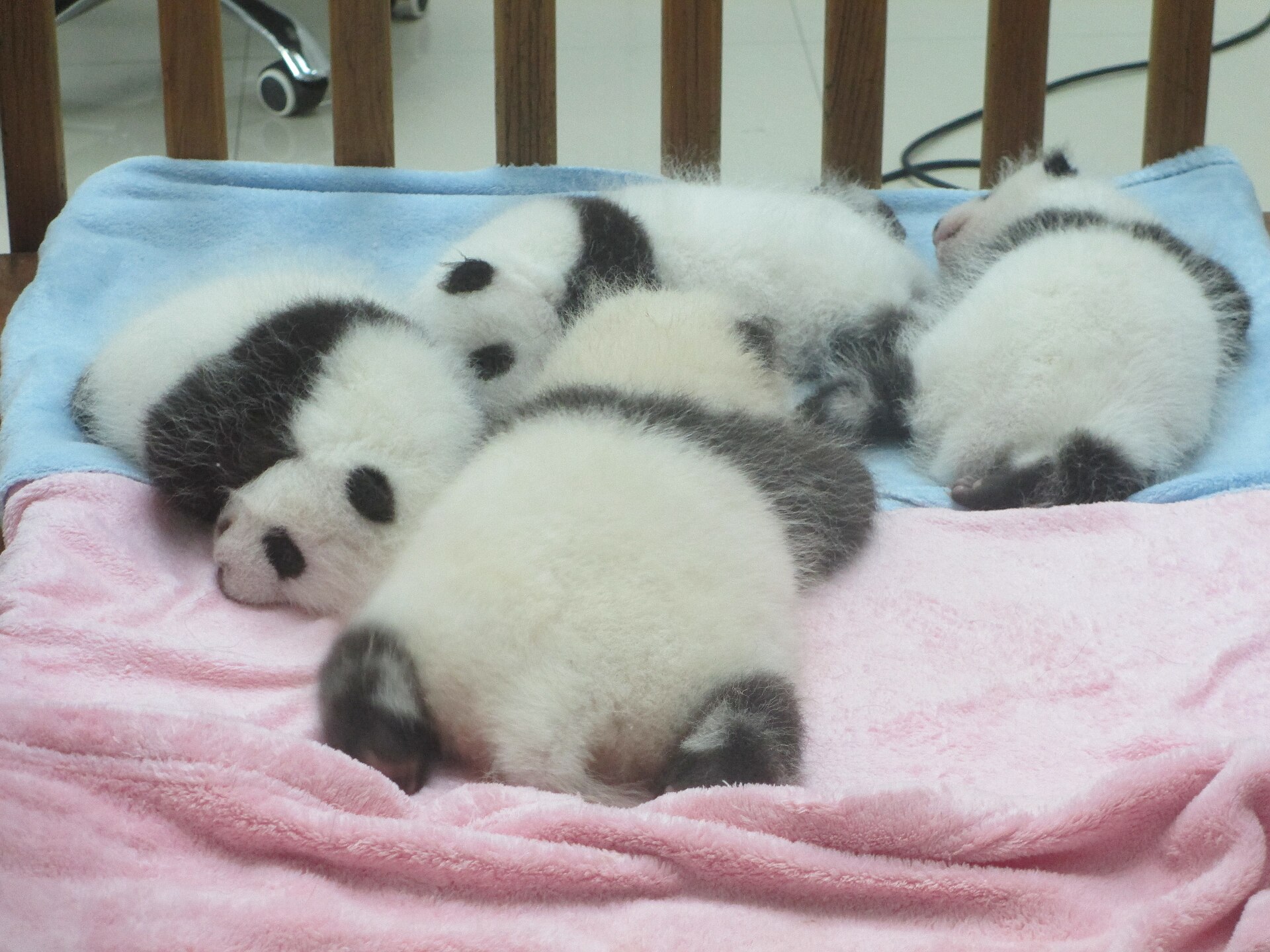
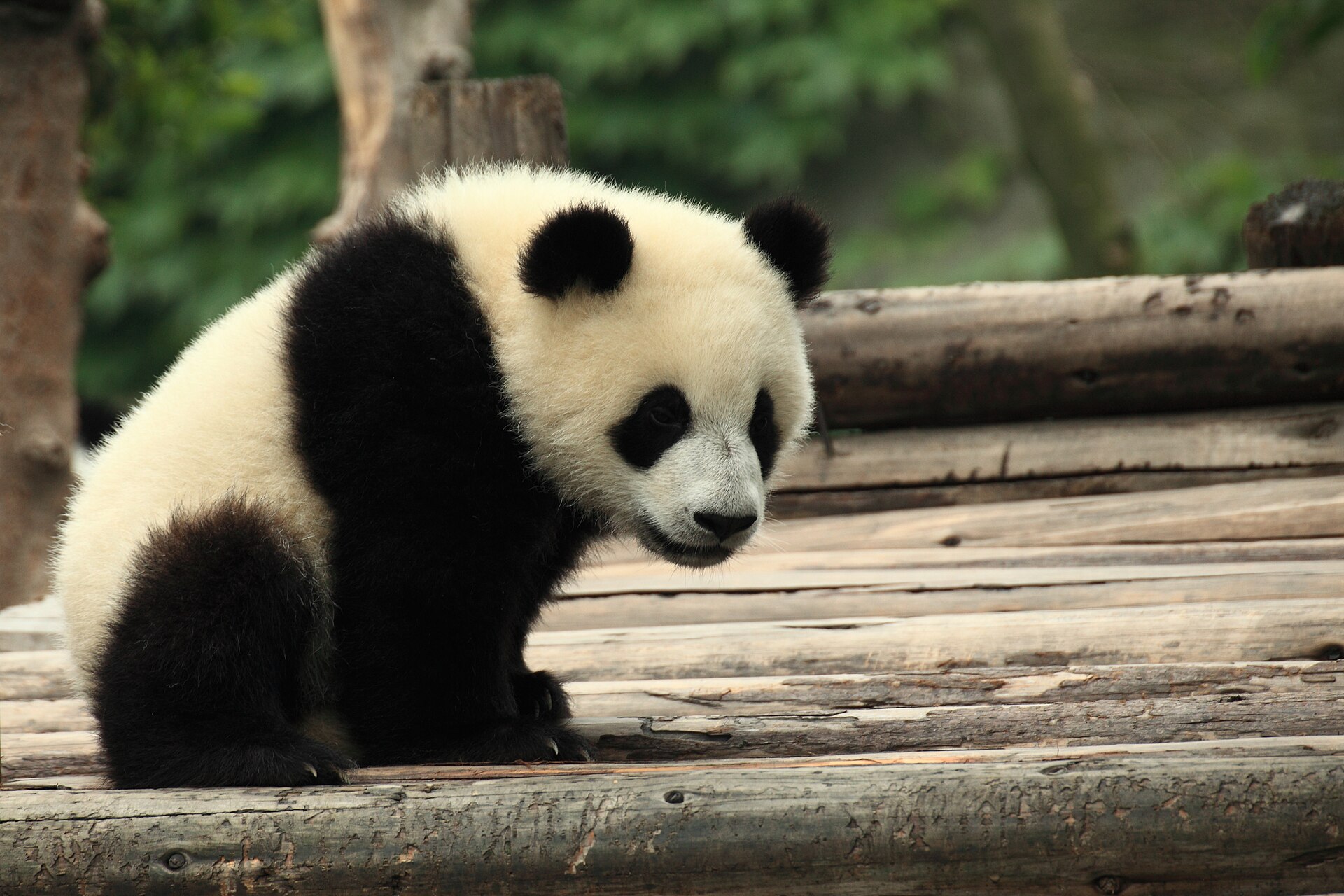
The world's most successful giant panda nursery - 238 hectares of bamboo grove where more than 270 pandas tumble, climb and doze.
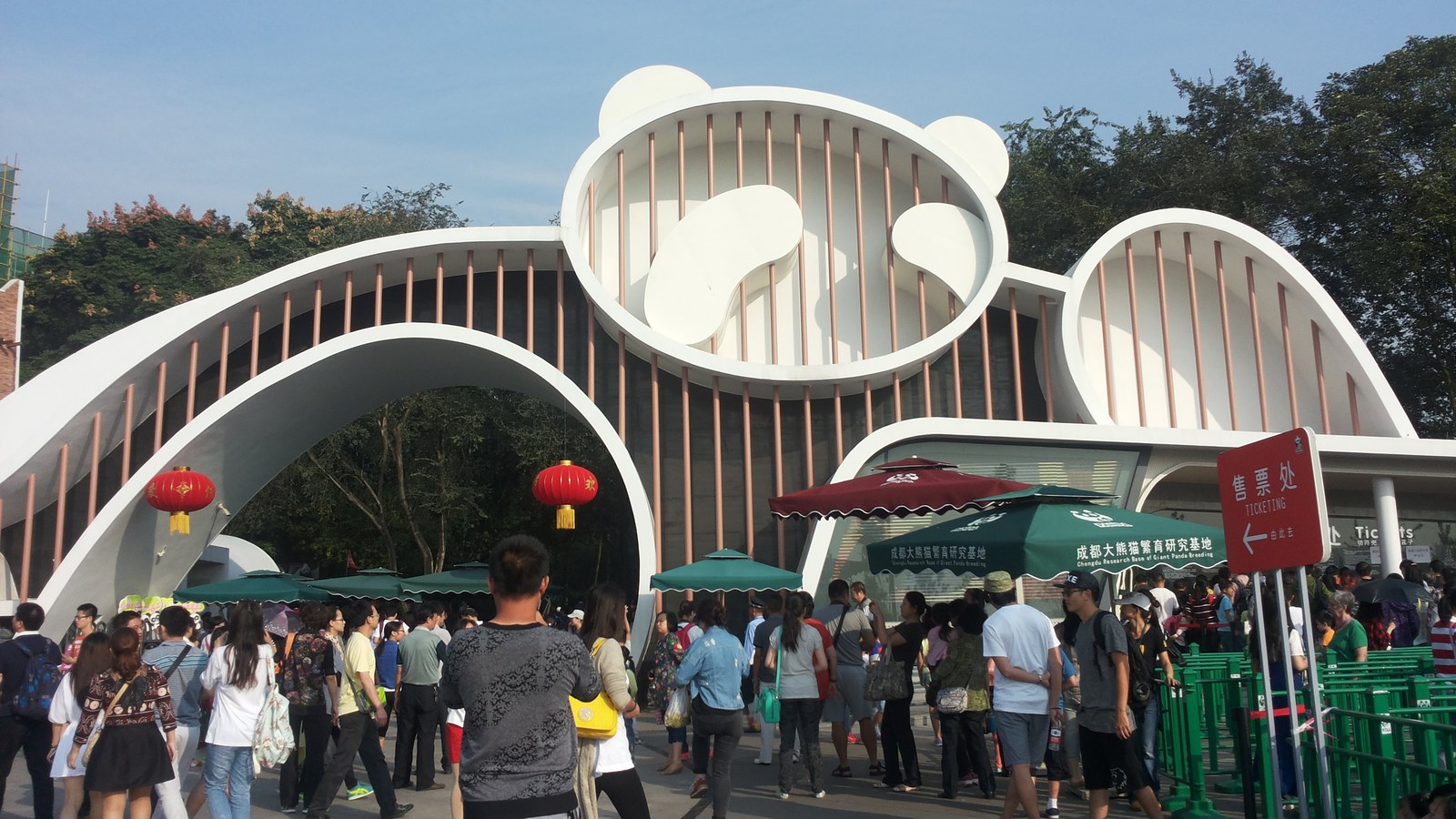
The Chengdu Research Base of Giant Panda Breeding was founded in 1987 with six rescued pandas. Today it is home to more than 270 giant pandas across 238 hectares of bamboo grove, making it the most successful captive-breeding programme for the species in the world. The base is also home to red pandas, which roam semi-freely in an open enclosure.
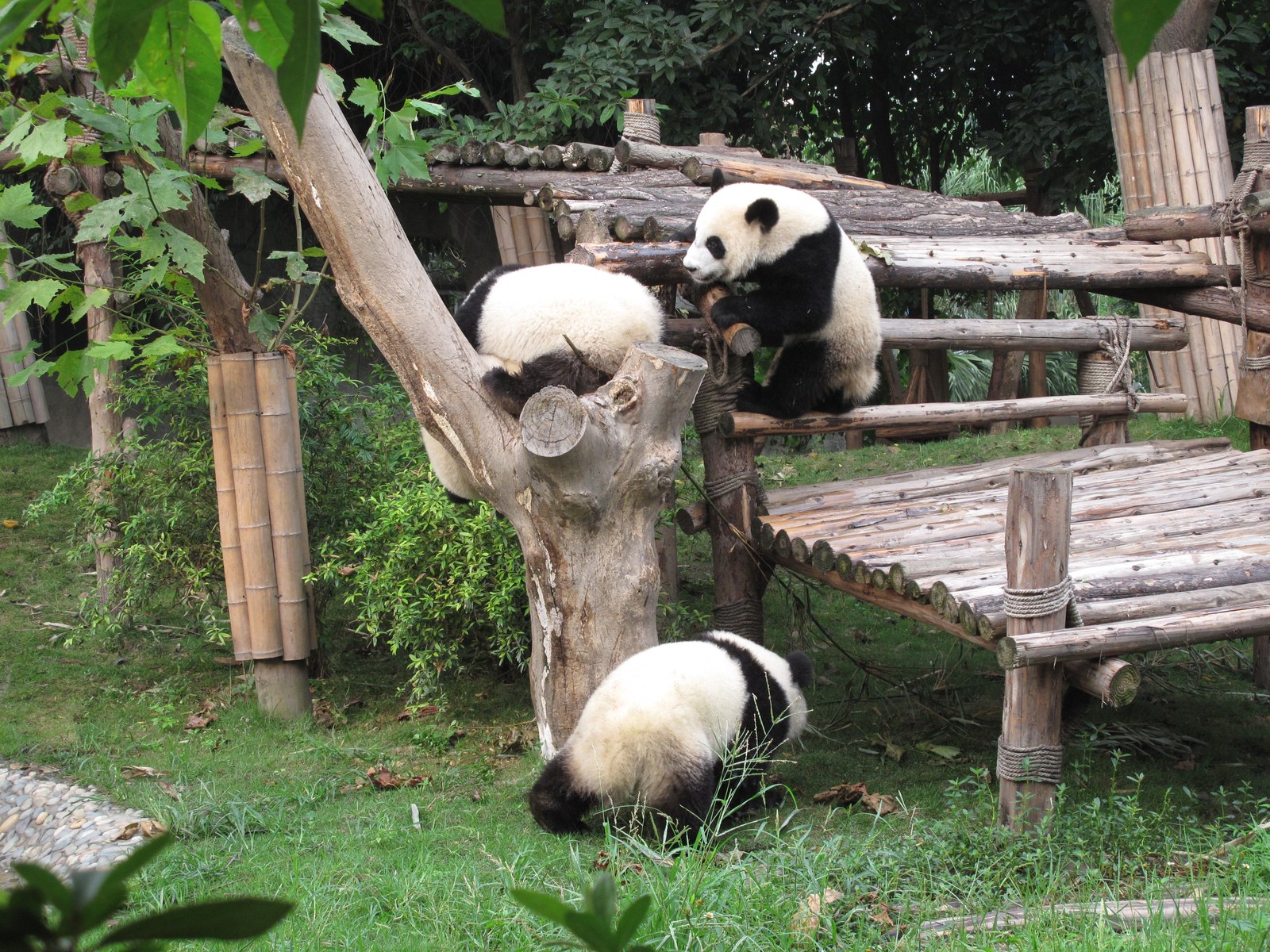
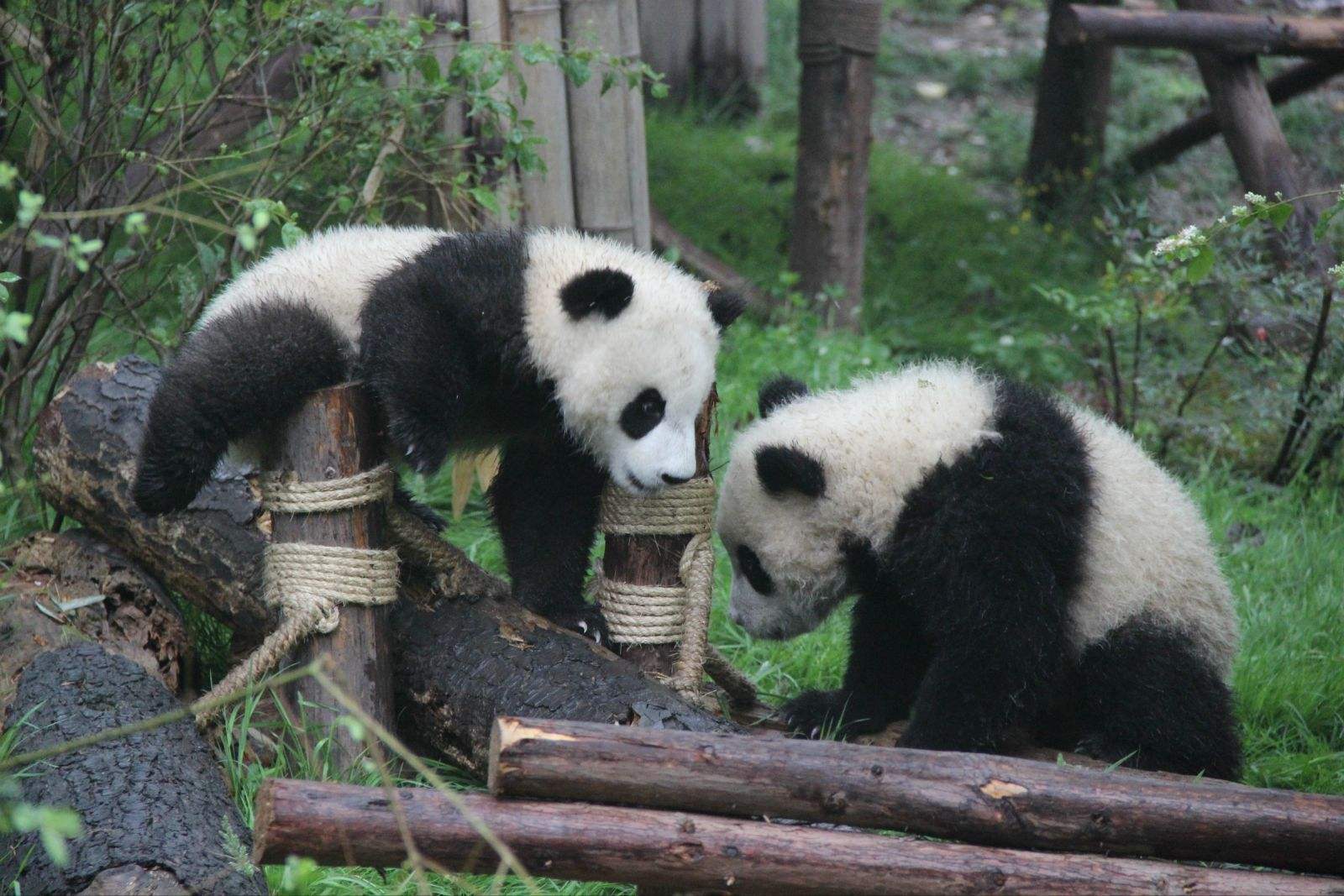
The pandas are most active during the morning feeding (07:30-09:30), when the cubs tumble over each other for bamboo shoots and the adults break from their 14-hour daily sleep schedule. By late morning, most pandas are dozing in the trees, and the experience changes from 'adorable playtime' to 'sleeping fur ball photography'.
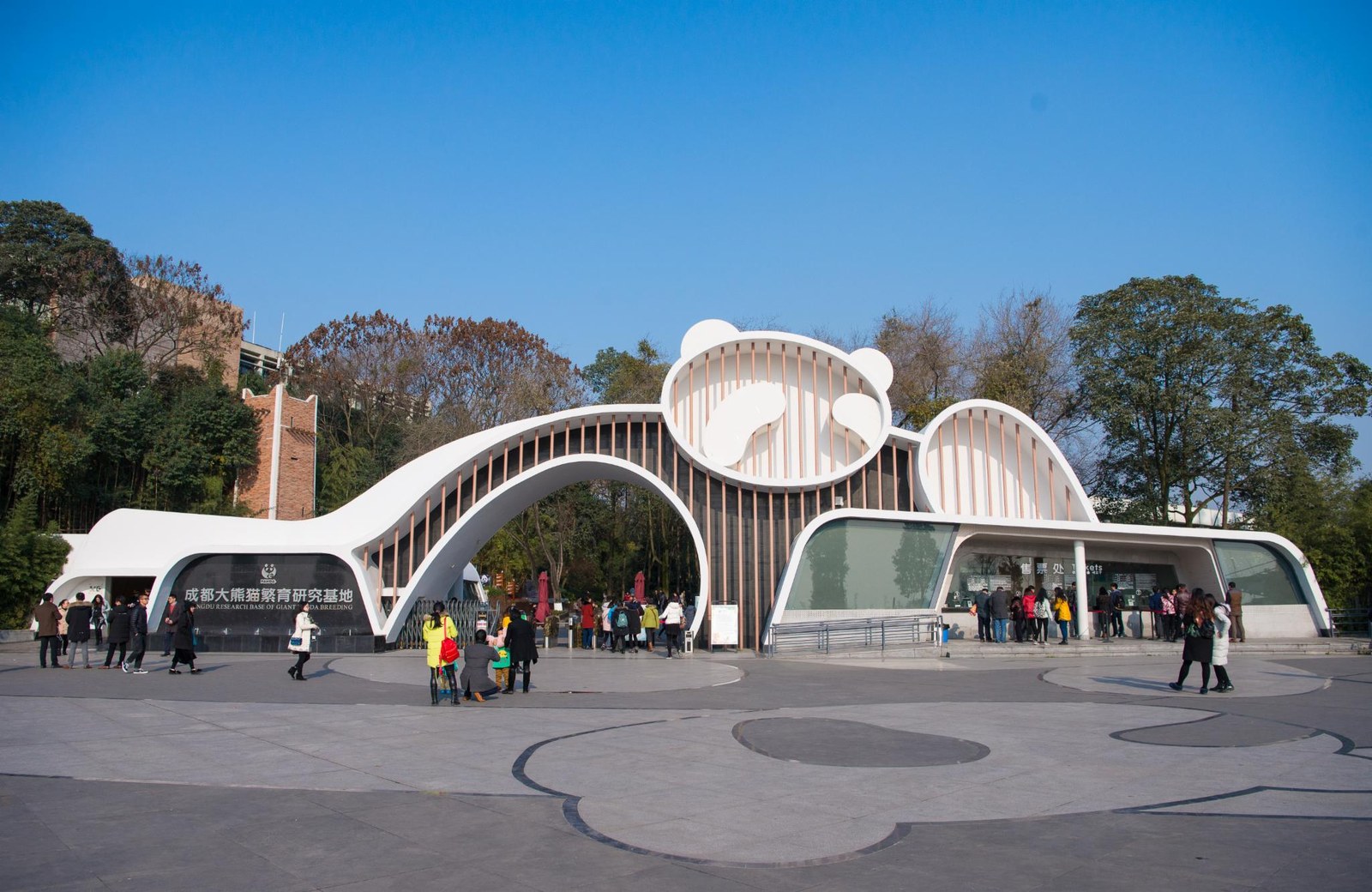
The base is 10 km from central Chengdu. Its layout mimics the pandas' natural habitat - bamboo forest, streams and hollow logs - with raised walkways and glass viewing areas allowing close observation. The museum at the entrance explains the breeding programme and conservation science.
Highlights
The Panda Cubs
The nursery and young-panda enclosures where cubs tumble and wrestle - the most adorable sight in China.
The Red Panda Enclosure
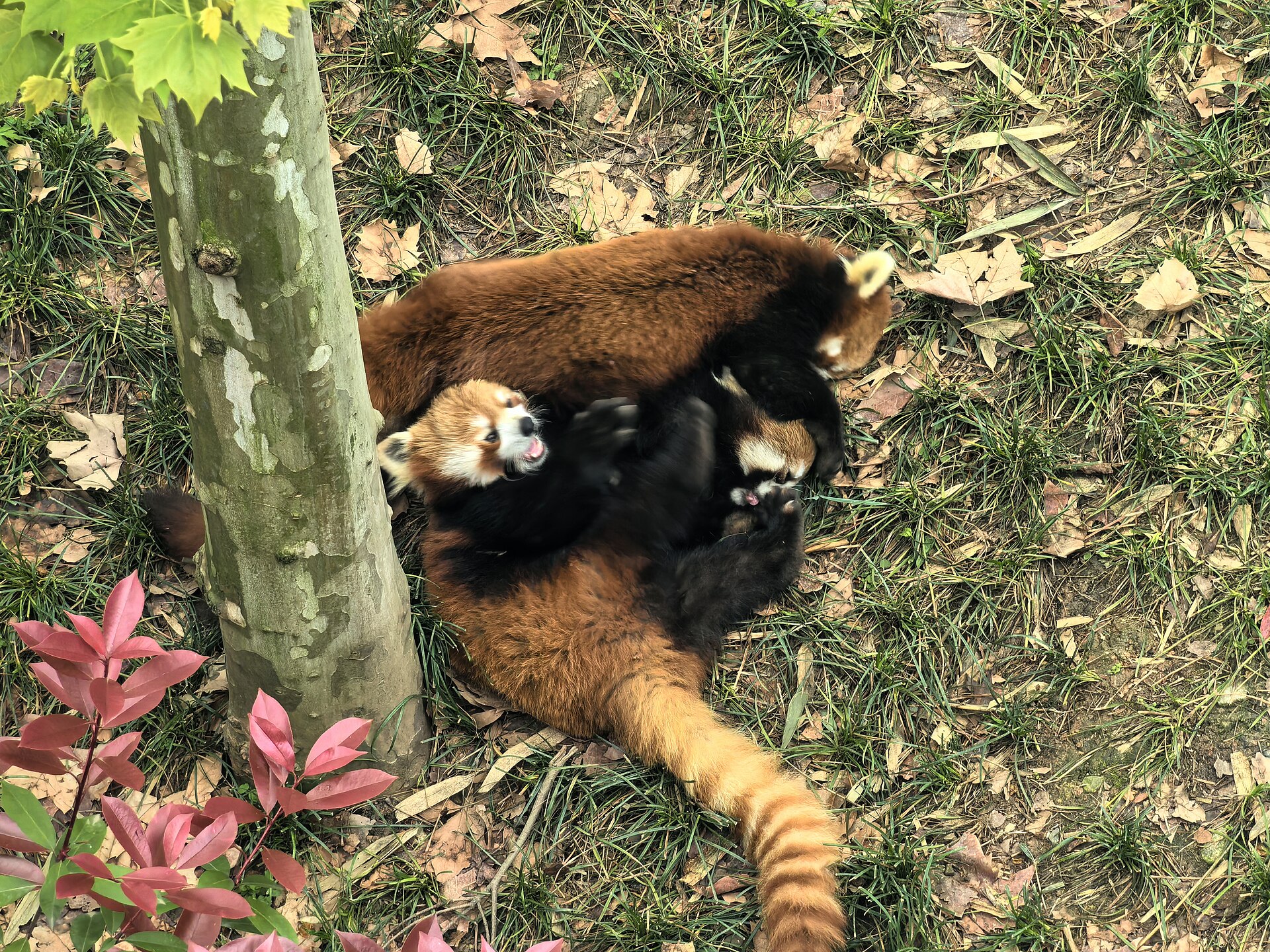
An open-range area where red pandas cross the walkways at close range.
Morning Feeding
07:30-09:30 when pandas are most active - bamboo shoots, climbing and play-fighting.
The Moon Nursery
The newborn nursery where infant pandas are hand-raised in incubators.
The Bamboo Forest Walkways
Elevated walkways through the grove with glass-floor viewing of pandas below.
The Panda Museum
Exhibits on panda biology, conservation and the breeding programme.
Photo Gallery
Comments