 Travel in China
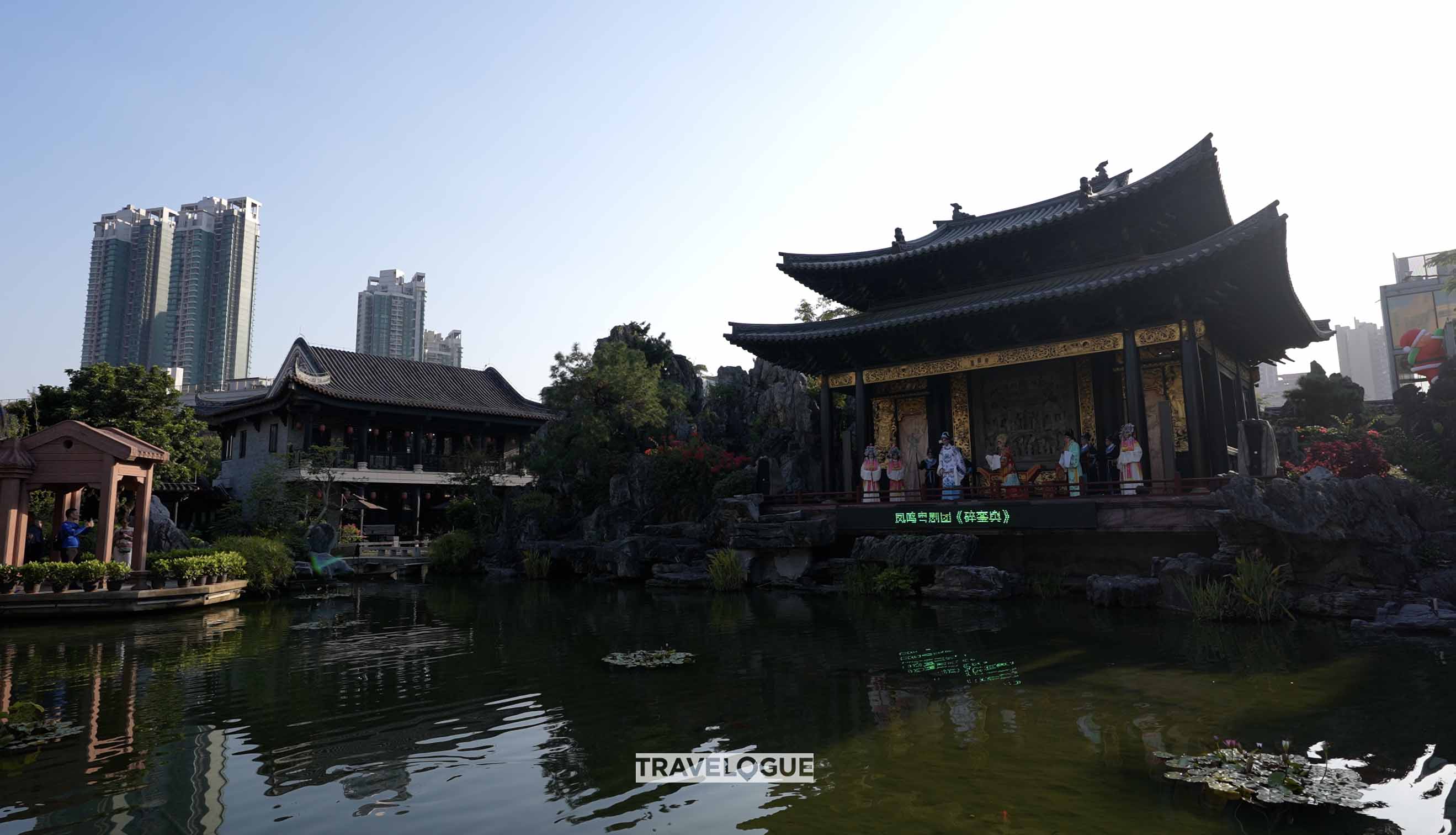
Behind the restored shopfronts of Enning Road, a modern museum wears the costume of a Lingnan water garden: arched bridges over a green pond, a full-timber waterside opera stage, and galleries of embroidered gowns, horse-head fiddles and the crimson 'red boat' that once ferried opera troupes between delta towns. Cantonese opera was inscribed by UNESCO in 2009, and this — opened 2016, open nightly until 21:00, free — is its home stage. Book by phone if the app rejects your passport.
Dive deeper: full travel guide · transport & map · where to stay & book
Cantonese opera entered UNESCO's representative list of intangible cultural heritage in 2009, and Guangzhou answered with a purpose-built home: opened on 9 June 2016 at the western end of Enning Road, the Cantonese Opera Art Museum spreads across 17,200 square metres and won China's Lu Ban construction prize the following year. The site was chosen with care — Liwan is the art's heartland, the district of guild halls and teahouses where amateur 'private clubs' still gather to play. The museum's remit is double: a serious archive of scores, costumes, instruments and recordings, and a living stage on which the tradition is performed rather than embalmed.
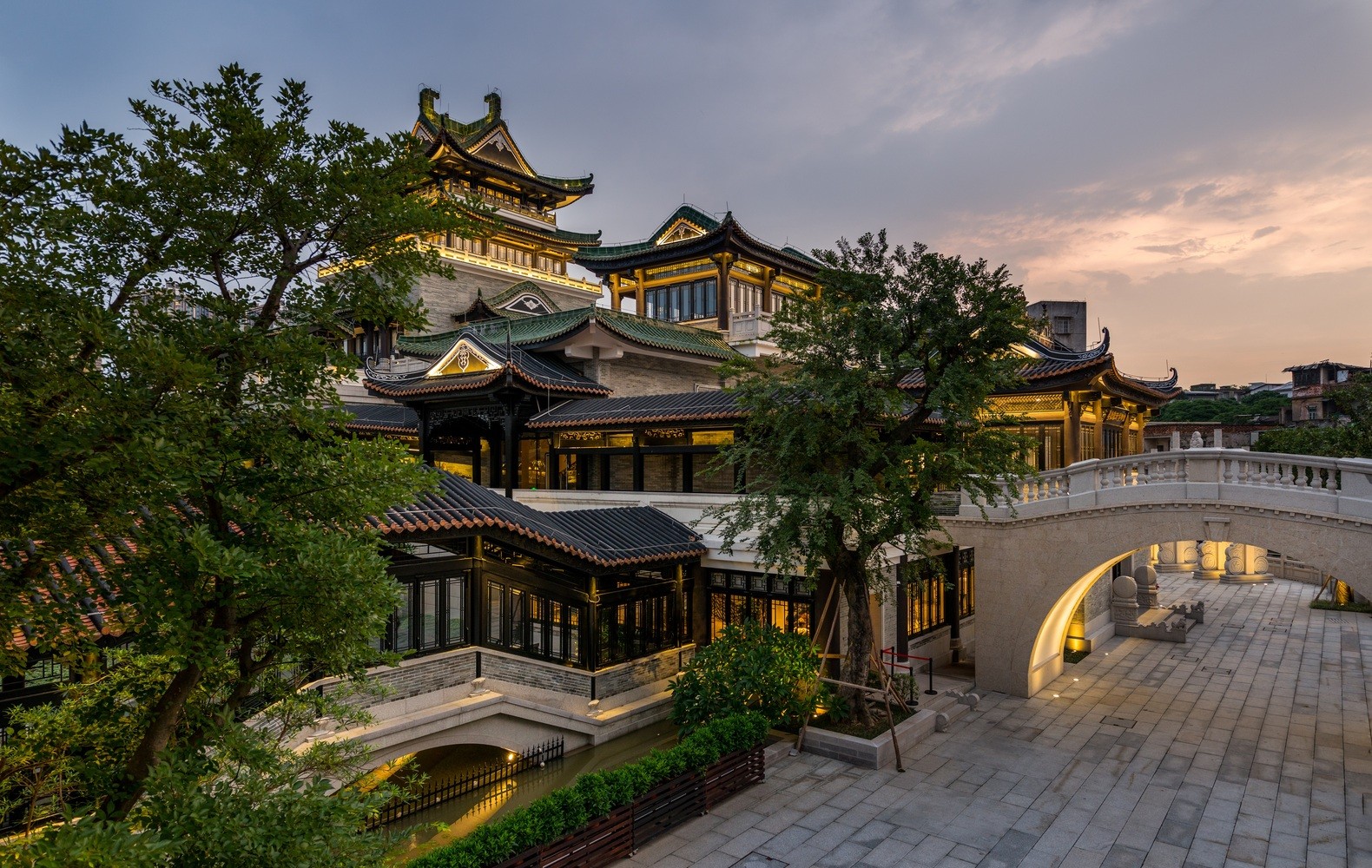
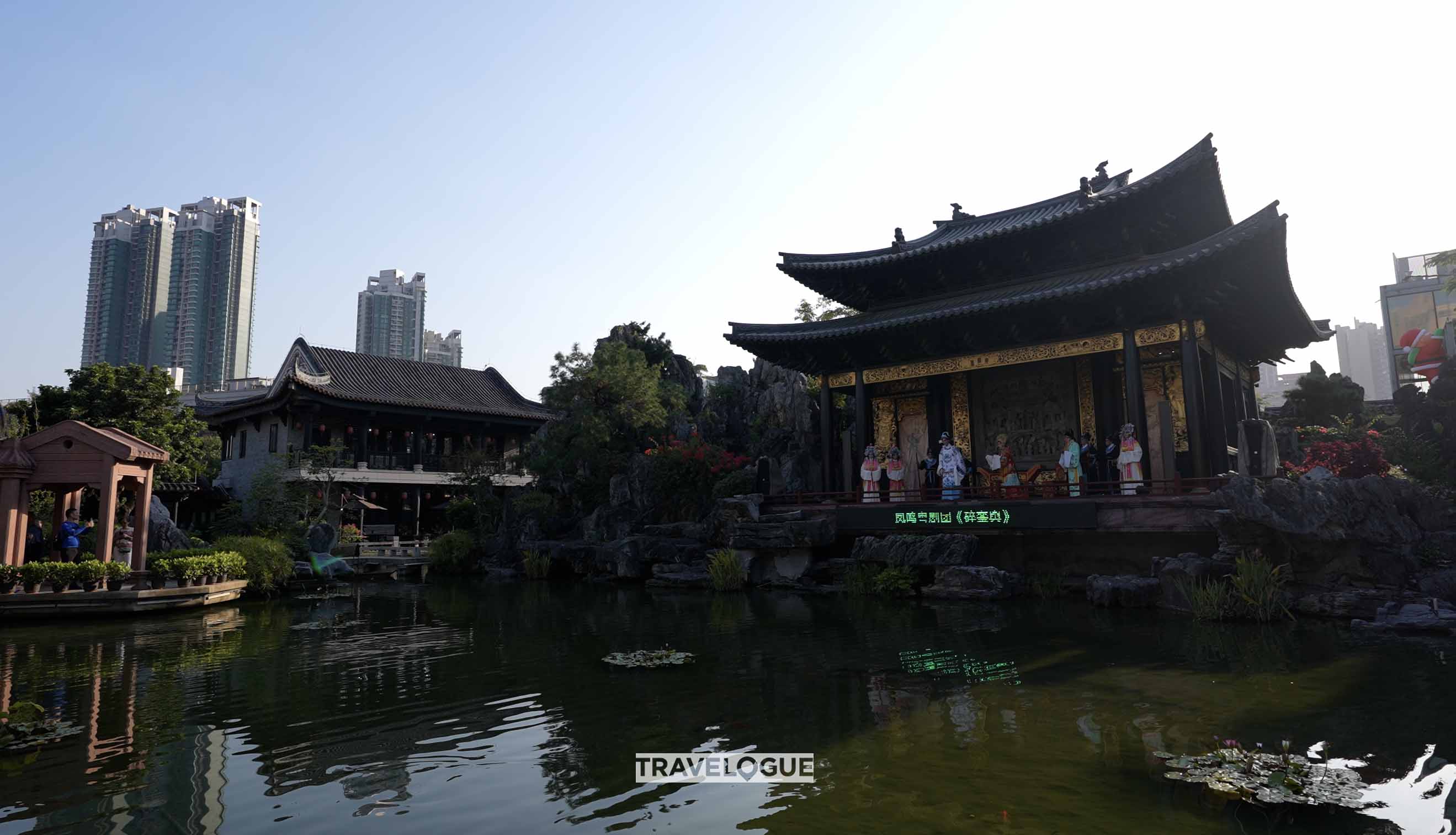
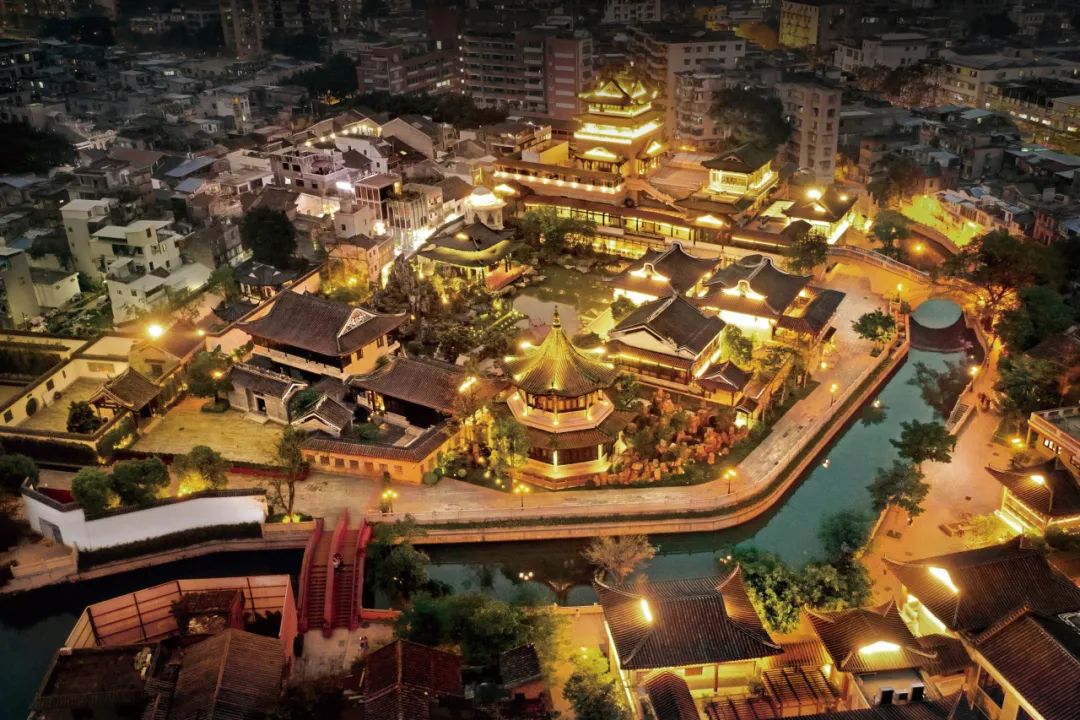
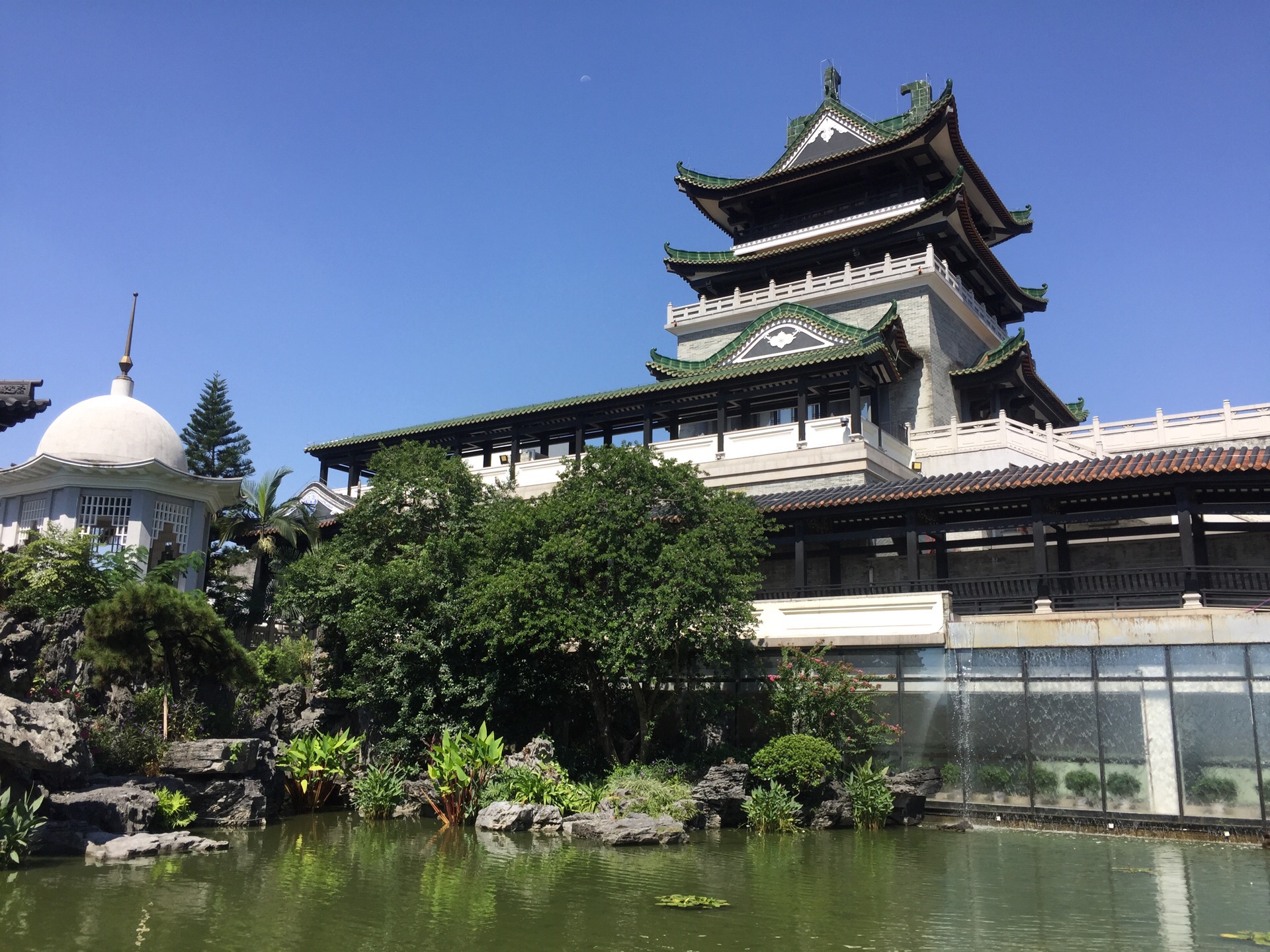
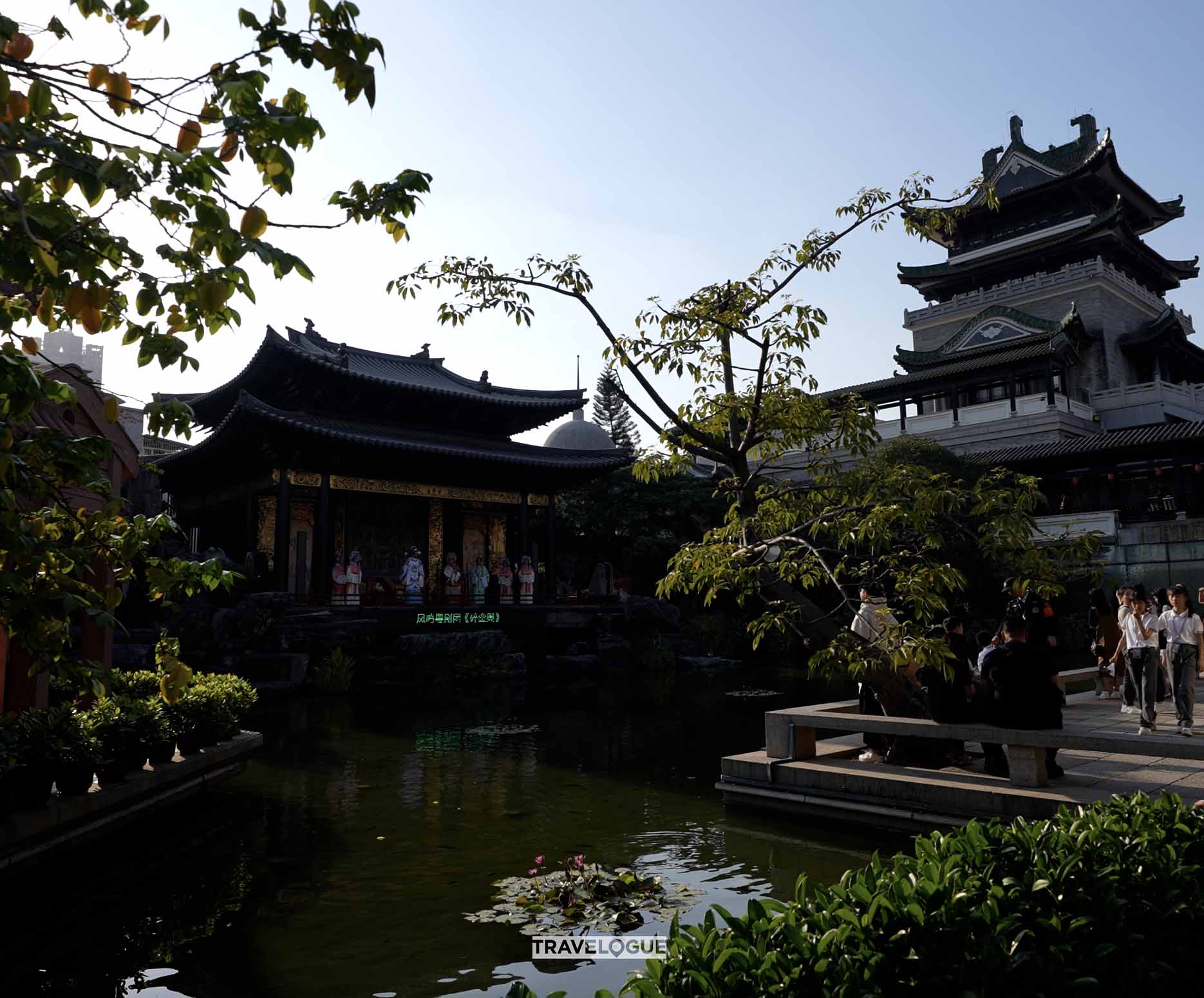
Architecturally the museum is a modern Lingnan water garden: a cross-axis layout of six courtyard compounds, crescent bridges reflected in the pond, and the Guangfu stage — a full-timber, gilded-detail performance platform built on the water's south bank in the old manner. The negative-floor galleries hold the permanent exhibition, from the five-metre crimson 'red boat' with its phantom-imagery theatre — a high-tech evocation of the vessels that ferried troupes between delta towns — to cases of sequin-embroidered gowns, horse-head fiddles and the history of the Bahe actors' guild. Above ground, the eaves display the 'three carvings and two sculptings' of Lingnan craft: wood, brick and stone carving, lime modelling and ceramic relief. On performance days, arias drift across the water and the garden becomes a theatre.
In 2026 the museum runs one of the city's friendliest schedules: 9:00-21:00 Tuesday to Sunday, last entry 20:30, closed Mondays — the night hours pairing naturally with the lantern-lit lanes of Yongqing Fang next door. Entry is free with reservation; foreigners who cannot navigate the booking mini-program can ring 020-81820016 with a passport number. The October 2026 National Day week added three extra performances on the Guangfu stage, and free weekend shows remain a fixture worth checking the museum's WeChat for. With the Liwan museums and Yongqing Fang around it, the old town now assembles a 'golden triangle' of heritage — and this garden, after dark, is its most atmospheric corner.
Highlights
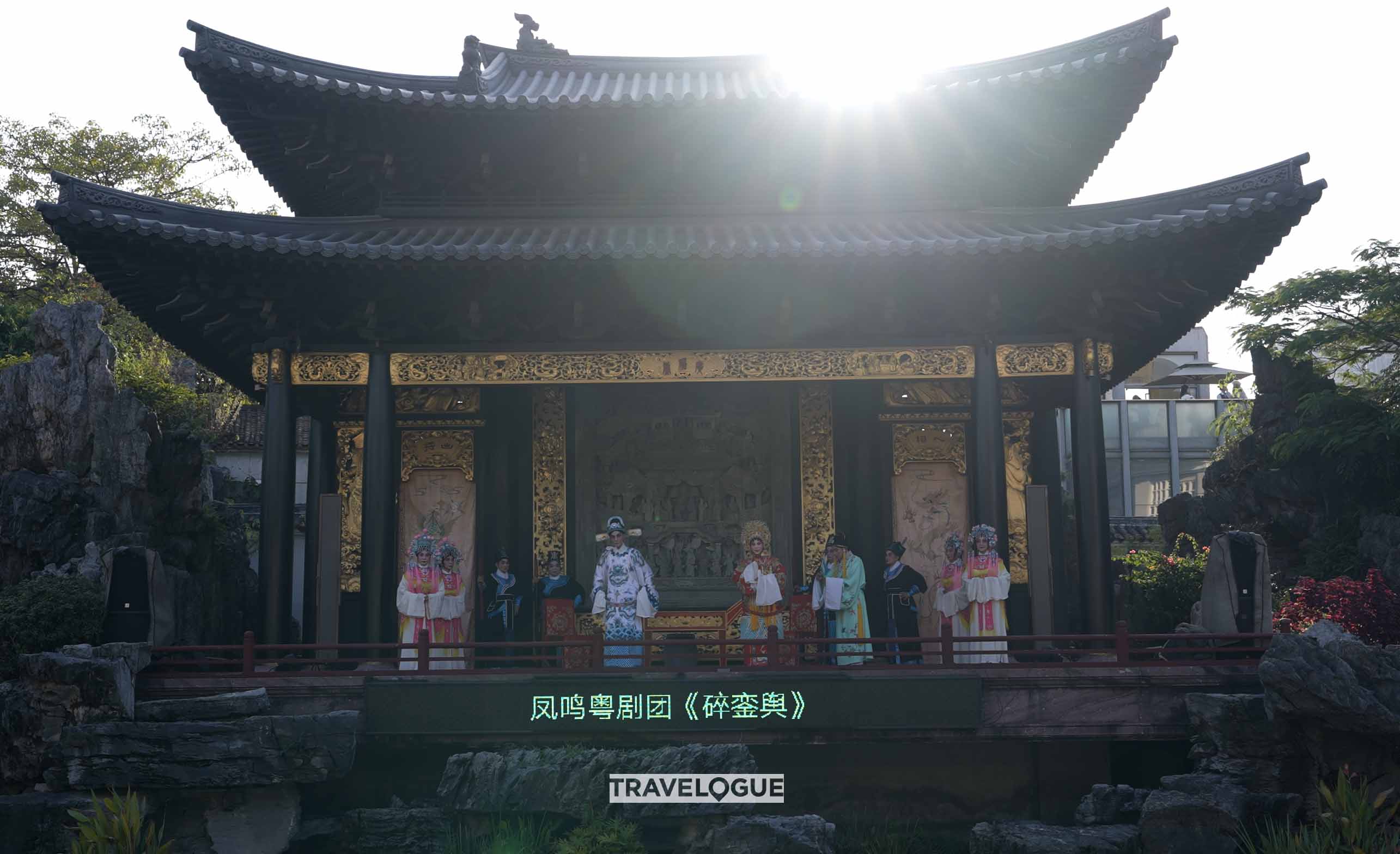
Guangfu Waterside Stage
The museum's heart: a full-timber traditional stage on the pond's south bank, where free opera performances are still held.
Red Boat Phantom Theatre
A five-metre crimson boat and projection show recreate the floating theatres that once carried troupes through the delta.
'Three Carvings, Two Sculptings'
Wood, brick and stone carving plus lime and ceramic relief across the eaves, screens and walls — Lingnan craft at full volume.
Costume & Instrument Halls
Sequin-embroidered opera gowns, horse-head fiddles and gongs in the negative-floor galleries.
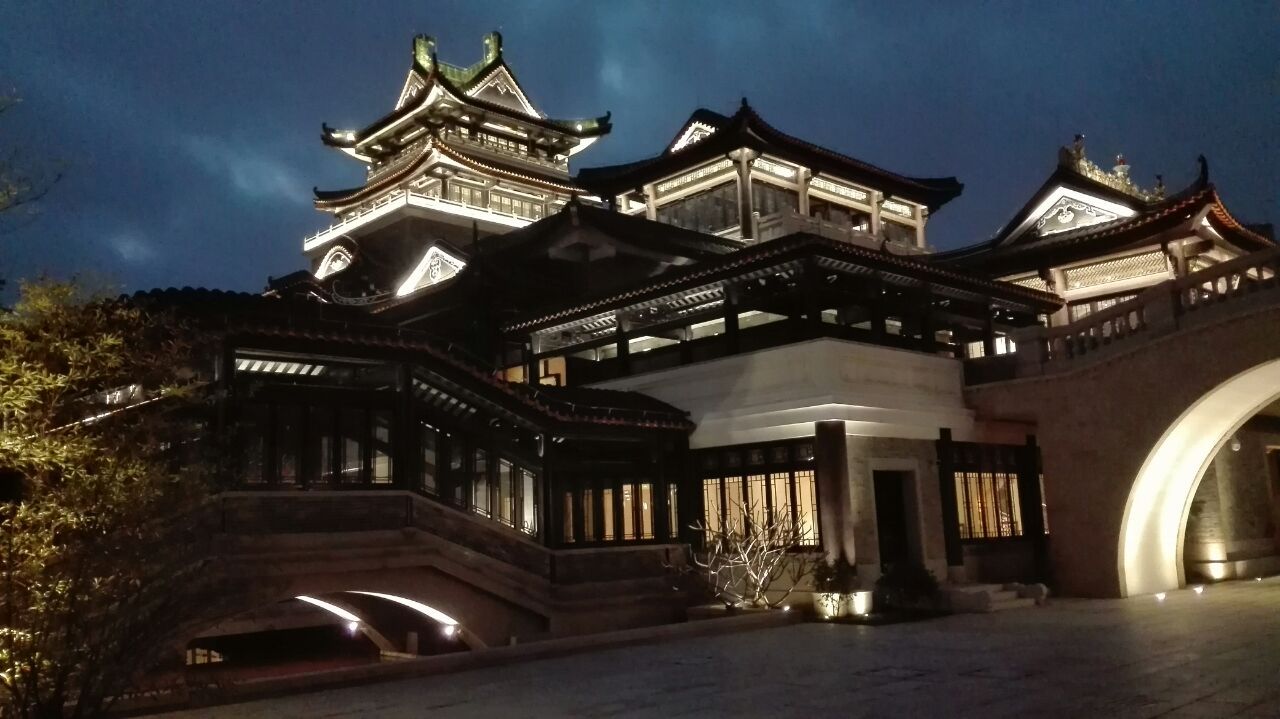
Night-Lit Garden
From dusk the bridges, stage and corridors glow — a rare museum that improves after dark.
Free Cantonese Opera Shows
Arias on the Guangfu stage most weekends — lanterns up, boats still, the crowd hushed.
Photo Gallery
Comments