 Travel in China
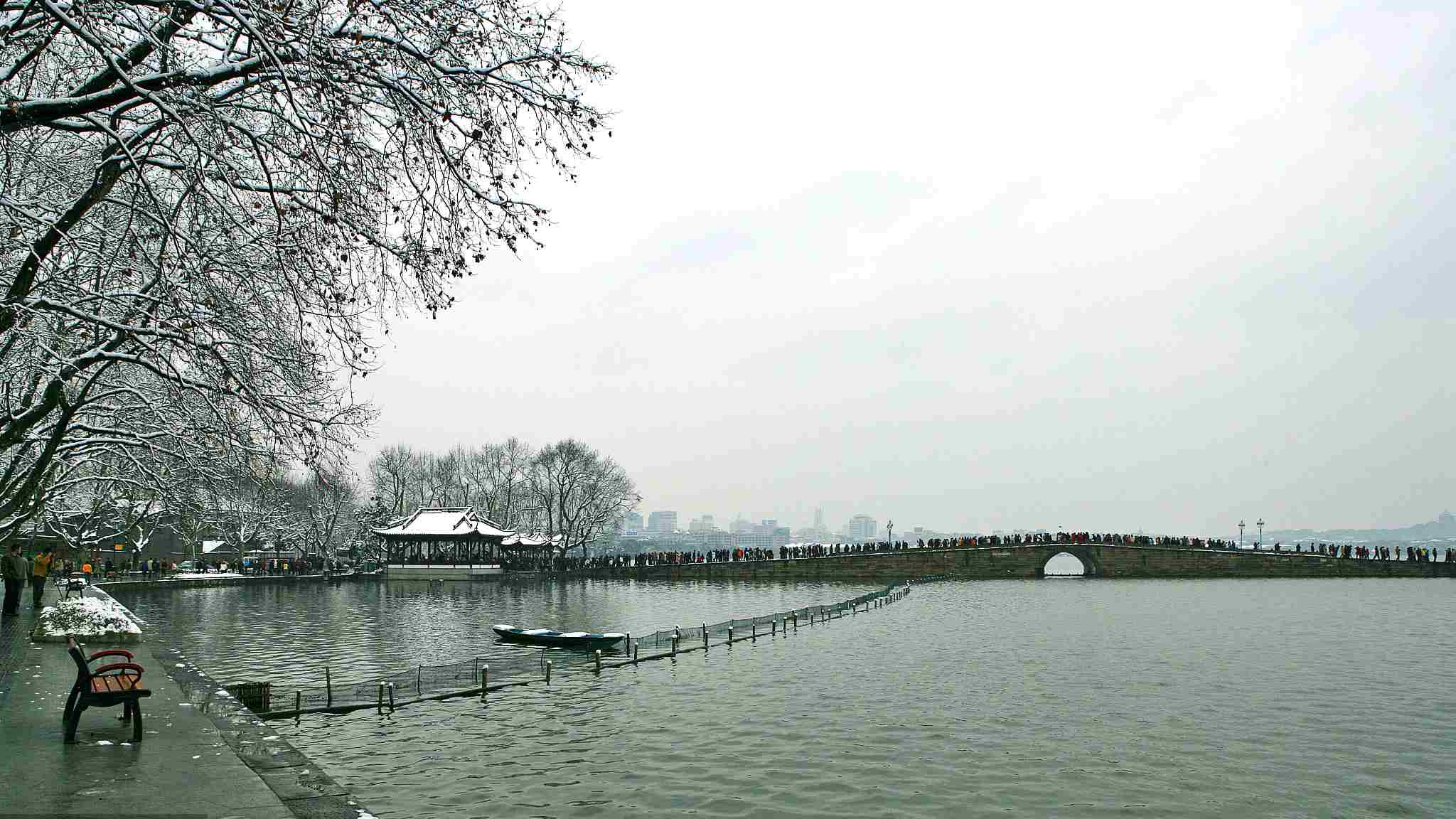
Cross east to west: start at the bridge while the light is low, check the stele pavilion at its northeast corner, then let Bai Causeway carry you a gentle kilometre to Gushan.
Suggested Itinerary
- 60 minutes — Bridge and Stele
Walk from Longxiangqiao via the lakeshore, cross the bridge with Baochu Pagoda framing the north, and pause at the Kangxi stele pavilion before returning. - 90 minutes — The Bai Causeway Classic
Bridge → stele pavilion → the one-kilometre willow-and-peach causeway past Jindai Bridge → Autumn Moon over Calm Lake at Gushan, then loop back along Hubin.
What to See
The Single-Arch Span
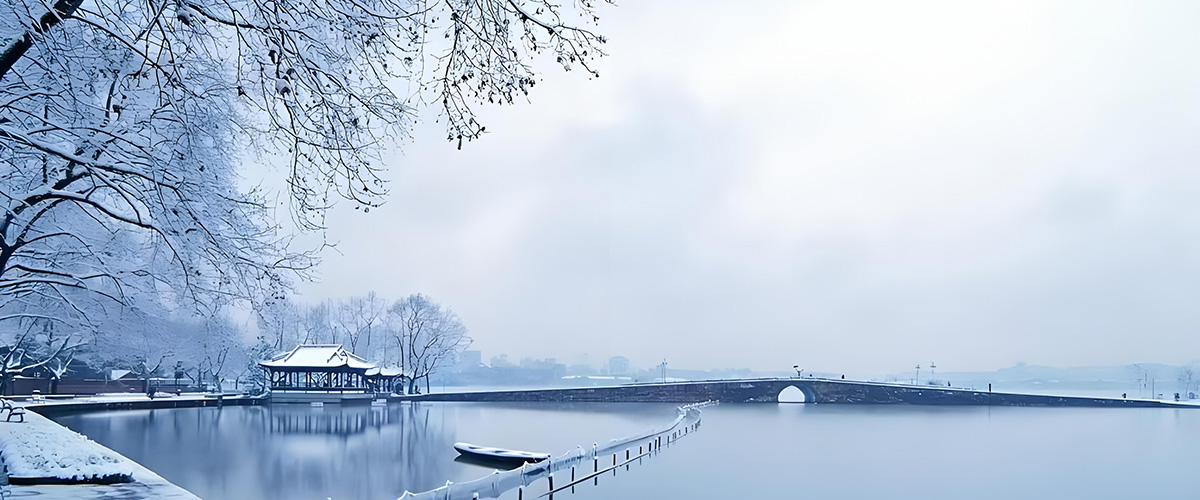
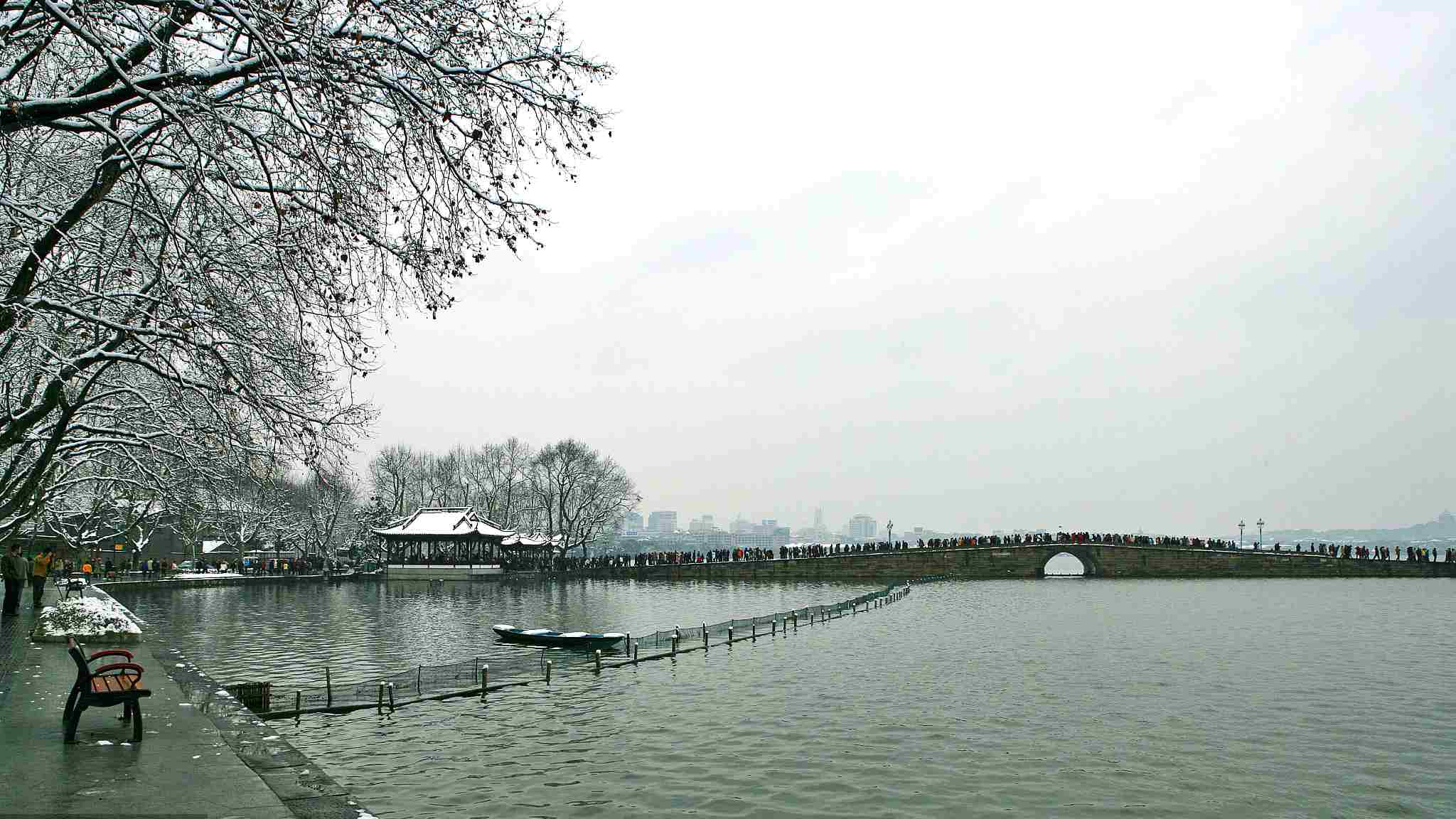
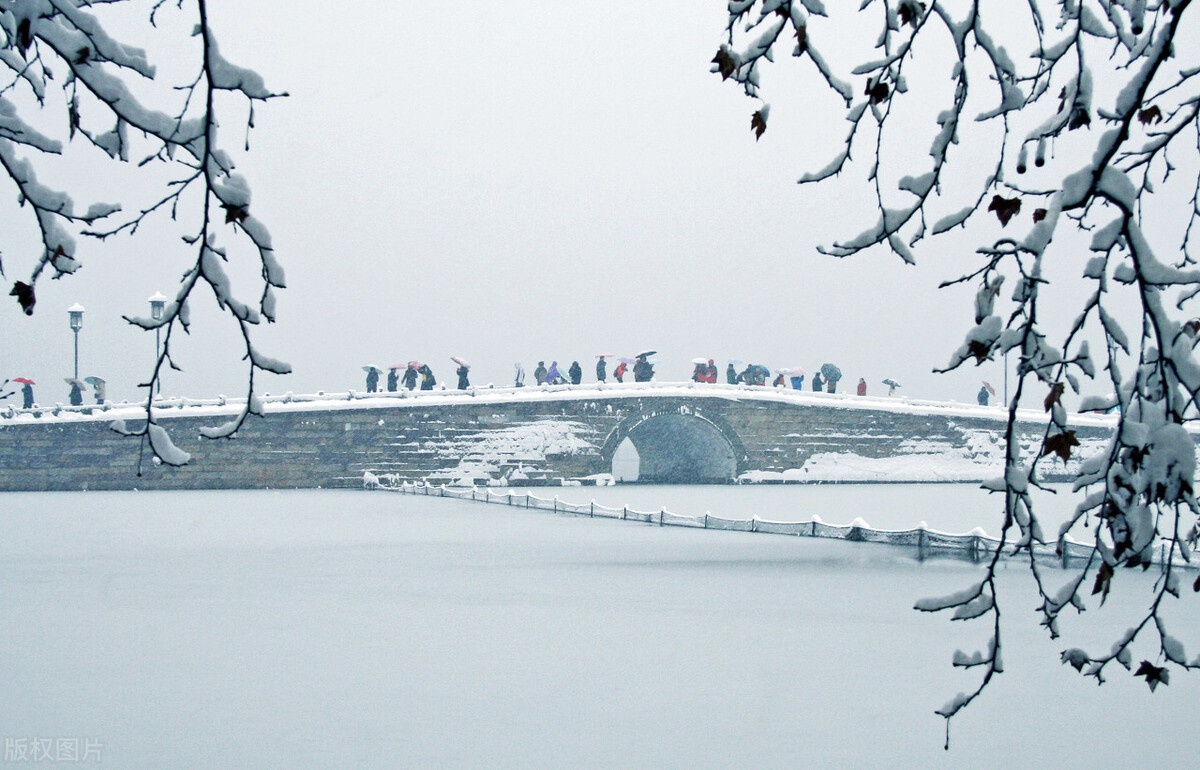
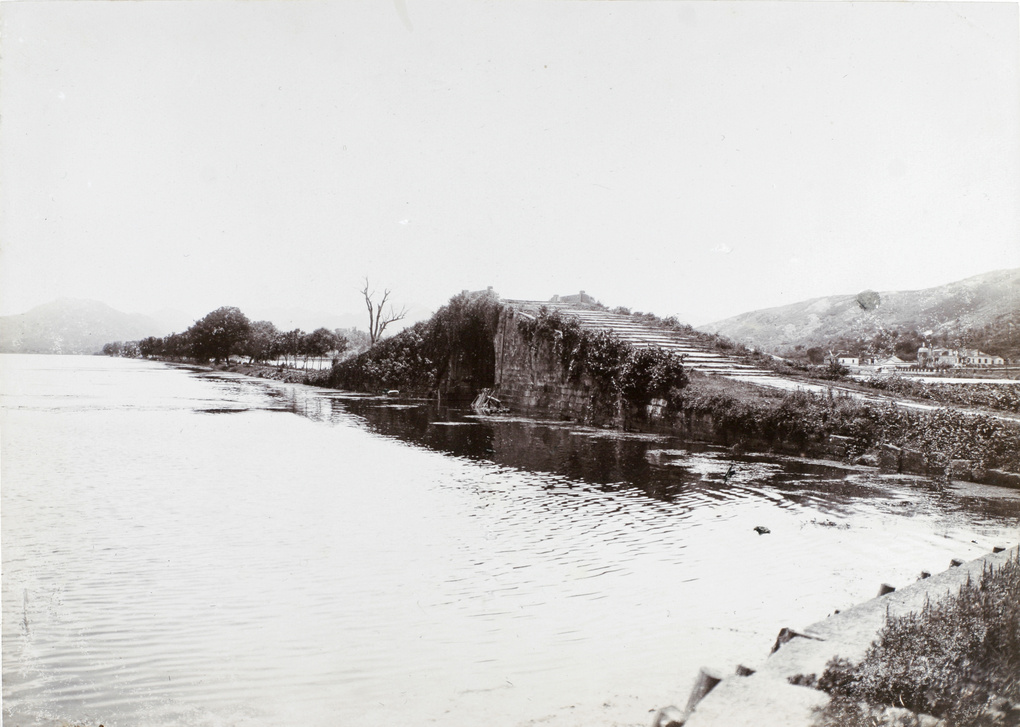
The 8.8-metre single-arch stone bridge rebuilt in 1921, seen from the causeway's east end — the White Snake meeting place.
Lingering Snow Stele Pavilion
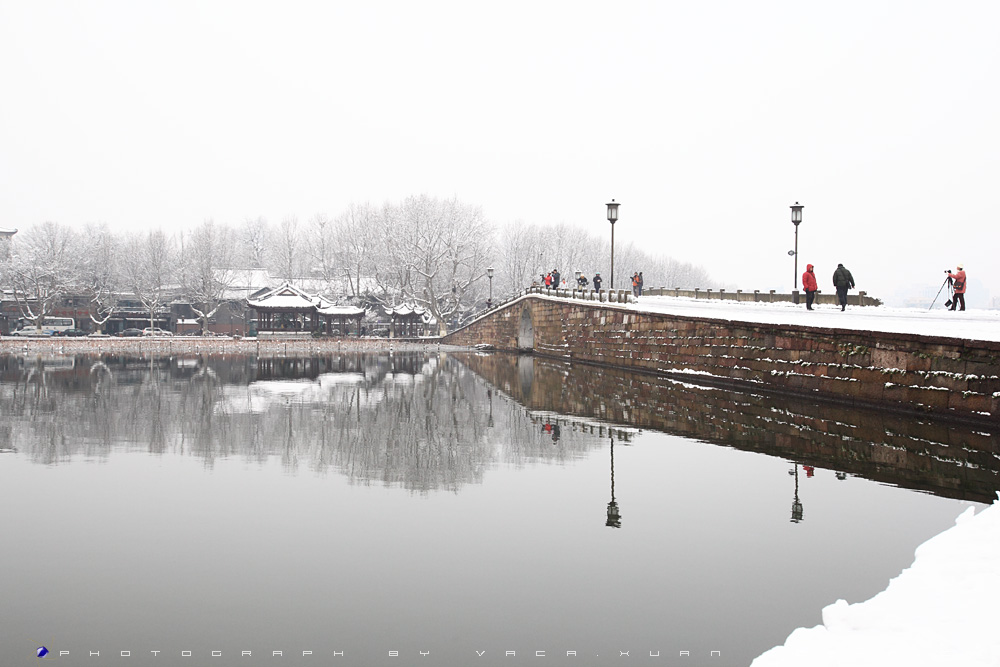
The hexagonal pavilion with the Kangxi-era stele at the bridge's northeast corner, its 1977 stone reproducing the 1702 original.
Bai Causeway East Section
The willow-and-peach-lined causeway stretch heading west toward Gushan — alternating pairs planted since the Tang era.
Jindai Bridge
The single-arch stone bridge at the causeway's midpoint, a quieter photo spot away from the main crossing.
Autumn Moon over Calm Lake
The western terminus of Bai Causeway at Gushan — a lakeside moon-viewing terrace and one of the Ten Scenes in its own right.
Baochu Pagoda Viewpoint
The slender pagoda on Baoshi Hill's ruddy cliffs directly north — climb the hill for the 'broken bridge' snow perspective.
Photo Gallery
Tips from Real Travelers
Food & Drink
Dingsheng Cakes
Steamed rice cakes stamped with the 'victory' character — the old Hefang Street snack that travelling Song soldiers carried, a short ride from the lakeshore.
Longjing Shrimp
Lake shrimp tossed with fresh tea leaves — the Hubin dining rooms east of the bridge serve the classic version.
Wushan Snack Quarter
The snack lanes off Hefang Street a metro stop away — crisp dough 'dragon whiskers', soy-milk and pan-fried buns for a post-walk refuel.
Comments