 Travel in China
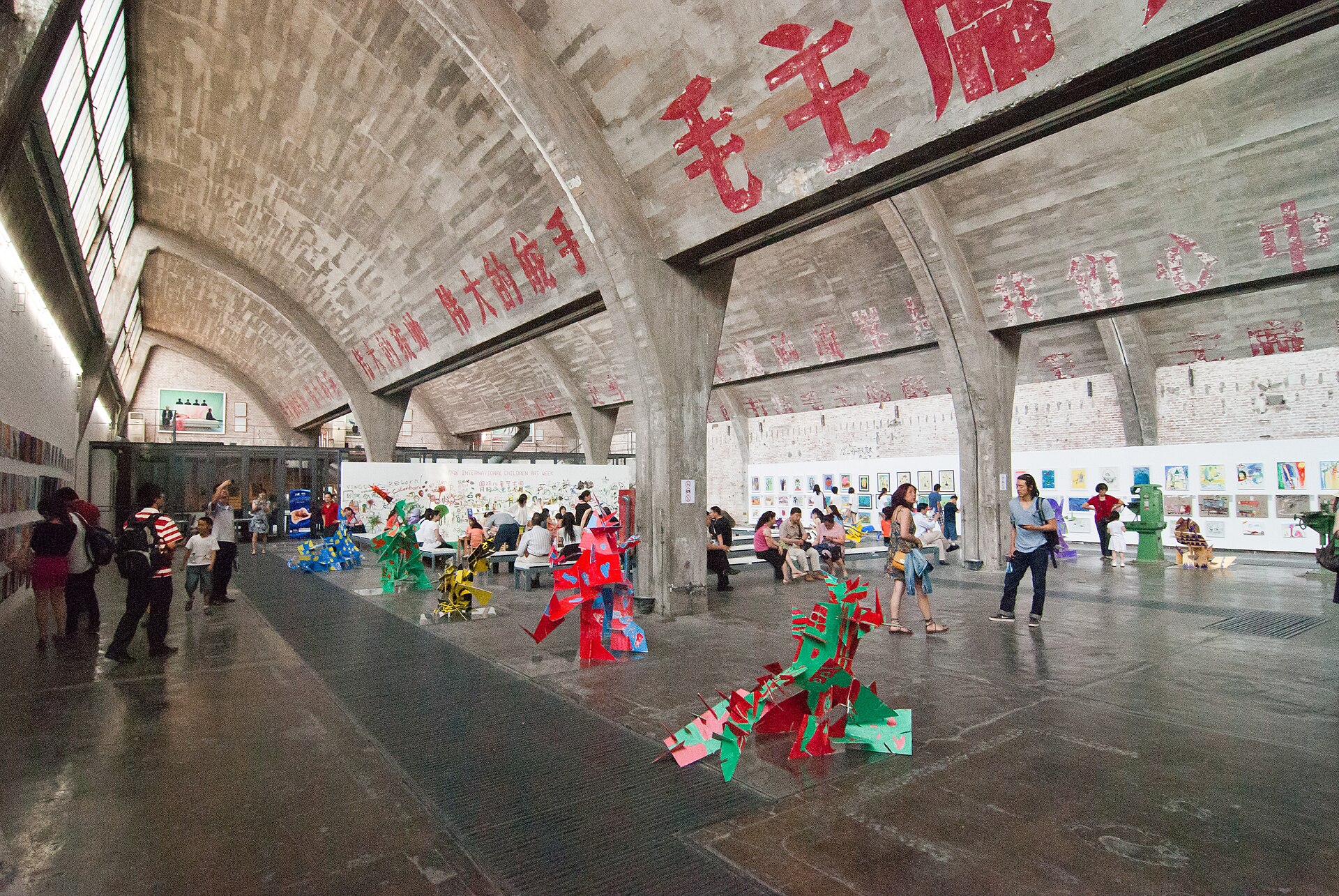
A decommissioned military electronics factory reborn as Beijing's contemporary-art quarter - Bauhaus workshops filled with galleries, studios and cafes.
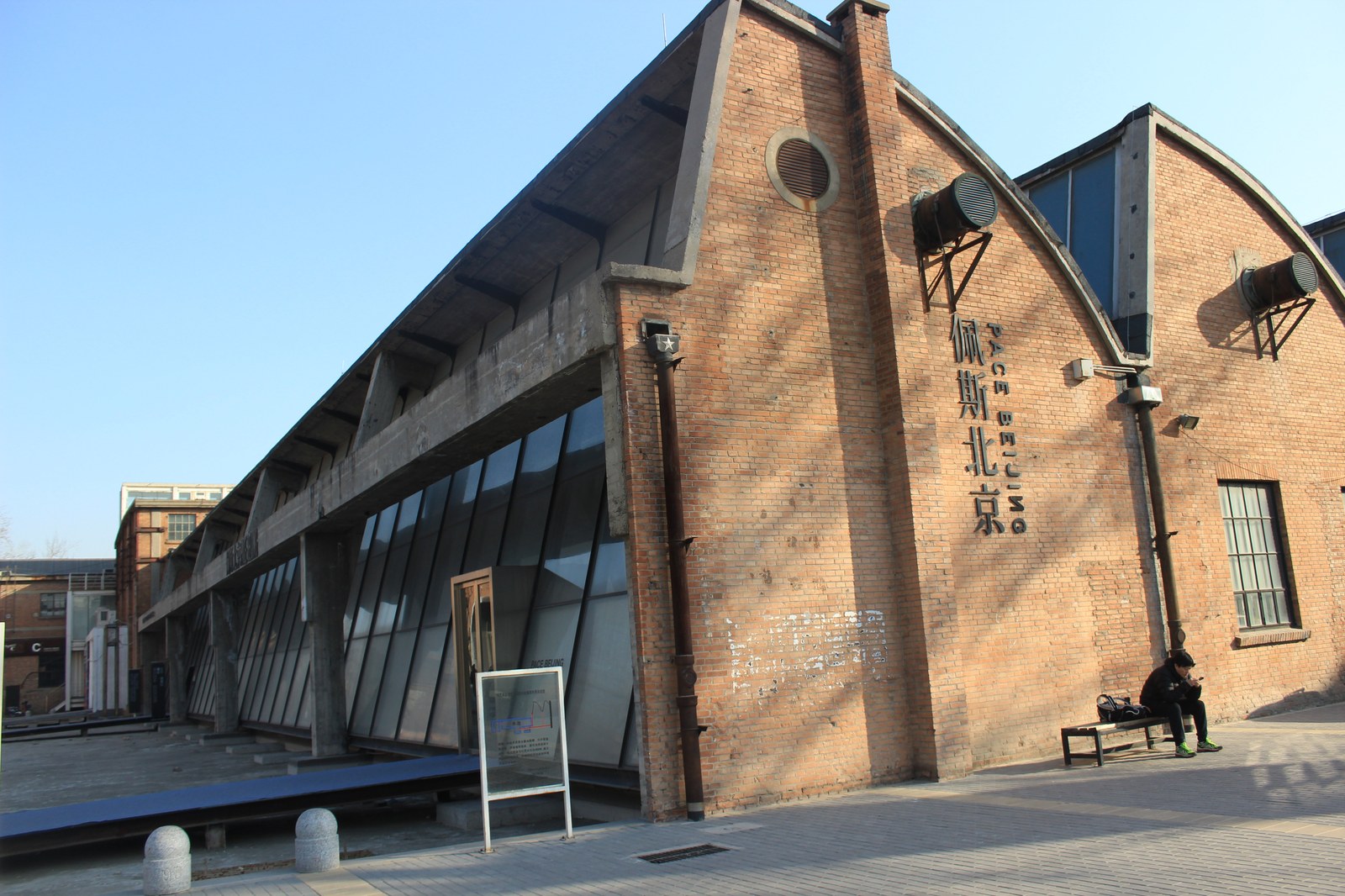
The 798 Art District occupies a cluster of 1950s factory buildings designed by East German architects in the Bauhaus style for the state-owned 718 Joint Factory. When the factory downsized in the 1990s, artists drawn by cheap rents and vast, light-flooded spaces began moving in.
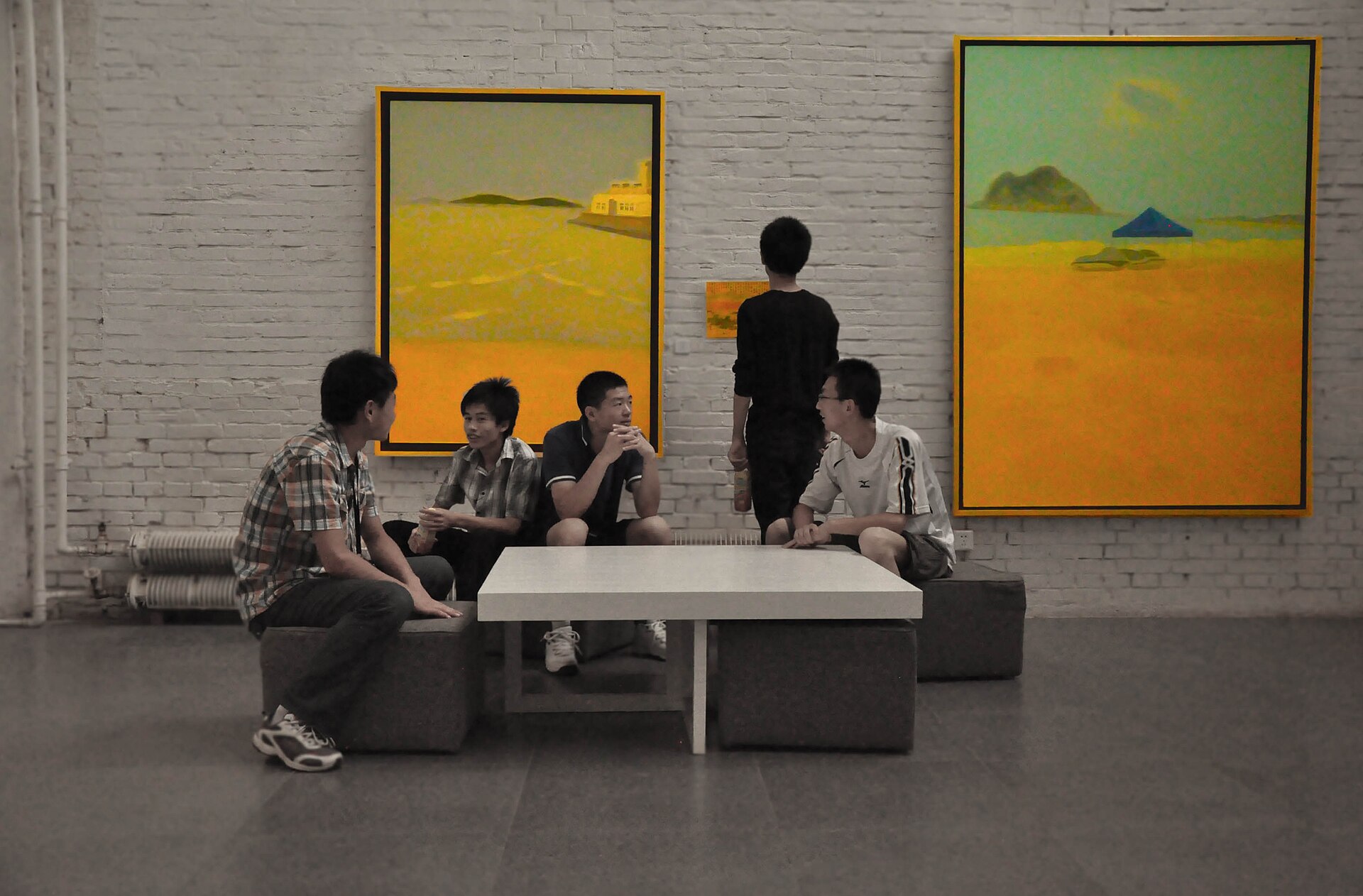
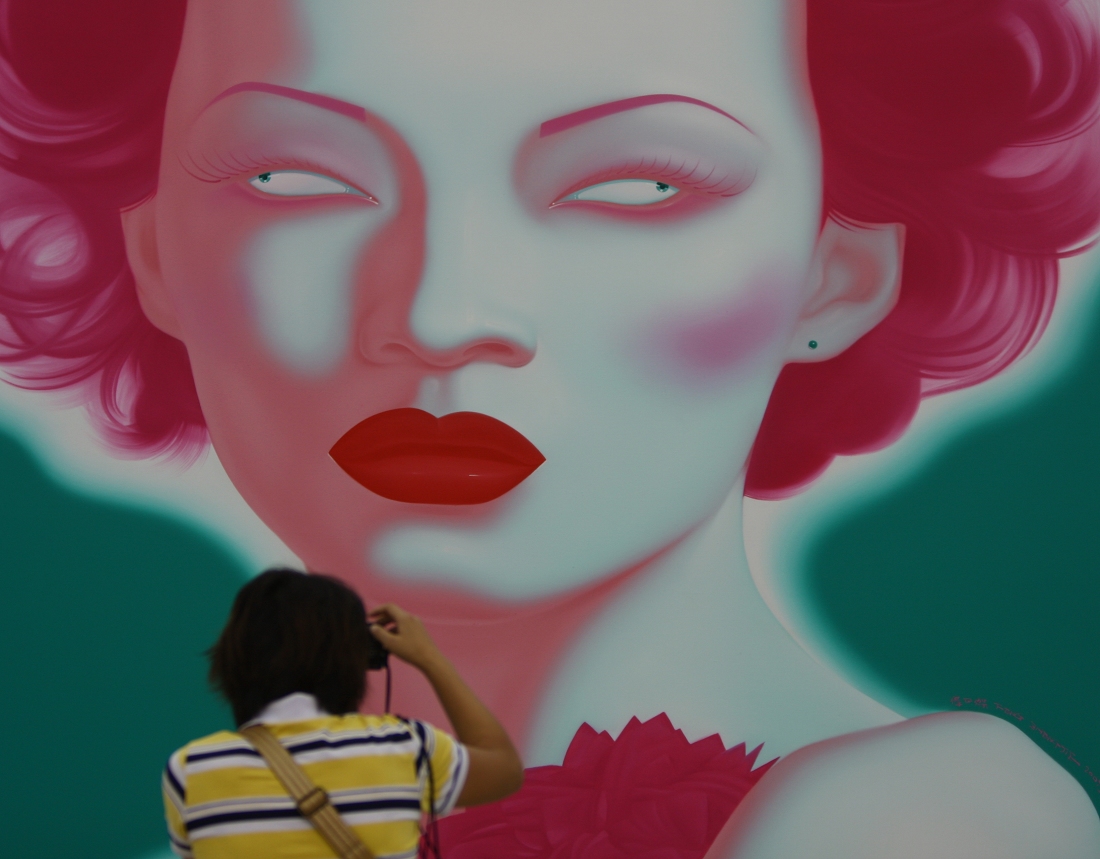
Today 798 is China's most important contemporary-art district - more than 400 cultural institutions ranging from major commercial galleries to independent project spaces, studios and design boutiques. The district's character comes from the dialogue between industrial heritage and cutting-edge creativity.
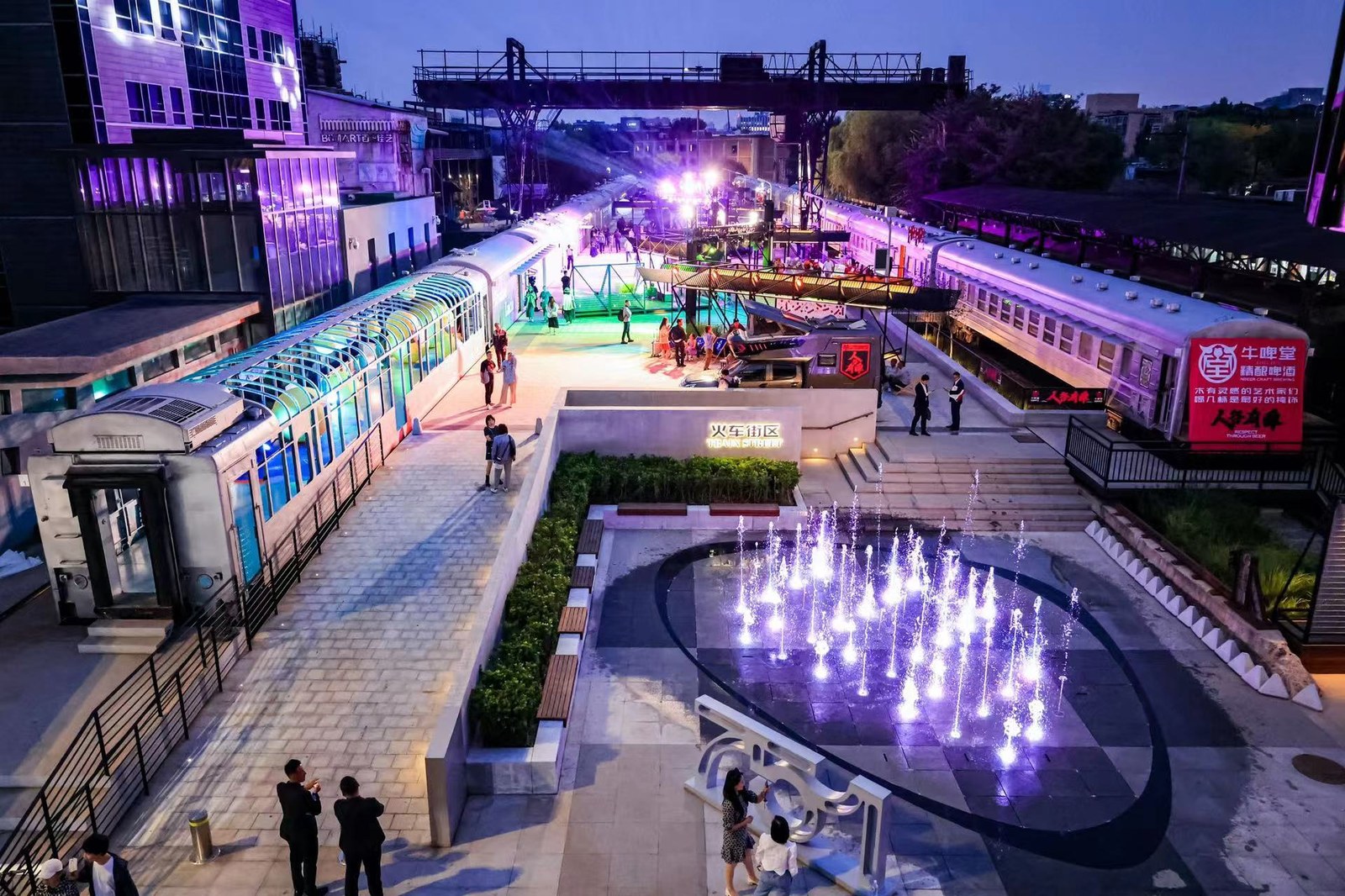
A visit is as much about the atmosphere as the art. Allow half a day to wander the lanes between the Bauhaus buildings - outdoor sculptures, impromptu performances, themed cafes in old canteens, and ever-changing street art.
Highlights
UCCA Center for Contemporary Art
Beijing's premier contemporary-art museum in a converted factory hall.
Bauhaus Architecture
Saw-toothed roofs, north-light windows and exposed brick of 1950s East German design.
Mao-era Slogans
Revolutionary slogans still painted on factory walls, now framing contemporary art.
Long March Space
One of China's most influential galleries in a vast former machining hall.
798 Photo Gallery
Dedicated photography space showing documentary and fine-art work.
Street Art and Sculpture
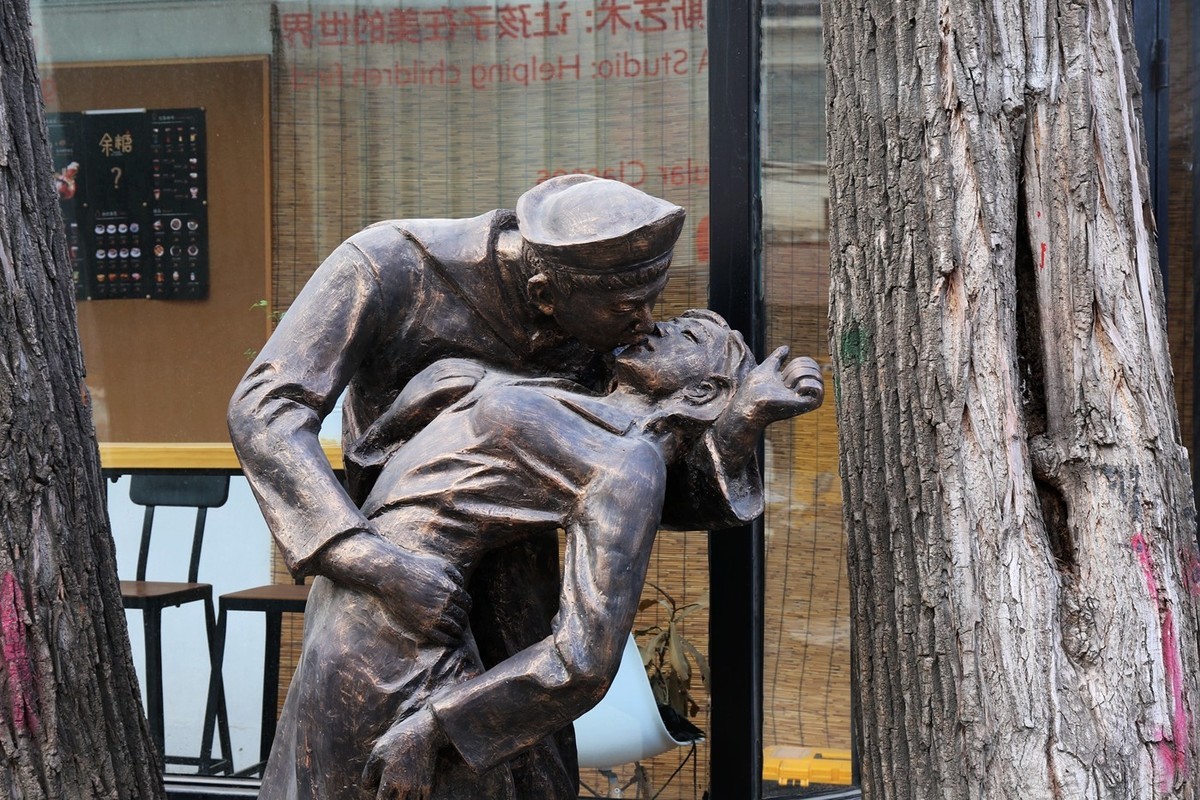
Outdoor installations and found-object sculptures throughout the lanes.
Photo Gallery
Comments